
 IN
INundefined
Grout Pumps
9 products available
𝗪𝗵𝗮𝘁 𝗮𝗿𝗲 𝗚𝗿𝗼𝘂𝘁 𝗣𝘂𝗺𝗽𝘀?
Grout pumps are specialized equipment designed to transport and inject grout materials into various applications. Grout is a mixture of water, cement, sand, and sometimes additives, used to fill gaps, seal joints, or provide structural support in construction and other industries. The primary function of grout pumps is to ensure a consistent flow and accurate placement of grout, making them essential tools in many construction and maintenance projects.
In the construction industry, grout pumps are utilized for tasks such as underpinning, floor leveling, and sealing joints in masonry. They are also crucial in applications like soil stabilization and repairing cracks in concrete structures. The versatility of grout pumps makes them relevant not only in construction but also in sectors like mining and tunneling, where precise grout placement is necessary for safety and structural integrity. The market for grout pumps is growing, driven by the increasing demand for efficient and reliable construction methods.
𝗞𝗲𝘆 𝗙𝗲𝗮𝘁𝘂𝗿𝗲𝘀 𝗮𝗻𝗱 𝗦𝗽𝗲𝗰𝗶𝗳𝗶𝗰𝗮𝘁𝗶𝗼𝗻𝘀
Grout pumps come with a variety of features and specifications tailored to meet different operational needs. These specifications can vary significantly depending on the model and intended application.
Key specifications include:
1. Pump Type
- Available in electric or hydraulic models
- Electric pumps are often more portable, while hydraulic options provide higher pressure capabilities
2. Maximum Pressure
- Typical ranges from 50 to 300 psi
- Higher pressure models can deliver grout more efficiently over longer distances
3. Flow Rate
- Common flow rates range from 0.5 to 10 gallons per minute
- Flow rate affects the speed of grout application and project timelines
4. Hopper Capacity
- Ranges from 5 to 50 gallons
- Larger hoppers minimize refilling intervals during operation
5. Weight
- Typical weights from 100 to 500 pounds
- Heavier models may offer more stability and durability
6. Portability Features
- Some models include wheels or frames for easy transport
- Lightweight options are available for smaller jobs
7. Control Mechanisms
- Manual and automatic options for ease of use
- Advanced models may include remote controls for precision
8. Material Compatibility
- Suitable for various types of grout, including cement-based and epoxy grouts
- Some models can handle thicker or more viscous materials
These specifications help buyers select the right grout pump for their specific projects and ensure optimal performance.
𝗖𝗼𝗺𝗺𝗼𝗻 𝗔𝗽𝗽𝗹𝗶𝗰𝗮𝘁𝗶𝗼𝗻𝘀 𝗮𝗻𝗱 𝗨𝘀𝗲 𝗖𝗮𝘀𝗲𝘀
Grout pumps find extensive use across multiple industries, highlighting their versatility and importance.
1. Construction: In this sector, grout pumps are used for underpinning foundations, filling voids, and stabilizing soil. They facilitate the efficient placement of grout in large volumes, ensuring structural integrity.
2. Mining: Grout pumps are essential for ground stabilization and sealing in underground mining operations. They help manage water ingress and enhance the safety of mining tunnels.
3. Tunneling: In tunneling projects, grout pumps are employed to fill gaps between tunnel walls and surrounding soil. This process is crucial for maintaining tunnel stability.
4. Civil Engineering: Grout pumps assist in repairing bridges and highways by injecting grout into cracks and voids, contributing to infrastructure longevity.
5. Industrial Maintenance: Facilities use grout pumps to maintain equipment by filling expansion joints and sealing areas prone to wear and tear.
6. Oil and Gas: Grout pumps play a role in sealing well casings and managing subsurface pressures, which is vital for safe drilling operations.
7. Marine Applications: In marine construction, grout pumps help secure structures such as piers and docks by filling gaps and providing stability against water erosion.
𝗣𝗿𝗼𝗱𝘂𝗰𝘁 𝗩𝗮𝗿𝗶𝗮𝗻𝘁𝘀 𝗮𝗻𝗱 𝗦𝘂𝗯𝗰𝗮𝘁𝗲𝗴𝗼𝗿𝗶𝗲𝘀
Grout pumps are available in various forms to cater to different operational needs and project requirements.
Electric Grout Pumps
These pumps are designed for portability and ease of use, making them ideal for small to medium-sized projects. They typically have lower flow rates but offer sufficient power for most construction tasks.
Hydraulic Grout Pumps
Hydraulic models provide higher pressure capabilities, making them suitable for larger projects requiring significant material displacement. They are often used in heavy-duty applications like mining and tunneling.
Pneumatic Grout Pumps
These pumps utilize compressed air for operation, offering high mobility and ease of use in remote locations. They are commonly used in industrial maintenance and repair tasks.
Skid-mounted Grout Pumps
These stationary units are designed for large-scale applications and are often mounted on a skid for stability. They are ideal for continuous operation in construction sites.
Trailer-mounted Grout Pumps
These portable pumps are mounted on trailers for easy transportation. They are well-suited for projects that require mobility over long distances.
𝗕𝗲𝗻𝗲𝗳𝗶𝘁𝘀 𝗮𝗻𝗱 𝗔𝗱𝘃𝗮𝗻𝘁𝗮𝗴𝗲𝘀
Grout pumps provide numerous advantages that enhance operational efficiency and project outcomes.
1. Increased Efficiency: Grout pumps allow for faster application of grout compared to manual methods, reducing project timelines significantly.
2. Precision Placement: These pumps ensure accurate placement of grout, minimizing waste and ensuring even distribution in applications.
3. Versatility: Grout pumps can handle a wide variety of materials, making them suitable for numerous applications across different industries.
4. Improved Safety: By mechanizing the grout application process, these pumps reduce the risk associated with manual handling and allow for safer operations.
5. Cost-Effectiveness: Efficient grout placement reduces material waste and labor costs, contributing to overall project savings.
6. Reliability: High-quality grout pumps are built for durability and consistent performance, ensuring they can handle demanding applications.
𝗕𝘂𝘆𝗶𝗻𝗴 𝗚𝘂𝗶𝗱𝗲 𝗳𝗼𝗿 𝗕𝟮𝗕 𝗕𝘂𝘆𝗲𝗿𝘀
When sourcing grout pumps, it is important to consider several key factors to ensure the right selection for your needs.
1. Quality Assessment: Evaluate the materials and construction quality of the grout pump. Look for certifications and standards that indicate reliability and performance.
2. Supplier Verification: Vet potential suppliers to ensure they have a good reputation and track record in the industry. Check for reviews and references.
3. Pricing and MOQ: Compare pricing across different suppliers while considering minimum order quantities. Ensure that the pricing aligns with your budget and project scope.
4. Delivery and Lead Times: Discuss logistics with suppliers to understand delivery timelines. Ensure they can meet your project's schedule without delays.
5. Compliance Requirements: Verify that the grout pumps meet relevant regulatory and safety standards for your industry. Compliance with certifications like CE is essential for safety and performance.
𝗖𝗼𝗺𝗽𝗹𝗶𝗮𝗻𝗰𝗲 𝗮𝗻𝗱 𝗖𝗲𝗿𝘁𝗶𝗳𝗶𝗰𝗮𝘁𝗶𝗼𝗻𝘀
Grout pumps must adhere to various quality standards and certifications to ensure safety and effectiveness in their applications. ISO 9001 is a widely recognized standard that ensures a quality management system is in place, promoting consistent quality across products. Additionally, compliance with HACCP and GDP standards may be relevant in specific industries, particularly those involving food safety and pharmaceutical applications.
CE certification is important for grout pumps sold within the European market, signifying that the product meets health, safety, and environmental protection standards. Safety testing requirements are also critical, as grout pumps must be evaluated for performance under pressure and material compatibility. Regional compliance considerations may vary, so it's important to verify that the selected grout pump meets local regulations.
𝗪𝗵𝘆 𝗦𝗼𝘂𝗿𝗰𝗲 𝗚𝗿𝗼𝘂𝘁 𝗣𝘂𝗺𝗽𝘀 𝗳𝗿𝗼𝗺 𝗣𝗲𝗽𝗮𝗴𝗼𝗿𝗮?
Pepagora offers a trusted platform for sourcing grout pumps, providing numerous advantages for buyers looking to make informed decisions.
Verified Supplier Network: Pepagora connects buyers with a network of verified suppliers, ensuring that you work with reputable manufacturers known for their quality products.
Streamlined RFQ Process: The platform features a streamlined Request for Quotation process, making it easy for buyers to obtain competitive pricing and detailed information from multiple suppliers quickly.
Trade Assurance and Support: Buyers can benefit from trade assurance programs that protect their purchases and provide support throughout the sourcing process. This increases confidence in transactions and product quality.
Regional Coverage: Pepagora has a wide geographic reach, serving markets in India, the GCC, and Southeast Asia. This ensures that buyers have access to a diverse range of grout pump options tailored to their specific needs and locations.
Newly Added




Recently Added
Chandra Helicon Pumps Pvt Ltd
Food Transfer Pumps For Hygienic Efficient Movement In Processing Industries
Stainless Steel Progressive Cavity Pumps For Abrasive Viscous Fluids
Helicon Electric Cement Grout Pump For Construction And Repair Projects
Metro Industries
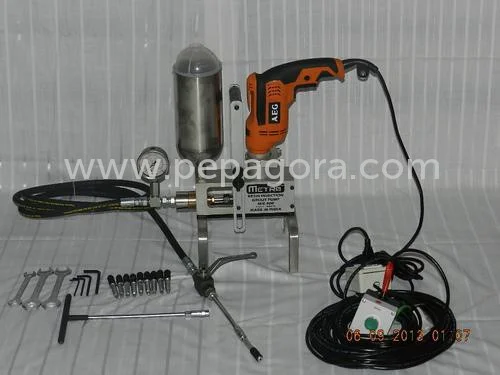
Industrial Grouting Equipment High Pressure Cement Grout Pump Model MI 10
Metro Deepwell Hand Pump 45m Bore Well Water Extraction Durable Steel
Construction Mining Grout Pump High Pressure Non Choking Brass Valve
Cogmatic Technologies Pvt Ltd
Industrial Processing Cogmatic Progressive Cavity Screw Pump For Viscous Fluids
Industrial Single Screw Pump For Viscous Fluid Transfer With High Temperature Handling
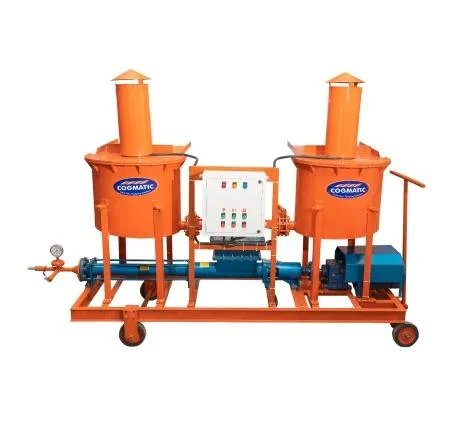
Electric Twin Drum Grouting Pump For High Pressure Cement Chemical Grouting
Why Businesses Trust Pepagora
Thousands of companies trust Pepagora to source smarter and sell faster
Expand Your Sales Globally
25000+Products listed.Get discovered by global buyers
Tools to boost visibility
Build your own catalog

Source Smarter,Grow Faster
4000+Active RFQs
100+ Countries served
Easy Sourcing Tools
