
 IN
INundefined
Grinding & Pulverizing Machines
4 products available
𝗪𝗵𝗮𝘁 𝗮𝗿𝗲 𝗚𝗿𝗶𝗻𝗱𝗶𝗻𝗴 & 𝗣𝘂𝗹𝘃𝗲𝗿𝗶𝘇𝗶𝗻𝗴 𝗠𝗮𝗰𝗵𝗶𝗻𝗲𝘀?
Grinding and pulverizing machines are specialized equipment used to crush and grind materials into fine powders or granules. These machines utilize various grinding mechanisms to achieve the desired particle size and consistency. They are essential in many manufacturing processes, particularly in industries that require raw materials to be finely processed for further production.
These machines are primarily used in sectors such as food processing, pharmaceuticals, chemicals, and minerals. Their ability to produce uniform particle sizes makes them vital for applications that demand precision and consistency. As industries continue to evolve and demand higher quality products, the relevance of grinding and pulverizing machines grows, making them integral to modern manufacturing processes.
The market for grinding and pulverizing machines is expanding as it adapts to various industrial needs. With advancements in technology, these machines are becoming more efficient and versatile. Manufacturers are increasingly focusing on developing machines that meet specific industry standards, enhancing their competitiveness in the global market.
𝗞𝗲𝘆 𝗙𝗲𝗮𝘁𝘂𝗿𝗲𝘀 𝗮𝗻𝗱 𝗦𝗽𝗲𝗰𝗶𝗳𝗶𝗰𝗮𝘁𝗶𝗼𝗻𝘀
Grinding and pulverizing machines come with a range of features designed to enhance performance and efficiency. Understanding these specifications is crucial for selecting the right equipment for specific applications.
Key specifications include:
1. Grinding Mechanism
- Types may include impact, attrition, and shear
- Each mechanism affects particle size and uniformity differently
2. Capacity
- Measured in kilograms per hour (kg/h)
- Varies based on machine size and intended use
3. Power Consumption
- Typically measured in kilowatts (kW)
- Efficiency is crucial for operational costs
4. Material Compatibility
- Suitable materials may include metals, plastics, and organic substances
- Certain machines are designed for specific material types
5. Dimensions
- Size specifications including height, width, and depth
- Important for installation space considerations
6. Safety Features
- Includes emergency stop buttons and protective covers
- Essential for ensuring operator safety
7. Maintenance Requirements
- Details on routine maintenance needs and ease of access for servicing
- Affects operational downtime and longevity of the equipment
8. Control Systems
- Automation capabilities, including manual and digital controls
- Impact on user-friendliness and operational precision
These specifications collectively contribute to the overall efficiency and effectiveness of grinding and pulverizing machines, ensuring they meet the diverse needs of various industries.
𝗖𝗼𝗺𝗺𝗼𝗻 𝗔𝗽𝗽𝗹𝗶𝗰𝗮𝘁𝗶𝗼𝗻𝘀 𝗮𝗻𝗱 𝗨𝘀𝗲 𝗖𝗮𝘀𝗲𝘀
Grinding and pulverizing machines find applicability across multiple industries, enhancing production processes by providing finely processed materials.
1. Food Processing: In the food industry, these machines are used to grind spices, grains, and other ingredients, ensuring uniform particle sizes for consistent flavor and texture.
2. Pharmaceuticals: In pharmaceutical manufacturing, they are essential for producing fine powders from raw materials, which are used in capsules, tablets, and other formulations.
3. Chemical Manufacturing: Grinding and pulverizing machines are used to process chemicals into fine powders that are critical for product formulation and consistency.
4. Mining and Minerals: These machines help in grinding ores and mineral substances into fine particles, facilitating further processing and extraction.
5. Plastics and Polymers: In the plastics industry, these machines are employed to pulverize recycled plastic materials into fine powders for reuse in manufacturing.
6. Paints and Coatings: Grinding machines are utilized to create fine pigments and other materials essential for high-quality paint and coating production.
7. Agriculture: In agricultural applications, they are used to process feed and fertilizers, ensuring that they meet specific particle size requirements for effective application.
𝗣𝗿𝗼𝗱𝘂𝗰𝘁 𝗩𝗮𝗿𝗶𝗮𝗻𝘁𝘀 𝗮𝗻𝗱 𝗦𝘂𝗯𝗰𝗮𝘁𝗲𝗴𝗼𝗿𝗶𝗲𝘀
Grinding and pulverizing machines come in various models to cater to different industrial needs. This diversity allows businesses to select machines that best fit their production requirements.
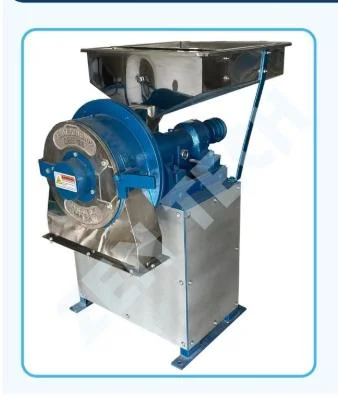
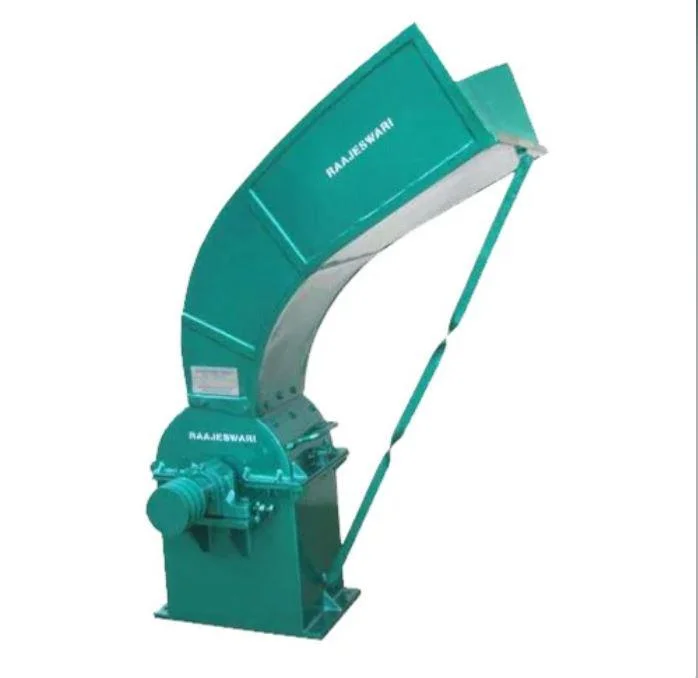
Hammer Mill: This variant uses high-speed rotating hammers to crush materials. It is ideal for processing grains and other soft materials, providing high throughput and efficiency.
Jet Mill: Jet mills utilize high-velocity air streams to grind materials. They are suitable for producing ultra-fine powders and are commonly used in pharmaceuticals and specialty chemicals.
Ball Mill: Ball mills are used for grinding ores and other materials using grinding balls. They are essential in mineral processing and are known for their ability to produce fine particle sizes.
Roller Mill: This variant employs cylindrical rollers to crush and grind materials. It is widely used in the food industry, particularly for milling grains and other bulk materials.
𝗕𝗲𝗻𝗲𝗳𝗶𝘁𝘀 𝗮𝗻𝗱 𝗔𝗱𝘃𝗮𝗻𝘁𝗮𝗴𝗲𝘀
Grinding and pulverizing machines offer numerous benefits that enhance manufacturing efficiency and product quality.
1. Improved Product Quality: These machines ensure uniform particle size, which is crucial for achieving consistent product quality across batches.
2. Increased Efficiency: With advanced technology, modern grinding machines operate faster and consume less energy, leading to higher productivity.
3. Versatility: They can process a wide range of materials, making them suitable for various industries and applications.
4. Cost-Effectiveness: Efficient operation reduces energy costs and waste, contributing to lower overall production costs.
5. Enhanced Safety: Many machines come equipped with safety features that protect operators and reduce the risk of accidents.
6. Easy Maintenance: User-friendly designs facilitate easier maintenance and reduce downtime, ensuring continuous operation.
𝗕𝘂𝘆𝗶𝗻𝗴 𝗚𝘂𝗶𝗱𝗲 𝗳𝗼𝗿 𝗕𝟮𝗕 𝗕𝘂𝘆𝗲𝗿𝘀
When sourcing grinding and pulverizing machines, it is essential to consider several factors to ensure the right choice for your business needs.
1. Quality Assessment: Evaluate machines based on durability and the reputation of the manufacturer. Look for machines that meet industry standards for performance and reliability.
2. Supplier Verification: Vet potential suppliers by reviewing their certifications, customer feedback, and track record. A reliable supplier will provide quality assurance and support.
3. Pricing and MOQ: Compare pricing structures and minimum order quantities (MOQ) to find options that fit your budget without compromising on quality.
4. Delivery and Lead Times: Consider logistics, including delivery times and shipping costs. Efficient supply chain management is vital for maintaining production schedules.
5. Compliance Requirements: Ensure that the machines comply with regional and industry-specific regulations, such as safety standards and environmental guidelines.
𝗖𝗼𝗺𝗽𝗹𝗶𝗮𝗻𝗰𝗲 𝗮𝗻𝗱 𝗖𝗲𝗿𝘁𝗶𝗳𝗶𝗰𝗮𝘁𝗶𝗼𝗻𝘀
Compliance and certifications are critical aspects of grinding and pulverizing machines, ensuring they meet industry standards and safety requirements.
Many machines adhere to quality standards such as ISO 9001, which ensures consistent quality management processes. Additionally, HACCP (Hazard Analysis and Critical Control Points) is crucial in food processing applications to ensure safety and quality.
Industry certifications like CE and UL indicate that machines have passed rigorous safety and performance tests, providing assurance to buyers. Moreover, safety testing requirements vary by region, necessitating careful consideration during the purchasing process.
Compliance with local regulations is also essential, particularly in industries like food and pharmaceuticals, where strict guidelines govern manufacturing practices.
𝗪𝗵𝘆 𝗦𝗼𝘂𝗿𝗰𝗲 𝗚𝗿𝗶𝗻𝗱𝗶𝗻𝗴 & 𝗣𝘂𝗹𝘃𝗲𝗿𝗶𝘇𝗶𝗻𝗴 𝗠𝗮𝗰𝗵𝗶𝗻𝗲𝘀 𝗳𝗿𝗼𝗺 𝗣𝗲𝗽𝗮𝗴𝗼𝗿𝗮?
Pepagora provides a trusted platform for sourcing grinding and pulverizing machines, offering several advantages to B2B buyers.
Verified Supplier Network: Pepagora connects buyers with verified suppliers, ensuring that the products meet quality standards and compliance requirements. This network provides peace of mind when making purchasing decisions.
Streamlined RFQ Process: The Request for Quotation (RFQ) system simplifies the sourcing process, allowing buyers to receive competitive quotes from multiple suppliers quickly. This efficiency saves time and enhances decision-making.
Trade Assurance and Support: Pepagora offers trade assurance, protecting buyers against potential risks in transactions. Additionally, the platform provides ongoing support to address any queries or issues that may arise during the purchasing process.
Regional Coverage: With a broad geographic reach, including India, GCC, and Southeast Asia, Pepagora facilitates sourcing from a diverse range of suppliers. This ensures that buyers can find the best machines suited for their specific needs, regardless of location.
Newly Added


Recently Added
R S Industries
Commercial Wet Grinder 2HP Three Phase Stainless Steel For Restaurants
Poultry Processing Stainless Steel Chicken Feather Cleaning Machine
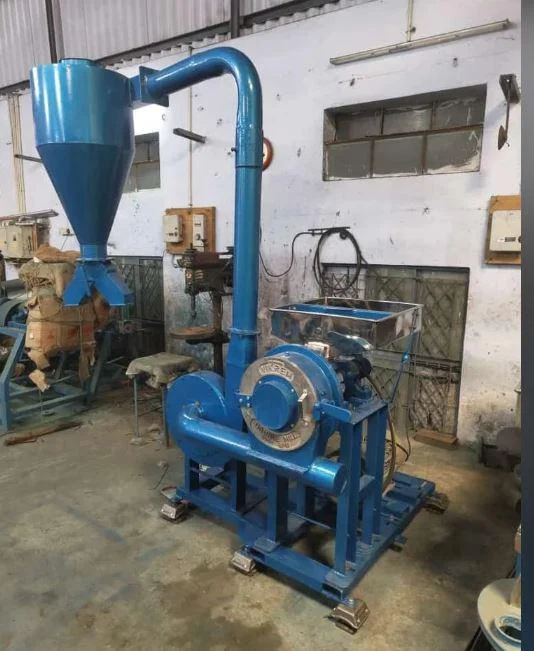
Commercial Vikrem Double Stage Pulverizer Flour Mill For Grain Grinding
Why Businesses Trust Pepagora
Thousands of companies trust Pepagora to source smarter and sell faster
Expand Your Sales Globally
25000+Products listed.Get discovered by global buyers
Tools to boost visibility
Build your own catalog

Source Smarter,Grow Faster
4000+Active RFQs
100+ Countries served
Easy Sourcing Tools
