
 IN
INundefined
Grinders & Pulverizers
85 products available
𝗪𝗵𝗮𝘁 𝗮𝗿𝗲 𝗚𝗿𝗶𝗻𝗱𝗲𝗿𝘀 & 𝗣𝘂𝗹𝘃𝗲𝗿𝗶𝘇𝗲𝗿𝘀?
Grinders and pulverizers are industrial machines designed to reduce the size of materials by mechanical means. They operate through various processes, including crushing, grinding, and milling. These machines are critical in the manufacturing and processing sectors, where precise particle size reduction is essential for product quality and performance.
These machines are widely used in numerous industries, including food processing, pharmaceuticals, chemicals, and construction. Businesses utilize grinders and pulverizers to achieve specific particle sizes required for different applications, from fine powders to coarse granules. By ensuring consistent particle size, these machines contribute significantly to the efficiency and effectiveness of downstream processes.
As the demand for high-quality products grows, the market for grinders and pulverizers continues to expand. Industries are increasingly relying on advanced grinding technologies to enhance productivity and maintain competitiveness. Understanding the capabilities and limits of these machines is essential for businesses seeking to optimize their operations.
𝗞𝗲𝘆 𝗙𝗲𝗮𝘁𝘂𝗿𝗲𝘀 𝗮𝗻𝗱 𝗦𝗽𝗲𝗰𝗶𝗳𝗶𝗰𝗮𝘁𝗶𝗼𝗻𝘀
Grinders and pulverizers come equipped with various features that enhance their performance and versatility. The specifications of these machines can vary significantly based on their intended applications and the materials being processed.
Key specifications include:
1. Power Capacity
- Range of motor power in horsepower or kilowatts
- Determines grinding speed and efficiency
2. Material Compatibility
- Suitable materials for processing, such as metals, plastics, or food products
- Impact on machine selection based on industry needs
3. Particle Size Reduction Range
- Minimum and maximum particle sizes achievable
- Influences final product quality
4. Throughput Rate
- Volume of material processed per hour
- Affects operational efficiency
5. Design Type
- Variants like hammer, roller, or jet mill designs
- Each design serves different grinding needs
6. Operating Environment
- Conditions such as temperature and humidity control
- Important for sensitive materials
7. Safety Features
- Emergency stops, guards, and overload protection
- Essential for operator safety
8. Maintenance Requirements
- Frequency and type of maintenance needed
- Influences operational downtime
In summary, understanding the key features and specifications of grinders and pulverizers enables buyers to select the most suitable machines for their specific applications.
𝗖𝗼𝗺𝗺𝗼𝗻 𝗔𝗽𝗽𝗹𝗶𝗰𝗮𝘁𝗶𝗼𝗻𝘀 𝗮𝗻𝗱 𝗨𝘀𝗲 𝗖𝗮𝘀𝗲𝘀
Grinders and pulverizers are versatile machines applicable across many industries. They play a vital role in processing materials to meet specific quality standards.
1. Food Industry: Grinders and pulverizers are used to process spices, grains, and other food items, ensuring uniform particle size for flavor and texture consistency.
2. Pharmaceutical Industry: These machines help in grinding active ingredients and excipients to precise sizes, ensuring proper dosage and bioavailability in medications.
3. Chemical Industry: Grinders and pulverizers are essential for breaking down chemical compounds to required particle sizes, facilitating effective reactions and product formulation.
4. Construction Industry: Used for processing materials such as cement and aggregates, these machines help achieve the desired texture and consistency in construction materials.
5. Mining Industry: Grinders and pulverizers are utilized to crush and grind minerals and ores, aiding in material separation and extraction processes.
6. Recycling Industry: These machines are employed to reduce waste materials into manageable sizes, improving the efficiency of recycling processes.
7. Plastics Industry: Grinders and pulverizers process plastic scrap into reusable sizes, supporting sustainability and cost-efficiency in manufacturing.
𝗣𝗿𝗼𝗱𝘂𝗰𝘁 𝗩𝗮𝗿𝗶𝗮𝗻𝘁𝘀 𝗮𝗻𝗱 𝗦𝘂𝗯𝗰𝗮𝘁𝗲𝗴𝗼𝗿𝗶𝗲𝘀
Grinders and pulverizers come in a variety of designs and models, catering to different processing needs and material types.
Hammer Mill
This variant uses rotating hammers to crush materials. It is suitable for grinding grains, spices, and other soft to medium-hard materials. Hammer mills are known for their versatility and ease of maintenance.
Roller Mill
Roller mills utilize cylindrical rollers to crush and grind materials. They are commonly used in the milling of grains and are effective for achieving very fine particle sizes.
Jet Mill
Jet mills use high-velocity air streams to create particles with high precision. Ideal for pharmaceuticals and chemicals, they can produce ultra-fine powders without contamination from mechanical parts.
Impact Mill
Impact mills operate by using high-speed impacts to reduce material size. They are often used in the processing of hard materials and can achieve fine particle sizes efficiently.
𝗕𝗲𝗻𝗲𝗳𝗶𝘁𝘀 𝗮𝗻𝗱 𝗔𝗱𝘃𝗮𝗻𝘁𝗮𝗴𝗲𝘀
Investing in high-quality grinders and pulverizers offers numerous benefits for businesses.
Key benefits include:
1. Enhanced Efficiency: These machines streamline the grinding process, reducing operational time and increasing productivity.
2. Consistent Particle Size: Grinders and pulverizers ensure uniformity in particle size, which is crucial for product quality and performance.
3. Versatility: With different designs and specifications, these machines can handle a wide range of materials and applications.
4. Cost-Effectiveness: High-performance machines reduce wastage and improve yield, resulting in lower operational costs.
5. Improved Quality Control: Precise size reduction leads to better consistency in end products, enhancing overall quality.
6. Safety Features: Modern grinders and pulverizers come equipped with safety mechanisms to protect operators and minimize downtime.
𝗕𝘂𝘆𝗶𝗻𝗴 𝗚𝘂𝗶𝗱𝗲 𝗳𝗼𝗿 𝗕𝟮𝗕 𝗕𝘂𝘆𝗲𝗿𝘀
When sourcing grinders and pulverizers, businesses should consider several essential factors to make informed purchasing decisions.
1. Quality Assessment: Evaluate the build quality and materials used in the machine. Look for certifications that indicate compliance with industry standards for quality and safety.
2. Supplier Verification: Vet suppliers to ensure they have a good reputation and reliable track record. Assess their customer feedback and service capabilities.
3. Pricing and MOQ: Understand the pricing structure and minimum order quantities required by suppliers. This will help in budget planning and negotiations.
4. Delivery and Lead Times: Discuss expected delivery times and logistics. Ensure that suppliers can meet your operational timelines.
5. Compliance Requirements: Check for any regulatory standards that need to be met for your industry, such as safety certifications and environmental regulations.
𝗖𝗼𝗺𝗽𝗹𝗶𝗮𝗻𝗰𝗲 𝗮𝗻𝗱 𝗖𝗲𝗿𝘁𝗶𝗳𝗶𝗰𝗮𝘁𝗶𝗼𝗻𝘀
Grinders and pulverizers must adhere to specific quality standards and certifications to ensure safety and functionality. Common standards include ISO 9001, which emphasizes quality management systems, and HACCP for food safety.
Industry certifications, such as UL and CE, indicate that the machines meet recognized safety and performance benchmarks. Compliance with these standards is crucial for manufacturers to maintain product integrity and consumer trust.
Additionally, machines may be subject to safety and testing requirements that ensure they operate within safe parameters, protecting both operators and the environment. Regional compliance considerations can vary, so it is essential to consult local regulations when sourcing equipment.
𝗪𝗵𝘆 𝗦𝗼𝘂𝗿𝗰𝗲 𝗚𝗿𝗶𝗻𝗱𝗲𝗿𝘀 & 𝗣𝘂𝗹𝘃𝗲𝗿𝗶𝘇𝗲𝗿𝘀 𝗳𝗿𝗼𝗺 𝗣𝗲𝗽𝗮𝗴𝗼𝗿𝗮?
Pepagora provides a trusted platform for sourcing grinders and pulverizers, offering numerous advantages to B2B buyers.
Verified Supplier Network: Pepagora connects buyers with a network of verified suppliers, ensuring that all listed manufacturers meet stringent quality and reliability standards. This helps buyers make informed decisions without the risk of dealing with unreliable sources.
Streamlined RFQ Process: The platform offers a simplified request for quotation (RFQ) system, allowing buyers to easily communicate their requirements and receive competitive quotes from multiple suppliers. This process saves time and helps in evaluating options effectively.
Trade Assurance and Support: Pepagora provides trade assurance features that protect buyers' interests during transactions. With dedicated support, buyers can resolve any issues quickly, ensuring a smooth purchasing experience.
Regional Coverage: With a focus on markets in India, the GCC, and Southeast Asia, Pepagora offers extensive regional coverage, helping businesses find local suppliers that understand their specific needs and challenges.
Newly Added


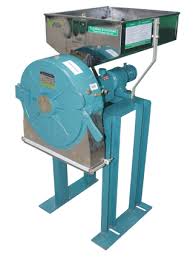
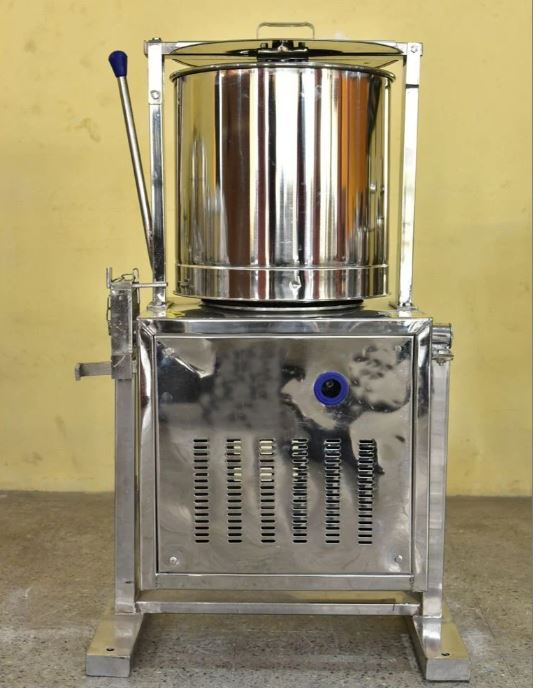
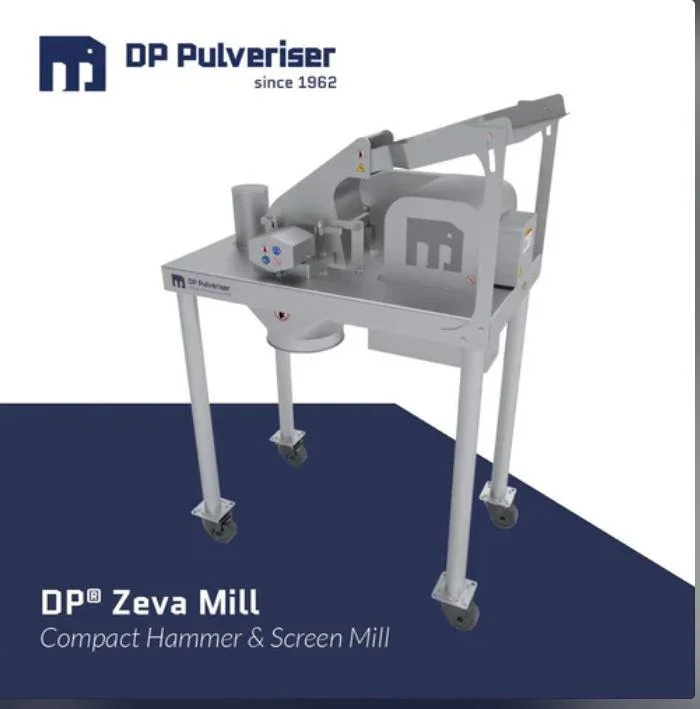

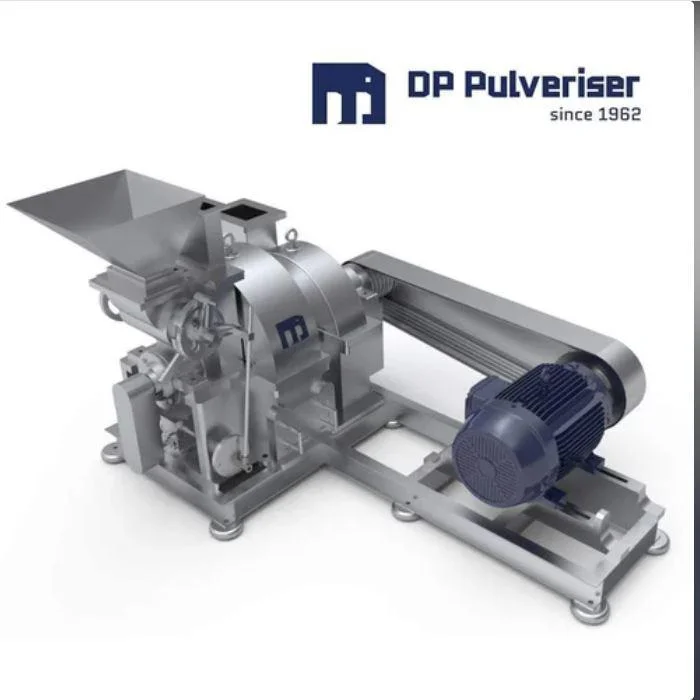
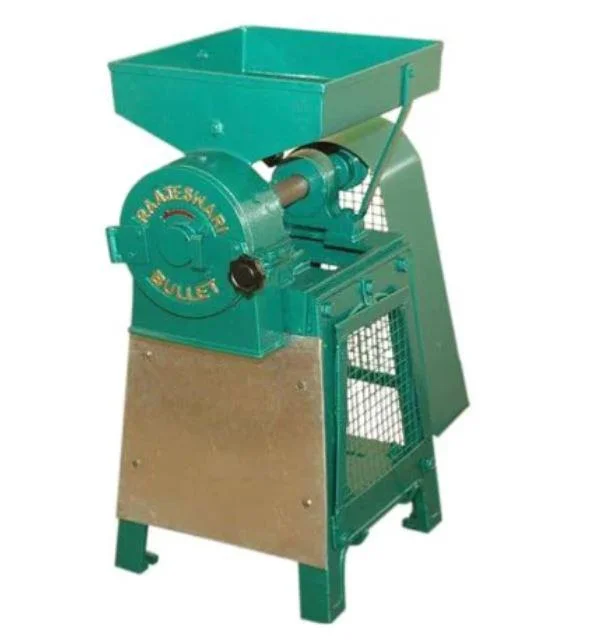
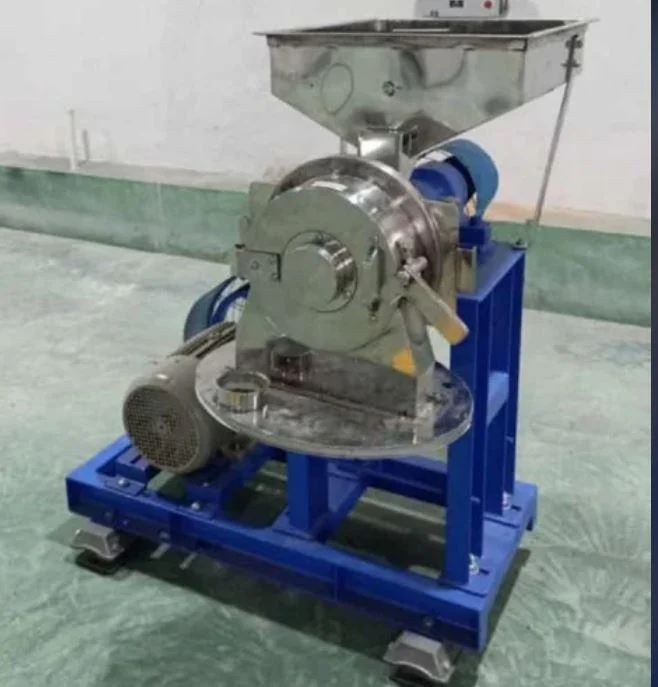
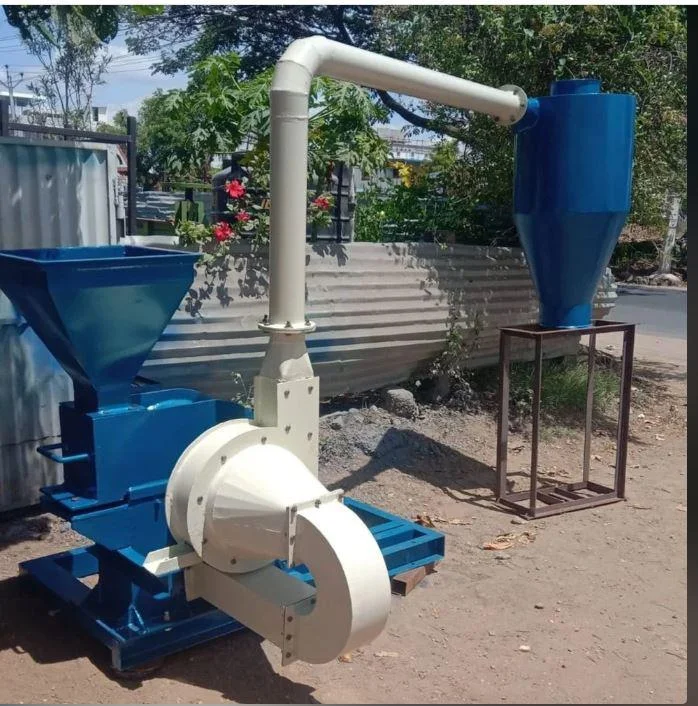
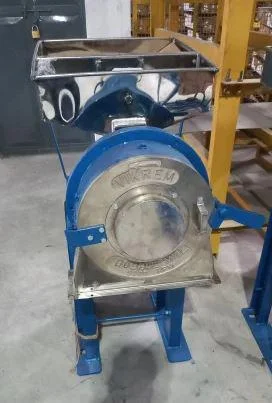

Recently Added
Arihant Engineering Corporation
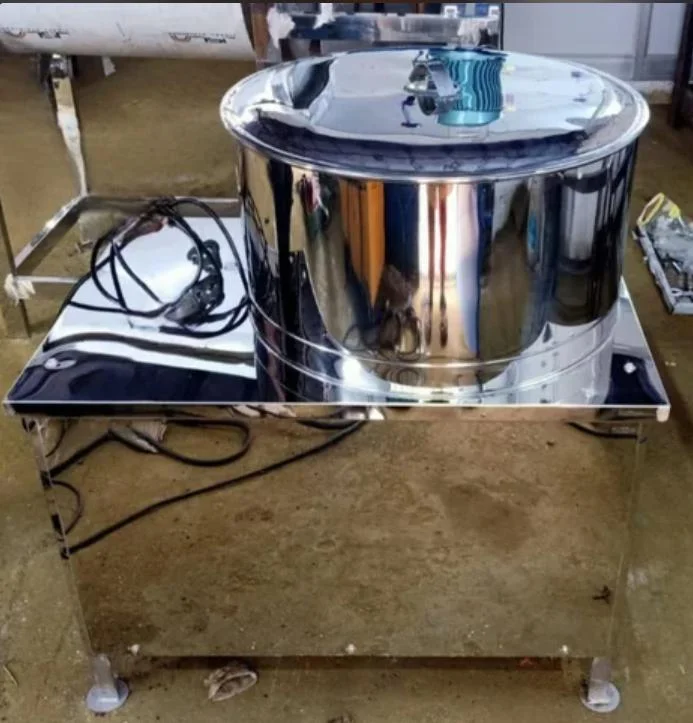
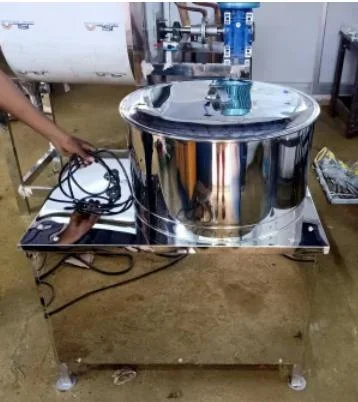
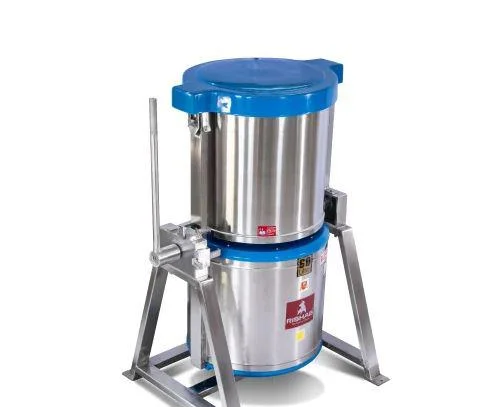
Bulk Spice Cleaning And Grinding Machine For Food Processing
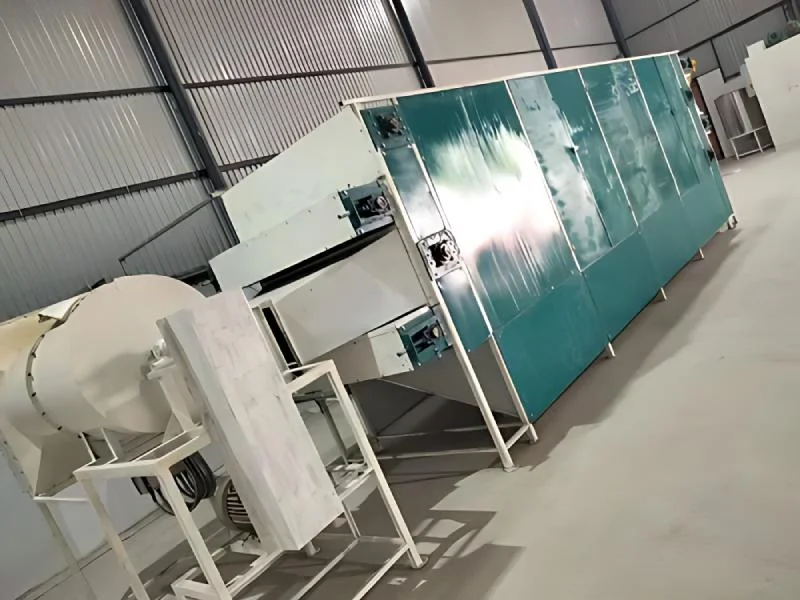
Industrial Turmeric Grinding Machine For Superfine Spice Powder Production
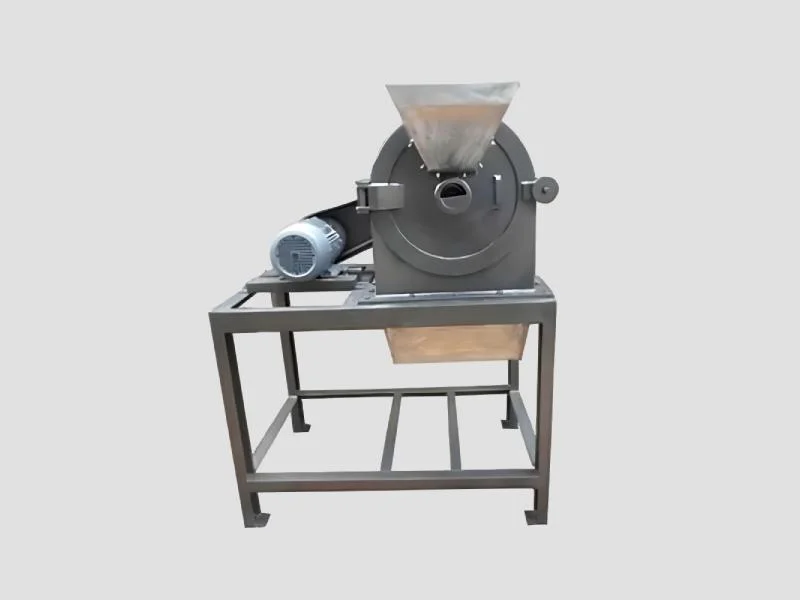
Industrial Coriander Grinding Machine For High Efficiency Spice Powder
KMK Agencies
AC Motors For Trimmers 68% Efficiency Pure Copper Ball Bearing
Industrial DC Motors For Trimmers With Pure Copper Windings
Industrial HVAC Copper Water Tube Straight Pipe Durable Standard
Honey Combb Products
Commercial Dough Kneading Machine Stainless Steel For Bakeries
Industrial Roti Making Machine For High Volume Food Production
Industrial Pulverizer Machine For Grinding And Crushing Applications
Coimbatore Kitchen Equipments Private Limited
Commercial Bain Marie Display Counter New OEM Sprayed Painting
Stainless Steel Kitchen Storage Rack Single Bowl Rectangle Durable
Food Processing Stainless Steel Coconut Scraper 1/4 HP 50 Coconuts/Hour
Kovai Lakshmi Grinders
Industrial Vegetable Cutter High Performance OEM Bulk Processing
Commercial Atta Kneader Machine For Bulk Dough Production OEM
Industrial Potato Peeler KLG 013 High Performance OEM Durable
Guru Nanak Engineering Works
Industrial Food Extrusion Machine Heavy Duty High Output Processing
Industrial Dry Fruit Roaster Machine Low Fuel High Capacity
Industrial Conveyor Belt 1 HP AC Motor 15'x3'x3.5' 250 kg Capacity
Vishwakarma Mechanical
Industrial High Speed Mixer For Pharmaceuticals Chemicals Food Cosmetics
Industrial Plastic Extruders For Pipes Profiles Sheets Manufacturing
Industrial Moulding Machines For High Performance Manufacturing
Sam Industries
Commercial Table Top Wet Grinder Chrome Polished Metered Faucets
Commercial Automatic Masala Grinder Machine Stainless Steel Multifunctional
Commercial Wet Grinder With Variable Speed And Stainless Steel Construction
Micro Pulverizer Manufacturing Works
Premium Ribbon Blender For Dry Powder Mixing In Pharmaceuticals, Food, And Chemicals
Industrial Sigma Mixer Dual Counter Rotating Blades For Viscous Materials
Industrial Micro Pulveriser MP 3 For Fine Grinding And Homogenizing
Bansi Kitchenware & Household
Commercial Manual Rotary Egg Beater Stainless Steel Blades Nylon Gears
Commercial Orange Juicer Compact High Volume Durable For Juice Bars Hotels Cafes
Commercial Kitchen Premium D.M. Stainless Steel Vegetable Knives
Why Businesses Trust Pepagora
Thousands of companies trust Pepagora to source smarter and sell faster
Expand Your Sales Globally
25000+Products listed.Get discovered by global buyers
Tools to boost visibility
Build your own catalog

Source Smarter,Grow Faster
4000+Active RFQs
100+ Countries served
Easy Sourcing Tools
