
 IN
INundefined
Green Beans
4 products available
𝗪𝗵𝗮𝘁 𝗮𝗿𝗲 𝗚𝗿𝗲𝗲𝗻 𝗕𝗲𝗮𝗻𝘀?
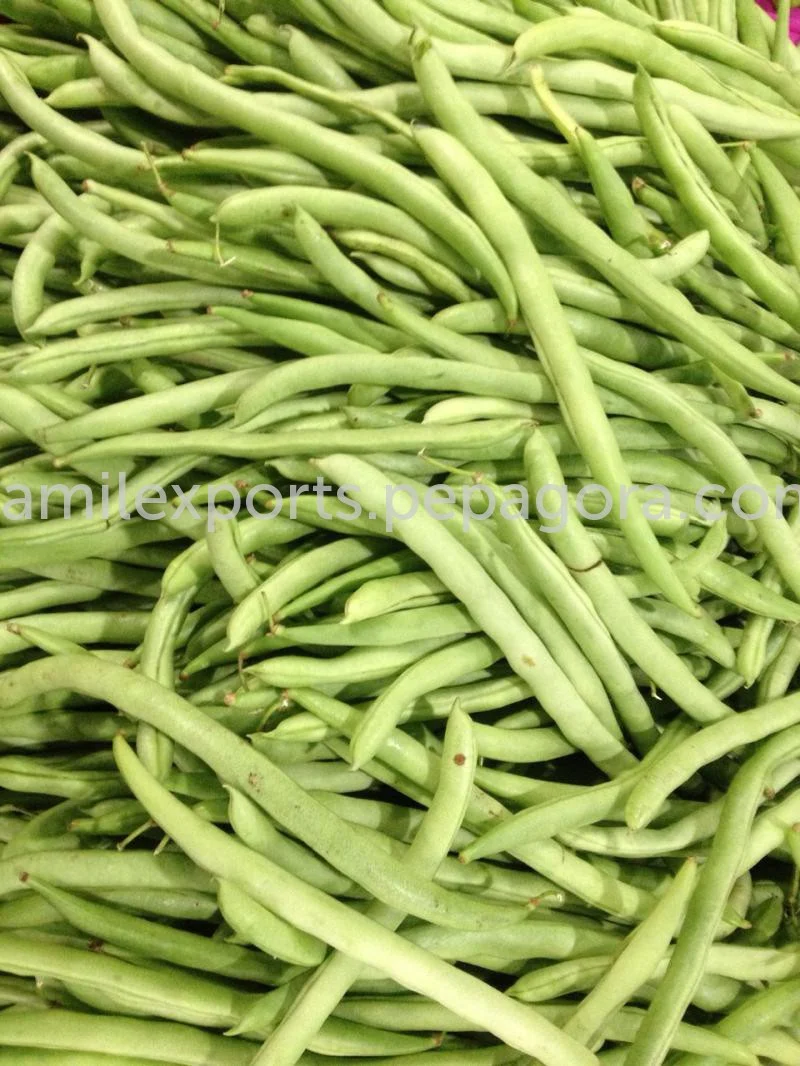
Green beans, also known as snap beans or string beans, are the unripe, young fruit of the Phaseolus vulgaris plant. They are harvested while still tender and can be eaten whole, pods and all. Green beans are popular for their crisp texture and vibrant color, making them a staple in various culinary applications. They are typically classified based on their shape and size, which can range from slender French varieties to broader, flat beans.
In the business context, green beans serve multiple purposes beyond culinary uses. They are frequently included in both fresh and processed food products, such as frozen vegetables, salads, and ready-to-eat meals. Additionally, green beans are commonly used in food service industries, including restaurants and catering services, where they are valued for their versatility and nutritional benefits. The demand for green beans has been steadily increasing, driven by a growing emphasis on healthy eating and plant-based diets.
The relevance of green beans in the agricultural and food production sectors cannot be understated. With a rising global population and a corresponding demand for sustainable food sources, green beans are increasingly recognized for their role in crop rotation and sustainable farming practices. The market for green beans continues to expand, driven by consumer preferences for fresh, nutritious produce.
𝗞𝗲𝘆 𝗙𝗲𝗮𝘁𝘂𝗿𝗲𝘀 𝗮𝗻𝗱 𝗦𝗽𝗲𝗰𝗶𝗳𝗶𝗰𝗮𝘁𝗶𝗼𝗻𝘀
Green beans come with a variety of features and specifications that make them suitable for different applications. They are typically evaluated based on factors such as size, color, and freshness. The following key specifications highlight the essential aspects of green beans.
1. Size
- Available in various lengths, often ranging from 4 to 7 inches.
- Size can affect culinary applications, with longer beans suitable for specific dishes.
2. Color
- Commonly available in green, but also found in yellow and purple varieties.
- Color can indicate freshness and quality.
3. Freshness
- Ideal for consumption within 3-5 days of harvest.
- Freshness is crucial for maintaining flavor and nutritional value.
4. Crispness
- Should have a firm texture when snapped.
- Crispness is an indicator of quality and freshness.
5. Shelf Life
- Typically lasts about one week under proper refrigeration.
- Proper storage conditions can extend shelf life.
6. Nutritional Content
- Rich in vitamins A, C, and K, as well as dietary fiber.
- Low in calories, making them a healthy food choice.
7. Packaging Options
- Available in bulk, retail packs, or processed forms.
- Packaging can vary based on intended market use.
8. Compliance and Quality Standards
- Must meet specific agricultural and food safety regulations.
- Adherence to standards like CE and HACCP is essential for market access.
In summary, green beans are recognized for their diverse applications, nutritional benefits, and quality specifications that cater to various industry needs.
𝗖𝗼𝗺𝗺𝗼𝗻 𝗔𝗽𝗽𝗹𝗶𝗰𝗮𝘁𝗶𝗼𝗻𝘀 𝗮𝗻𝗱 𝗨𝘀𝗲 𝗖𝗮𝘀𝗲𝘀
Green beans find applications across multiple industries due to their versatility and health benefits.
1. Food Service Industry: Green beans are extensively used in restaurants and catering, often featured in salads, side dishes, and meal preparations. Their vibrant color and crunch appeal to health-conscious consumers.
2. Retail Grocery: Supermarkets and grocery stores stock fresh, frozen, and canned green beans. They are marketed as a convenient and nutritious vegetable option for home cooking.
3. Food Manufacturing: Green beans are processed into frozen or canned products, providing a year-round supply. They are often included in mixed vegetable blends or ready-to-eat meals.
4. Health and Wellness: With the rise in plant-based diets, green beans are promoted for their health benefits, making them a popular choice among nutrition-focused brands.
5. Organic Farming: Increasing demand for organic produce has led to a rise in organic green bean cultivation, appealing to eco-conscious consumers.
6. Export Markets: Green beans are exported to various regions, driven by demand in international markets that seek fresh and frozen produce.
7. School and Institutional Feeding Programs: Green beans are a staple in many school lunches and institutional feeding programs due to their nutritional profile and ease of preparation.
𝗣𝗿𝗼𝗱𝘂𝗰𝘁 𝗩𝗮𝗿𝗶𝗮𝗻𝘁𝘀 𝗮𝗻𝗱 𝗦𝘂𝗯𝗰𝗮𝘁𝗲𝗴𝗼𝗿𝗶𝗲𝘀
Green beans are diverse in nature, offering various types that cater to different culinary and business needs.
French Green Beans
French green beans are known for their slender shape and tender texture. They are often preferred for gourmet dishes due to their delicate flavor and are commonly used in fine dining.
Snap Beans
Snap beans are the most common variety found in grocery stores. They are versatile and can be used in a variety of cooking methods, including steaming, sautéing, and stir-frying.
String Beans
String beans are an older variety, characterized by their tougher texture and pronounced string running along the pod. They are often used in traditional recipes and can be found in both fresh and canned forms.
𝗕𝗲𝗻𝗲𝗳𝗶𝘁𝘀 𝗮𝗻𝗱 𝗔𝗱𝘃𝗮𝗻𝘁𝗮𝗴𝗲𝘀
Green beans offer numerous benefits that make them an attractive choice for consumers and businesses alike.
1. Nutritional Value: Green beans are low in calories while being rich in essential vitamins and minerals, making them a healthy food option.
2. Versatility: Their adaptability in various recipes allows for creative culinary uses across different cuisines.
3. Sustainable Agriculture: Green beans can be grown in diverse climates and are often part of sustainable farming practices, contributing to environmental health.
4. Quick Preparation: They require minimal preparation time, making them convenient for both consumers and food service operators.
5. Cost-Effectiveness: Green beans are generally affordable, offering good value for their nutritional benefits.
6. Year-Round Availability: With advancements in agriculture and processing, green beans can be sourced throughout the year, ensuring steady supply for businesses.
𝗕𝘂𝘆𝗶𝗻𝗴 𝗚𝘂𝗶𝗱𝗲 𝗳𝗼𝗿 𝗕𝟮𝗕 𝗕𝘂𝘆𝗲𝗿𝘀
When sourcing green beans for business needs, it is essential to consider several factors to ensure quality and reliability.
1. Quality Assessment: Look for suppliers that provide detailed assessments of their green beans, including freshness and size specifications. Conducting quality checks upon receipt is also advisable.
2. Supplier Verification: Vet potential suppliers by checking their certifications, customer reviews, and industry reputation. Reliable suppliers should have experience in the food industry and adhere to safety standards.
3. Pricing and MOQ: Understand the pricing structures and minimum order quantities (MOQ) set by suppliers. Compare pricing among different vendors to ensure competitive rates.
4. Delivery and Lead Times: Discuss logistics with suppliers to establish realistic delivery schedules. Timely delivery is crucial to maintaining inventory levels and meeting customer demand.
5. Compliance Requirements: Ensure that suppliers comply with relevant agricultural and food safety regulations. This includes certifications like CE and adherence to HACCP standards.
𝗖𝗼𝗺𝗽𝗹𝗶𝗮𝗻𝗰𝗲 𝗮𝗻𝗱 𝗖𝗲𝗿𝘁𝗶𝗳𝗶𝗰𝗮𝘁𝗶𝗼𝗻𝘀
Green beans are subject to various quality standards and certifications that ensure their safety and quality for consumption.
ISO 9001 is a widely recognized international standard that outlines criteria for a quality management system. Suppliers of green beans should ideally be certified to ensure consistent quality and customer satisfaction.
HACCP (Hazard Analysis and Critical Control Points) is a preventive approach to food safety that identifies potential hazards and establishes control measures. Compliance with HACCP is essential for suppliers in the food industry, ensuring that green beans are safe for consumption.
CE certification indicates that products meet European safety, health, and environmental protection standards. For green beans, this certification may apply when exported to European markets, assuring buyers of their compliance.
Safety and testing requirements vary by region and should be verified with suppliers to ensure that green beans meet local regulations. Additionally, understanding regional compliance considerations is critical for businesses that operate in multiple markets.
𝗪𝗵𝘆 𝗦𝗼𝘂𝗿𝗰𝗲 𝗚𝗿𝗲𝗲𝗻 𝗕𝗲𝗮𝗻𝘀 𝗳𝗿𝗼𝗺 𝗣𝗲𝗽𝗮𝗴𝗼𝗿𝗮?
Pepagora serves as a trusted platform for sourcing green beans, providing several key advantages for B2B buyers.
Verified Supplier Network: Pepagora connects businesses with a verified network of suppliers, ensuring that buyers can source quality green beans with confidence. Each supplier undergoes thorough vetting to guarantee reliability.
Streamlined RFQ Process: The Request for Quotation (RFQ) system on Pepagora simplifies the purchasing process. Buyers can easily request quotes from multiple suppliers, facilitating comparisons and informed decision-making.
Trade Assurance and Support: Pepagora offers trade assurance to protect buyers in their transactions. This support instills confidence in sourcing decisions, as buyers can rely on the platform for assistance.
Regional Coverage: With a strong presence in India, the GCC, and Southeast Asia, Pepagora provides extensive geographic coverage. This allows businesses to access a wide range of green bean options and cater to diverse market needs.
Newly Added



Recently Added
LMP Exim
Premium Dry Coconut For Food Manufacturing And Confectionery
Premium Husked Coconuts For Food Processing And Retail
Bulk Premium Semi Husked Coconuts for Food and Beverage
Tamil Exports
Bulk Organic Potatoes Fresh Hygienic High Grade
Organic Fresh Sliced Carrots Hygienical Processed Long Shelf Life
Bulk Organic Fresh Young Ginger Root For Health And Food Processing
Vayalfresh Global Traders
Organic Fresh Purple Onions Medium Size 5Kg Box
Fresh Agriculture Grade Red Tomatoes In 5Kg Box Packaging
Fresh Lemons Agriculture Grade 5Kg Box Sour Citrus Fruit
Why Businesses Trust Pepagora
Thousands of companies trust Pepagora to source smarter and sell faster
Expand Your Sales Globally
25000+Products listed.Get discovered by global buyers
Tools to boost visibility
Build your own catalog

Source Smarter,Grow Faster
4000+Active RFQs
100+ Countries served
Easy Sourcing Tools
