
 IN
INundefined
Grease Pumps (Manual, Pneumatic, Electric)
11 products available
What are Grease Pumps (Manual, Pneumatic, Electric)?
Grease pumps are essential industrial tools used for the lubrication of machinery and equipment. They facilitate the efficient application of grease to critical components, ensuring optimal performance and longevity. Grease pumps come in three primary types: manual, pneumatic, and electric. Each type offers distinct advantages based on the application and operational environment. Manual grease pumps rely on human effort to dispense lubricant, while pneumatic pumps utilize compressed air for operation, and electric pumps leverage electrical power for enhanced efficiency.
These pumps are widely used across various industries, including automotive, manufacturing, and construction. In the automotive sector, grease pumps are crucial for servicing vehicles, ensuring that all moving parts function smoothly. Manufacturing facilities use them to maintain machinery, reducing downtime and increasing productivity. In the construction industry, grease pumps are essential for maintaining heavy equipment, which often operates under extreme conditions. The demand for grease pumps continues to grow as industries focus on maintenance and operational efficiency.
𝗞𝗲𝘆 𝗙𝗲𝗮𝘁𝘂𝗿𝗲𝘀 𝗮𝗻𝗱 𝗦𝗽𝗲𝗰𝗶𝗳𝗶𝗰𝗮𝘁𝗶𝗼𝗻𝘀
Grease pumps are designed with various features and specifications to meet the diverse needs of industrial applications. Understanding these specifications is crucial for selecting the right pump for your operations.
Key specifications include:
1. Type of Pump
- Manual, pneumatic, or electric
- Each type varies in operation and application suitability
2. Flow Rate
- Measurement of how much grease is dispensed over time
- Typically measured in grams per minute or liters per hour
3. Pressure Rating
- Maximum pressure the pump can handle
- Measured in PSI or bar, influencing the pump's capability to deliver grease in hard-to-reach areas
4. Reservoir Capacity
- Size of the grease storage container within the pump
- Options vary from small handheld units to larger stationary models
5. Portability
- Weight and dimensions affecting ease of transport
- Some pumps are designed for stationary use, while others are portable
6. Compatibility
- Types of grease that can be used with the pump
- Important for ensuring pump longevity and performance
7. Safety Features
- Mechanisms to prevent over-pressurization and leaks
- Enhances user safety during operation
8. Maintenance Requirements
- Frequency and type of maintenance needed to keep the pump operational
- Varies by type and brand
These specifications provide a comprehensive overview of what to expect from grease pumps, helping businesses choose the right equipment for their needs.
𝗖𝗼𝗺𝗺𝗼𝗻 𝗔𝗽𝗽𝗹𝗶𝗰𝗮𝘁𝗶𝗼𝗻𝘀 𝗮𝗻𝗱 𝗨𝘀𝗲 𝗖𝗮𝘀𝗲𝘀
Grease pumps find applications in various industries, each with specific lubrication needs.
1. Automotive: Grease pumps are used extensively for vehicle maintenance, applying lubricant to joints, bearings, and other moving parts to ensure smooth operation and reduce wear.
2. Manufacturing: In manufacturing settings, grease pumps keep machinery running efficiently by ensuring all mechanical components are adequately lubricated, minimizing downtime.
3. Construction: Heavy construction equipment relies on grease pumps for maintenance, providing necessary lubrication to extend the life of machinery operating in harsh environments.
4. Marine: Grease pumps are essential in the marine industry for maintaining ships and boats, ensuring that all moving parts are protected against corrosion and wear.
5. Agriculture: In agriculture, grease pumps are used to lubricate farm equipment, ensuring reliable performance during critical planting and harvesting seasons.
6. Mining: Mining equipment requires regular lubrication for optimal performance, making grease pumps vital in this sector for machinery maintenance.
7. Food Processing: In food processing, specialized grease pumps are used to ensure that machinery operates smoothly while adhering to hygiene standards.
𝗣𝗿𝗼𝗱𝘂𝗰𝘁 𝗩𝗮𝗿𝗶𝗮𝗻𝘁𝘀 𝗮𝗻𝗱 𝗦𝘂𝗯𝗰𝗮𝘁𝗲𝗴𝗼𝗿𝗶𝗲𝘀
Grease pumps come in various variants, each suited for different operational needs and environments.
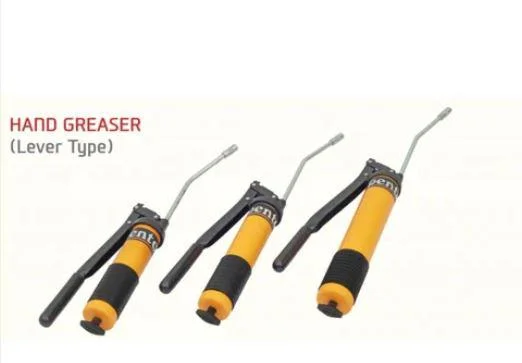
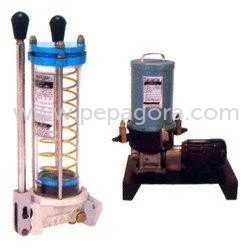
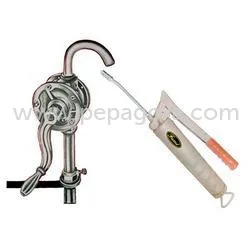
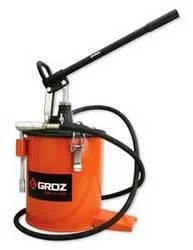
Manual Grease Pumps: These pumps are operated by hand, allowing for precise control in dispensing grease. They are ideal for small-scale applications and maintenance tasks where portability is essential.
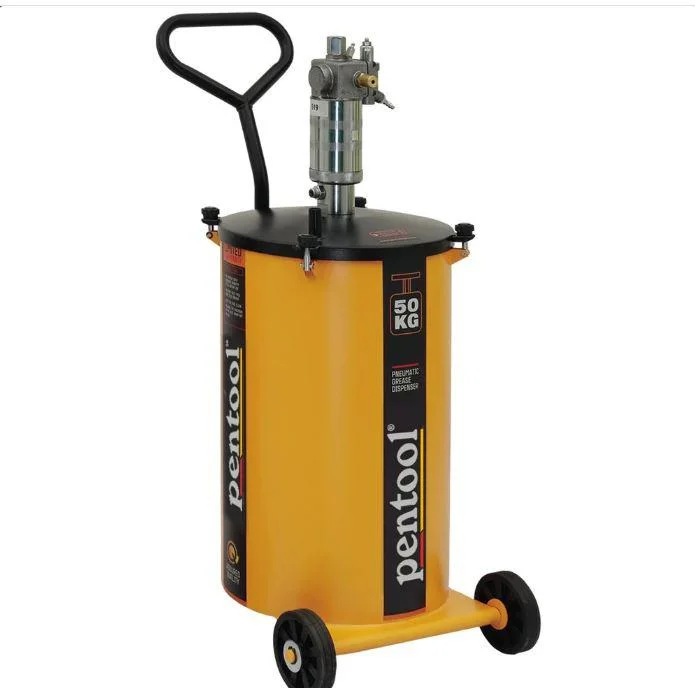
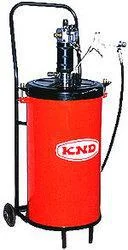
Pneumatic Grease Pumps: Utilizing compressed air, these pumps provide a powerful and efficient means of lubrication. They are suitable for industrial settings where speed and volume of grease application are priorities.
Electric Grease Pumps: These pumps operate using electrical power, offering automatic dispensing capabilities. They are ideal for high-volume applications and can be integrated into automated systems.
𝗕𝗲𝗻𝗲𝗳𝗶𝘁𝘀 𝗮𝗻𝗱 𝗔𝗱𝘃𝗮𝗻𝘁𝗮𝗴𝗲𝘀
Investing in grease pumps offers several advantages for businesses across industries.
1. Enhanced Equipment Longevity: Regular lubrication reduces wear and tear on machinery, extending the lifespan of equipment.
2. Increased Operational Efficiency: Proper lubrication minimizes friction, allowing machines to operate more smoothly and efficiently.
3. Improved Safety: Adequate lubrication reduces the risk of machinery failure, enhancing workplace safety.
4. Time Savings: Automated and efficient grease application saves time during maintenance tasks, allowing personnel to focus on other critical operations.
5. Cost-Effective Maintenance: By preventing breakdowns and prolonging equipment life, grease pumps can lead to significant cost savings in repairs and replacements.
6. Versatility: With options for manual, pneumatic, and electric pumps, businesses can choose the best solution for their specific lubrication needs.
𝗕𝘂𝘆𝗶𝗻𝗴 𝗚𝘂𝗶𝗱𝗲 𝗳𝗼𝗿 𝗕𝟮𝗕 𝗕𝘂𝘆𝗲𝗿𝘀
When sourcing grease pumps, it is important for buyers to consider several factors to ensure they select the right product for their needs.
1. Quality Assessment: Evaluate the quality of the pump based on materials, construction, and brand reputation. Look for products that meet industry standards.
2. Supplier Verification: Conduct thorough research on potential suppliers to confirm their reliability and track record in the industry.
3. Pricing and MOQ: Understand the pricing structure and minimum order quantities to align your budget with your purchasing needs.
4. Delivery and Lead Times: Discuss logistics and expected delivery times to ensure timely receipt of equipment for maintenance schedules.
5. Compliance Requirements: Ensure that the pumps meet any relevant safety and regulatory standards specific to your industry, such as CE certification.
𝗖𝗼𝗺𝗽𝗹𝗶𝗮𝗻𝗰𝗲 𝗮𝗻𝗱 𝗖𝗲𝗿𝘁𝗶𝗳𝗶𝗰𝗮𝘁𝗶𝗼𝗻𝘀
Grease pumps must adhere to various compliance and certification standards to ensure safety and reliability in industrial applications.
ISO 9001 is a quality management standard that emphasizes consistent quality in products and services. Manufacturers of grease pumps should adhere to this standard to assure buyers of their commitment to quality.
CE certification is required for products sold in the European market, indicating that the pump meets essential health, safety, and environmental protection requirements.
Safety and testing requirements are crucial for ensuring that grease pumps operate effectively without posing risks to users. Compliance with these standards is essential for both manufacturers and end-users.
Regional compliance considerations may also apply, particularly for businesses operating in multiple countries. Buyers should check local regulations to ensure that the chosen grease pump complies with all necessary standards.
Why Source Grease Pumps (Manual, Pneumatic, Electric) from Pepagora?
Pepagora offers a trusted platform for sourcing grease pumps, providing various advantages that streamline your purchasing process.
Verified Supplier Network: Pepagora connects buyers with a network of verified suppliers, ensuring that all listed products meet high-quality standards. This reduces the risks associated with sourcing equipment.
Streamlined RFQ Process: The request for quotation process on Pepagora is designed to be user-friendly, allowing buyers to easily compare prices and specifications from multiple suppliers, saving time and effort.
Trade Assurance and Support: Pepagora provides trade assurance that protects buyers throughout the purchasing process. This includes support for any issues that may arise post-purchase.
Regional Coverage: With a strong presence in India, the GCC, and Southeast Asia, Pepagora ensures that businesses across these regions can access quality grease pumps tailored to their operational needs.
Newly Added



Recently Added
Vtwo Associates
Durable Non Woven Shopping Bags For Retail Packaging
Multicolor Labels For Product Branding And Compliance
Industrial Cat M Vice Lubrication Tools For Heavy Machinery
Multilub Systems
Industrial Fluid Systems Precision Manifolds For Metering Injectors
Industrial Precision Metering Injectors For Accurate Chemical Dosing
Industrial Metering Injectors For Precise Fluid Dosing And Efficiency
Metal Bond (India)
Industrial Worm Helical Gearboxes High Torque Power Transmission
Industrial Power Tools Hardened Alloy Steel Gears Durable Performance
Industrial Electric Motors 230V 50Hz Totally Enclosed Dustproof
No.1 Hydraulics
Textile Industry Hydraulic Cotton Baling Press Machine With Direction Control Valves
Coir Processing Heavy Duty Baling Press Machine High Density Energy Efficient
Recycling Scrap Baling Press Machine For Metal Plastic Paper Waste
The KND Tool & Equipment Company
Industrial High Pressure Triplex Pump 12 LPM 22 kg/cm2 1 HP Motor
Industrial Motorised Hydraulic Pressure Test Pump for High Precision Safety
Automotive Workshop Heavy Duty Hydraulic Jack 4 20 Ton Capacity
Auto Mat Lub System
Industrial Fluid Systems Premium Straight Connectors M6 M8 M10 BSP UNF
Industrial Electrical Connector Blocks For Secure Wiring Applications
Industrial Elbow Blocks For Right Angle Tube Connections In Tight Spaces
Delux Engineering Industries
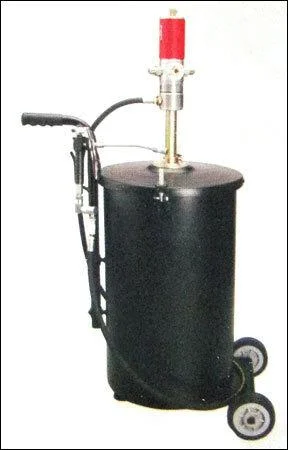
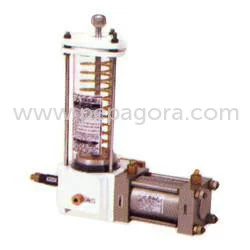
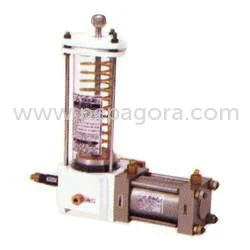
Industrial Grease Pumps For Efficient Lubrication And Long Life
Premium Activated Carbon Filters For Compressed Air Systems
Industrial Compressor Air Receivers Horizontal Vertical Premium Quality
PC Pumps & Systems
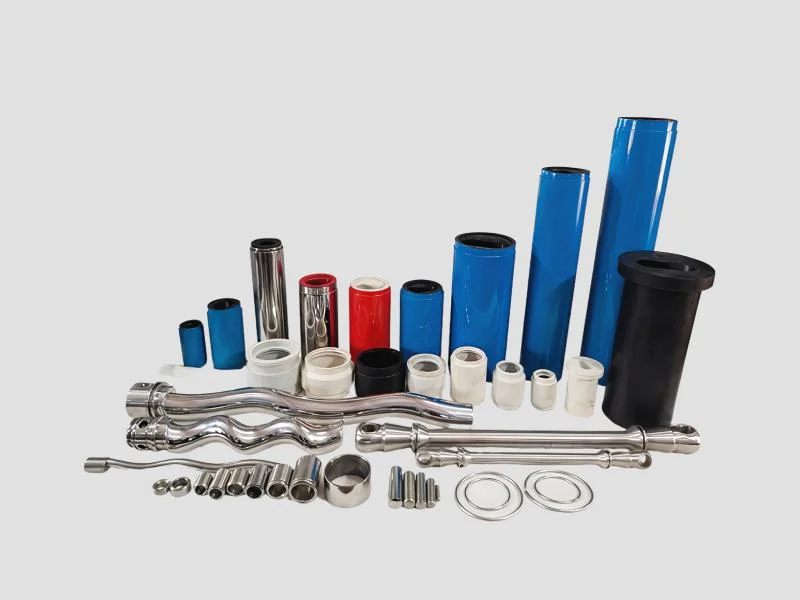
Industrial Screw Pump For Viscous Fluids Oils Slurries Low Pulsation Flow
Sanitary Progressive Cavity Pump For Food Pharma SS316/SS304 CIP/SIP
Industrial Progressive Cavity Pump For High Viscosity Fluids And Abrasive Slurries
Penta Auto Equipments Pvt Ltd
Heavy Duty Hydraulic Bottle Jack 100 Ton Lifting Capacity Steel Construction
Industrial Pneumatic Grease Dispenser 50kg High Volume Air Powered Lubrication
Industrial Manual Grease Pump 5kg 2000 PSI For Machinery Automotive
Why Businesses Trust Pepagora
Thousands of companies trust Pepagora to source smarter and sell faster
Expand Your Sales Globally
25000+Products listed.Get discovered by global buyers
Tools to boost visibility
Build your own catalog

Source Smarter,Grow Faster
4000+Active RFQs
100+ Countries served
Easy Sourcing Tools
