
 IN
INundefined
Graphite Molds
14 products available
𝗪𝗵𝗮𝘁 𝗮𝗿𝗲 𝗚𝗿𝗮𝗽𝗵𝗶𝘁𝗲 𝗠𝗼𝗹𝗱𝘀?
Graphite molds are specialized tools used in various industrial applications for casting metals and other materials. Made from high-purity graphite, these molds are designed to withstand high temperatures and provide excellent thermal conductivity. Their unique properties allow them to retain heat effectively while also offering resistance to thermal shock. This makes graphite molds an ideal choice for processes that require precise temperature control and consistency.
The primary uses of graphite molds include the production of complex shapes and components in industries such as metallurgy, jewelry making, and electronics. They are utilized for casting materials like aluminum, copper, and other non-ferrous metals. Businesses that require high-quality casting processes benefit from the efficiency and reliability that graphite molds provide. As industries continue to advance, the relevance of graphite molds only grows, with increasing demand for precision engineering and high-performance materials.
In the current market, graphite molds are recognized for their essential role in modern manufacturing. As companies strive to improve productivity and reduce costs, the adoption of advanced materials like graphite is becoming more prevalent. This trend is particularly evident in sectors that prioritize quality and efficiency, leading to a greater focus on sourcing high-quality graphite molds.
𝗞𝗲𝘆 𝗙𝗲𝗮𝘁𝘂𝗿𝗲𝘀 𝗮𝗻𝗱 𝗦𝗽𝗲𝗰𝗶𝗳𝗶𝗰𝗮𝘁𝗶𝗼𝗻𝘀
Graphite molds come with a variety of features and specifications that enhance their performance and usability. Understanding these specifications is crucial for businesses looking to make informed purchasing decisions.
Key specifications include:
1. Thermal Conductivity
- High thermal conductivity ensures efficient heat transfer during the casting process.
- Typically ranges from 100 to 150 W/mK.
2. Temperature Resistance
- Capable of withstanding extreme temperatures without deformation.
- Often rated for use at temperatures exceeding 3000 degrees Fahrenheit.
3. Customizable Shapes
- Molds can be tailored to meet specific shape and size requirements.
- Flexibility in design supports complex geometries.
4. Surface Finish
- Smooth surface finishes reduce defects in cast products.
- Available in various surface textures based on application needs.
5. Durability
- High wear resistance ensures long-lasting performance.
- Resistant to cracking or chipping under stress.
6. Lightweight Design
- Reduced weight makes handling and installation easier.
- Facilitates quicker setup times for production runs.
7. Non-Stick Properties
- Graphite's natural non-stick characteristics minimize material adhesion.
- Enhances the ease of mold release after casting.
In summary, the features and specifications of graphite molds make them a critical component in various industrial applications. Their high thermal conductivity, customizable designs, and durability contribute to improved efficiency and product quality.
𝗖𝗼𝗺𝗺𝗼𝗻 𝗔𝗽𝗽𝗹𝗶𝗰𝗮𝘁𝗶𝗼𝗻𝘀 𝗮𝗻𝗱 𝗨𝘀𝗲 𝗖𝗮𝘀𝗲𝘀
Graphite molds serve a wide range of industries, each benefiting from their unique properties.
1. Metallurgy: Graphite molds are extensively used for metal casting, particularly in the production of aluminum and copper alloys. Their ability to withstand high temperatures makes them ideal for this application.
2. Jewelry Manufacturing: In the jewelry industry, graphite molds are employed for casting intricate designs. The precision and detail achievable with these molds are essential for high-quality jewelry pieces.
3. Electronics: The electronics sector utilizes graphite molds for manufacturing components such as capacitors and resistors. The molds facilitate the production of complex shapes necessary for modern electronic devices.
4. Aerospace: In aerospace applications, graphite molds are used for casting lightweight yet strong components. Their thermal stability is crucial for parts that experience extreme conditions.
5. Automotive: The automotive industry relies on graphite molds for the production of engine components and other critical parts, ensuring high performance and reliability.
6. Medical Devices: Graphite molds are increasingly being used for casting parts in medical devices. Their precision and biocompatibility are vital for applications in healthcare.
7. Renewable Energy: In renewable energy sectors, graphite molds are utilized for manufacturing components for wind turbines and solar panels, supporting the shift towards sustainable energy solutions.
𝗣𝗿𝗼𝗱𝘂𝗰𝘁 𝗩𝗮𝗿𝗶𝗮𝗻𝘁𝘀 𝗮𝗻𝗱 𝗦𝘂𝗯𝗰𝗮𝘁𝗲𝗴𝗼𝗿𝗶𝗲𝘀
Graphite molds come in various forms to cater to specific industry needs, showcasing their versatility.
Standard Graphite Molds
These molds are designed for general casting applications. They offer a balance of thermal conductivity and durability, making them suitable for a variety of materials and industries.
High-Performance Graphite Molds
Engineered for extreme conditions, these molds can handle higher temperatures and provide superior wear resistance. They are ideal for industries such as aerospace and automotive, where precision is crucial.
Customized Graphite Molds
Tailored to meet specific design requirements, these molds can be produced in unique shapes and sizes. They are often used in specialized applications where standard molds do not suffice.
𝗕𝗲𝗻𝗲𝗳𝗶𝘁𝘀 𝗮𝗻𝗱 𝗔𝗱𝘃𝗮𝗻𝘁𝗮𝗴𝗲𝘀
Graphite molds offer numerous advantages that enhance their value in industrial applications.
1. High Efficiency: Graphite molds provide excellent thermal conductivity, which leads to faster cooling rates and shorter cycle times in casting processes.
2. Cost-Effective: The durability and longevity of graphite molds reduce the need for frequent replacements, resulting in cost savings for businesses.
3. Precision Engineering: Their ability to maintain tight tolerances ensures high-quality castings, which is essential for industries requiring exact specifications.
4. Versatility: Graphite molds can be used for a wide range of materials and applications, making them suitable for diverse industries.
5. Low Maintenance: Graphite molds require minimal maintenance compared to other mold materials, allowing for more consistent production with less downtime.
6. Environmentally Friendly: The use of graphite molds can reduce waste and energy consumption in casting processes, contributing to more sustainable manufacturing practices.
𝗕𝘂𝘆𝗶𝗻𝗴 𝗚𝘂𝗶𝗱𝗲 𝗳𝗼𝗿 𝗕𝟮𝗕 𝗕𝘂𝘆𝗲𝗿𝘀
When sourcing graphite molds, several factors should be taken into account to ensure the best purchasing decision.
1. Quality Assessment: Evaluate the quality of graphite materials used in the molds. Look for suppliers who adhere to high manufacturing standards and offer product samples for inspection.
2. Supplier Verification: Vet potential suppliers by checking their credentials, customer reviews, and industry reputation. This helps ensure reliability and product quality.
3. Pricing and MOQ: Understand the pricing structure and minimum order quantities (MOQ) offered by suppliers. This will aid in budgeting and planning for production needs.
4. Delivery and Lead Times: Consider the delivery options and lead times provided by suppliers. Timely delivery is critical for maintaining production schedules.
5. Compliance Requirements: Ensure that the molds meet relevant industry regulations and standards. This includes checking for certifications such as CE to guarantee safety and quality.
𝗖𝗼𝗺𝗽𝗹𝗶𝗮𝗻𝗰𝗲 𝗮𝗻𝗱 𝗖𝗲𝗿𝘁𝗶𝗳𝗶𝗰𝗮𝘁𝗶𝗼𝗻𝘀
Graphite molds must adhere to several relevant quality standards to ensure they meet industry requirements. Compliance with ISO 9001 indicates a commitment to quality management systems, ensuring consistent product quality and customer satisfaction.
Additionally, certifications such as CE signify that the molds conform to European safety and health requirements, which is crucial for industries operating in regulated markets.
Safety and testing requirements should also be considered during the sourcing process. Molds should undergo rigorous testing to ensure they can withstand high temperatures and prevent material failure.
Regional compliance considerations may vary based on the market. It is essential for businesses to understand the specific regulations that apply to their industry and region when sourcing graphite molds.
𝗪𝗵𝘆 𝗦𝗼𝘂𝗿𝗰𝗲 𝗚𝗿𝗮𝗽𝗵𝗶𝘁𝗲 𝗠𝗼𝗹𝗱𝘀 𝗳𝗿𝗼𝗺 𝗣𝗲𝗽𝗮𝗴𝗼𝗿𝗮?
Pepagora offers a trusted platform for sourcing graphite molds, providing several key advantages to B2B buyers.
Verified Supplier Network: Pepagora connects buyers with a network of verified suppliers. This ensures that businesses can source high-quality graphite molds from reputable manufacturers.
Streamlined RFQ Process: The platform features a streamlined request for quotation (RFQ) system. This allows buyers to easily compare prices and specifications from multiple suppliers, facilitating informed decision-making.
Trade Assurance and Support: Buyers benefit from trade assurance measures that protect their investments. Pepagora provides support throughout the sourcing process, ensuring smooth transactions and reliable product delivery.
Regional Coverage: With a strong presence in India, the GCC, and Southeast Asia, Pepagora provides extensive regional coverage. This allows businesses to access local suppliers and meet their specific market needs efficiently.
Newly Added


Recently Added
Bharat Engineering Works
Ferro Silicon Alloy For Steel Deoxidation And Cast Iron Inoculation
Heavy Machinery Counterweights for Cranes, Tractors, Elevators
Industrial Cast Iron Center Columns For Heavy Duty Machinery
Carbotech Engineers
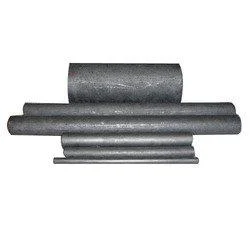
Industrial Graphite Blocks For EDM Furnace Metal Processing
Premium Graphite Dies For Continuous Casting In Metal Production
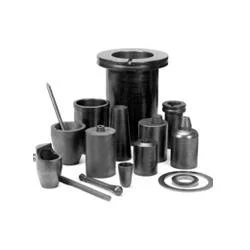
Industrial Graphite Molds For Diamond Tool Manufacturing And Pressure Sintering
Ace Carbon Products
Industrial Motor Carbon Brush Holders Durable Reliable Performance
Industrial Carbon Brushes For Motors Generators Power Tools
Industrial Jewel Assembling Machine Precision Carbon V Blocks For Axle Support
Bhuvneshvari Industries
Power Loom Spares Crankwheels, Tappet Wheels, Bevel Gears
Industrial SG Castings High Grade Materials Flawless Performance
Premium Graded CI Castings Durable Industrial Automotive Construction
Balaji Enterprises Krishna & Co
Industrial Oil Fired Furnace For Metal Melting 500kg Durable
Industrial Bread Gas Furnace For Bakeries With Precise Temperature Control
Industrial Electro Plating Plants For Metal Finishing In Automotive Aerospace Electronics
VS Industries
Industrial CNC Machining Fabrication Services With Long Life
Industrial Self Priming Hose Pump Spares Heavy Duty Compact Long Life
Industrial CNC Machined Steel Middle Parts For Automotive Machinery
Momai Marketing Pvt Ltd
Premium Nozzle Ladle Sleeves For Steel And Foundry Industries
Industrial Ladle Sleeves For High Temperature Electrical Applications
Industrial Bottom Pouring Set For Steel Foundry IS:6 IS:8 Standards
Adithya Enterprises
Kutch Bentonite Powder For Drilling And Casting Oil Applications
Industrial Fire Bricks Red Thin Solid Autoclaved Concrete OEM
Premium Ferro Alloys Powder Irregular Grey Ca Fe For Steel Manufacturing
Viva Caster Pvt Ltd
Industrial Horizontal Die Casting Machines For Brass Bronze Copper Tubes
Industrial Horizontal Continuous Casting Machine For Bronze Copper Brass Tubes
Industrial Horizontal Continuous Casting Machine For Brass Copper Alloy Wire
Alucraft Technologies
Industrial Aluminium Casting Scrap For Remelting Manufacturing
Premium Aluminum Gravity Pressure Die Casting Parts For Automotive Aerospace
Industrial Brass Honey Scrap High Purity For Foundry Automotive
Why Businesses Trust Pepagora
Thousands of companies trust Pepagora to source smarter and sell faster
Expand Your Sales Globally
25000+Products listed.Get discovered by global buyers
Tools to boost visibility
Build your own catalog

Source Smarter,Grow Faster
4000+Active RFQs
100+ Countries served
Easy Sourcing Tools
