
 IN
INundefined
Gluten-Free Millets
7 products available
𝗪𝗵𝗮𝘁 𝗮𝗿𝗲 𝗚𝗹𝘂𝘁𝗲𝗻-𝗙𝗿𝗲𝗲 𝗠𝗶𝗹𝗹𝗲𝘁𝘀?
Gluten-Free Millets are small-seeded grains that are naturally free from gluten, making them a suitable option for individuals with gluten sensitivities or celiac disease. These grains are part of a group of ancient cereals that have been cultivated for thousands of years. Millets are known for their high nutritional value, including protein, fiber, vitamins, and minerals. They are also versatile in their culinary applications, making them a popular choice in various diets.
In the B2B landscape, Gluten-Free Millets are increasingly used in food production, particularly in the manufacturing of gluten-free products such as snacks, flours, and cereals. Their growing popularity aligns with the rising demand for gluten-free diets among consumers. Businesses in the health food sector, restaurants, and catering services are incorporating millets into their offerings to meet this demand. The market for gluten-free products continues to expand, driven by health trends and increased awareness of gluten-related disorders.
The relevance of Gluten-Free Millets in today's market cannot be overstated. With the global gluten-free food market projected to grow significantly, millets present a valuable opportunity for businesses to diversify their product lines. As consumers seek healthier options, millets offer a nutritious alternative that aligns with dietary preferences, making them a key ingredient in the food industry.
𝗞𝗲𝘆 𝗙𝗲𝗮𝘁𝘂𝗿𝗲𝘀 𝗮𝗻𝗱 𝗦𝗽𝗲𝗰𝗶𝗳𝗶𝗰𝗮𝘁𝗶𝗼𝗻𝘀
Gluten-Free Millets possess several key features that make them an attractive option for food manufacturers and consumers alike. These grains are not only gluten-free but also rich in essential nutrients. They come in various forms, including whole grains, flour, and processed products, allowing for diverse applications in the food sector.
Key specifications include:
1. Nutritional Content
- High in protein, fiber, and essential vitamins
- Low glycemic index, promoting better blood sugar control
2. Versatility in Cooking
- Can be used in various dishes such as porridge, salads, and baked goods
- Suitable for both sweet and savory applications
3. Shelf Life
- Typically have a long shelf life when stored properly
- Stability against spoilage, making them ideal for bulk supply
4. Processing Options
- Available in whole grain, flour, and puffed forms
- Can be processed to create gluten-free snacks and cereals
5. Allergen-Free
- Naturally free from gluten, making them safe for those with gluten intolerance
- Low allergenic potential compared to other grains
6. Organic Availability
- Can be sourced from organic farms, appealing to health-conscious consumers
- Certification options available for organic products
7. Cultural Significance
- Used in traditional diets across various cultures, enhancing market appeal
- Known for their historical significance in regions where they are cultivated
In summary, Gluten-Free Millets are a nutrient-rich option for various culinary applications, providing businesses with opportunities to cater to the growing gluten-free market.
𝗖𝗼𝗺𝗺𝗼𝗻 𝗔𝗽𝗽𝗹𝗶𝗰𝗮𝘁𝗶𝗼𝗻𝘀 𝗮𝗻𝗱 𝗨𝘀𝗲 𝗖𝗮𝘀𝗲𝘀
Gluten-Free Millets are suitable for a wide range of industries, each finding unique applications for these grains.
1. Food Manufacturing: Used to produce gluten-free flours, snacks, and breakfast cereals. Manufacturers are incorporating millets to enhance the nutritional profile of their products.
2. Health Food Sector: Popular in health-conscious consumer products, millets are often found in protein bars, smoothies, and meal replacement options.
3. Catering Services: Restaurants and catering companies use millets to create gluten-free dishes, appealing to customers with dietary restrictions.
4. Bakery Industry: Millets serve as an alternative to wheat flour in baking, allowing for gluten-free bread, cakes, and pastries.
5. Organic Food Products: Millets are frequently featured in organic food lines, attracting consumers who prioritize natural and healthy ingredients.
6. Nutraceuticals: Used in dietary supplements and functional foods due to their high nutritional value and health benefits.
7. Export Markets: Increasing demand in international markets for gluten-free products provides opportunities for export businesses to incorporate millets into their offerings.
𝗣𝗿𝗼𝗱𝘂𝗰𝘁 𝗩𝗮𝗿𝗶𝗮𝗻𝘁𝘀 𝗮𝗻𝗱 𝗦𝘂𝗯𝗰𝗮𝘁𝗲𝗴𝗼𝗿𝗶𝗲𝘀
Gluten-Free Millets come in various forms that cater to different needs and preferences in the market.
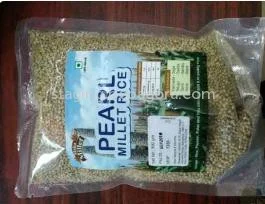
Pearl Millet
Pearl millet is a widely cultivated variety known for its rich nutrient profile. It is often used in flour production and can be utilized in traditional dishes such as porridge and flatbreads.
Foxtail Millet
Foxtail millet is recognized for its quick cooking time and versatility. It is commonly used in salads, side dishes, and as a rice substitute, making it a popular choice among health-conscious consumers.
Finger Millet
Finger millet, also known as ragi, is rich in calcium and iron. It is often used to make traditional beverages and snacks and is increasingly being incorporated into health foods.
Proso Millet
Proso millet is a smaller grain that cooks quickly and is often used in breakfast cereals and snack foods. Its mild flavor makes it a versatile ingredient for various culinary applications.
𝗕𝗲𝗻𝗲𝗳𝗶𝘁𝘀 𝗮𝗻𝗱 𝗔𝗱𝘃𝗮𝗻𝘁𝗮𝗴𝗲𝘀
Gluten-Free Millets offer several advantages that can benefit both manufacturers and consumers.
1. Nutritional Benefits: Rich in essential nutrients, millets support overall health and well-being.
2. Gluten-Free: Naturally free from gluten, millets are safe for individuals with gluten intolerance or celiac disease.
3. Versatile Usage: Can be used in a wide range of recipes, from savory to sweet, enhancing menu diversity.
4. Sustainable Crop: Millets are resilient and require less water, making them an environmentally friendly choice.
5. Longer Shelf Life: When stored correctly, they maintain their freshness and nutritional value over extended periods.
6. Cultural Acceptance: Millets are traditional grains in many cultures, making them appealing to various consumer demographics.
𝗕𝘂𝘆𝗶𝗻𝗴 𝗚𝘂𝗶𝗱𝗲 𝗳𝗼𝗿 𝗕𝟮𝗕 𝗕𝘂𝘆𝗲𝗿𝘀
When sourcing Gluten-Free Millets, B2B buyers should consider several important factors to ensure they are making informed decisions.
1. Quality Assessment: Evaluate the quality of millets based on factors such as freshness, nutritional content, and absence of contaminants. Request samples for testing before bulk orders.
2. Supplier Verification: Verify suppliers through background checks, certifications, and reviews. Ensure they comply with food safety standards and regulations.
3. Pricing and MOQ: Understand the pricing structure and minimum order quantities (MOQ) to manage budgets effectively. Compare prices across different suppliers to find competitive rates.
4. Delivery and Lead Times: Discuss logistics with suppliers, including delivery schedules and lead times. Ensure they can meet your demand without compromising quality.
5. Compliance Requirements: Be aware of local and international regulations governing gluten-free products. Ensure suppliers provide necessary certifications and documentation.
𝗖𝗼𝗺𝗽𝗹𝗶𝗮𝗻𝗰𝗲 𝗮𝗻𝗱 𝗖𝗲𝗿𝘁𝗶𝗳𝗶𝗰𝗮𝘁𝗶𝗼𝗻𝘀
Gluten-Free Millets must adhere to various compliance and certification standards to ensure safety and quality.
Relevant quality standards include ISO 9001, which focuses on quality management systems, and HACCP, which is essential for identifying and controlling food safety hazards. These certifications help ensure that millets are produced under strict quality controls.
Industry certifications such as CE are also important, particularly for products intended for export. Compliance with these standards ensures that the products meet the safety and regulatory requirements of different markets.
Additionally, safety and testing requirements must be met to prevent contamination and ensure the grains are free from harmful substances. Regular testing for quality assurance is crucial.
Regional compliance considerations can vary, so it is important for buyers to be aware of specific regulations in their target markets. This may include labeling requirements, allergen declarations, and nutritional information.
𝗪𝗵𝘆 𝗦𝗼𝘂𝗿𝗰𝗲 𝗚𝗹𝘂𝘁𝗲𝗻-𝗙𝗿𝗲𝗲 𝗠𝗶𝗹𝗹𝗲𝘁𝘀 𝗳𝗿𝗼𝗺 𝗣𝗲𝗽𝗮𝗴𝗼𝗿𝗮?
Pepagora offers a trusted platform for sourcing Gluten-Free Millets, providing several key advantages for B2B buyers.
Verified Supplier Network: Pepagora connects buyers with verified suppliers who meet stringent quality and safety standards. This ensures that buyers can source high-quality millets with confidence.
Streamlined RFQ Process: The platform features an efficient request for quotation (RFQ) process, allowing buyers to receive competitive quotes from multiple suppliers quickly. This simplifies the procurement process and saves time.
Trade Assurance and Support: Pepagora provides trade assurance to protect buyers against potential issues during transactions. Dedicated support is available to assist buyers throughout the sourcing process.
Regional Coverage: With a broad geographic reach, Pepagora connects buyers to suppliers across India, the GCC, and Southeast Asia. This facilitates access to a diverse range of Gluten-Free Millets, catering to various market demands.
Newly Added




Recently Added
SVMA Exports
Organic Refined Rice Bran Oil Vacuum Packed For Cooking
Bulk Raw Cashew Nuts Dried High Protein Magnesium Food Industry
Premium Sesame Seeds For Baking And Food Manufacturing High In Iron
GANESH AGRO FOODS
Premium Indian Black Sesame Seeds Machine Cleaned 99% Purity
Premium Groundnut Bold Peanuts 38/42 50/60 60/70 Grades Low Aflatoxin
Premium Indian Mustard Seeds 99% Purity Machine Cleaned
Simply Organics
Organic Flax Seed Powder Rich in Omega 3s, Fiber, Antioxidants
Premium Organic Kokum Powder For Food, Beverage & Cosmetic Industries
Organic Tulsi Powder For Immunity Support And Stress Relief
Orion Health Biotech
Intex Matrix Life Saving Drugs For Emergency Critical Care
Pharmaceutical Anti Cancer Drugs Injections Tablets Capsules
Intex Matrix HIV Drugs Antiretroviral Therapy Viral Suppression
NV Aroma
Turmeric Powder Fine Ground Natural Cooking Spice 50g NV Aroma House
Red Chilli Powder Cooking Spice Ingredient 100g NV Aroma House
Rasam Spice Powder South Indian Soup Mix 50g NV Aroma House
Why Businesses Trust Pepagora
Thousands of companies trust Pepagora to source smarter and sell faster
Expand Your Sales Globally
25000+Products listed.Get discovered by global buyers
Tools to boost visibility
Build your own catalog

Source Smarter,Grow Faster
4000+Active RFQs
100+ Countries served
Easy Sourcing Tools
