
 IN
INundefined
Glass Bottles for Packaging
3 products available
𝗪𝗵𝗮𝘁 𝗮𝗿𝗲 𝗚𝗹𝗮𝘀𝘀 𝗕𝗼𝘁𝘁𝗹𝗲𝘀 𝗳𝗼𝗿 𝗣𝗮𝗰𝗸𝗮𝗴𝗶𝗻𝗴?
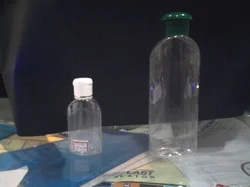
Glass bottles for packaging are containers made from glass that are primarily used for storing, preserving, and transporting various products. They are known for their durability, non-reactive nature, and ability to maintain the integrity of the contents. Glass bottles come in various shapes and sizes, making them suitable for a wide range of applications.
These bottles are commonly utilized in industries such as food and beverage, pharmaceuticals, cosmetics, and chemicals. In the food and beverage sector, glass bottles are often used for juices, sauces, and alcoholic beverages due to their ability to preserve flavor and prevent contamination. In pharmaceuticals, glass bottles serve as reliable containers for medications, ensuring that the products remain safe and effective.
The glass bottle packaging market is significant in many regions, driven by increasing demand for eco-friendly and sustainable packaging solutions. As consumers become more environmentally conscious, many businesses are transitioning from plastic to glass, owing to its recyclability and minimal environmental impact.
𝗞𝗲𝘆 𝗙𝗲𝗮𝘁𝘂𝗿𝗲𝘀 𝗮𝗻𝗱 𝗦𝗽𝗲𝗰𝗶𝗳𝗶𝗰𝗮𝘁𝗶𝗼𝗻𝘀
Glass bottles for packaging offer a variety of features that make them ideal for diverse applications. These features enhance their functionality and suitability for different industries.
Key specifications include:
1. Material Composition
- Made from high-quality glass
- Offers resistance to heat and chemicals
2. Capacity
- Available in various sizes ranging from 50ml to 5 liters
- Customizable capacity options based on client needs
3. Closure Types
- Includes screw caps, corks, and flip-top lids
- Ensures airtight sealing for product freshness
4. Transparency
- Clear glass options for visibility of contents
- Colored glass options for light-sensitive products
5. Weight
- Lightweight designs for easy handling
- Sturdy construction to withstand transportation
6. Surface Finish
- Smooth surfaces for easy labeling
- Options for embossing or printing directly on the glass
In summary, these specifications highlight the versatility and practicality of glass bottles for packaging across various industries.
𝗖𝗼𝗺𝗺𝗼𝗻 𝗔𝗽𝗽𝗹𝗶𝗰𝗮𝘁𝗶𝗼𝗻𝘀 𝗮𝗻𝗱 𝗨𝘀𝗲 𝗖𝗮𝘀𝗲𝘀
Glass bottles find applications in numerous industries due to their reliable and safe packaging properties.
1. Food and Beverage: Glass bottles are extensively used to package beverages such as juices, soft drinks, and alcoholic drinks, maintaining the flavor and freshness of the contents.
2. Pharmaceuticals: They are ideal for packaging liquid medications, ensuring that the products remain sterile and protected from external contaminants.
3. Cosmetics and Personal Care: Glass bottles are commonly used for perfumes, essential oils, and skincare products, providing an elegant and premium presentation.
4. Chemicals: Glass bottles serve as containers for industrial chemicals and cleaning agents, offering chemical resistance and safety.
5. Home and Garden: Many household products, such as sauces, oils, and cleaning solutions, are packaged in glass bottles due to their durability and safety.
𝗣𝗿𝗼𝗱𝘂𝗰𝘁 𝗩𝗮𝗿𝗶𝗮𝗻𝘁𝘀 𝗮𝗻𝗱 𝗦𝘂𝗯𝗰𝗮𝘁𝗲𝗴𝗼𝗿𝗶𝗲𝘀
Glass bottles for packaging come in a diverse range of variants to cater to different market needs.
Standard Glass Bottles
These are the most common type, used in various industries. They come in multiple sizes and are suitable for packaging beverages, sauces, and more.
Amber Glass Bottles
These bottles are designed to protect light-sensitive contents, making them ideal for pharmaceutical and certain cosmetic products.
Frosted Glass Bottles
Frosted glass offers a unique aesthetic appeal. These bottles are often used for high-end perfumes and luxury cosmetic items.
Clear Glass Bottles
These provide visibility of contents and are widely used in the food and beverage sector for juices and other liquids.
𝗕𝗲𝗻𝗲𝗳𝗶𝘁𝘀 𝗮𝗻𝗱 𝗔𝗱𝘃𝗮𝗻𝘁𝗮𝗴𝗲𝘀
Choosing glass bottles for packaging provides several advantages that contribute to product quality and brand image.
1. Safety: Glass is non-toxic and does not leach chemicals, making it a safe choice for food and beverages.
2. Preservation: Glass bottles provide excellent protection against air and moisture, extending the shelf life of products.
3. Recyclability: Glass is 100% recyclable, making it an environmentally friendly option for packaging.
4. Aesthetic Appeal: The premium look of glass bottles enhances brand perception and attracts consumers.
5. Customization: Glass bottles can be easily customized with labels, colors, and shapes to align with branding strategies.
6. Durability: They are robust and can withstand various environmental conditions, ensuring product integrity during transportation.
𝗕𝘂𝘆𝗶𝗻𝗴 𝗚𝘂𝗶𝗱𝗲 𝗳𝗼𝗿 𝗕𝟮𝗕 𝗕𝘂𝘆𝗲𝗿𝘀
When sourcing glass bottles for packaging, it is essential to consider several factors to ensure quality and suitability for your products.
1. Quality Assessment: Evaluate the glass quality to ensure it meets industry standards. Look for certifications that guarantee durability and safety.
2. Supplier Verification: Vet suppliers to confirm their reliability and reputation in the market. Check reviews and request samples before committing to a purchase.
3. Pricing and MOQ: Understand the pricing structure and minimum order quantities. Negotiate terms that align with your budget and inventory needs.
4. Delivery and Lead Times: Confirm delivery timelines to ensure that your supply chain remains uninterrupted. Discuss logistics options with suppliers.
5. Compliance Requirements: Ensure that the glass bottles meet all regulatory standards relevant to your industry, including safety certifications and environmental regulations.
𝗖𝗼𝗺𝗽𝗹𝗶𝗮𝗻𝗰𝗲 𝗮𝗻𝗱 𝗖𝗲𝗿𝘁𝗶𝗳𝗶𝗰𝗮𝘁𝗶𝗼𝗻𝘀
Glass bottles for packaging must adhere to several quality standards to ensure safety and performance. Key standards include ISO 9001, which outlines quality management principles, and HACCP, which focuses on food safety management.
Industry certifications such as CE ensure that products meet European safety standards, making them suitable for various markets. Additionally, glass bottles must comply with safety and testing requirements that ensure they are free from defects and contaminants.
Regional compliance considerations may vary, depending on the target market. It is crucial for manufacturers and suppliers to stay updated on local regulations to ensure that their packaging solutions are compliant and safe for consumers.
𝗪𝗵𝘆 𝗦𝗼𝘂𝗿𝗰𝗲 𝗚𝗹𝗮𝘀𝘀 𝗕𝗼𝘁𝘁𝗹𝗲𝘀 𝗳𝗼𝗿 𝗣𝗮𝗰𝗸𝗮𝗴𝗶𝗻𝗴 𝗳𝗿𝗼𝗺 𝗣𝗲𝗽𝗮𝗴𝗼𝗿𝗮?
Pepagora provides a trusted platform for sourcing glass bottles for packaging with several key advantages that benefit B2B buyers.
Verified Supplier Network: Pepagora has a robust network of verified suppliers, ensuring that buyers have access to quality products and trustworthy partners. This network helps mitigate risks associated with sourcing.
Streamlined RFQ Process: The platform offers a simplified Request for Quotation process, allowing buyers to efficiently compare prices and features across multiple suppliers. This saves time and enhances decision-making.
Trade Assurance and Support: Buyers benefit from trade assurance programs that protect their purchases and ensure satisfactory transactions. Pepagora also provides support throughout the sourcing process, enhancing buyer confidence.
Regional Coverage: With a geographic focus on India, the GCC, and Southeast Asia, Pepagora connects buyers with suppliers across these regions, facilitating access to a wide range of glass bottle options tailored to local market needs.
Newly Added




Recently Added








Why Businesses Trust Pepagora
Thousands of companies trust Pepagora to source smarter and sell faster
Expand Your Sales Globally
25000+Products listed.Get discovered by global buyers
Tools to boost visibility
Build your own catalog

Source Smarter,Grow Faster
4000+Active RFQs
100+ Countries served
Easy Sourcing Tools
