
 IN
INundefined
Gas Detectors (CO2, VOC, LPG)
21 products available
What are Gas Detectors (CO2, VOC, LPG)?
Gas detectors are specialized devices designed to detect and monitor the presence of specific gases in the environment. They are essential tools in various industries, particularly for ensuring safety and compliance with environmental regulations. Gas detectors can identify gases such as carbon dioxide (CO2), volatile organic compounds (VOC), and liquefied petroleum gas (LPG). Their functionality typically involves continuous monitoring and real-time alerts, which are crucial for preventing hazardous situations.
These devices play a vital role in multiple applications, including industrial processes, environmental monitoring, and workplace safety. Businesses use gas detectors to safeguard employees, protect equipment, and ensure compliance with health and safety standards. Industries such as manufacturing, oil and gas, and chemical processing rely heavily on gas detection technology to maintain safe operational environments. As environmental concerns grow, the demand for reliable gas detection solutions has increased, leading to advancements in technology and user-friendly designs.
𝗞𝗲𝘆 𝗙𝗲𝗮𝘁𝘂𝗿𝗲𝘀 𝗮𝗻𝗱 𝗦𝗽𝗲𝗰𝗶𝗳𝗶𝗰𝗮𝘁𝗶𝗼𝗻𝘀
Gas detectors for CO2, VOC, and LPG come equipped with various features that enhance their performance and reliability. These devices are designed to provide accurate readings and alerts in real-time, ensuring quick responses to potential hazards.
Key specifications include:
1. Detection Range
- The ability to detect specific gas concentrations
- Typical ranges may vary by gas type
2. Response Time
- The time taken to detect gas presence after exposure
- Generally measured in seconds for rapid alerts
3. Power Source
- Options for battery-operated or hardwired units
- Battery life varies based on usage
4. Display Type
- Digital or analog displays for readability
- Some units may include backlit options for low-light environments
5. Alarm System
- Visual and audible alarms for user notifications
- Configurable thresholds for different gases
6. Calibration Requirements
- Frequency of calibration checks for accuracy
- Some models offer automatic calibration features
7. Operating Temperature Range
- Suitable temperature ranges depending on application
- Usually specified by the manufacturer
8. Certifications
- Compliance with industry standards such as CE
- Ensures reliability and safety in operation
In summary, gas detectors are sophisticated devices with critical specifications that ensure accurate detection and user safety in various environments.
𝗖𝗼𝗺𝗺𝗼𝗻 𝗔𝗽𝗽𝗹𝗶𝗰𝗮𝘁𝗶𝗼𝗻𝘀 𝗮𝗻𝗱 𝗨𝘀𝗲 𝗖𝗮𝘀𝗲𝘀
Gas detectors are versatile tools used across many industries to monitor air quality and ensure safety.
1. Manufacturing: In manufacturing settings, gas detectors are used to monitor emissions and ensure compliance with environmental regulations. They help maintain safe working conditions by detecting harmful gases.
2. Oil and Gas: In the oil and gas sector, these detectors are vital for monitoring leaks and preventing explosive hazards. They are often used in refineries and drilling sites.
3. Chemical Processing: Chemical plants utilize gas detectors to identify toxic vapor leaks, ensuring the safety of workers and minimizing environmental impact.
4. Food and Beverage: In food processing facilities, gas detectors help monitor CO2 levels, especially during fermentation processes, to ensure product quality and safety.
5. Laboratories: Laboratories use gas detectors for VOC monitoring to ensure that air quality remains safe for scientific work and research.
6. Wastewater Treatment: Gas detectors are used in wastewater treatment plants to monitor hazardous gases, ensuring worker safety and compliance with health regulations.
7. Construction: In construction sites, gas detectors can detect harmful gases in enclosed spaces, protecting workers from potential exposure.
𝗣𝗿𝗼𝗱𝘂𝗰𝘁 𝗩𝗮𝗿𝗶𝗮𝗻𝘁𝘀 𝗮𝗻𝗱 𝗦𝘂𝗯𝗰𝗮𝘁𝗲𝗴𝗼𝗿𝗶𝗲𝘀
Gas detectors come in various models and configurations to meet specific application needs.
Portable Gas Detectors
These handheld devices are ideal for fieldwork and emergency situations. They provide real-time readings and alerts, making them essential for workers in various environments.
Fixed Gas Detectors
Fixed units are installed in specific locations to provide continuous monitoring. They are suitable for industrial applications where constant surveillance of gas levels is required.
Multi-Gas Detectors
These versatile devices can detect multiple gases simultaneously, making them efficient for environments where different gases may be present. They are commonly used in industries with diverse gas exposure risks.
Tunable Diode Laser (TDL) Gas Detectors
TDL technology offers high sensitivity and specificity for detecting trace gases. These detectors are ideal for research applications and environments where precise measurements are necessary.
𝗕𝗲𝗻𝗲𝗳𝗶𝘁𝘀 𝗮𝗻𝗱 𝗔𝗱𝘃𝗮𝗻𝘁𝗮𝗴𝗲𝘀
Investing in gas detectors offers numerous advantages for businesses.
1. Enhanced Safety: Gas detectors provide early warnings of hazardous gas levels, significantly reducing the risk of accidents and ensuring workplace safety.
2. Regulatory Compliance: By using gas detectors, companies can meet health and safety regulations, avoiding fines and ensuring a safer working environment.
3. Improved Productivity: With reliable gas monitoring, businesses can prevent disruptions caused by gas leaks, ensuring continuous operations and minimizing downtime.
4. Cost Savings: Early detection of gas leaks can lead to significant cost savings by preventing damage to equipment and reducing liability risks.
5. Environmental Protection: Gas detectors help monitor and control emissions, supporting companies in their efforts to minimize their environmental impact.
6. Versatility: These detectors are applicable in various industries, making them a valuable investment for businesses with diverse operational needs.
𝗕𝘂𝘆𝗶𝗻𝗴 𝗚𝘂𝗶𝗱𝗲 𝗳𝗼𝗿 𝗕𝟮𝗕 𝗕𝘂𝘆𝗲𝗿𝘀
When sourcing gas detectors (CO2, VOC, LPG), it is crucial to consider several factors to ensure you make an informed purchase.
1. Quality Assessment: Evaluate the quality of the gas detector by reviewing manufacturer specifications and user feedback. Look for devices that comply with recognized industry standards.
2. Supplier Verification: Conduct thorough research on potential suppliers. Verify their credentials, reputation, and years of experience in the industry to ensure reliability.
3. Pricing and MOQ: Analyze the pricing structures of different suppliers. Be aware of minimum order quantities and consider bulk purchasing options for cost efficiency.
4. Delivery and Lead Times: Inquire about delivery options and lead times to ensure that the products arrive when needed. Timely delivery is essential for maintaining operations.
5. Compliance Requirements: Understand the regulatory compliance needs specific to your industry. Ensure that the gas detectors you purchase meet all required standards and certifications.
𝗖𝗼𝗺𝗽𝗹𝗶𝗮𝗻𝗰𝗲 𝗮𝗻𝗱 𝗖𝗲𝗿𝘁𝗶𝗳𝗶𝗰𝗮𝘁𝗶𝗼𝗻𝘀
Gas detectors must adhere to various quality standards and certifications to ensure their reliability and safety. Certifications such as CE indicate that the product meets European safety, health, and environmental protection standards. Compliance with ISO 9001 ensures that manufacturers maintain a quality management system, providing assurance of product quality.
Additionally, adherence to HACCP (Hazard Analysis and Critical Control Points) is crucial in industries like food processing, where monitoring and controlling potential hazards is necessary. Safety and testing requirements are paramount, as they ensure the detectors perform accurately under specified conditions. Regional compliance considerations may vary, so it is essential to understand specific regulations applicable to your area.
Why Source Gas Detectors (CO2, VOC, LPG) from Pepagora?
Pepagora offers a trusted platform for sourcing gas detectors (CO2, VOC, LPG) with several key advantages.
Verified Supplier Network: Our platform connects buyers with verified suppliers who have been vetted for quality and reliability. This ensures that you receive products from reputable manufacturers.
Streamlined RFQ Process: The Request for Quotation (RFQ) process is designed to be efficient and user-friendly. Buyers can easily obtain quotes from multiple suppliers, enabling informed decision-making.
Trade Assurance and Support: Pepagora provides trade assurance, offering buyers protection throughout the purchasing process. Our customer support team is available to assist with any queries or concerns.
Regional Coverage: With a presence in India, the GCC, and Southeast Asia, Pepagora has a wide geographic reach. This allows us to serve diverse markets and accommodate various buyer needs effectively.
Newly Added



Recently Added
Acorn Controls
Industrial Fixed Ultrasonic Flow Meter For Water Chemicals HVAC
Portable Ultrasonic Flow Meter Handheld Battery Operated Liquid Measurement
Commercial CO2 Ventilation Controller For Indoor Air Quality Control
Electronic Systems Tech
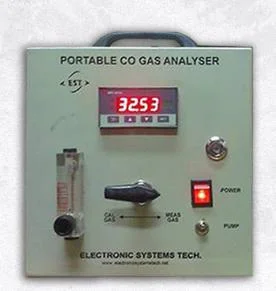
Industrial Safety Portable Gas Analyzer For Real Time Multi Gas Detection
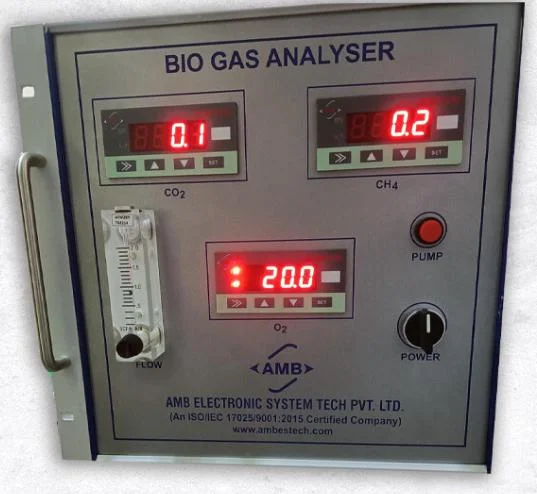
Biogas Analyzer for Methane CH4 Carbon Dioxide CO2 Hydrogen Sulfide H2S
Industrial NDIR Gas Analyzer For Emission Monitoring And Process Control
Bien Artium Natural Science Pvt. Ltd
Twin Roll Crusher For Mineral Processing And Ore Crushing
Heavy Duty Jaw Crusher For Mining Construction Recycling
Industrial High Frequency Disc Grinders For Precision Surface Grinding
New Ghosh Industries
Lab Gas Pycnometer For Solid Density And Volume Measurement
Field Density Test Apparatus for Soil Compaction in Construction
Geotechnical Engineering Field Vane Shear Test Apparatus for Soil Strength
Bigyan Jantra Silpa
Micro Kjeldahl Apparatus For Nitrogen Determination In Caffeine Analysis
Industrial Condensers Premium Reliability Energy Efficient HVAC Refrigeration
Laboratory Burettes With Precision Stopcocks For Leak Free Titration
Balaji Enterprises
Commercial Industrial Cable Tray Systems Galvanized Steel Aluminum Fiberglass
Premium Welding Cables Dual Leads Durable Flexible Industrial
Industrial Paints And Greases For Reliability And Corrosion Resistance
Alchemie Gases & Chemicals Private Limited
Stack Emission Monitoring Mixtures Certified Calibration Gases NIST Traceable
Industrial Safety Equipment Calibration Mixtures 50% LEL Methane Propane Hydrogen
Industrial Gas Handling Equipment Premium Alloy Safe Efficient
2M Industries
Industrial Tilting Bulk Cooker For High Volume Commercial Kitchens
Commercial Stainless Steel Sinks for Kitchen and Hospital Use
Premium Six Seater Dining Table For Durable Elegant Design
Baldota Instrument
Industrial Tube Fittings For Process And Instrumentation Systems
Industrial High Pressure Gas Sampling Bombs For Safe Collection And Transport
Industrial Steam Systems Premium Condensate Pots For Pressure Protection
Hi-Tech India
Industrial Metrology Precision Measurement Tools For Quality Control
Civil Engineering Lab Equipment For Water Treatment And Soil Analysis
Miscellaneous Items For Business Operations And Supplies
Why Businesses Trust Pepagora
Thousands of companies trust Pepagora to source smarter and sell faster
Expand Your Sales Globally
25000+Products listed.Get discovered by global buyers
Tools to boost visibility
Build your own catalog

Source Smarter,Grow Faster
4000+Active RFQs
100+ Countries served
Easy Sourcing Tools
