
 IN
INundefined
Garden Sprayers
66 products available
𝗪𝗵𝗮𝘁 𝗮𝗿𝗲 𝗚𝗮𝗿𝗱𝗲𝗻 𝗦𝗽𝗿𝗮𝘆𝗲𝗿𝘀?
Garden sprayers are specialized tools designed for the application of liquids, primarily for agricultural and landscaping purposes. These devices help in the efficient distribution of fertilizers, pesticides, herbicides, and other treatments across various surfaces, including gardens, lawns, and crops. They come in various forms, including handheld, backpack, and tow-behind models, each tailored to specific needs and applications.
The primary uses of garden sprayers are found in agriculture, horticulture, and landscaping. They are essential for maintaining plant health, controlling pests, and promoting growth through the even application of nutrients and treatments. Businesses in these sectors rely on garden sprayers for their ease of use, efficiency, and effectiveness in achieving consistent results. The market for garden sprayers is growing due to the increasing demand for sustainable practices in agriculture and gardening, with more emphasis on precision application techniques.
As industries evolve, garden sprayers have become integral to modern agricultural practices. With advancements in technology, such as battery-powered models and smart sprayers, the market is expected to expand further. These innovations provide users with improved efficiency and reduced environmental impact, making garden sprayers a relevant and essential tool in today's horticultural landscape.
𝗞𝗲𝘆 𝗙𝗲𝗮𝘁𝘂𝗿𝗲𝘀 𝗮𝗻𝗱 𝗦𝗽𝗲𝗰𝗶𝗳𝗶𝗰𝗮𝘁𝗶𝗼𝗻𝘀
Garden sprayers come equipped with several key features that enhance their usability and efficiency. Understanding these specifications can help businesses choose the right model for their needs.
Key specifications include:
1. Capacity
- This refers to the volume of liquid the sprayer can hold, usually measured in liters or gallons.
- Common capacities range from 1 liter for handheld sprayers to over 50 liters for larger models.
2. Spray Range
- The distance the sprayer can effectively distribute liquid, which can vary based on nozzle type and pressure.
- Ranges can extend up to 30 feet or more for certain high-pressure models.
3. Pressure Rating
- Indicates the maximum pressure the sprayer can generate, affecting the spray pattern and distance.
- Typical pressure ratings vary from 30 to 80 PSI.
4. Material Construction
- Most garden sprayers are made from durable materials such as plastic or stainless steel to resist corrosion and chemicals.
- Depending on the model, weight and portability can also be affected by material choice.
5. Nozzle Types
- Different nozzles allow for various spray patterns, including mist, fan, and stream.
- Adjustable nozzles offer versatility for different applications.
6. Battery Life (for electric models)
- Indicates how long the sprayer can operate on a single charge.
- Battery life can range from 1 to 4 hours depending on usage and model.
7. Weight
- Important for portability, especially for backpack and handheld models.
- Weights can vary widely, impacting ease of use during extended applications.
8. Ergonomic Design
- Many models feature comfortable grips and adjustable straps for ease of use and reduced operator fatigue.
In summary, selecting the right garden sprayer involves understanding these specifications. Businesses should consider their specific needs and application requirements to find the most suitable model.
𝗖𝗼𝗺𝗺𝗼𝗻 𝗔𝗽𝗽𝗹𝗶𝗰𝗮𝘁𝗶𝗼𝗻𝘀 𝗮𝗻𝗱 𝗨𝘀𝗲 𝗖𝗮𝘀𝗲𝘀
Garden sprayers are versatile tools used across various industries, each with unique applications.
1. Agriculture: Farmers utilize sprayers for the application of fertilizers and pesticides to ensure crop health and yield. They help in efficient distribution over large areas, reducing labor and time.
2. Horticulture: Nurseries and landscaping businesses use sprayers to maintain plant health. This includes watering, fertilizing, and pest control, ensuring plants thrive in their environments.
3. Golf Courses: Groundskeepers rely on sprayers for maintaining greens and fairways. They apply herbicides and fungicides to control unwanted growth and protect the turf.
4. Greenhouses: In a controlled environment, sprayers can deliver precise amounts of nutrients and pesticides, adapting to the specific needs of various plants.
5. Pest Control Services: Professional pest control companies use garden sprayers to treat residential and commercial properties for insects and other pests, ensuring effective coverage.
6. Home Gardening: Individual gardeners use smaller sprayers for personal gardens to manage pests and promote plant growth, making these tools accessible to everyone.
7. Forestry: Sprayers are used in forest management to control invasive species and support reforestation efforts, demonstrating their broader environmental applications.
𝗣𝗿𝗼𝗱𝘂𝗰𝘁 𝗩𝗮𝗿𝗶𝗮𝗻𝘁𝘀 𝗮𝗻𝗱 𝗦𝘂𝗯𝗰𝗮𝘁𝗲𝗴𝗼𝗿𝗶𝗲𝘀
Garden sprayers come in various forms, each designed for specific tasks and user preferences.
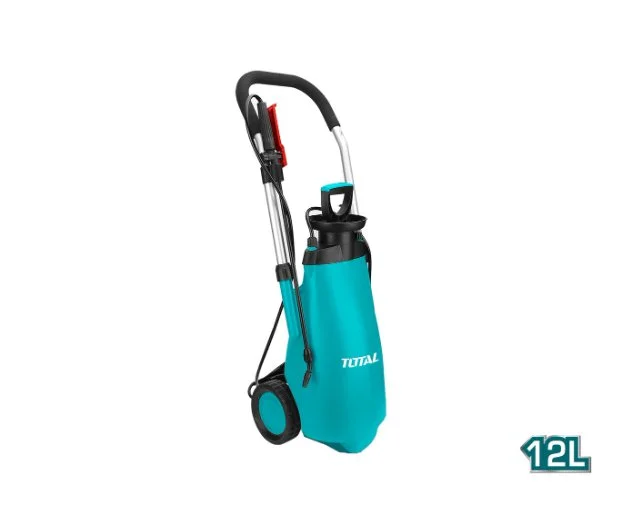
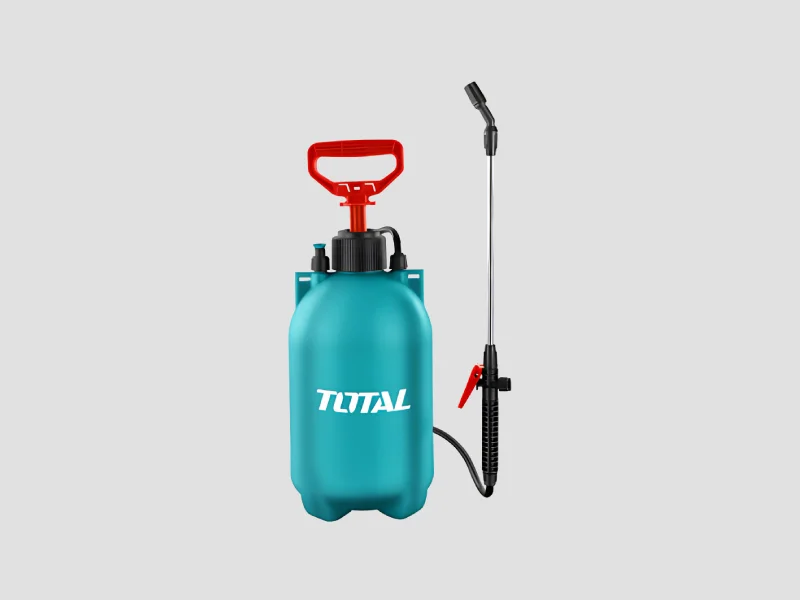
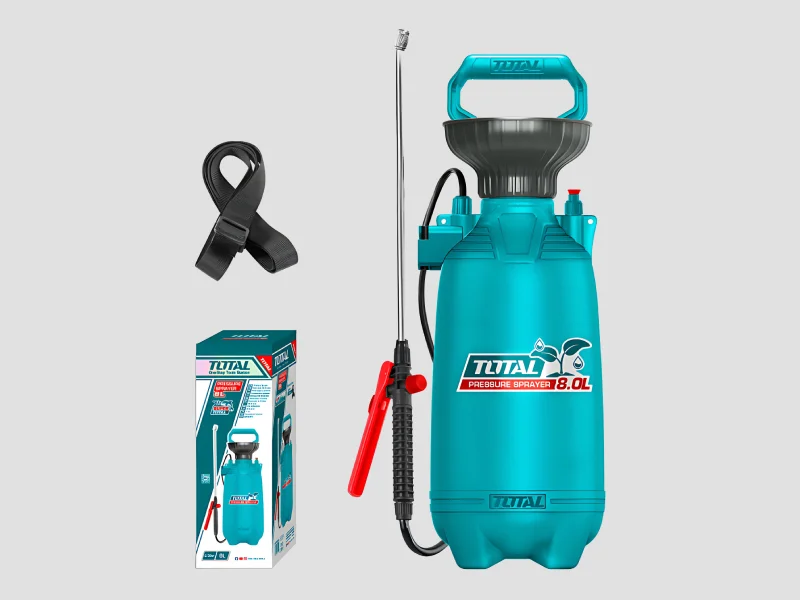
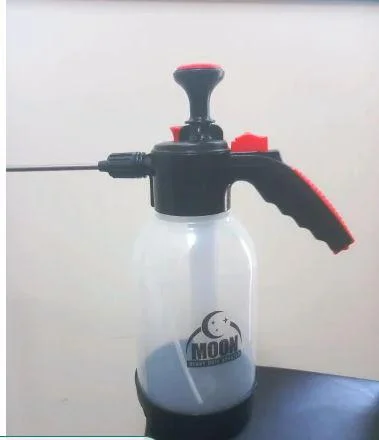
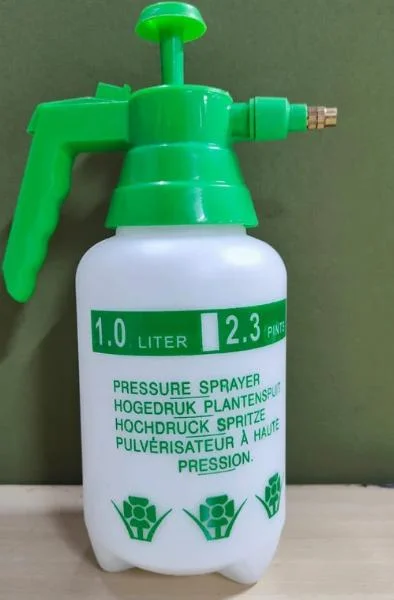
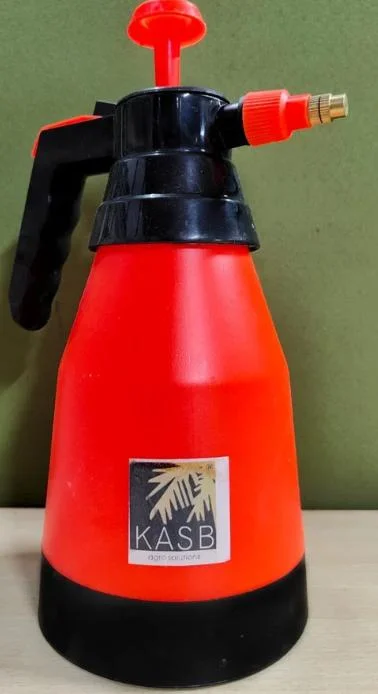
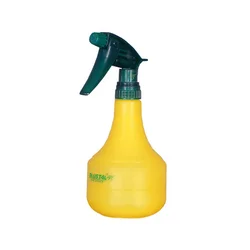
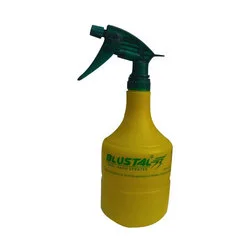
Handheld Sprayers: These are ideal for small gardens and individual plants. They are lightweight and easy to maneuver, making them perfect for quick applications.
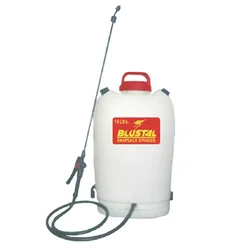
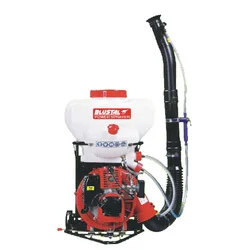
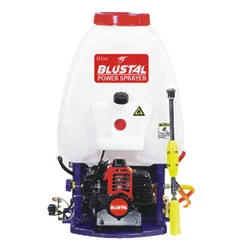
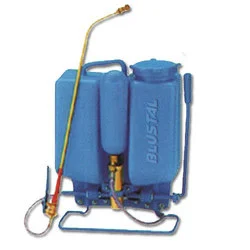
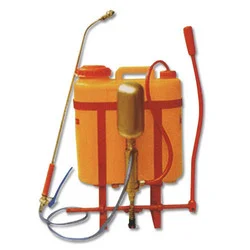
Backpack Sprayers: Designed for larger areas, backpack sprayers allow users to carry a larger tank while distributing liquids over extended periods. They often feature adjustable straps for comfort.
Tow-Behind Sprayers: These sprayers are attached to lawn tractors or ATVs, allowing for efficient spraying over large fields. They are ideal for commercial agricultural applications.
Electric Sprayers: Battery-operated models that offer ease of use without the manual pumping, making them suitable for extensive applications with less physical effort.
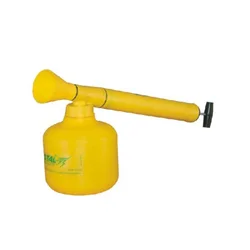
Manual Sprayers: These require manual pumping to build pressure and are often more affordable. They are suitable for light gardening tasks.
𝗕𝗲𝗻𝗲𝗳𝗶𝘁𝘀 𝗮𝗻𝗱 𝗔𝗱𝘃𝗮𝗻𝘁𝗮𝗴𝗲𝘀
Garden sprayers offer numerous benefits that enhance their value to users.
1. Efficiency: They allow for quick and uniform application of liquids, saving time and labor costs in various settings.
2. Precision: Sprayers enable targeted application, reducing waste and improving the effectiveness of treatments.
3. Versatility: With various models available, they can be used for different applications, from small home gardens to large agricultural fields.
4. Cost-Effectiveness: By minimizing the amount of chemical used and maximizing coverage, sprayers can lead to lower overall costs for businesses.
5. User-Friendly: Many models are designed with ergonomic features, making them easy to operate for extended periods without fatigue.
6. Environmental Impact: Precision application reduces runoff and minimizes the environmental impact of chemicals, supporting sustainable practices.
𝗕𝘂𝘆𝗶𝗻𝗴 𝗚𝘂𝗶𝗱𝗲 𝗳𝗼𝗿 𝗕𝟮𝗕 𝗕𝘂𝘆𝗲𝗿𝘀
When sourcing garden sprayers, it is crucial for B2B buyers to consider several factors to ensure they make an informed decision.
1. Quality Assessment: Evaluate sprayers based on material durability, performance reliability, and user reviews. Quality tools will last longer and perform better under various conditions.
2. Supplier Verification: Vet suppliers through references, certifications, and their track record in the industry. A reliable supplier will provide quality products and support.
3. Pricing and MOQ: Compare pricing across different suppliers and understand the minimum order quantity (MOQ) to ensure it aligns with your budget and needs.
4. Delivery and Lead Times: Assess logistics capabilities and lead times for delivery to ensure you can meet your project deadlines without interruption.
5. Compliance Requirements: Ensure that the sprayers meet relevant industry standards and regulations, particularly if they will be used in sensitive applications.
𝗖𝗼𝗺𝗽𝗹𝗶𝗮𝗻𝗰𝗲 𝗮𝗻𝗱 𝗖𝗲𝗿𝘁𝗶𝗳𝗶𝗰𝗮𝘁𝗶𝗼𝗻𝘀
Garden sprayers must adhere to various quality and safety standards to ensure they are safe for use and effective in their applications. Compliance with ISO 9001 demonstrates a commitment to quality management systems, ensuring consistent product quality.
The CE marking signifies that the product meets European safety, health, and environmental protection standards. This certification is essential for products sold in European markets.
Additionally, manufacturers must consider safety testing requirements, which vary by region and application. Ensuring compliance with local regulations is critical for businesses that want to prevent legal issues and ensure product safety.
In summary, understanding compliance and certifications can help businesses find reliable suppliers and products that meet industry standards.
𝗪𝗵𝘆 𝗦𝗼𝘂𝗿𝗰𝗲 𝗚𝗮𝗿𝗱𝗲𝗻 𝗦𝗽𝗿𝗮𝘆𝗲𝗿𝘀 𝗳𝗿𝗼𝗺 𝗣𝗲𝗽𝗮𝗴𝗼𝗿𝗮?
Pepagora is a trusted platform for sourcing garden sprayers, offering numerous advantages to B2B buyers.
Verified Supplier Network: Pepagora connects businesses with a verified network of suppliers. Each supplier undergoes a rigorous vetting process, ensuring reliability and quality in the products offered.
Streamlined RFQ Process: The platform simplifies the request for quotation (RFQ) process, allowing buyers to easily compare quotes from multiple suppliers. This efficiency helps in making informed purchasing decisions.
Trade Assurance and Support: Pepagora provides trade assurance to protect buyers from risks associated with transactions. Their support team is available to assist with any inquiries or issues that may arise during the purchasing process.
Regional Coverage: Pepagora serves a broad geographic area, including India, the GCC, and Southeast Asia. This extensive reach allows businesses to find suppliers that best meet their regional needs.
In conclusion, sourcing garden sprayers through Pepagora provides businesses with a reliable and efficient way to access quality products while ensuring compliance and support throughout the purchasing process.
Newly Added







Recently Added
Arya Machinery Stores
Industrial Suction Pipes For Fluid Transfer Systems
Industrial Tubing Pipes For Chemical And Hydraulic Systems
Agricultural Industrial Fire Protection Corrosion Resistant Sprinkler Pipes
Blue Stallion Equipments Private Limited
Professional Turbo 16 Knapsack Sprayer For Agriculture And Sanitation
Fighter Knapsack Sprayer For Agriculture And Pest Control
Professional Knapsack Sprayer High Pressure Brass Piston Chemical Resistant
Mercy Enterprises
Precision Plastic Gear Mould For Textile Machinery OEM
Industrial Rubber Rollers With Bearings For Printing And Conveyor Systems
OEM Rubber Grommets Round Compression Molded Durable Wire Protection
Almighty Agrotech Private Limited
Professional Knapsack Sprayer 16L HDPE Tank 300 KPA Pressure
Professional Knapsack Sprayer 16L HDPE Tank 300 KPA Pressure
Agricultural Sprayer Milap Marshal Knapsack 16L HDPE Tank 300 KPA
Mercy Plastics
Industrial Plastic Spur Gears For Chain Drive Applications
Premium Plastic Oscillating Sprinklers For Agriculture And Industrial Irrigation
Industrial Plastic Bearings Deep Groove Durable Customizable
Boraste Agro Sales Corporation
Professional SPT2 200L Pesticide Sprayer For Vineyards And Farms
Tractor Mounted Pesticide Spraying Units For Cotton Soybean Tomato Banana Crops
Commercial Agriculture Premium Cultivators High Durability Tensile Strength
Ayyappa Plastics
Premium PVC Irrigation Pipe Machinery For And Distributors
Premium Drip Lateral Pipes For Precision Agricultural Irrigation
Commercial Pop Up Sprinklers For Irrigation Landscapes Sports Fields
Louisons Engineering Works
Professional Heavy Duty Knapsack Sprayer For Agriculture And Horticulture
Industrial Power Sprayers For Agriculture Cleaning And Disinfection
Industrial Automated Foot Sprayers For High Traffic Facility Disinfection
Boraste Agro Implements & Allied Industry
Agricultural Sprayer 200L Tractor Mounted For Crop Protection
Agricultural Harrow For Soil Preparation And Seedbed Leveling
Agricultural Reidger for Soil Loosening and Weed Removal in Orchards
Chitra Engineering
Industrial Coolant Nozzles For CNC Milling Grinding Durable Corrosion Resistant
Premium Coolant Hoses For Automotive And Industrial Machinery Durability
Industrial Plastic Coolant Pipes For CNC Machinery And Automotive
Why Businesses Trust Pepagora
Thousands of companies trust Pepagora to source smarter and sell faster
Expand Your Sales Globally
25000+Products listed.Get discovered by global buyers
Tools to boost visibility
Build your own catalog

Source Smarter,Grow Faster
4000+Active RFQs
100+ Countries served
Easy Sourcing Tools
