
 IN
INundefined
Gantry Cranes
48 products available
𝗪𝗵𝗮𝘁 𝗮𝗿𝗲 𝗚𝗮𝗻𝘁𝗿𝘆 𝗖𝗿𝗮𝗻𝗲𝘀?
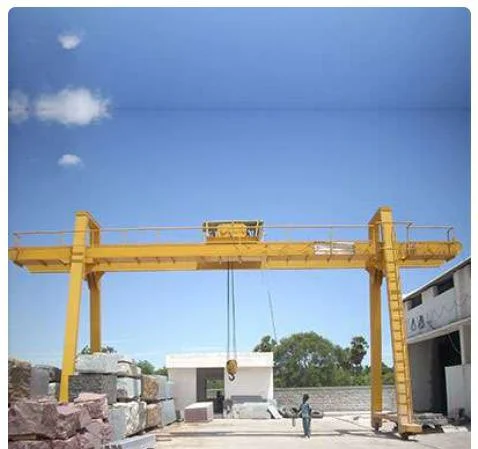
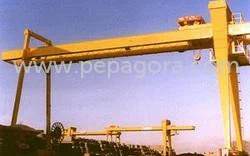
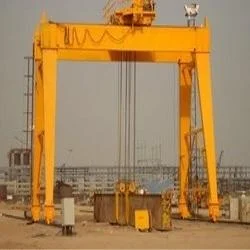
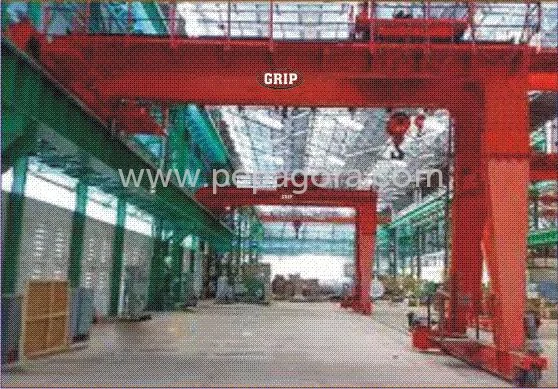
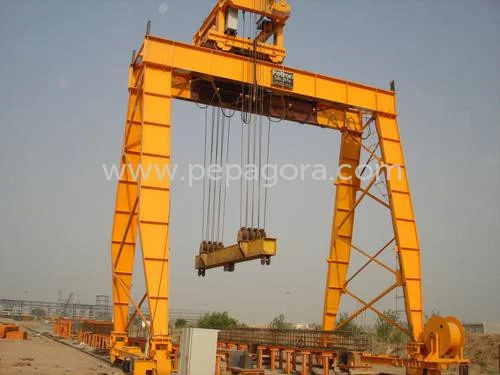
Gantry cranes are versatile lifting devices characterized by their overhead structure supported by legs on either side. This design allows for movement along a defined path, typically on rails or wheels. Gantry cranes are employed in various industries for heavy lifting tasks, such as moving large materials, equipment, and containers. They can be fixed or mobile and are designed to handle loads ranging from a few tons to several hundred tons, depending on their specifications.
These cranes are primarily used in manufacturing, shipping, and construction industries. They facilitate the handling of heavy loads in warehouses, docks, and production facilities. Their ability to operate in outdoor environments makes them particularly valuable for tasks like loading and unloading shipping containers. The market for gantry cranes is substantial, with increasing demand driven by growth in manufacturing and logistics sectors, as well as advancements in crane technology.
𝗞𝗲𝘆 𝗙𝗲𝗮𝘁𝘂𝗿𝗲𝘀 𝗮𝗻𝗱 𝗦𝗽𝗲𝗰𝗶𝗳𝗶𝗰𝗮𝘁𝗶𝗼𝗻𝘀
Gantry cranes come with a range of features and specifications that enhance their functionality and efficiency. Understanding these specifications is crucial for businesses looking to invest in this equipment.
Key specifications include:
1. Load Capacity
- This specification indicates the maximum weight the crane can safely lift.
- Typical ranges vary from 1 ton to over 100 tons.
2. Span Width
- The span width measures the distance between the legs of the crane.
- Standard spans can range from 10 feet to 50 feet or more.
3. Lifting Height
- This refers to the maximum height the crane can lift a load.
- Common lifting heights range from 10 feet to 30 feet.
4. Power Source
- Gantry cranes can be powered by electric motors or hydraulics.
- Electric models are typically more common in indoor settings.
5. Mobility
- Many gantry cranes are designed to be mobile, featuring wheels for easy relocation.
- Fixed models offer stability for permanent installations.
6. Control System
- Cranes may be operated through manual controls or automated systems.
- Advanced models may include remote control options for enhanced safety.
7. Material Construction
- Gantry cranes are often made from steel or aluminum to ensure durability.
- The choice of material affects the overall weight and load capacity.
8. Safety Features
- Common safety features include overload protection and emergency stop functions.
- Some cranes also include limit switches to prevent over-travel.
In summary, understanding the key features and specifications of gantry cranes helps businesses choose the right equipment for their lifting needs.
𝗖𝗼𝗺𝗺𝗼𝗻 𝗔𝗽𝗽𝗹𝗶𝗰𝗮𝘁𝗶𝗼𝗻𝘀 𝗮𝗻𝗱 𝗨𝘀𝗲 𝗖𝗮𝘀𝗲𝘀
Gantry cranes serve various industries, making them a valuable asset in multiple applications.
1. Manufacturing: In manufacturing plants, gantry cranes are used for assembling machinery and transporting heavy components across floors.
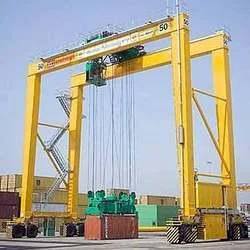
2. Shipping and Logistics: These cranes play a crucial role in loading and unloading shipping containers at ports, enhancing efficiency in logistics operations.
3. Construction: In construction sites, gantry cranes assist in lifting heavy materials such as steel beams and concrete blocks, facilitating faster project completion.
4. Warehousing: Warehouses utilize gantry cranes for moving goods and inventory, improving warehouse management and space utilization.
5. Aerospace: In the aerospace industry, gantry cranes are essential for assembling and transporting large aircraft components during production and maintenance.
6. Automotive: Automotive manufacturers use gantry cranes to handle heavy parts and assemblies, ensuring streamlined production processes.
7. Energy: In energy sectors, gantry cranes are used for lifting and installing heavy equipment like turbines, enhancing operational efficiency.
𝗣𝗿𝗼𝗱𝘂𝗰𝘁 𝗩𝗮𝗿𝗶𝗮𝗻𝘁𝘀 𝗮𝗻𝗱 𝗦𝘂𝗯𝗰𝗮𝘁𝗲𝗴𝗼𝗿𝗶𝗲𝘀
Gantry cranes come in various designs and configurations, catering to specific needs and industries.
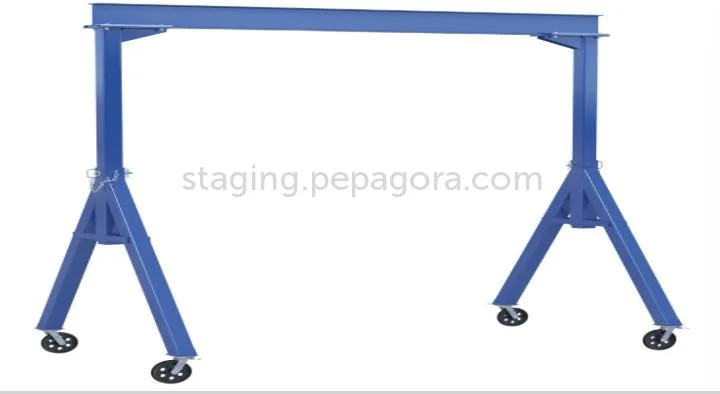
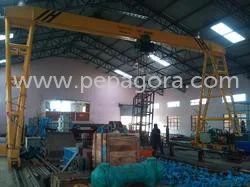
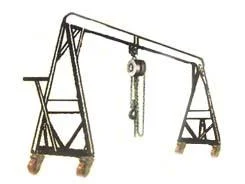
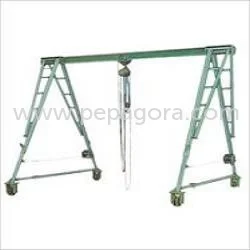
Portable Gantry Cranes: These lightweight and mobile cranes are designed for easy relocation and setup. Ideal for temporary lifting tasks, they are commonly used in workshops and small production environments.
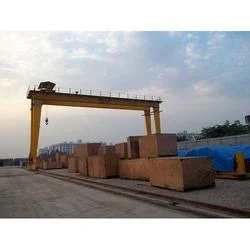
Fixed Gantry Cranes: These cranes are permanently installed in a specific location, offering high stability and load capacity. They are often used in warehouses and manufacturing facilities for consistent heavy lifting.
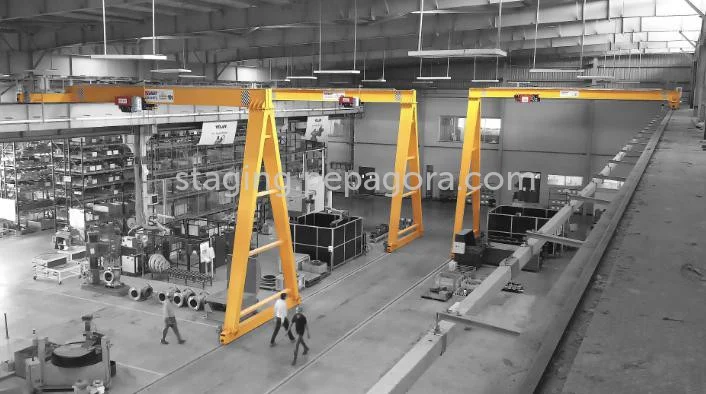
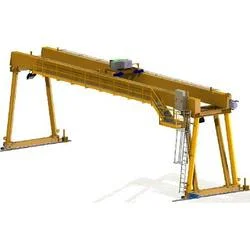
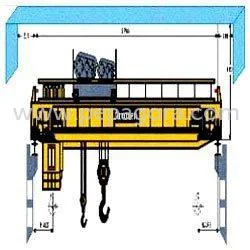
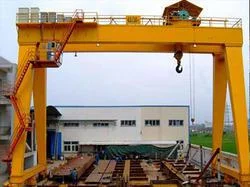
Double Girder Gantry Cranes: Featuring two beams, these cranes provide greater lifting height and load capacity. They are commonly used in heavy industries where large loads need to be moved.
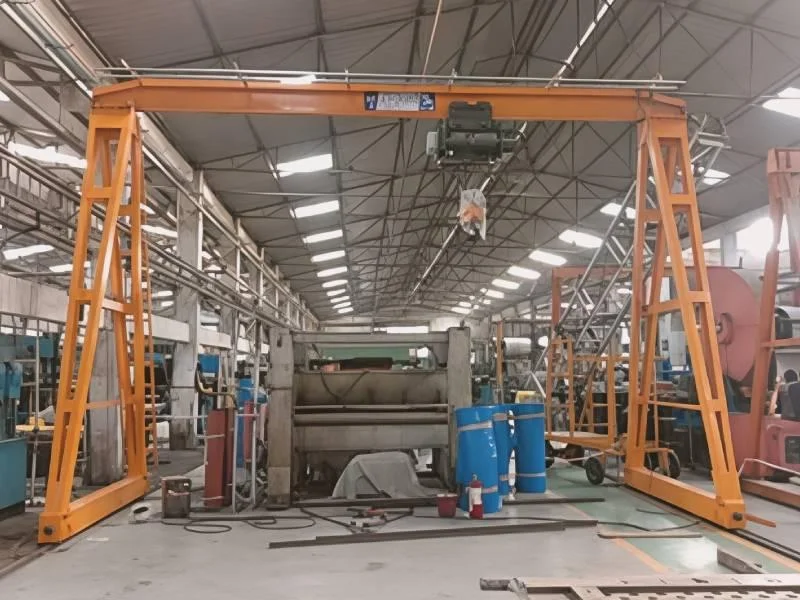
Single Girder Gantry Cranes: These cranes have one beam and are suitable for lighter lifting tasks. They are often used in smaller warehouses and workshops.
𝗕𝗲𝗻𝗲𝗳𝗶𝘁𝘀 𝗮𝗻𝗱 𝗔𝗱𝘃𝗮𝗻𝘁𝗮𝗴𝗲𝘀
Investing in gantry cranes brings several advantages to businesses.
1. Increased Efficiency: Gantry cranes streamline lifting operations, reducing the time needed to move heavy loads.
2. Versatility: These cranes can be used in a variety of settings, making them suitable for different applications across industries.
3. Space Optimization: Their design allows for vertical lifting, which helps save floor space, particularly in crowded environments.
4. Improved Safety: With features like overload protection and emergency stops, gantry cranes enhance workplace safety for operators.
5. Cost-Effectiveness: Gantry cranes are generally more affordable than other lifting solutions, providing a good return on investment.
6. Ease of Operation: With user-friendly controls, gantry cranes can be operated by personnel with minimal training.
𝗕𝘂𝘆𝗶𝗻𝗴 𝗚𝘂𝗶𝗱𝗲 𝗳𝗼𝗿 𝗕𝟮𝗕 𝗕𝘂𝘆𝗲𝗿𝘀
When sourcing gantry cranes, businesses should consider several critical factors to ensure they make informed purchasing decisions.
1. Quality Assessment: Evaluate the build quality and materials used in the crane’s construction. Look for reputable manufacturers that adhere to industry standards.
2. Supplier Verification: Conduct thorough background checks on potential suppliers to confirm their reliability and track record in providing quality products.
3. Pricing and MOQ: Understand the pricing structure and minimum order quantities (MOQs) to align your budget with your purchasing needs.
4. Delivery and Lead Times: Inquire about delivery schedules and lead times to ensure that the crane will be available when required for your operations.
5. Compliance Requirements: Ensure that the cranes meet any relevant regulatory standards and certifications, which may vary by region and industry.
𝗖𝗼𝗺𝗽𝗹𝗶𝗮𝗻𝗰𝗲 𝗮𝗻𝗱 𝗖𝗲𝗿𝘁𝗶𝗳𝗶𝗰𝗮𝘁𝗶𝗼𝗻𝘀
Gantry cranes must adhere to various quality and safety standards to ensure their reliability and safety during operations. Commonly recognized standards include ISO 9001, which pertains to quality management systems, and CE certification, which demonstrates compliance with European safety directives.
Additionally, cranes may be subject to safety and testing requirements that involve regular inspections and maintenance to ensure they operate safely and efficiently. Businesses must also consider regional compliance requirements, as different countries may have specific regulations governing the use of lifting equipment.
𝗪𝗵𝘆 𝗦𝗼𝘂𝗿𝗰𝗲 𝗚𝗮𝗻𝘁𝗿𝘆 𝗖𝗿𝗮𝗻𝗲𝘀 𝗳𝗿𝗼𝗺 𝗣𝗲𝗽𝗮𝗴𝗼𝗿𝗮?
Pepagora offers a trusted platform for sourcing gantry cranes, providing several key advantages to businesses.
Verified Supplier Network: Pepagora has a comprehensive network of verified suppliers, ensuring that buyers can access high-quality gantry cranes from reputable manufacturers.
Streamlined RFQ Process: The platform facilitates an efficient request for quotation (RFQ) process, allowing buyers to compare options and make informed decisions quickly.
Trade Assurance and Support: Pepagora offers trade assurance, providing buyers with protection and support throughout the purchasing process, ensuring a smooth transaction.
Regional Coverage: With a strong presence in regions like India, GCC, and Southeast Asia, Pepagora connects buyers with suppliers to meet diverse industrial lifting needs effectively.
Newly Added



Recently Added
Shubham Engineering Enterprises
Industrial Aluminium Telescoping Ladder with Hand Winch & Anti Slip Steps
Hydraulic High Lift Hand Pallet Truck 1 Ton Scissor Lift For Warehouses
Industrial Hand Operated Hydraulic Lifting Table For Material Handling
Neptune Systems
Dual Cold Cutting Machine For Metal Fabrication And Piping
Industrial Standalone Cutting Machines For Precision And Reliability
Industrial Pneumatic Dual Online Cutting Machine For Metal Sections
Wont Industrial Equipments
Industrial Heavy Duty Gantry Crane for Lifting and Material Handling
Industrial EOT Cranes IS 807 Compliant 500kg to 60,000kg Capacity
Industrial Electric Overhead Cranes For Material Handling
Bajaj Steel Industries Limited
Industrial Cotton Seed Cleaner 5 TPH Durable Steel Sieve Technology
Cotton Ginning Machinery Double Roller High Efficiency CNC Precision
Cotton Ginning Auto Feeder For Productivity Boost & Energy Efficiency
Mega Cranes India Pvt. Ltd
Single Girder EOT Cranes 1 15 Ton Capacity New OEM Industrial
Industrial Double Girder EOT Crane 6.0 Mtr Span ISS 807 & 3177
Industrial Double Girder EOT Cranes 6.0 Mtrs ISS 807 & 3177 New
Apurva Engineering Corporation
Industrial Single Girder Cranes Metal Construction Easy Installation
Industrial Single Girder EOT Crane 10 Ton 28 Meter Span IS Compliant
Industrial Heavy Duty Double Girder Crane IS 3177 Compliant
Om Shanti Crane Service Pvt Ltd
Industrial Manual Crane Rental For Lifting And Material Handling
Industrial Crane Rental For Heavy Lifting In Construction And Mining
Industrial Semi Gantry Crane Rental For Material Handling With High Load Capacity
3S Engineers & Traders
Partial EOT Cranes 1 20 Ton Industrial Material Handling
Industrial Heavy Duty 25 Ton EOT Crane For Material Handling
Industrial 10 Ton EOT Crane For Heavy Duty Lifting In Construction
Natraj Drum Industries Pvt Ltd
Industrial Low Headroom Overhead Crane For Space Constrained Lifting
Industrial Heavy Duty Double Girder Overhead Cranes For High Capacity Lifting
Workshop Gantry Crane For Material Handling Safety Efficiency
Elmech Equipment Company
Industrial Brake Motors DC AC 24 195V Premium Long Life
Industrial Soft Starters Emco Brakes High Pressure Long Life New
Industrial Pethe Brake High Pressure Long Life Transmission Power
Why Businesses Trust Pepagora
Thousands of companies trust Pepagora to source smarter and sell faster
Expand Your Sales Globally
25000+Products listed.Get discovered by global buyers
Tools to boost visibility
Build your own catalog

Source Smarter,Grow Faster
4000+Active RFQs
100+ Countries served
Easy Sourcing Tools
