
 IN
INundefined
Fumigants for Storage Protection
10 products available
𝗪𝗵𝗮𝘁 𝗮𝗿𝗲 𝗙𝘂𝗺𝗶𝗴𝗮𝗻𝘁𝘀 𝗳𝗼𝗿 𝗦𝘁𝗼𝗿𝗮𝗴𝗲 𝗣𝗿𝗼𝘁𝗲𝗰𝘁𝗶𝗼𝗻?
Fumigants for storage protection are chemical agents used to eliminate pests and pathogens from stored products. These substances are typically released as gases, penetrating the stored materials to neutralize unwanted organisms effectively. Fumigation is an essential practice in ensuring the safety and integrity of various goods, especially in industries that deal with food safety, pharmaceuticals, and agriculture.
The primary uses of fumigants include pest control in warehouses, silos, and shipping containers. They are particularly valuable in settings where conventional pest control methods may be less effective. Businesses utilize fumigants to protect grains, seeds, and other commodities from insects, rodents, and microorganisms that can compromise product quality. The relevance of fumigants in modern industries cannot be overstated, as they play a critical role in maintaining product safety and compliance with health regulations.
In the current market context, the demand for effective storage protection solutions is rising due to increasing global trade and the need for food safety. Fumigants are integral to meeting these challenges while ensuring that products reach consumers in optimal condition.
𝗞𝗲𝘆 𝗙𝗲𝗮𝘁𝘂𝗿𝗲𝘀 𝗮𝗻𝗱 𝗦𝗽𝗲𝗰𝗶𝗳𝗶𝗰𝗮𝘁𝗶𝗼𝗻𝘀
Fumigants for storage protection come with a range of features that enhance their efficacy and usability. Understanding these specifications is crucial for businesses looking to implement effective pest management strategies.
Key specifications include:
1. Active Ingredients
- Common active ingredients include methyl bromide, phosphine, and sulfuryl fluoride.
- These chemicals are chosen based on their effectiveness against target pests.
2. Application Methods
- Fumigants can be applied through various methods, including gas release in sealed environments or in combination with other pest control measures.
- The method chosen may depend on the storage conditions and target organisms.
3. Exposure Time
- Effective fumigation typically requires a specific exposure duration, often ranging from a few hours to several days.
- The required time may vary depending on the pest and environmental conditions.
4. Environmental Impact
- Many modern fumigants are designed to minimize environmental harm and reduce residue.
- Eco-friendly options are increasingly available to meet regulatory standards.
5. Safety Precautions
- Proper safety measures must be followed during application, including the use of protective equipment.
- Training for personnel involved in fumigation is essential for safety.
6. Regulatory Compliance
- Fumigants must adhere to local and international safety regulations, including CE certification.
- Compliance ensures that the products are safe for use in various industries.
7. Shelf Life
- The shelf life of fumigants can vary, with some products remaining effective for several years if stored properly.
- This is an important consideration for businesses managing inventory.
In summary, understanding these specifications helps businesses choose the right fumigants for their storage protection needs, ensuring effective pest control while adhering to safety and regulatory standards.
𝗖𝗼𝗺𝗺𝗼𝗻 𝗔𝗽𝗽𝗹𝗶𝗰𝗮𝘁𝗶𝗼𝗻𝘀 𝗮𝗻𝗱 𝗨𝘀𝗲 𝗖𝗮𝘀𝗲𝘀
Fumigants for storage protection are versatile and find application across various industries. Their ability to control pests effectively makes them indispensable in many sectors.
1. Agriculture: Fumigants are widely used in agriculture to protect stored grains, seeds, and other products from insect infestations and fungal growth.
2. Food Processing: In food processing facilities, fumigants are employed to ensure that finished products remain free from pests during storage and transportation.
3. Pharmaceuticals: The pharmaceutical industry relies on fumigants to protect raw materials and finished goods from contamination, ensuring product integrity and safety.
4. Warehousing: Large warehouses utilize fumigants to maintain pest-free environments, safeguarding a wide range of goods from spoilage and damage.
5. Shipping: Fumigants are essential in shipping containers to prevent pest infestations during long transit times, especially for international shipments.
6. Textile Industry: In the textile sector, fumigants help prevent damage to fabrics and materials from pests, maintaining product quality throughout storage.
7. Wood Products: Fumigants are used to protect wooden products from wood-boring insects and fungi, ensuring their longevity and usability.
Each of these applications highlights the importance of fumigants in protecting stored products across diverse industries, contributing to overall quality and safety.
𝗣𝗿𝗼𝗱𝘂𝗰𝘁 𝗩𝗮𝗿𝗶𝗮𝗻𝘁𝘀 𝗮𝗻𝗱 𝗦𝘂𝗯𝗰𝗮𝘁𝗲𝗴𝗼𝗿𝗶𝗲𝘀
Fumigants for storage protection come in various forms tailored to specific needs and applications. This diversity ensures that businesses can select the most suitable product for their requirements.
Variant 1: Methyl Bromide
Methyl bromide is a highly effective fumigant used primarily in agriculture for pest control. It targets a wide range of pests and is known for its rapid action. However, due to environmental concerns, its use is regulated in many regions.
Variant 2: Phosphine
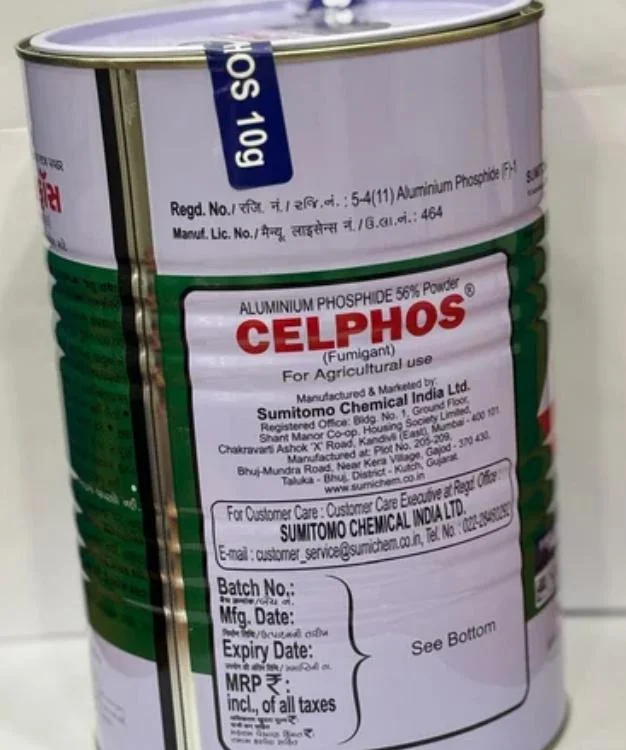
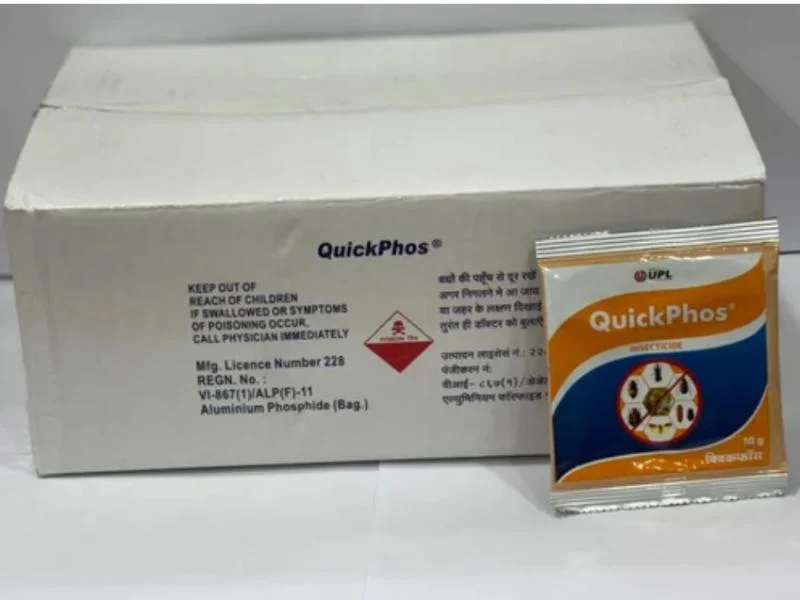
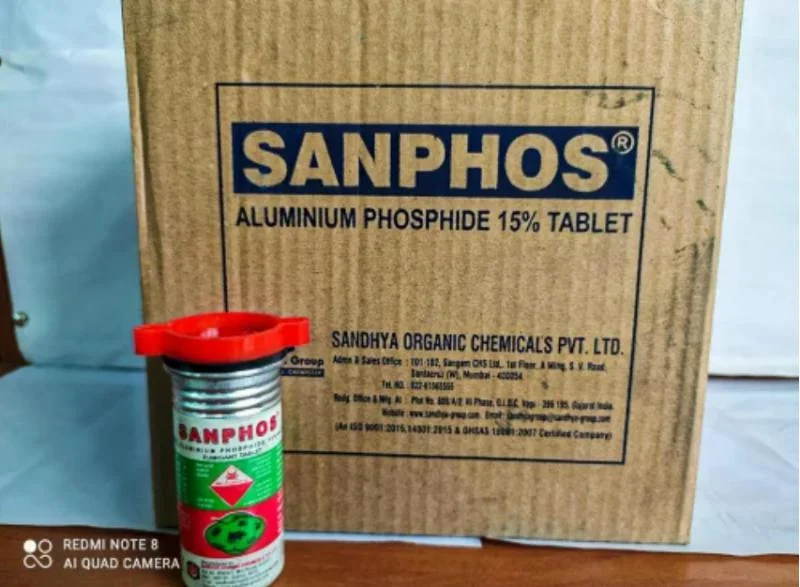
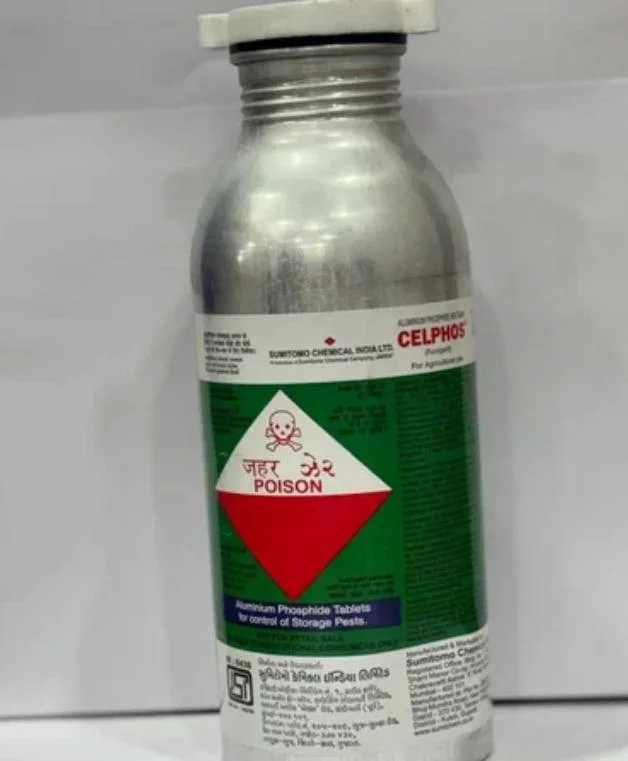
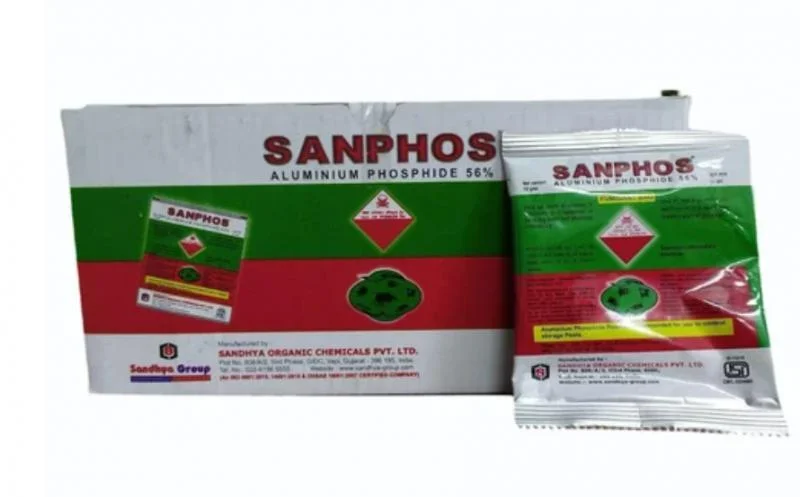
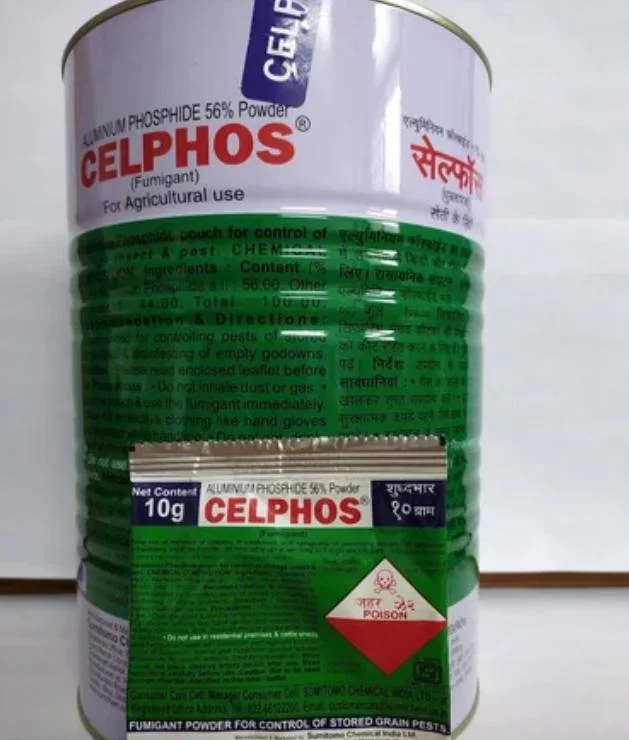
Phosphine is another popular fumigant, often used in grain storage. It is effective against insects and offers a lower environmental impact compared to methyl bromide. Phosphine is typically delivered in tablet or pellet form that releases gas when exposed to moisture.
Variant 3: Sulfuryl Fluoride
Sulfuryl fluoride is used in both food and non-food applications. It is effective against pests and has a favorable safety profile, making it a preferred choice in many industrial settings.
𝗕𝗲𝗻𝗲𝗳𝗶𝘁𝘀 𝗮𝗻𝗱 𝗔𝗱𝘃𝗮𝗻𝘁𝗮𝗴𝗲𝘀
Fumigants for storage protection offer numerous benefits that enhance their value in various applications.
Key benefits include:
1. Effective Pest Control: Fumigants effectively eliminate a broad spectrum of pests, ensuring that stored products remain uncontaminated.
2. Long-Lasting Protection: Many fumigants provide prolonged protection against future infestations, reducing the need for frequent applications.
3. Compliance with Regulations: Using certified fumigants helps businesses adhere to local and international safety standards, ensuring product safety.
4. Versatility: Fumigants can be used across various industries, making them suitable for diverse applications.
5. Minimal Residue: Many modern fumigants are designed to leave little to no residue, ensuring that products are safe for consumer use after treatment.
6. Cost-Effective: Fumigation is often a more economical solution compared to other pest control methods, especially for large-scale operations.
In summary, the benefits of using fumigants for storage protection make them an essential investment for businesses focused on maintaining high product standards.
𝗕𝘂𝘆𝗶𝗻𝗴 𝗚𝘂𝗶𝗱𝗲 𝗳𝗼𝗿 𝗕𝟮𝗕 𝗕𝘂𝘆𝗲𝗿𝘀
When sourcing fumigants for storage protection, businesses should consider several critical factors to ensure they make informed purchasing decisions.
1. Quality Assessment: Evaluate the quality of fumigants based on their active ingredients and effectiveness against target pests. Look for products that have been tested and certified.
2. Supplier Verification: Vet suppliers carefully to ensure they are reputable and comply with industry standards. Verify their certifications and customer reviews to gauge their reliability.
3. Pricing and MOQ: Understand the pricing structure and minimum order quantities (MOQ) set by suppliers. Consider bulk buying options for cost savings, especially for larger operations.
4. Delivery and Lead Times: Assess the supplier's logistics capabilities, including delivery times and shipping options. Timely delivery is crucial for maintaining inventory levels.
5. Compliance Requirements: Ensure that the fumigants meet necessary regulatory requirements for safety and environmental impact. This includes checking for appropriate certifications like CE.
𝗖𝗼𝗺𝗽𝗹𝗶𝗮𝗻𝗰𝗲 𝗮𝗻𝗱 𝗖𝗲𝗿𝘁𝗶𝗳𝗶𝗰𝗮𝘁𝗶𝗼𝗻𝘀
Fumigants for storage protection must adhere to various quality standards and certifications to ensure their safety and effectiveness. Key standards include ISO 9001, which outlines requirements for quality management systems, ensuring that products meet customer and regulatory requirements.
Industry certifications such as CE signify that the products comply with European health, safety, and environmental standards. These certifications are critical for businesses operating in regions with strict regulatory frameworks.
Safety and testing requirements are also vital, as they ensure that the fumigants are safe for use and do not pose health risks to workers or consumers. Additionally, regional compliance considerations may vary, so businesses should be aware of local regulations governing the use of fumigants.
𝗪𝗵𝘆 𝗦𝗼𝘂𝗿𝗰𝗲 𝗙𝘂𝗺𝗶𝗴𝗮𝗻𝘁𝘀 𝗳𝗼𝗿 𝗦𝘁𝗼𝗿𝗮𝗴𝗲 𝗣𝗿𝗼𝘁𝗲𝗰𝘁𝗶𝗼𝗻 𝗳𝗿𝗼𝗺 𝗣𝗲𝗽𝗮𝗴𝗼𝗿𝗮?
Pepagora offers a reliable platform for sourcing fumigants for storage protection, providing several key advantages for businesses.
Verified Supplier Network: Pepagora connects buyers with verified suppliers, ensuring that they source high-quality fumigants that meet industry standards. This network reduces the risk of fraud and ensures accountability.
Streamlined RFQ Process: The platform simplifies the request for quotation (RFQ) process, allowing buyers to receive competitive quotes from multiple suppliers efficiently. This saves time and enables better decision-making.
Trade Assurance and Support: Pepagora provides trade assurance, protecting buyers throughout the purchasing process. Their support team is available to assist with any inquiries or issues that may arise.
Regional Coverage: Pepagora has a broad geographic reach, including India, the GCC, and Southeast Asia. This enables businesses to source fumigants locally and efficiently, facilitating smoother logistics and quicker delivery times.
By choosing Pepagora, businesses can ensure they have access to high-quality fumigants for storage protection, backed by a trusted platform.
Newly Added



Recently Added
Neelgiri Tarpaulin & Co
Industrial Wax Coated Tarpaulin Waterproof Heavy Duty Cover
Premium UV Film For Agriculture Greenhouses And Low Tunnels
Construction Site Brick Covers Premium Fabric Weather Resistant
Audhyogik Special Gases & Audhyogik Oxygen Private Limited
Industrial Nitrogen Gas For Construction Metalworking Temperature Control
Industrial Glass Manufacturing High Purity Oxygen Gas For Enhanced Combustion
Industrial Oxygen Gas For Metal Fabrication And Oxyfuel Cutting
Ayush Flexipack Private Limited
FMCG Packaging Solutions For Shampoo Detergent Soap Cosmetics
Glassine 4 Poly Moisture Resistant Packaging Material For Industrial Use
Packaging Color Printed Paper Poly For Secure Brand Visibility
Dalton Chemical Private Ltd.
Leather Top Coat Actytop Clear High Gloss Non Yellowing
Premium Leather Finishing Emulsion For Non Yellowing White Pastel Shades
Premium Leather Finishing Nitrocellulose Lacquer High Elasticity
Barnagarwala Group
Agriculture Industry Zinc Phosphide 80% WP Rodenticide Pest Control
Industrial Aluminium Phosphide Fumigant For Pest Control
Professional Propoxur Bait For House Fly Control In Commercial Settings
Arun Manufacturing Services Pvt Ltd
Commercial Greenhouse UV Polyethylene Film Durable Light Diffusion
Agricultural Black Polythene Film For Crop Protection And Curing
Premium LDPE Film For Industrial Containment And Agriculture
Why Businesses Trust Pepagora
Thousands of companies trust Pepagora to source smarter and sell faster
Expand Your Sales Globally
25000+Products listed.Get discovered by global buyers
Tools to boost visibility
Build your own catalog

Source Smarter,Grow Faster
4000+Active RFQs
100+ Countries served
Easy Sourcing Tools
