
 IN
INundefined
Frying Machines (Batch & Continuous)
3 products available
What are Frying Machines (Batch & Continuous)?
Frying machines, both batch and continuous, are essential equipment in the food processing industry, designed to cook food items by submerging them in hot oil. Batch frying machines cook a specific quantity of food at a time, making them ideal for smaller operations or products that require careful monitoring. Continuous frying machines, on the other hand, are designed for larger-scale production, allowing for a constant flow of food items through the frying process, which enhances efficiency and productivity.
These machines are widely used in various sectors, including restaurants, snack food manufacturing, and frozen food production. Their primary applications include frying potato chips, doughnuts, and other snacks, as well as cooking meats and vegetables. In the current market, the demand for efficient and high-capacity frying equipment is growing, driven by the increasing consumption of fried foods and the need for consistent quality in food preparation.
The relevance of frying machines in the industry cannot be overstated. With the rise of fast food and ready-to-eat meals, businesses require reliable and efficient frying solutions to meet consumer demand. Additionally, advancements in technology have led to the development of more energy-efficient and safer frying machines, further solidifying their importance in the food manufacturing sector.
𝗞𝗲𝘆 𝗙𝗲𝗮𝘁𝘂𝗿𝗲𝘀 𝗮𝗻𝗱 𝗦𝗽𝗲𝗰𝗶𝗳𝗶𝗰𝗮𝘁𝗶𝗼𝗻𝘀
Frying machines, both batch and continuous, come equipped with a variety of features that enhance their functionality and efficiency. These machines are designed to meet the specific needs of different food processing operations, ensuring optimal cooking results and safety.
Key specifications include:
1. Capacity
- The amount of food the machine can process at one time.
- Ranges from small units with a capacity of 10 kg to large machines with capacities exceeding 500 kg per hour.
2. Temperature Control
- Precision systems that allow the operator to set and maintain the desired frying temperature.
- Operating temperatures typically range from 150 to 200 degrees Celsius.
3. Oil Filtration System
- Integrated systems that filter out food particles from the oil to extend its life.
- Helps maintain the quality of the fried products.
4. Heating Method
- Various heating methods available, including electric, gas, or infrared.
- Each method has its advantages in terms of energy efficiency and heating speed.
5. Safety Features
- Built-in safety mechanisms such as temperature cut-off switches and emergency shut-off controls.
- Designed to ensure safe operation and reduce the risk of accidents.
6. Construction Material
- Usually made from stainless steel for durability and ease of cleaning.
- Resistant to corrosion and can withstand high temperatures.
7. Automation Level
- Options for manual, semi-automatic, or fully automatic operations.
- Fully automatic systems improve efficiency and reduce labor costs.
8. Size and Footprint
- Compact designs available for smaller spaces.
- Larger units designed for high-volume production.
In summary, frying machines are versatile tools that offer various specifications tailored to meet the demands of different food processing applications.
𝗖𝗼𝗺𝗺𝗼𝗻 𝗔𝗽𝗽𝗹𝗶𝗰𝗮𝘁𝗶𝗼𝗻𝘀 𝗮𝗻𝗱 𝗨𝘀𝗲 𝗖𝗮𝘀𝗲𝘀
Frying machines are utilized across a wide range of industries, reflecting their versatility and essential role in food processing.
1. Snack Food Industry: Frying machines are crucial for producing snacks such as potato chips, tortilla chips, and popcorn. They ensure even cooking and perfect texture.
2. Fast Food Chains: These machines are used extensively for frying items like chicken nuggets, french fries, and fish fillets. Continuous frying systems help meet high demand quickly.
3. Frozen Food Production: Frying machines are used to prepare ready-to-eat frozen meals, providing consistent quality and taste for products like frozen samosas and spring rolls.
4. Catering Services: Batch frying machines are common in catering to prepare large quantities of fried foods for events, ensuring freshness and quality.
5. Food Processing Plants: These machines play a vital role in large-scale food operations, cooking various products efficiently and reliably.
6. Bakery Industry: Frying machines are employed in bakeries for producing fried pastries and doughnuts, allowing for consistent results.
7. Ethnic Cuisine: They are also essential in restaurants serving ethnic foods, such as tempura or churros, where frying is a key cooking method.
𝗣𝗿𝗼𝗱𝘂𝗰𝘁 𝗩𝗮𝗿𝗶𝗮𝗻𝘁𝘀 𝗮𝗻𝗱 𝗦𝘂𝗯𝗰𝗮𝘁𝗲𝗴𝗼𝗿𝗶𝗲𝘀
Frying machines come in various types to suit different operational needs. This diversity allows businesses to select equipment that best fits their production scale and application requirements.
Batch Frying Machines: These units are ideal for small to medium production runs, allowing for complete control over the frying process. They are typically used in restaurants and catering services where versatility and quality are paramount.
Continuous Frying Machines: Designed for high-volume operations, these machines facilitate a steady flow of food through the frying process. They are commonly found in snack food manufacturing and large-scale food processing plants, maximizing efficiency and minimizing labor.
𝗕𝗲𝗻𝗲𝗳𝗶𝘁𝘀 𝗮𝗻𝗱 𝗔𝗱𝘃𝗮𝗻𝘁𝗮𝗴𝗲𝘀
Frying machines provide numerous advantages that contribute to their widespread use in the food industry.
1. Efficiency: Continuous frying machines significantly reduce cooking time, enabling businesses to increase output and meet high demand.
2. Consistency: These machines ensure uniform cooking results, maintaining product quality and flavor across batches.
3. Versatility: With options for batch or continuous operations, frying machines can accommodate various food types and production scales.
4. Quality Control: Advanced technology, such as temperature control and oil filtration, helps maintain the quality of both the oil and the fried products.
5. Safety: Equipped with various safety features, these machines minimize the risk of accidents and ensure safe operation.
6. Cost-Effectiveness: By reducing cooking times and labor costs, frying machines can improve overall profitability for food businesses.
𝗕𝘂𝘆𝗶𝗻𝗴 𝗚𝘂𝗶𝗱𝗲 𝗳𝗼𝗿 𝗕𝟮𝗕 𝗕𝘂𝘆𝗲𝗿𝘀
When sourcing frying machines, it is important to consider several key factors to ensure the right purchase.
1. Quality Assessment: Evaluate the build quality and materials of the machine. Look for equipment that meets industry standards for durability and performance.
2. Supplier Verification: Ensure that potential suppliers have a proven track record and positive reviews. Conduct background checks to verify their reliability and product quality.
3. Pricing and MOQ: Analyze pricing structures and minimum order quantities. Consider the total cost of ownership, including maintenance and operational expenses.
4. Delivery and Lead Times: Discuss delivery timelines with suppliers to ensure that the equipment can be delivered within the required timeframe for your operations.
5. Compliance Requirements: Confirm that the machines meet relevant regulatory standards, such as safety certifications and health regulations, to avoid legal issues.
𝗖𝗼𝗺𝗽𝗹𝗶𝗮𝗻𝗰𝗲 𝗮𝗻𝗱 𝗖𝗲𝗿𝘁𝗶𝗳𝗶𝗰𝗮𝘁𝗶𝗼𝗻𝘀
Frying machines must adhere to various quality and safety standards to ensure safe and efficient operation in the food industry. ISO 9001 is a widely recognized standard that focuses on quality management systems, helping manufacturers ensure consistent quality in their products.
HACCP (Hazard Analysis Critical Control Point) is another essential standard, particularly in food processing. It emphasizes food safety by identifying and controlling potential hazards throughout the production process.
CE certification is crucial for equipment sold in European markets. It indicates compliance with health, safety, and environmental protection standards.
Safety and testing requirements must also be met, including regular inspections and adherence to local regulations. Companies should be aware of regional compliance considerations to ensure that their frying machines meet all legal requirements.
Why Source Frying Machines (Batch & Continuous) from Pepagora?
Pepagora offers a reliable platform for sourcing frying machines, providing several key advantages to B2B buyers.
Verified Supplier Network: Pepagora connects buyers with a network of verified suppliers, ensuring that all listed manufacturers meet stringent quality standards. This reduces the risks associated with sourcing from unknown vendors.
Streamlined RFQ Process: The request for quotation system simplifies the procurement process, allowing buyers to receive competitive quotes from multiple suppliers efficiently. This helps in making informed purchasing decisions.
Trade Assurance and Support: Pepagora offers buyer protection through trade assurance policies. This ensures that buyers receive the products as described and in a timely manner, providing peace of mind during the purchasing process.
Regional Coverage: With a strong presence in India, the GCC, and Southeast Asia, Pepagora facilitates access to a wide range of frying machines tailored to local market needs. This geographic reach enhances the ability of businesses to find the right equipment for their operations.
Newly Added


Recently Added
Arasuri Industries
Industrial Pressure Vessels For High Pressure Gas Liquid Storage
Stainless Steel Scoops For Food Service And Hospitality
Stainless Steel Paddle Dust Bin For Hygienic Hands Free Waste Disposal
Eletech Engineering
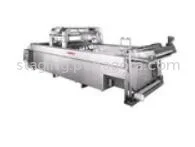
Industrial Continuous Frying Lines For High Volume Snack Production
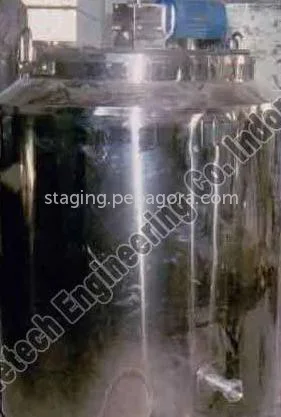
Industrial Pre Cream Mixer For Dairy And Food Processing
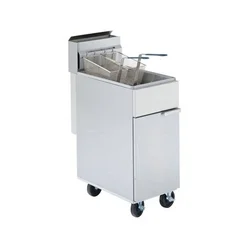
Industrial Rectangle Batch Fryer For Snacks Chips Food Production
KVR Industries
Commercial Soft Serve Ice Cream Machine For High Volume Dessert Production
Commercial Automatic Softy Ice Cream Machine For Cafes & Dessert Shops
Commercial Electric Softy Ice Cream Machine with Night Mode for Continuous Operation
Why Businesses Trust Pepagora
Thousands of companies trust Pepagora to source smarter and sell faster
Expand Your Sales Globally
25000+Products listed.Get discovered by global buyers
Tools to boost visibility
Build your own catalog

Source Smarter,Grow Faster
4000+Active RFQs
100+ Countries served
Easy Sourcing Tools
