
 IN
INundefined
Fruit & Vegetable Washing Machines
10 products available
𝗪𝗵𝗮𝘁 𝗮𝗿𝗲 𝗙𝗿𝘂𝗶𝘁 & 𝗩𝗲𝗴𝗲𝘁𝗮𝗯𝗹𝗲 𝗪𝗮𝘀𝗵𝗶𝗻𝗴 𝗠𝗮𝗰𝗵𝗶𝗻𝗲𝘀?
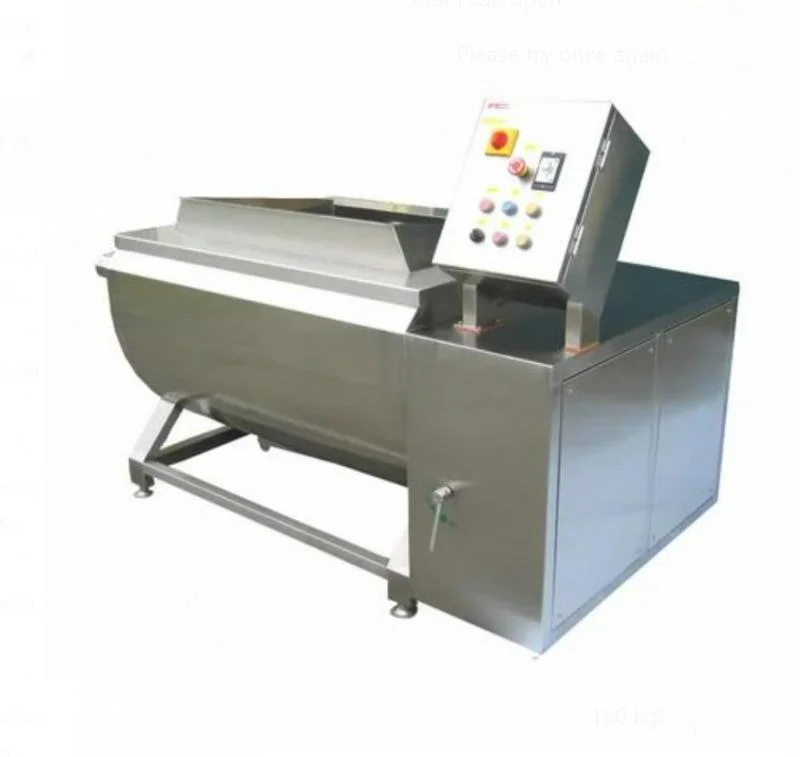
Fruit and vegetable washing machines are specialized equipment designed to cleanse fresh produce effectively and efficiently. These machines utilize various washing techniques, including high-pressure water jets, brushes, and sometimes chemical solutions, to remove dirt, pesticides, and other contaminants from fruits and vegetables. The purpose of these machines is to ensure that produce is safe for consumption and meets quality standards required in the food industry.
These machines are commonly used in food processing facilities, farms, and grocery stores where high volumes of fresh produce need to be handled. Their primary applications include washing, rinsing, and sometimes sanitizing fruits and vegetables before they are packaged or sold. With increasing awareness of food safety and hygiene, the demand for fruit and vegetable washing machines has grown significantly, positioning them as essential equipment in the agricultural and food sectors.
In a market driven by food safety regulations and consumer demand for clean produce, these machines play a vital role. They help businesses comply with industry standards like HACCP and ensure that the products offered to consumers are clean and safe. The integration of technology into these machines, such as automated controls and monitoring systems, further enhances their effectiveness and appeal.
𝗞𝗲𝘆 𝗙𝗲𝗮𝘁𝘂𝗿𝗲𝘀 𝗮𝗻𝗱 𝗦𝗽𝗲𝗰𝗶𝗳𝗶𝗰𝗮𝘁𝗶𝗼𝗻𝘀
Fruit and vegetable washing machines come with a variety of features designed to enhance their efficiency and usability. When considering a washing machine for your business, it is essential to review its specifications to ensure it meets your operational needs.
Key specifications include:
1. Washing Capacity
- Describes the volume of produce that can be washed per hour.
- Typically ranges from 500 to 5000 kg/hour.
2. Water Consumption
- Indicates the amount of water used during the washing cycle.
- Usually varies between 200 to 1000 liters per hour.
3. Energy Efficiency
- Refers to the machine's power usage during operation.
- Energy consumption is often rated in kilowatts (kW), with efficient models using less than 5 kW.
4. Construction Material
- Made from stainless steel for durability and ease of cleaning.
- Ensures compliance with food safety standards.
5. Automation Level
- Varies from manual to fully automated systems.
- Automated systems may include programmable controls for different washing cycles.
6. Size and Footprint
- Physical dimensions affecting installation and operation space.
- Commonly ranges from compact models for small operations to larger setups for industrial use.
7. Maintenance Requirements
- Specifies how often the machine needs servicing.
- Regular maintenance is essential for optimal performance.
8. Safety Features
- Includes emergency stop buttons and water level sensors.
- Ensures safe operation and prevents accidents.
In summary, understanding these key features and specifications will help businesses select the right fruit and vegetable washing machine tailored to their specific requirements.
𝗖𝗼𝗺𝗺𝗼𝗻 𝗔𝗽𝗽𝗹𝗶𝗰𝗮𝘁𝗶𝗼𝗻𝘀 𝗮𝗻𝗱 𝗨𝘀𝗲 𝗖𝗮𝘀𝗲𝘀
Fruit and vegetable washing machines find applications across various industries, ensuring that produce is clean and safe for consumption.
1. Food Processing: These machines are essential in food processing plants where fruits and vegetables are prepared for packaging. They help remove contaminants and ensure compliance with safety standards.
2. Agriculture: Farms use washing machines to clean freshly harvested produce before it is sent to markets. This process enhances the shelf life and visual appeal of the products.
3. Grocery Stores: Retailers utilize these machines in their produce sections to wash fruits and vegetables before displaying them for sale, ensuring that customers receive clean products.
4. Catering Services: Large-scale catering companies employ washing machines to prepare vegetables in bulk for events, ensuring that hygiene standards are met.
5. Export Businesses: Companies exporting fresh produce often use washing machines to comply with international quality standards, making their products competitive in global markets.
6. Restaurants: Many restaurants use these machines to wash vegetables quickly and efficiently, allowing for faster preparation times in their kitchens.
7. Organic Farms: Organic produce requires careful handling and cleaning, making washing machines a critical component for maintaining certification.
𝗣𝗿𝗼𝗱𝘂𝗰𝘁 𝗩𝗮𝗿𝗶𝗮𝗻𝘁𝘀 𝗮𝗻𝗱 𝗦𝘂𝗯𝗰𝗮𝘁𝗲𝗴𝗼𝗿𝗶𝗲𝘀
Fruit and vegetable washing machines come in various designs and configurations to cater to different business needs.
Batch Washing Machines
These machines are designed for smaller operations where produce is washed in batches. They are often compact and easy to operate, making them ideal for small farms or local markets.
Continuous Washing Machines
For larger operations, continuous washing machines are more suitable. They can handle high volumes of produce and feature automated systems that allow for constant washing without interruption.
Customized Washing Solutions
Some manufacturers offer bespoke solutions tailored to specific washing needs, such as specialized features for delicate fruits or customizable washing cycles.
𝗕𝗲𝗻𝗲𝗳𝗶𝘁𝘀 𝗮𝗻𝗱 𝗔𝗱𝘃𝗮𝗻𝘁𝗮𝗴𝗲𝘀
Investing in fruit and vegetable washing machines offers numerous benefits to businesses in the food industry.
1. Enhanced Food Safety: These machines ensure that fruits and vegetables are thoroughly cleaned, reducing the risk of foodborne illnesses.
2. Improved Product Quality: Clean produce has a better appearance, which can attract more customers and enhance sales.
3. Time Efficiency: Automated washing processes significantly reduce the time required for cleaning produce compared to manual methods.
4. Compliance with Regulations: Using washing machines helps businesses meet food safety regulations and industry standards.
5. Cost Savings: Although there is an initial investment, these machines can lead to long-term savings by reducing labor costs and minimizing waste from spoiled produce.
6. Consistency: Machines provide a uniform cleaning process, ensuring that all produce is treated equally, leading to consistent quality.
𝗕𝘂𝘆𝗶𝗻𝗴 𝗚𝘂𝗶𝗱𝗲 𝗳𝗼𝗿 𝗕𝟮𝗕 𝗕𝘂𝘆𝗲𝗿𝘀
When looking to purchase fruit and vegetable washing machines, there are several critical factors to consider to ensure you make an informed decision.
1. Quality Assessment: Evaluate the build quality and material of the machine. Stainless steel construction is preferred for durability and hygiene.
2. Supplier Verification: Conduct thorough research to verify suppliers. Check their reputation, customer reviews, and industry experience.
3. Pricing and MOQ: Understand the pricing structure and minimum order quantities. Compare quotes from multiple suppliers to find the best deal.
4. Delivery and Lead Times: Inquire about the logistics involved, including delivery timelines. This will help in planning your operations effectively.
5. Compliance Requirements: Ensure that the machines comply with relevant industry standards and certifications, such as CE and HACCP, to avoid regulatory issues.
𝗖𝗼𝗺𝗽𝗹𝗶𝗮𝗻𝗰𝗲 𝗮𝗻𝗱 𝗖𝗲𝗿𝘁𝗶𝗳𝗶𝗰𝗮𝘁𝗶𝗼𝗻𝘀
Compliance with industry standards is crucial for fruit and vegetable washing machines. Relevant quality standards include ISO 9001, which focuses on quality management systems, and HACCP, aimed at ensuring food safety throughout the production process.
Industry certifications like CE indicate that the machines meet European Union safety and health requirements, which is essential for manufacturers exporting their products.
Safety and testing requirements also play a vital role in ensuring that the machines operate safely and effectively. Businesses should be aware of regional compliance considerations, as regulations may vary by country. Compliance with local laws ensures smooth operations and helps avoid potential fines or shutdowns.
𝗪𝗵𝘆 𝗦𝗼𝘂𝗿𝗰𝗲 𝗙𝗿𝘂𝗶𝘁 & 𝗩𝗲𝗴𝗲𝘁𝗮𝗯𝗹𝗲 𝗪𝗮𝘀𝗵𝗶𝗻𝗴 𝗠𝗮𝗰𝗵𝗶𝗻𝗲𝘀 𝗳𝗿𝗼𝗺 𝗣𝗲𝗽𝗮𝗴𝗼𝗿𝗮?
Pepagora offers a reliable platform for sourcing fruit and vegetable washing machines, providing buyers with several key advantages.
Verified Supplier Network: Pepagora has established a network of verified suppliers, ensuring that buyers can trust the quality and reliability of the machines they purchase.
Streamlined RFQ Process: The platform simplifies the request for quotation process, allowing buyers to easily compare prices and specifications from multiple suppliers.
Trade Assurance and Support: Pepagora provides trade assurance, protecting buyers from potential risks associated with transactions, and offers support throughout the purchasing process.
Regional Coverage: With a focus on markets in India, the GCC, and Southeast Asia, Pepagora connects buyers with suppliers across these regions, facilitating international trade and ensuring a wide selection of options.
Newly Added



Recently Added
Bansi Kitchenware & Household
Commercial Manual Rotary Egg Beater Stainless Steel Blades Nylon Gears
Commercial Orange Juicer Compact High Volume Durable For Juice Bars Hotels Cafes
Commercial Kitchen Premium D.M. Stainless Steel Vegetable Knives
Shine Success System
Commercial Hydraulic Sevai Idiyappam Making Machine For High Volume Production
Belt Conveyors For Material Handling In Warehouses And Manufacturing
Premium Idli Dosa Batter Filling Machine For Hygienic Packaging
E. S. S. E. M. M. Corporation
Commercial Heavy Duty 5 Meat Forks Rotisserie with Manual Controls
Commercial Dish Warmer 30 Plate Single Head Food Warmer
Commercial Electric Pressure Fryer For High Volume Kitchens
Essemm Corporation
Commercial Vegetable Cutting Machine Stainless Steel High Volume Slicer
Commercial Kitchen Table Top Vegetable Cutting Machine For High Efficiency
Industrial Potato Peeler Stainless Steel Fast Peeling 50 90 Seconds
Jwala Engineering Company
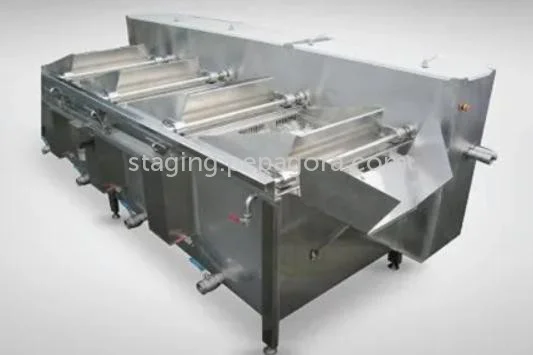
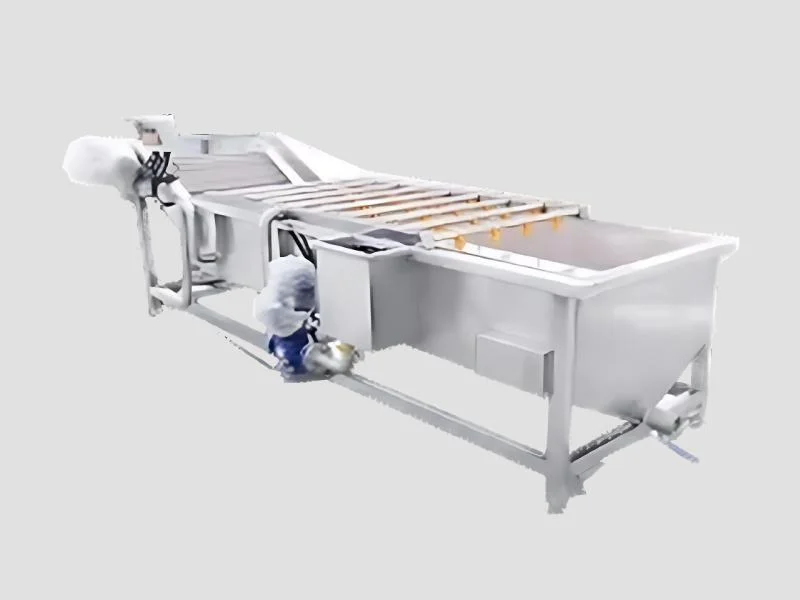
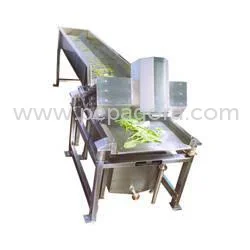
Industrial Vegetable Washer For Fruits And Vegetables With Stainless Steel
Industrial Potato Peeler Machine For High Capacity Root Vegetable Peeling
Industrial Leafy Vegetables Washer For Commercial Food Processing
Diamond Engineering Enterprises
Diamond Engineering Solar Panels 3W 350W Mono Poly Crystalline
Hybrid Solar Inverter 220V On Grid Single Three Phase High Efficiency
Solar Air Dryer Automatic 10kg 60 65C Agricultural Food Industrial
Mariya Engineering Works
Commercial Coconut Milk Extractor Machine 250 Kg/Hr Stainless Steel Automatic
Commercial Semi Automatic Coconut Milk Extractor 50 Kg/Hr Stainless Steel
Commercial Coconut Milk Processing Machine 50 Kg/hr Stainless Steel
Eco Cosmos
Commercial SC 120 Table Cooking Mixer For Sauces And Confectionery
Commercial T Bar Mixers Heavy Duty Stainless Steel Food Mixing
Commercial Cooking Mixer For Sauces Confectionery Semi Solid Foods
Why Businesses Trust Pepagora
Thousands of companies trust Pepagora to source smarter and sell faster
Expand Your Sales Globally
25000+Products listed.Get discovered by global buyers
Tools to boost visibility
Build your own catalog

Source Smarter,Grow Faster
4000+Active RFQs
100+ Countries served
Easy Sourcing Tools
