
 IN
INundefined
Fruit & Vegetable Processing Machines
174 products available
𝗪𝗵𝗮𝘁 𝗮𝗿𝗲 𝗙𝗿𝘂𝗶𝘁 & 𝗩𝗲𝗴𝗲𝘁𝗮𝗯𝗹𝗲 𝗣𝗿𝗼𝗰𝗲𝘀𝘀𝗶𝗻𝗴 𝗠𝗮𝗰𝗵𝗶𝗻𝗲𝘀?
Fruit and vegetable processing machines are specialized equipment designed to prepare, process, and package fresh produce. These machines can handle various tasks, including washing, cutting, peeling, and packaging fruits and vegetables, ensuring they are ready for consumption or further processing. The technology behind these machines varies from simple manual devices to advanced automated systems capable of handling large volumes of produce.
These machines play a crucial role in the food processing industry, where efficiency and quality are paramount. They are widely used in food manufacturing plants, restaurants, and grocery stores, helping to streamline operations and improve product consistency. With the growing demand for processed food products, the relevance of fruit and vegetable processing machines continues to increase in both domestic and international markets.
In the context of the current market, the fruit and vegetable processing machine industry is experiencing significant growth. Factors such as the rise in health consciousness among consumers, increased demand for ready-to-eat meals, and advancements in food technology are driving this growth. As a result, businesses in various sectors are actively seeking reliable and efficient processing machines to meet consumer needs.
𝗞𝗲𝘆 𝗙𝗲𝗮𝘁𝘂𝗿𝗲𝘀 𝗮𝗻𝗱 𝗦𝗽𝗲𝗰𝗶𝗳𝗶𝗰𝗮𝘁𝗶𝗼𝗻𝘀
Fruit and vegetable processing machines come equipped with a variety of features that enhance their functionality and efficiency. These features are designed to ensure optimal performance and safety during operation.
Key specifications include:
1. Processing Capacity
- The amount of produce the machine can handle per hour
- Ranges from small-scale (hundreds of kilograms) to large-scale (tons)
2. Power Consumption
- The energy requirements for operating the machine
- Typically measured in kilowatts (kW)
3. Material Construction
- The types of materials used in the machine's construction, such as stainless steel for durability and hygiene
4. Automation Level
- The extent to which the machine is automated
- Options include fully automatic, semi-automatic, and manual operations
5. Size and Dimensions
- Physical dimensions of the machine, affecting installation and space requirements
6. Safety Features
- Built-in safety mechanisms to protect operators, such as emergency stop buttons and safety guards
7. Maintenance Requirements
- Frequency and type of maintenance needed to keep the machine in optimal condition
8. Compliance Standards
- Certifications and standards the machine adheres to, ensuring safety and quality
These specifications play a vital role in helping businesses choose the right machine for their processing needs.
𝗖𝗼𝗺𝗺𝗼𝗻 𝗔𝗽𝗽𝗹𝗶𝗰𝗮𝘁𝗶𝗼𝗻𝘀 𝗮𝗻𝗱 𝗨𝘀𝗲 𝗖𝗮𝘀𝗲𝘀
Fruit and vegetable processing machines serve various industries, enhancing efficiency and productivity in each sector.
1. Food Manufacturing: These machines are essential for large-scale food production, allowing manufacturers to process fruits and vegetables into sauces, purees, and canned goods.
2. Restaurants and Catering: In commercial kitchens, processing machines help chefs quickly prepare ingredients, ensuring consistent quality and reducing preparation time.
3. Grocery Stores and Supermarkets: These establishments use processing machines for efficient handling and packaging of fresh produce, maintaining product quality and extending shelf life.
4. Juice and Beverage Production: Processing machines are vital in extracting juices and purees, enabling beverage manufacturers to create a variety of drinks from fresh produce.
5. Frozen Food Industry: Machines designed for freezing and packaging fruits and vegetables help maintain nutritional value while extending the product's shelf life.
6. Snack Food Production: Manufacturers utilize these machines to process fruits and vegetables into chips or dried snacks, catering to health-conscious consumers.
7. Export and Distribution: Exporters rely on processing machines to package and preserve produce for international shipping, ensuring compliance with quality standards.
𝗣𝗿𝗼𝗱𝘂𝗰𝘁 𝗩𝗮𝗿𝗶𝗮𝗻𝘁𝘀 𝗮𝗻𝗱 𝗦𝘂𝗯𝗰𝗮𝘁𝗲𝗴𝗼𝗿𝗶𝗲𝘀
Fruit and vegetable processing machines come in various types, each designed to meet specific processing needs.
Cutting Machines: These machines are designed for slicing, dicing, and chopping fruits and vegetables. They help reduce preparation time and ensure uniform cuts for consistent cooking.
Peeling Machines: Ideal for removing the skins of various fruits and vegetables, peeling machines enhance efficiency and minimize waste during the preparation process.
Washing Machines: These machines are essential for cleaning produce before processing. They utilize water and sometimes specialized cleaning agents to ensure hygiene and remove contaminants.
Packaging Machines: Designed to package processed fruits and vegetables, these machines help maintain freshness and extend shelf life through vacuum sealing or modified atmosphere packaging.
𝗕𝗲𝗻𝗲𝗳𝗶𝘁𝘀 𝗮𝗻𝗱 𝗔𝗱𝘃𝗮𝗻𝘁𝗮𝗴𝗲𝘀
Investing in fruit and vegetable processing machines offers numerous benefits for businesses.
1. Increased Efficiency: Automated machines significantly reduce processing time compared to manual methods, improving overall productivity.
2. Consistent Quality: These machines ensure uniformity in the size and quality of processed products, enhancing customer satisfaction.
3. Labor Savings: By automating processes, businesses can reduce labor costs and allocate staff to other essential tasks.
4. Enhanced Food Safety: Many machines come with features that ensure compliance with food safety standards, reducing the risk of contamination.
5. Versatility: Fruit and vegetable processing machines can handle a variety of produce, making them suitable for different applications in the food industry.
6. Improved Shelf Life: Proper processing and packaging extend the shelf life of fruits and vegetables, reducing food waste and increasing profitability.
𝗕𝘂𝘆𝗶𝗻𝗴 𝗚𝘂𝗶𝗱𝗲 𝗳𝗼𝗿 𝗕𝟮𝗕 𝗕𝘂𝘆𝗲𝗿𝘀
When sourcing fruit and vegetable processing machines, it's essential to consider several factors to ensure you make an informed decision.
1. Quality Assessment: Evaluate the quality of materials and construction. Look for machines made from durable materials that comply with industry standards.
2. Supplier Verification: Vet suppliers thoroughly to ensure they have a good reputation and offer reliable customer support and service.
3. Pricing and MOQ: Consider the price range and minimum order quantities to align with your budget and operational needs.
4. Delivery and Lead Times: Assess logistics capabilities, including how quickly the supplier can deliver the machines and any associated lead times.
5. Compliance Requirements: Ensure that the machines meet relevant regulatory standards for food processing in your region to avoid future compliance issues.
𝗖𝗼𝗺𝗽𝗹𝗶𝗮𝗻𝗰𝗲 𝗮𝗻𝗱 𝗖𝗲𝗿𝘁𝗶𝗳𝗶𝗰𝗮𝘁𝗶𝗼𝗻𝘀
Fruit and vegetable processing machines must adhere to various quality and safety standards to ensure they are safe and effective for food processing.
ISO 9001 is a widely recognized standard that indicates a commitment to consistent quality management systems.
HACCP (Hazard Analysis Critical Control Point) is essential for food safety, focusing on identifying and managing hazards throughout the processing stages.
CE certification is crucial for machines sold in Europe, indicating compliance with safety and health regulations.
Safety and testing requirements often include rigorous assessments to ensure machines operate reliably and safely under normal conditions.
Furthermore, regional compliance considerations may vary, necessitating additional certifications or standards specific to local markets.
𝗪𝗵𝘆 𝗦𝗼𝘂𝗿𝗰𝗲 𝗙𝗿𝘂𝗶𝘁 & 𝗩𝗲𝗴𝗲𝘁𝗮𝗯𝗹𝗲 𝗣𝗿𝗼𝗰𝗲𝘀𝘀𝗶𝗻𝗴 𝗠𝗮𝗰𝗵𝗶𝗻𝗲𝘀 𝗳𝗿𝗼𝗺 𝗣𝗲𝗽𝗮𝗴𝗼𝗿𝗮?
Pepagora provides a trusted platform for sourcing fruit and vegetable processing machines, offering several key advantages that set it apart from competitors.
Verified Supplier Network: Pepagora connects buyers with a network of verified suppliers, ensuring that businesses receive high-quality machines from reputable manufacturers.
Streamlined RFQ Process: The platform simplifies the request for quotation (RFQ) process, allowing businesses to easily compare options and receive tailored offers from multiple suppliers.
Trade Assurance and Support: Pepagora offers trade assurance, providing buyers with protection against potential risks, along with dedicated support to assist throughout the purchasing process.
Regional Coverage: With a broad geographic reach across India, the GCC, and Southeast Asia, Pepagora is well-positioned to meet the diverse needs of businesses in various markets, facilitating smooth transactions and timely delivery.
Newly Added


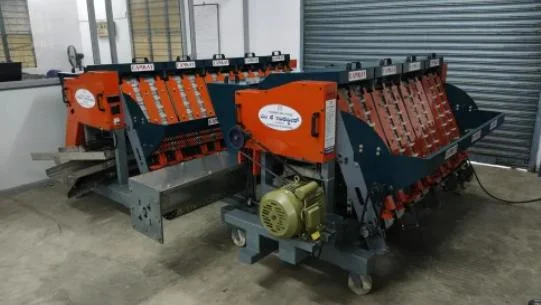
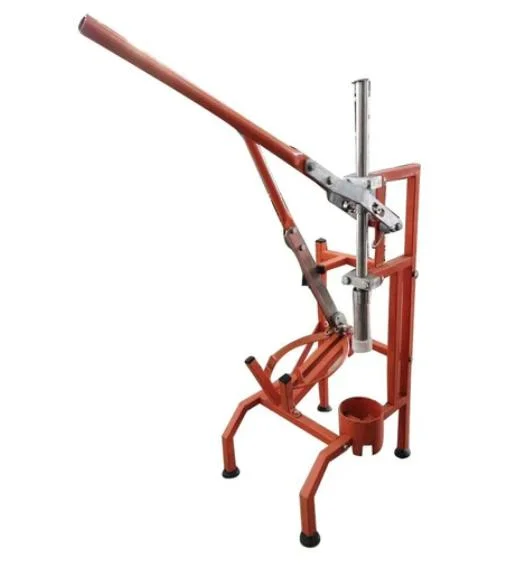
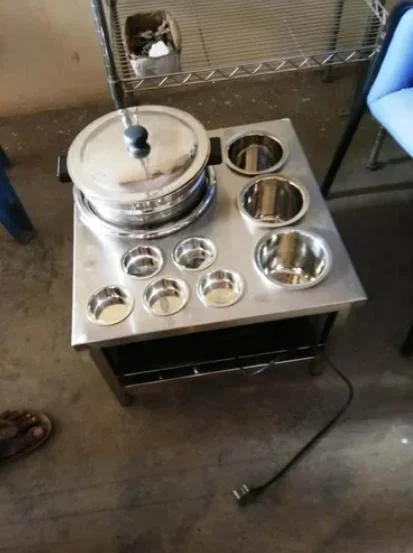
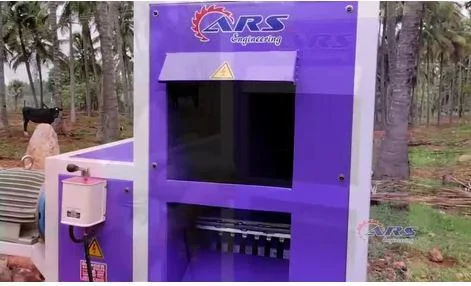
Recently Added
Vibhu Kitchen Equipment
Industrial Vibhu Supari Cutter High Capacity Areca Nut Cutting Machine
Commercial Tandoor For Restaurants Hotels High Volume Cooking
Industrial Garlic Peeler Machine Automatic High Capacity 200kg/h
Venkateswara Engineering Works
Industrial Heavy Duty Cake Kneader with CI Body and SS Drum
Industrial Cake Kneader Heavy Duty Dough Mixer CI Body SS Drum 1 HP
Commercial Fully Automatic Chapati Machine For High Volume Production
Guru Nanak Engineering Works
Industrial Food Extrusion Machine Heavy Duty High Output Processing
Industrial Dry Fruit Roaster Machine Low Fuel High Capacity
Industrial Conveyor Belt 1 HP AC Motor 15'x3'x3.5' 250 kg Capacity
A. G. Mechanical Works
Industrial Dyeing Machines For Textile Manufacturers Uniform Color
High Precision Die Casting Dies For Dimensional Accuracy And High Pressure
Industrial Plastic Electrical Parts Manufacturer High Quality Components
Andavar Lathe Works
Industrial Moringa Oil Extraction Machine Cold Pressed High Purity
Modern Ghani Machines For Efficient Oil Extraction From Seeds
Industrial Moringa Oil Extraction Machine High Purity Yield Efficiency
Madaan International
Commercial Hand Press Juicer for Pulpy Fruits Portable & Manual
Commercial Juice Machines For High Volume Extraction
Commercial Carrot Juicer For High Volume Food Service Operations
Sadas Engineering Works
Commercial Stainless Steel Sambar Milk Cooker 25L 150L Mechanical Tilting
Commercial Wet Grinder Automatic Stainless Steel Silent Operation
Automatic Papad Machine With Dual Rollers And Rotating Disc
Dep Agro Machineries Pvt Ltd
Marina Manual Chaff Cutter For Livestock Fodder Cutting Efficiency
Farm Electric Chaff Cutter For Uniform Fodder Cutting
Heavy Duty ECTR 10000 Forage Chopper for Large Scale Cattle Farms
Jagjeet Engineering Works (Regd )
Commercial Juicer Machine Model 30 High Volume Durable Aluminum
Commercial Electric Open Type Juicer Machine 100 LPH 1/2 HP Aluminum
Commercial Electric Juicer Machine 60 LPH 1/2 HP Motor
Honey Combb Products
Commercial Dough Kneading Machine Stainless Steel For Bakeries
Industrial Roti Making Machine For High Volume Food Production
Industrial Pulverizer Machine For Grinding And Crushing Applications
Why Businesses Trust Pepagora
Thousands of companies trust Pepagora to source smarter and sell faster
Expand Your Sales Globally
25000+Products listed.Get discovered by global buyers
Tools to boost visibility
Build your own catalog

Source Smarter,Grow Faster
4000+Active RFQs
100+ Countries served
Easy Sourcing Tools
