
 IN
INundefined
Fructose
3 products available
𝗪𝗵𝗮𝘁 𝗮𝗿𝗲 𝗙𝗿𝘂𝗰𝘁𝗼𝘀𝗲?
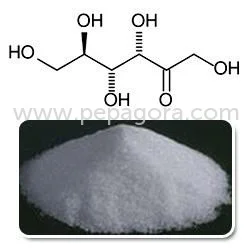
Fructose is a simple sugar, also known as fruit sugar, that is naturally found in many fruits, vegetables, and honey. As a monosaccharide, it is one of the primary sources of energy for living organisms. Fructose is sweeter than glucose, which makes it a preferred ingredient in various food and beverage products, providing not only sweetness but also enhancing the overall flavor profile.
In the business context, fructose is predominantly used in the food and beverage industry as a sweetening agent. It is commonly utilized in processed foods, soft drinks, and confectionery items. Additionally, fructose plays a significant role in the pharmaceutical industry as an excipient and is increasingly being used in health and wellness products due to its low glycemic index. The growing demand for natural sweeteners and the rising health consciousness among consumers have made fructose an important ingredient in various market segments.
𝗞𝗲𝘆 𝗙𝗲𝗮𝘁𝘂𝗿𝗲𝘀 𝗮𝗻𝗱 𝗦𝗽𝗲𝗰𝗶𝗳𝗶𝗰𝗮𝘁𝗶𝗼𝗻𝘀
Fructose is characterized by various features that make it suitable for a range of industrial applications. Understanding these specifications is crucial for businesses looking to incorporate fructose into their products.
Key specifications include:
1. Purity Level
- Fructose typically has a purity level of 99% or higher.
- High purity ensures minimal flavor interference in food applications.
2. Solubility
- Fructose is highly soluble in water.
- This feature allows for easy integration into liquid products.
3. Sweetness Level
- Fructose is about 1.5 times sweeter than sucrose.
- This high sweetness level enables reduced usage in formulations.
4. Low Glycemic Index
- Fructose has a glycemic index of around 19.
- This property makes it a suitable alternative for diabetic products.
5. Shelf Stability
- Fructose is stable under proper storage conditions.
- Its stability ensures a longer shelf life for food products.
6. Fermentability
- Fructose can be fermented by yeast and bacteria.
- This characteristic is beneficial in alcoholic beverage production.
7. Color and Odor
- Fructose is typically colorless and odorless.
- This neutral profile allows it to blend seamlessly with other ingredients.
In summary, fructose is a versatile ingredient with many beneficial characteristics, making it an essential component in various industries.
𝗖𝗼𝗺𝗺𝗼𝗻 𝗔𝗽𝗽𝗹𝗶𝗰𝗮𝘁𝗶𝗼𝗻𝘀 𝗮𝗻𝗱 𝗨𝘀𝗲 𝗖𝗮𝘀𝗲𝘀
Fructose serves various industries due to its unique properties and versatility.
1. Food and Beverage: Fructose is widely used as a sweetener in soft drinks, juices, and snacks, enhancing flavor without the need for high sugar content.
2. Pharmaceuticals: In the pharmaceutical industry, fructose acts as an excipient in tablets and syrups, improving taste and solubility.
3. Nutraceuticals: Fructose is increasingly being used in health supplements and functional foods designed for weight management and diabetic diets.
4. Bakery: In the bakery sector, fructose helps improve browning and moisture retention in bread and pastries.
5. Confectionery: Fructose is a popular choice for candy and chocolate production, providing sweetness while maintaining texture.
6. Dairy Products: Fructose is used in flavored yogurts and ice creams to enhance sweetness without increasing calories significantly.
7. Animal Feed: Fructose is also incorporated into animal nutrition products, providing energy and improving palatability.
𝗣𝗿𝗼𝗱𝘂𝗰𝘁 𝗩𝗮𝗿𝗶𝗮𝗻𝘁𝘀 𝗮𝗻𝗱 𝗦𝘂𝗯𝗰𝗮𝘁𝗲𝗴𝗼𝗿𝗶𝗲𝘀
Fructose is available in various forms, catering to different industrial needs.
Liquid Fructose
Liquid fructose is a syrup form that is easy to use in liquid formulations. It is ideal for beverages and sauces, providing excellent sweetness and solubility.
Crystalline Fructose
Crystalline fructose comes in a powdered form and is often used in baking and dry mixes. Its high purity makes it a preferred choice for many manufacturers.
𝗕𝗲𝗻𝗲𝗳𝗶𝘁𝘀 𝗮𝗻𝗱 𝗔𝗱𝘃𝗮𝗻𝘁𝗮𝗴𝗲𝘀
Fructose offers several benefits that make it an attractive option for businesses.
1. Enhanced Sweetness: Fructose is sweeter than regular sugar, allowing for lower usage rates in formulations while achieving desired sweetness levels.
2. Low Glycemic Impact: With a low glycemic index, fructose is suitable for products targeting health-conscious consumers, including those with diabetes.
3. Versatile Applications: Fructose's solubility and stability make it suitable for a wide range of applications across multiple industries.
4. Natural Source: Being derived from fruits, fructose appeals to consumers looking for natural ingredients in their foods and beverages.
5. Improved Flavor Profile: Fructose enhances the overall flavor of products, making them more appealing to consumers.
6. Cost Efficiency: Due to its high sweetness level, less fructose is needed in formulations, potentially reducing overall ingredient costs.
𝗕𝘂𝘆𝗶𝗻𝗴 𝗚𝘂𝗶𝗱𝗲 𝗳𝗼𝗿 𝗕𝟮𝗕 𝗕𝘂𝘆𝗲𝗿𝘀
When sourcing fructose, businesses should consider several critical factors to ensure they select the right product for their needs.
1. Quality Assessment: Evaluate the purity and quality of fructose being offered. High purity levels are essential for maintaining flavor integrity in food products.
2. Supplier Verification: Vet potential suppliers by checking their certifications and industry reputation. Reliable suppliers ensure consistent quality and supply.
3. Pricing and MOQ: Understand the pricing structure and minimum order quantities required by suppliers. This information is crucial for budgeting and planning.
4. Delivery and Lead Times: Discuss logistics and expected lead times for delivery. Timely delivery is essential for maintaining production schedules.
5. Compliance Requirements: Ensure that the fructose meets relevant regulatory standards for your specific industry, including food safety and labeling requirements.
𝗖𝗼𝗺𝗽𝗹𝗶𝗮𝗻𝗰𝗲 𝗮𝗻𝗱 𝗖𝗲𝗿𝘁𝗶𝗳𝗶𝗰𝗮𝘁𝗶𝗼𝗻𝘀
Fructose must adhere to various quality standards and certifications to ensure safety and reliability in its applications. Relevant quality standards such as ISO 9001 are critical for maintaining consistent product quality. Additionally, adherence to HACCP (Hazard Analysis and Critical Control Points) guidelines ensures food safety throughout the production process.
Industry certifications, including CE, signify compliance with European health, safety, and environmental protection standards. It is also essential to consider safety and testing requirements specific to the regions where fructose will be used. Understanding local compliance considerations is crucial for businesses involved in international trade.
𝗪𝗵𝘆 𝗦𝗼𝘂𝗿𝗰𝗲 𝗙𝗿𝘂𝗰𝘁𝗼𝘀𝗲 𝗳𝗿𝗼𝗺 𝗣𝗲𝗽𝗮𝗴𝗼𝗿𝗮?
Pepagora provides a trusted platform for sourcing fructose, offering several key advantages for businesses.
Verified Supplier Network: Pepagora ensures that all suppliers are thoroughly vetted, providing access to quality products from reliable sources. This verification process helps businesses make informed decisions.
Streamlined RFQ Process: The request for quotation process on Pepagora is designed to be simple and efficient, allowing buyers to receive quotes quickly and compare options easily.
Trade Assurance and Support: Pepagora offers buyer protection through trade assurance measures, ensuring that businesses can source fructose with confidence.
Regional Coverage: With a strong presence in regions such as India, the GCC, and Southeast Asia, Pepagora provides extensive geographic reach, facilitating smooth transactions across borders and enhancing supply chain efficiency.
Newly Added




Recently Added
Premier Speciality Ingredients
Whey Protein Concentrate WPC 35% 70% 80% High Quality
Premium Natural Food Flavors For Food And Beverage Manufacturing
Food Emulsifiers For Bakery Dairy Confectionery Stability
Ankur Agro Products
Premium Seedless Green Raisins For Food Manufacturing
Premium Seedless Yellow Raisins For Food Manufacturing
Premium Dried Raisins Seedless Green Yellow Brown Black
Arambaghs Nursery
Premium Adenium Double Triple Plants For Landscaping Nurseries
Industrial And Commercial Durable Solutions For Buyers
Premium Aloe Vera For Cosmetics Pharmaceuticals Wellness
Why Businesses Trust Pepagora
Thousands of companies trust Pepagora to source smarter and sell faster
Expand Your Sales Globally
25000+Products listed.Get discovered by global buyers
Tools to boost visibility
Build your own catalog

Source Smarter,Grow Faster
4000+Active RFQs
100+ Countries served
Easy Sourcing Tools
