
 IN
INundefined
Fresh Fish (Rohu, Katla, Pomfret)
11 products available
What are Fresh Fish (Rohu, Katla, Pomfret)?
Fresh fish such as Rohu, Katla, and Pomfret are popular aquatic food products sourced primarily from freshwater and marine environments. Rohu and Katla are types of carp commonly found in rivers and lakes, while Pomfret is a marine fish widely appreciated for its delicate flavor. These fish are known for their nutritional benefits, including high protein content and essential fatty acids, making them favorable choices in both domestic and commercial kitchens.
In the B2B context, these fish are utilized extensively in the food industry, including restaurants, catering services, and fish markets. They can be served fresh, frozen, or processed into various products such as fillets, fish curry, and ready-to-cook meals. The demand for fresh fish is significant in regions with a strong culinary tradition that includes fish dishes, making them a vital component of the seafood supply chain.
The market for fresh fish is influenced by factors such as consumer preferences, sustainability practices, and health trends. As more consumers lean toward healthy eating, the relevance of fresh fish in diets continues to grow. Additionally, the seafood industry is becoming increasingly focused on sustainable fishing practices to ensure the long-term viability of fish stocks, which adds a layer of complexity to sourcing these products.
𝗞𝗲𝘆 𝗙𝗲𝗮𝘁𝘂𝗿𝗲𝘀 𝗮𝗻𝗱 𝗦𝗽𝗲𝗰𝗶𝗳𝗶𝗰𝗮𝘁𝗶𝗼𝗻𝘀
Fresh Fish (Rohu, Katla, Pomfret) come with a variety of specifications that cater to different market needs. Understanding these specifications is crucial for businesses looking to source high-quality fish.
Key specifications include:
1. Species Type
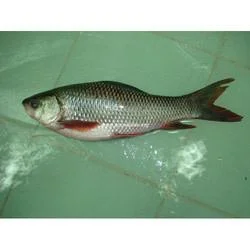
- Rohu: A freshwater fish known for its tender flesh and mild flavor.
- Katla: Another freshwater variety, typically larger and with a rich taste.
- Pomfret: A marine species recognized for its flaky texture and versatility.
2. Size and Weight
- Rohu and Katla are available in sizes ranging from 500 grams to 2 kilograms.
- Pomfret typically weighs between 300 grams to 1.5 kilograms.
3. Freshness Level
- Fresh: Fish should be delivered within 24 hours of catch.
- Frozen: Available for longer shelf life, maintaining quality through controlled freezing.
4. Packaging
- Vacuum-sealed packaging to ensure freshness.
- Ice-packed for transportation to maintain temperature control during shipping.
5. Shelf Life
- Fresh fish has a shelf life of approximately 3-5 days under proper refrigeration.
- Frozen fish can last several months without significant quality loss.
6. Nutritional Content
- High in protein, omega-3 fatty acids, and essential vitamins.
- Low in saturated fat, making it a healthy choice for consumers.
7. Compliance Standards
- Adherence to local and international food safety regulations.
- Certifications such as CE for quality assurance.
The specifications of Fresh Fish (Rohu, Katla, Pomfret) ensure that businesses can make informed sourcing decisions based on their specific needs.
𝗖𝗼𝗺𝗺𝗼𝗻 𝗔𝗽𝗽𝗹𝗶𝗰𝗮𝘁𝗶𝗼𝗻𝘀 𝗮𝗻𝗱 𝗨𝘀𝗲 𝗖𝗮𝘀𝗲𝘀
Fresh Fish (Rohu, Katla, Pomfret) play a crucial role in various industries, each utilizing these fish in unique ways.
1. Food Service Industry: Restaurants and catering services frequently incorporate these fish into menus, serving them grilled, fried, or in curries.
2. Retail Markets: Fishmongers and supermarkets offer fresh and frozen varieties, catering to consumer demand for nutritious seafood.
3. Frozen Food Sector: Processors convert fresh fish into ready-to-eat products, such as fish fingers and fish curries, targeting busy consumers.
4. Export Market: Fresh fish are shipped to international markets, where they are highly sought after for their quality and taste.
5. Aquaculture: Rohu and Katla are often farmed, promoting sustainable practices while meeting the demand for fresh seafood.
6. Health and Wellness Sector: Nutritionists and health food brands promote these fish for their health benefits, incorporating them into diet plans.
7. Culinary Schools: These fish are commonly used in culinary training programs to teach cooking techniques and fish preparation.
𝗣𝗿𝗼𝗱𝘂𝗰𝘁 𝗩𝗮𝗿𝗶𝗮𝗻𝘁𝘀 𝗮𝗻𝗱 𝗦𝘂𝗯𝗰𝗮𝘁𝗲𝗴𝗼𝗿𝗶𝗲𝘀
Fresh Fish (Rohu, Katla, Pomfret) offer a range of product variants, each with distinct characteristics that cater to different consumer preferences.
Rohu Fillet: This variant is skinless and boneless, making it easy to cook and serve. It is popular in restaurants for dishes like fish curry and grilled preparations.
Katla Whole Fish: Offered whole, this variant retains all its natural flavors and is often preferred for traditional cooking methods, especially in festive dishes.
Pomfret Steaks: These pre-cut portions are ideal for quick cooking, allowing for easy preparation in both home and commercial kitchens.
Frozen Rohu: This variant is flash-frozen to preserve freshness, making it convenient for long-term storage and use in various culinary applications.
𝗕𝗲𝗻𝗲𝗳𝗶𝘁𝘀 𝗮𝗻𝗱 𝗔𝗱𝘃𝗮𝗻𝘁𝗮𝗴𝗲𝘀
Sourcing Fresh Fish (Rohu, Katla, Pomfret) provides numerous advantages for businesses in the food industry.
Key benefits include:
1. High Nutritional Value: These fish are rich in protein and omega-3 fatty acids, offering health benefits that appeal to health-conscious consumers.
2. Versatility: They can be prepared in various ways, including grilling, frying, and steaming, making them suitable for diverse culinary applications.
3. Sustainability: Sourcing from responsible suppliers ensures the sustainability of fish stocks, appealing to environmentally-conscious buyers.
4. Quality Assurance: Fresh fish sourced from reputable suppliers often meet strict quality standards, ensuring food safety and customer satisfaction.
5. Competitive Pricing: Fresh fish can be sourced at competitive prices, allowing businesses to maintain profitability while offering quality products.
6. Consumer Demand: Growing interest in healthy eating and seafood dishes drives demand, providing opportunities for businesses to expand their offerings.
𝗕𝘂𝘆𝗶𝗻𝗴 𝗚𝘂𝗶𝗱𝗲 𝗳𝗼𝗿 𝗕𝟮𝗕 𝗕𝘂𝘆𝗲𝗿𝘀
When sourcing Fresh Fish (Rohu, Katla, Pomfret), several factors should be considered to ensure a successful procurement process.
1. Quality Assessment: Evaluate the freshness based on color, smell, and texture to ensure the fish meets high standards. Consider sourcing from suppliers who provide clear quality indicators.
2. Supplier Verification: Conduct thorough research on potential suppliers, checking for certifications, reviews, and their history in the industry to ensure reliability.
3. Pricing and MOQ: Understand the pricing structures and minimum order quantities (MOQ) to align with your budget and inventory needs.
4. Delivery and Lead Times: Assess the logistics involved in shipping and delivery to ensure timely arrival of products. This is crucial for maintaining freshness.
5. Compliance Requirements: Be aware of local and international regulations regarding seafood sourcing, including health and safety standards to avoid legal issues.
𝗖𝗼𝗺𝗽𝗹𝗶𝗮𝗻𝗰𝗲 𝗮𝗻𝗱 𝗖𝗲𝗿𝘁𝗶𝗳𝗶𝗰𝗮𝘁𝗶𝗼𝗻𝘀
Fresh Fish (Rohu, Katla, Pomfret) must adhere to various compliance and certification standards to ensure quality and safety. These include ISO 9001 for quality management systems, which ensures that processes are in place to consistently provide high-quality products. HACCP (Hazard Analysis and Critical Control Points) is essential for identifying and managing food safety risks throughout the supply chain.
Additionally, CE certification may be relevant for products intended for certain markets, ensuring compliance with European health, safety, and environmental protection standards. It is also important to follow regional compliance requirements, which may vary depending on the market. Regular testing and monitoring for contaminants are crucial to meet safety requirements and maintain consumer trust.
Why Source Fresh Fish (Rohu, Katla, Pomfret) from Pepagora?
Pepagora offers a trusted platform for sourcing Fresh Fish (Rohu, Katla, Pomfret) with several key advantages.
Verified Supplier Network: Pepagora connects buyers with a network of verified suppliers, ensuring that all products meet strict quality standards. This helps businesses find reliable partners for their seafood needs.
Streamlined RFQ Process: The request for quotation (RFQ) system simplifies the sourcing process, allowing buyers to receive competitive quotes from multiple suppliers quickly. This efficiency saves time and helps in making informed purchasing decisions.
Trade Assurance and Support: Pepagora provides trade assurance to protect buyers throughout the transaction process. This includes support for resolving disputes and ensuring that products meet the agreed specifications.
Regional Coverage: With a strong presence in India, the GCC, and Southeast Asia, Pepagora facilitates access to a wide range of fresh fish products, catering to diverse market demands while ensuring logistical efficiency.
Newly Added






Recently Added
Aquasstar
Industrial Water Pumps Submersible Centrifugal Self Priming Durable
Aquarium Filters For Commercial Aquatic Environments
Premium Fish Aquariums High Quality Tanks Filters Pumps
Aquarium India
Premium Live Orange Lined Triggerfish For Seafood Buyers
Premium Marine Aquariums For Buyers With High Reliability
Premium Plasma Aquarium Wall Mounted Living Art for Commercial Spaces
Avi Fish World
Premium Hulled Oats Bird Food Hygienic Natural Nutrition
Premium Live Aquarium Fish For Buyers And Wholesalers
Premium Aquarium Backgrounds For Buyers And Retailers
Bobby Exports
Premium Jute And Cotton Bags For Eco Friendly Packaging
Premium Durable Wine Bags For Buyers And Importers
Retail Premium Eco Friendly Shopping Bags Durable Customizable Packaging
Angelplus
Premium Frozen Eel Fish For Importers And Distributors
Frozen Cuttlefish Premium Indian Waters No Preservatives
Premium Japanese Threadfin Bream JTB Fish for Buyers
Azad Offset Printers P Ltd
Oranda Goldfish With Unique Wen Growth And Vibrant Colors
Premium Lion Fish For Buyers And Gourmet Seafood Markets
Premium Love Birds Supply Vibrant Agapornis Parrots 10 15 Year Lifespan
Crystal Aquarist
Wild Caught Aquarium Fish 45% Protein Soft Water Eco Friendly
Weeks Stock Fish 45% Protein Fresh Or Frozen Aquarium Supply
Premium Fish Food For Aquaculture And Ornamental Farms
Why Businesses Trust Pepagora
Thousands of companies trust Pepagora to source smarter and sell faster
Expand Your Sales Globally
25000+Products listed.Get discovered by global buyers
Tools to boost visibility
Build your own catalog

Source Smarter,Grow Faster
4000+Active RFQs
100+ Countries served
Easy Sourcing Tools
