
 IN
INundefined
Freight Elevators (Industrial Use)
35 products available
What are Freight Elevators (Industrial Use)?
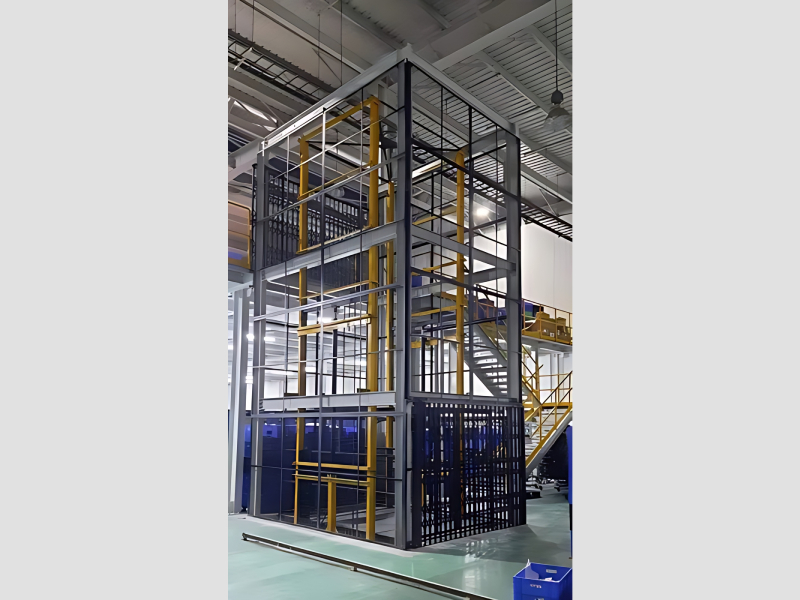
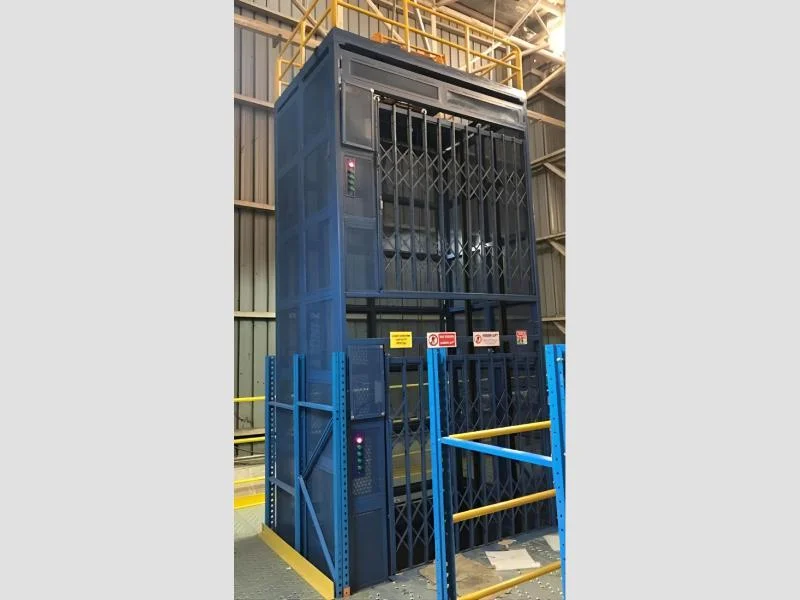
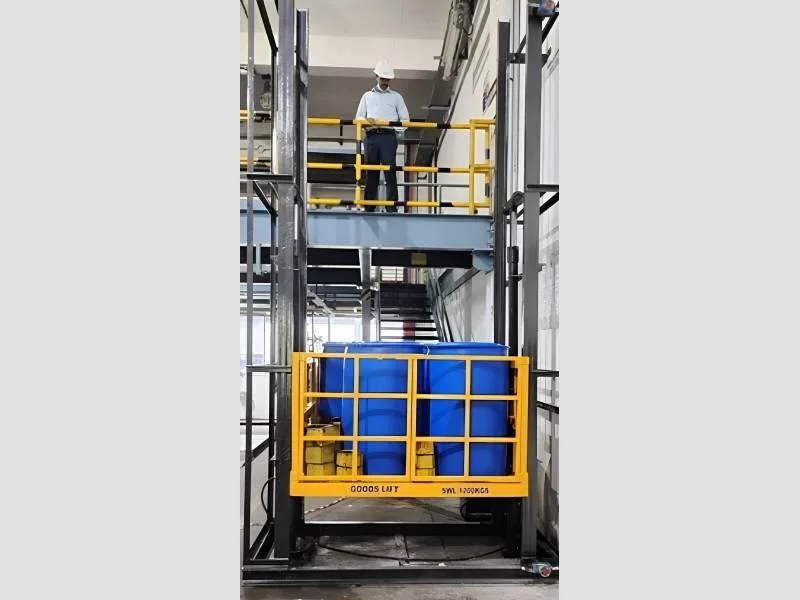
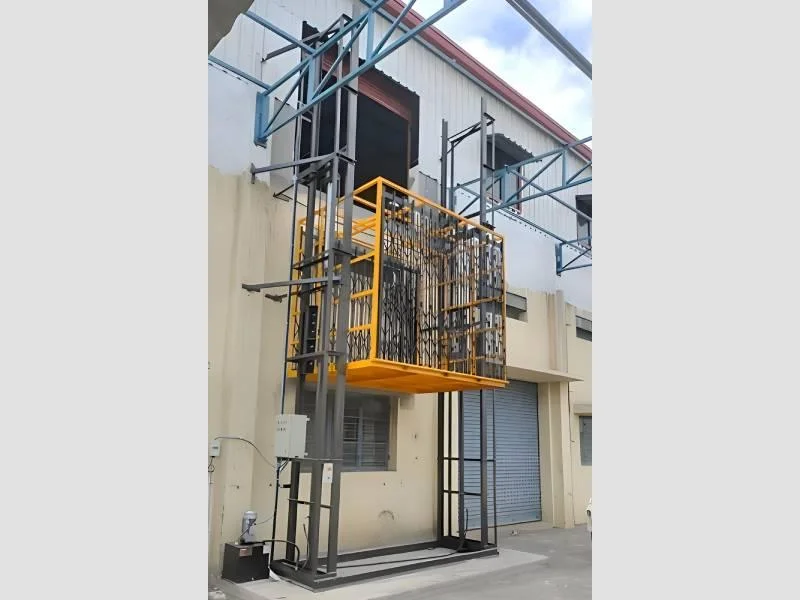
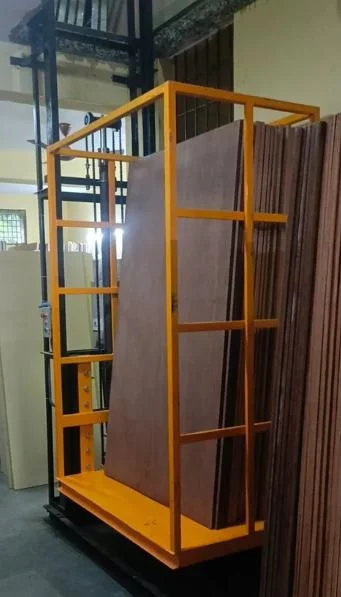
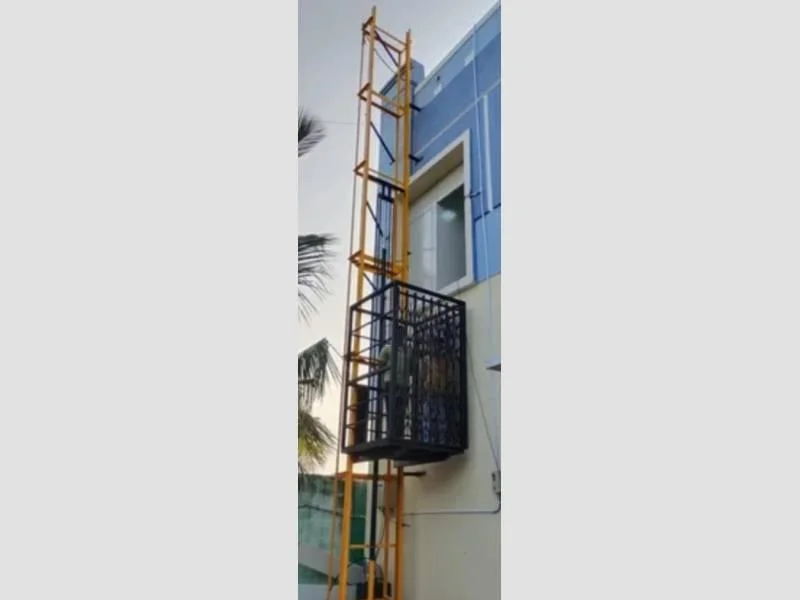
Freight elevators are specialized lifting devices designed to transport goods between different levels of a building. Unlike passenger elevators, these elevators are built to handle heavy loads and bulky items, making them essential for industrial applications. They can accommodate diverse types of cargo, including pallets, machinery, and large containers, providing an efficient solution for vertical transportation in warehouses, factories, and distribution centers.
These elevators play a vital role in various business applications. They are commonly used in settings such as manufacturing plants, where they move raw materials and finished products to different floors. In retail environments, freight elevators help transport inventory to storage areas or sales floors. The relevance of freight elevators in today's market is underscored by the increasing demand for efficient logistics and space optimization in industrial operations.
𝗞𝗲𝘆 𝗙𝗲𝗮𝘁𝘂𝗿𝗲𝘀 𝗮𝗻𝗱 𝗦𝗽𝗲𝗰𝗶𝗳𝗶𝗰𝗮𝘁𝗶𝗼𝗻𝘀
Freight elevators come with a range of features and specifications that enhance their functionality and suitability for industrial use. Understanding these specifications is crucial for buyers to ensure they meet their operational needs.
Key specifications include:
1. Load Capacity
- Freight elevators typically have a load capacity ranging from 1,000 to 10,000 pounds.
- This capacity allows for the safe transport of heavy goods.
2. Platform Size
- The platform dimensions can vary, often starting at 4 feet by 4 feet and going up to larger sizes.
- Custom sizes may be available to fit specific operational requirements.
3. Lift Height
- Standard lift heights can reach up to 30 feet, with options for custom heights based on building design.
- Higher lift capabilities ensure access to multiple stories.
4. Speed
- Typical speeds range from 50 to 150 feet per minute.
- Faster speeds improve efficiency in loading and unloading processes.
5. Power Supply
- Freight elevators are powered by electric motors, with options for hydraulic or traction systems.
- The choice of system can affect energy consumption and operational costs.
6. Safety Features
- Common safety features include emergency stop buttons, overload protection, and automatic door closures.
- These features ensure safe operation for personnel and goods.
7. Control Systems
- Advanced control systems offer features like programmable settings and remote operation.
- Enhanced controls improve user experience and operational efficiency.
8. Construction Materials
- Freight elevators are constructed from durable materials, often using steel and reinforced components.
- This construction ensures longevity and resistance to heavy use.
Freight elevators are crucial for enhancing logistics and operational efficiency in industrial settings.
𝗖𝗼𝗺𝗺𝗼𝗻 𝗔𝗽𝗽𝗹𝗶𝗰𝗮𝘁𝗶𝗼𝗻𝘀 𝗮𝗻𝗱 𝗨𝘀𝗲 𝗖𝗮𝘀𝗲𝘀
Freight elevators find applications across various industries, facilitating the movement of goods and materials.
1. Manufacturing: In manufacturing facilities, freight elevators transport raw materials and finished products between different production levels.
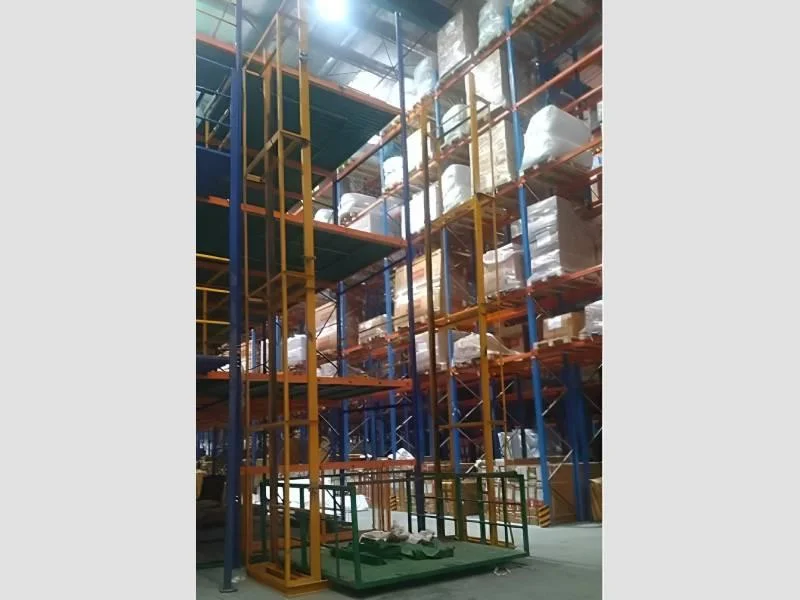
2. Warehousing: Warehouses utilize freight elevators to move large quantities of inventory to and from storage areas, optimizing space and efficiency.
3. Retail: Retail establishments employ freight elevators to transfer stock to sales floors or storage, aiding in inventory management.
4. Food and Beverage: In food processing plants, these elevators transport bulk ingredients and packaged goods, ensuring compliance with hygiene standards.
5. Construction: Construction sites use freight elevators to lift heavy equipment and building materials, enhancing workflow and safety.
6. Pharmaceuticals: Pharmaceutical companies rely on freight elevators to move sensitive products between storage and production areas, maintaining strict regulatory compliance.
7. Logistics: Logistics companies use freight elevators in distribution centers to streamline the movement of goods, improving delivery timelines.
𝗣𝗿𝗼𝗱𝘂𝗰𝘁 𝗩𝗮𝗿𝗶𝗮𝗻𝘁𝘀 𝗮𝗻𝗱 𝗦𝘂𝗯𝗰𝗮𝘁𝗲𝗴𝗼𝗿𝗶𝗲𝘀
Freight elevators are available in various configurations to meet specific operational needs.
Hydraulic Freight Elevators
These elevators use hydraulic systems to lift loads. They are ideal for low to mid-rise applications and provide smooth operation for heavy loads.
Traction Freight Elevators
Utilizing a traction system, these elevators are suited for higher buildings and offer increased speed and efficiency, making them ideal for busy industrial environments.
Custom Freight Elevators
Some suppliers offer custom solutions tailored to unique space constraints or specific load requirements, ensuring that the elevator fits perfectly within the operational workflow.
𝗕𝗲𝗻𝗲𝗳𝗶𝘁𝘀 𝗮𝗻𝗱 𝗔𝗱𝘃𝗮𝗻𝘁𝗮𝗴𝗲𝘀
Investing in freight elevators offers numerous benefits for industrial operations.
1. Increased Efficiency: Freight elevators streamline the movement of goods, reducing the time and labor associated with manual transportation.
2. Improved Safety: Designed with safety features, these elevators minimize the risk of accidents related to heavy lifting and transporting.
3. Space Optimization: By utilizing vertical space, freight elevators maximize the utility of floor layouts in warehouses and factories.
4. Versatility: Freight elevators can handle various types of cargo, making them suitable for diverse industrial applications.
5. Enhanced Workflow: With faster and safer transportation of goods, overall workflow and productivity in industrial operations improve significantly.
6. Cost Savings: By reducing labor costs and increasing efficiency, freight elevators can lead to substantial long-term savings for businesses.
𝗕𝘂𝘆𝗶𝗻𝗴 𝗚𝘂𝗶𝗱𝗲 𝗳𝗼𝗿 𝗕𝟮𝗕 𝗕𝘂𝘆𝗲𝗿𝘀
When sourcing freight elevators for industrial use, several key factors should be considered to ensure a suitable purchase.
1. Quality Assessment: Evaluate the quality of the elevator based on its construction materials, safety features, and manufacturer reputation. High-quality elevators are essential for reliability and longevity.
2. Supplier Verification: Vet potential suppliers thoroughly, checking for industry experience and customer reviews. A verified supplier can provide assurance of product quality and service.
3. Pricing and MOQ: Understand the pricing structure and minimum order quantities. Consider the budget and how it aligns with operational needs when making a purchasing decision.
4. Delivery and Lead Times: Discuss delivery logistics and lead times with suppliers to ensure that the elevator can be integrated into the operational timeline without delays.
5. Compliance Requirements: Ensure that the chosen freight elevator meets all relevant industry standards and regulations, including safety and operational compliance.
𝗖𝗼𝗺𝗽𝗹𝗶𝗮𝗻𝗰𝗲 𝗮𝗻𝗱 𝗖𝗲𝗿𝘁𝗶𝗳𝗶𝗰𝗮𝘁𝗶𝗼𝗻𝘀
Compliance with industry standards and certifications is critical for freight elevators.
Freight elevators must adhere to relevant quality standards such as ISO 9001, which ensures a consistent level of quality in manufacturing processes. Certification demonstrates that a product meets international quality management standards.
Additionally, elevators may require CE certification, which indicates compliance with European safety standards. This certification covers essential safety and operational requirements.
Safety and testing requirements must also be in place to ensure that the elevators operate safely under various conditions. Regular inspections and maintenance are necessary to uphold safety standards.
It is important to consider regional compliance guidelines, as different regions may have specific regulations governing the installation and operation of freight elevators.
Why Source Freight Elevators (Industrial Use) from Pepagora?
Pepagora offers a trusted platform for sourcing freight elevators designed for industrial use, providing several key advantages for buyers.
Verified Supplier Network: Pepagora connects buyers with a network of verified suppliers, ensuring access to quality products and reputable manufacturers. This verification process helps mitigate risks associated with sourcing.
Streamlined RFQ Process: The platform simplifies the request for quotation (RFQ) process, allowing buyers to efficiently gather and compare quotes from multiple suppliers. This streamlined approach saves time and aids in making informed decisions.
Trade Assurance and Support: Pepagora provides trade assurance, offering buyers protection throughout the purchasing process. This support ensures that any issues encountered can be addressed effectively.
Regional Coverage: With a broad geographic reach across India, the GCC, and Southeast Asia, Pepagora connects buyers with local suppliers, facilitating easier logistics and better service. This regional focus enhances the overall sourcing experience for industrial buyers.
Newly Added





Recently Added
Beacon Elevator Company Private Limited
Premium Capsule Elevators For Hotels Malls Commercial Buildings
Business Vertical Transport Dumb Waiter Freight Elevator Up To 250kg
Industrial Freight Elevators For Heavy Duty Goods Transport
Bamrah Brothers
Commercial Escalators With Transparent Balustrade Glass And Teflon Coating
Bamrah Brothers Dumbwaiters for Hotels Restaurants Commercial Facilities
Industrial Automation Retiring Cam Sub Assembly For Precision Motion Control
Shubham Engineering Enterprises
Industrial Aluminium Telescoping Ladder with Hand Winch & Anti Slip Steps
Hydraulic High Lift Hand Pallet Truck 1 Ton Scissor Lift For Warehouses
Industrial Hand Operated Hydraulic Lifting Table For Material Handling
A One Enterprise
Industrial EOT Cranes For Heavy Duty Lifting And Material Handling
Heavy Duty Wire Rope Hoist HW Model with Safety Features
ISI Marked P Series Chain Pulley Blocks 500kg 10T Capacity ISO 9001
S. J. Switchgears Pvt. Ltd
Industrial Star Delta Timer Thermal Electrical 240V AC 220V Sealed
Industrial Motor Starting Running Capacitor 0.1 150uf 110 330V Aluminum Electrolytic
Industrial DOL Motor Starter 3 Phase 8HP To 25HP Air Cooling
Accu Tech Engineers
Industrial OEM Underslung Cranes For Coal Mineral Iron Ore Handling
Industrial A Frame Crane 0.5 30 Ton Galvanized Metal Standard
Industrial OEM Chain Hoist Mild Steel Durable Lifting Equipment
Premier Cnc Press Shop Pvt Ltd
Security System Cabinets Durable Corrosion Resistant Protection
Industrial PCB Cradles For Racks Durable Corrosion Resistant Storage
Heavy Duty Network System Racks Steel Durable IT Telecom
Karaavali Switchgears
Industrial Power Distribution Aluminum Busbars E91E Alloy ISI 5082
Industrial Motor Control Centers For Motors And Submersible Pumps
Industrial Automatic Power Factor Control Panel for Energy Efficiency
Ashok Safe Manufacturing Company
Industrial HVAC Automotive Machinery Custom Sheet Metal Parts Ductings
Industrial Sheet Metal Brackets For Construction And Manufacturing
Industrial Sheet Metal Filter Clamps for HVAC and Fluid Systems
High Tec Lifts Private Limited
Residential And Passenger Elevators With AC Drive Type
Residential AC Passenger Elevators For Multi Story Buildings
Residential Passenger Elevators AC Drive Type For Modern Homes
Why Businesses Trust Pepagora
Thousands of companies trust Pepagora to source smarter and sell faster
Expand Your Sales Globally
25000+Products listed.Get discovered by global buyers
Tools to boost visibility
Build your own catalog

Source Smarter,Grow Faster
4000+Active RFQs
100+ Countries served
Easy Sourcing Tools
