
 IN
INundefined
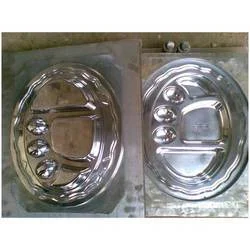
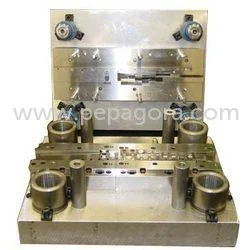
Forging Dies
32 products available
𝗪𝗵𝗮𝘁 𝗮𝗿𝗲 𝗙𝗼𝗿𝗴𝗶𝗻𝗴 𝗗𝗶𝗲𝘀?
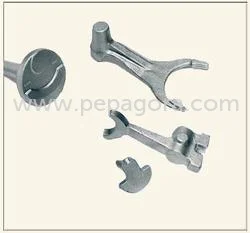
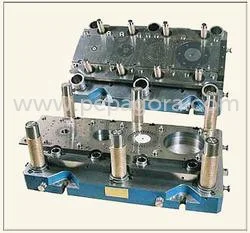
Forging dies are specialized tools used in the process of forging, which involves shaping metal using compressive forces. These dies are typically made from high-strength materials to withstand the extreme pressures and temperatures encountered during the forging process. They are designed to create specific shapes and features in the metal workpieces, allowing manufacturers to produce complex components efficiently.
The primary uses of forging dies are found in industries such as automotive, aerospace, and manufacturing. They are essential for producing parts like gears, shafts, and various structural components that require high durability and precision. By utilizing forging dies, businesses can achieve tighter tolerances and better material properties compared to other manufacturing methods, making them a critical component in the production of high-performance parts.
In the current market context, the demand for forging dies is driven by the growth of various sectors that require reliable and robust metal components. As industries continue to innovate and expand, the need for efficient manufacturing processes and quality tooling like forging dies is increasingly relevant. This creates opportunities for suppliers to provide advanced solutions that meet the evolving needs of manufacturers.
𝗞𝗲𝘆 𝗙𝗲𝗮𝘁𝘂𝗿𝗲𝘀 𝗮𝗻𝗱 𝗦𝗽𝗲𝗰𝗶𝗳𝗶𝗰𝗮𝘁𝗶𝗼𝗻𝘀
Forging dies come with several key features that enhance their performance and durability. Understanding these specifications is crucial for buyers in selecting the right tools for their manufacturing needs.
Key specifications include:
1. Material Composition
- High-strength steel or alloy
- Designed to withstand high temperatures and stress
2. Dimensional Tolerance
- Precision tolerances typically ranging from ±0.01 mm to ±0.05 mm
- Ensures consistent part quality and fitment
3. Die Design Type
- Open die, closed die, and impression die options available
- Each design serves different forging applications
4. Heat Treatment
- Processes like quenching and tempering are used
- Enhances hardness and wear resistance
5. Surface Finish
- Options for polished, ground, or coated finishes
- Affects the quality of the forged part surface
6. Production Capacity
- Dies can be designed for low or high-volume production
- Tailored to meet specific manufacturing requirements
7. Customization Options
- Ability to create tailored designs for unique components
- Meets specific customer needs
8. Lifespan
- Typically ranges from thousands to millions of cycles
- Depends on the material and usage conditions
In summary, understanding these specifications helps businesses select the appropriate forging dies that align with their production goals and quality standards.
𝗖𝗼𝗺𝗺𝗼𝗻 𝗔𝗽𝗽𝗹𝗶𝗰𝗮𝘁𝗶𝗼𝗻𝘀 𝗮𝗻𝗱 𝗨𝘀𝗲 𝗖𝗮𝘀𝗲𝘀
Forging dies are utilized in various industries, each with specific applications that highlight their versatility and importance.
1. Automotive: Forging dies are crucial in producing parts such as crankshafts, connecting rods, and gears, which require high strength and durability for vehicle performance.
2. Aerospace: In this sector, forging dies are used to manufacture lightweight yet strong components like turbine blades and landing gear, essential for aircraft safety and efficiency.
3. Construction: Forging dies play a role in creating structural components such as beams and brackets, providing the necessary strength for construction applications.
4. Oil and Gas: Components like valves and fittings made using forging dies are critical for ensuring the integrity of systems in harsh environments.
5. Machinery: Many industrial machines rely on forged parts for their operational efficiency, making forging dies essential in manufacturing components like housings and gears.
6. Electronics: Precision components for electronic devices often utilize forging techniques, with dies designed for intricate shapes and features.
7. Defense: Forging dies are used to produce parts for military equipment, offering the strength and reliability required in critical applications.
𝗣𝗿𝗼𝗱𝘂𝗰𝘁 𝗩𝗮𝗿𝗶𝗮𝗻𝘁𝘀 𝗮𝗻𝗱 𝗦𝘂𝗯𝗰𝗮𝘁𝗲𝗴𝗼𝗿𝗶𝗲𝘀
Forging dies come in different variants, catering to various manufacturing needs and processes. Each variant offers distinct characteristics and applications.
Closed Die Forging Dies: These dies are designed for high-volume production and create parts with intricate shapes and fine details. They are often used in automotive and aerospace applications.
Open Die Forging Dies: These are simpler in design and are used for producing larger parts where detailed shaping is not required. They are commonly found in heavy machinery manufacturing.
Impression Dies: This variant allows for precise shaping of metals and is often used when high accuracy and repeatability are necessary.
𝗕𝗲𝗻𝗲𝗳𝗶𝘁𝘀 𝗮𝗻𝗱 𝗔𝗱𝘃𝗮𝗻𝘁𝗮𝗴𝗲𝘀
Investing in high-quality forging dies provides several key benefits that can enhance manufacturing processes and product quality.
1. Improved Material Properties: Forging processes enhance the strength and durability of metals, resulting in parts that can withstand higher stress and loads.
2. Cost Efficiency: Forging dies enable faster production cycles, reducing labor and operational costs over time.
3. Precision and Consistency: The use of dies ensures that each forged part meets strict tolerances, leading to higher overall product quality.
4. Waste Reduction: Forging processes generate less scrap compared to traditional machining methods, making them more environmentally friendly.
5. Customization Potential: Forging dies can be tailored to specific requirements, allowing for the production of unique and specialized components.
6. Enhanced Surface Finish: Forged parts typically exhibit better surface quality, reducing the need for additional finishing processes.
𝗕𝘂𝘆𝗶𝗻𝗴 𝗚𝘂𝗶𝗱𝗲 𝗳𝗼𝗿 𝗕𝟮𝗕 𝗕𝘂𝘆𝗲𝗿𝘀
When sourcing forging dies, buyers should consider several critical factors to ensure they select the right products for their needs.
1. Quality Assessment: Evaluate the quality of the dies based on the materials used and manufacturing processes. Look for suppliers that adhere to recognized quality standards for consistency.
2. Supplier Verification: Vet potential suppliers by checking their reputation, customer reviews, and certifications. A reliable supplier should have a proven track record in the industry.
3. Pricing and MOQ: Understand the pricing structure and minimum order quantities. This helps in budgeting and ensuring that the investment aligns with production needs.
4. Delivery and Lead Times: Assess the lead times for production and delivery. Timely delivery is crucial for maintaining production schedules and minimizing downtime.
5. Compliance Requirements: Ensure that the dies meet industry-specific compliance and certification standards, such as CE, to guarantee safety and reliability.
𝗖𝗼𝗺𝗽𝗹𝗶𝗮𝗻𝗰𝗲 𝗮𝗻𝗱 𝗖𝗲𝗿𝘁𝗶𝗳𝗶𝗰𝗮𝘁𝗶𝗼𝗻𝘀
Forging dies must adhere to various quality standards and certifications to ensure they meet industry requirements. ISO 9001 is a widely recognized quality management standard that ensures suppliers maintain consistent quality in their products.
Industry certifications, such as CE certification, demonstrate that the forging dies comply with European safety and environmental regulations. This certification is essential for companies looking to expand their market reach in Europe.
Safety and testing requirements play a crucial role in the manufacturing of forging dies. Rigorous testing ensures that the dies can withstand the demanding conditions of the forging process without failure.
Additionally, regional compliance considerations may vary based on local regulations. Buyers should be aware of the specific requirements applicable to their regions to ensure full compliance.
𝗪𝗵𝘆 𝗦𝗼𝘂𝗿𝗰𝗲 𝗙𝗼𝗿𝗴𝗶𝗻𝗴 𝗗𝗶𝗲𝘀 𝗳𝗿𝗼𝗺 𝗣𝗲𝗽𝗮𝗴𝗼𝗿𝗮?
Pepagora provides a trusted platform for sourcing forging dies, offering several key advantages that set it apart from competitors.
Verified Supplier Network: Pepagora connects buyers with a network of verified suppliers, ensuring that all listed products meet high-quality standards. This reduces the risk of sourcing issues and enhances buyer confidence.
Streamlined RFQ Process: The request for quotation (RFQ) process on Pepagora is designed to be user-friendly, enabling buyers to quickly obtain quotes from multiple suppliers. This efficiency allows for better decision-making and competitive pricing.
Trade Assurance and Support: Pepagora offers trade assurance to protect buyers, ensuring that they receive products as described and on time. This support gives buyers peace of mind when making significant investments.
Regional Coverage: With a focus on India, the GCC, and Southeast Asia, Pepagora provides extensive geographic reach. This allows buyers to access a broad range of suppliers and products tailored to their specific regional needs.
Newly Added


Recently Added
Alcozin Alloy Castings
Industrial Aluminum Sand Castings For Automotive And Machinery
Industrial Zinc Pressure Die Casting Machine For High Precision Parts
Premium Automotive Aluminum Castings For Manufacturing
Dhwani Engineering
Industrial Brass Die Castings High Strength Corrosion Heat Resistance
High Volume Production Horizontal Cold Chamber Die Casting Machine 1500KN 20000KN
Industrial Hydraulic Machines For Die Casting Grinding Injection Moulding
Almas Steel & Alloys Private Limited
Industrial Die Steel Rods Premium Durability Wear Resistance
Premium Hot Die Steels For Forging Extrusion Die Casting Heat Resistance
Heavy Duty Alloy Steel Bars For Industrial Strength And Durability
Bharat Machine Tools
Professional Jewelry Making Tools For Suppliers And Artisans
Industrial Upright Drills For Apparel Manufacturing Precision Stitching
Professional Jewellery Drilling Machines for Gold Silver Gemstones Precision
Ashirvad Industries
Automatic Rotary ROPP Capping Machine for Pharmaceuticals, Beverages, Chemicals
Automatic 6 Head Rotary Bottle Capping Machine For Pharmaceuticals Food Chemicals
Industrial Tray Dryer For Food Pharma Chemical Drying
A. G. Mechanical Works
Industrial Dyeing Machines For Textile Manufacturers Uniform Color
High Precision Die Casting Dies For Dimensional Accuracy And High Pressure
Industrial Plastic Electrical Parts Manufacturer High Quality Components
Global Reach Engineers
Industrial Fixtures For Precision Clamping And Secure Holding
Industrial Manufacturing Jigs And Fixtures For Precision Durability
Precision Dies And Moulds For Automotive Packaging Manufacturing
Emcee Industries
Precision CNC Turning Components With +/ 0.005mm Tolerance
Premium Pressure Die Casting Parts 98% Aluminum T6 Heat Treatment
Aluminum Castings For Auto Furniture Pump Parts CNC Machining OEM
K P Service Center
Industrial Polypropylene Products For Packaging Automotive Construction
Industrial PP Top Cover Die Precision Plastic Injection Molding
Industrial RO Top Covers Durable Corrosion Resistant Protection
Avin Enterprises
Industrial Galvanized Metal Rivets Standard Durable Fasteners
Industrial Adhesive Emulsion Anionic Non Combustible Water Miscible
Industrial Anabond Epoxy Adhesive Water Miscible Standard Durable
Why Businesses Trust Pepagora
Thousands of companies trust Pepagora to source smarter and sell faster
Expand Your Sales Globally
25000+Products listed.Get discovered by global buyers
Tools to boost visibility
Build your own catalog

Source Smarter,Grow Faster
4000+Active RFQs
100+ Countries served
Easy Sourcing Tools
