
 IN
INundefined
Food Grade Valves
17 products available
𝗪𝗵𝗮𝘁 𝗮𝗿𝗲 𝗙𝗼𝗼𝗱 𝗚𝗿𝗮𝗱𝗲 𝗩𝗮𝗹𝘃𝗲𝘀?
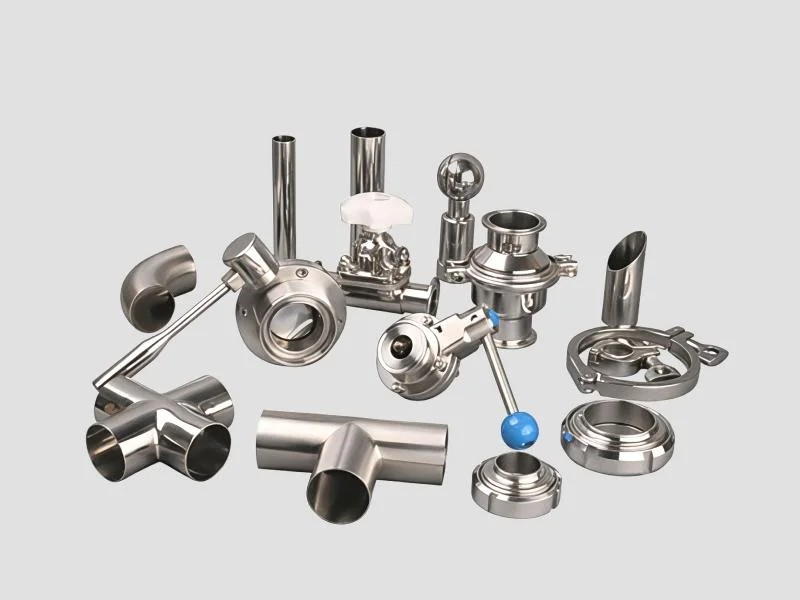
Food grade valves are specialized components used in the food and beverage industry to control the flow of liquids and gases in a hygienic manner. These valves are designed to meet strict industry standards to ensure safety and compliance with food regulations. They are constructed from materials that are safe for food contact, helping to prevent contamination.
The primary applications of food grade valves include use in processing plants, breweries, dairy facilities, and packaging operations. They play a critical role in maintaining product integrity and safety throughout the production process. As food safety regulations tighten globally, the demand for reliable food grade valves has increased, making them essential for manufacturers aiming to comply with industry standards.
In the current market, food grade valves are recognized as vital components that ensure both operational efficiency and safety in food processing. The growing awareness of food safety and quality assurance has led to a surge in the adoption of these valves across various segments of the food industry.
𝗞𝗲𝘆 𝗙𝗲𝗮𝘁𝘂𝗿𝗲𝘀 𝗮𝗻𝗱 𝗦𝗽𝗲𝗰𝗶𝗳𝗶𝗰𝗮𝘁𝗶𝗼𝗻𝘀
Food grade valves are designed with specific features to cater to the unique requirements of the food and beverage sector. Their specifications are essential for ensuring compliance and performance in various applications.
Key specifications include:
1. Material Composition
- Made from stainless steel or other non-corrosive materials
- Must comply with FDA and EU regulations for food contact
2. Pressure Rating
- Typically rated for high pressure applications
- Common ranges from 150 psi to 600 psi
3. Temperature Range
- Designed to withstand high and low temperatures
- Usual operational ranges from -20°C to 150°C
4. Connection Types
- Available with various connection options such as tri-clamp, threaded, or welded ends
- Compatibility with standard piping systems is essential
5. Actuation Methods
- Manual, pneumatic, or electric actuation options available
- Selection based on operational requirements and automation level
6. Valve Types
- Includes ball, butterfly, and check valves
- Each type serves specific flow control needs
7. Cleanability
- Features designed for easy cleaning and maintenance
- Smooth surfaces and no dead zones to prevent contamination
8. Certifications
- Compliance with CE and other relevant industry standards
- Assurance of quality and safety in food applications
In summary, food grade valves are characterized by their robust construction and adherence to strict industry standards. Their specifications ensure they meet the demands of food processing environments.
𝗖𝗼𝗺𝗺𝗼𝗻 𝗔𝗽𝗽𝗹𝗶𝗰𝗮𝘁𝗶𝗼𝗻𝘀 𝗮𝗻𝗱 𝗨𝘀𝗲 𝗖𝗮𝘀𝗲𝘀
Food grade valves are utilized across various industries that require stringent hygiene and safety standards.
1. Food Processing: These valves are essential in processing plants for managing liquid ingredients, ensuring efficient and safe flow throughout production lines.
2. Beverage Industry: In breweries and soft drink manufacturing, food grade valves control the flow of critical ingredients and maintain carbonation levels.
3. Dairy Production: Valves in dairy applications help in the processing of milk and other dairy products, ensuring cleanliness and safety in handling.
4. Pharmaceutical: Food grade valves can also be adapted for pharmaceutical applications, where hygiene and safety are paramount.
5. Chemical Processing: These valves are used to manage the flow of food-grade chemicals, ensuring compliance with safety standards.
6. Packaging: In food packaging lines, valves play a crucial role in controlling the flow of liquids and gases, ensuring product integrity during sealing.
7. Agriculture: Food grade valves are utilized in the transport of liquid fertilizers and pesticides, where safety and compliance are necessary.
𝗣𝗿𝗼𝗱𝘂𝗰𝘁 𝗩𝗮𝗿𝗶𝗮𝗻𝘁𝘀 𝗮𝗻𝗱 𝗦𝘂𝗯𝗰𝗮𝘁𝗲𝗴𝗼𝗿𝗶𝗲𝘀
Food grade valves come in various forms to cater to specific applications and needs within the industry.
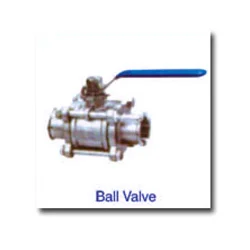
Ball Valves
Ball valves provide excellent sealing capabilities and are ideal for on-off control in food processing. They are known for their durability and ease of operation.
Butterfly Valves
Butterfly valves are often used in applications requiring quick shut-off. Their lightweight design allows for efficient operation in various food and beverage settings.
Check Valves
Check valves prevent backflow in piping systems, ensuring that fluids flow in one direction. They are crucial in maintaining the integrity of food products during processing.
Diaphragm Valves
Diaphragm valves offer precise flow control and are particularly suitable for applications requiring frequent cleaning or sterilization.
Pinch Valves
Pinch valves are ideal for handling slurries and viscous materials. They provide a simple and effective means of flow control while minimizing contamination risks.
𝗕𝗲𝗻𝗲𝗳𝗶𝘁𝘀 𝗮𝗻𝗱 𝗔𝗱𝘃𝗮𝗻𝘁𝗮𝗴𝗲𝘀
Food grade valves offer several key advantages that make them essential for food and beverage applications.
1. Safety Assurance: These valves are constructed from food-safe materials, ensuring no harmful substances leach into products.
2. Compliance with Regulations: Food grade valves are designed to meet stringent industry standards, helping businesses comply with food safety regulations.
3. Durability: Built to withstand harsh processing conditions, food grade valves offer longevity and reduce the need for frequent replacements.
4. Easy Maintenance: Their design often allows for straightforward cleaning and maintenance, promoting consistent hygiene.
5. Versatility: Food grade valves can be used across various applications, from processing to packaging, making them a versatile choice for manufacturers.
6. Efficiency: By ensuring optimal flow control, these valves help improve overall operational efficiency in production processes.
𝗕𝘂𝘆𝗶𝗻𝗴 𝗚𝘂𝗶𝗱𝗲 𝗳𝗼𝗿 𝗕𝟮𝗕 𝗕𝘂𝘆𝗲𝗿𝘀
When sourcing food grade valves, it is important for B2B buyers to consider several critical factors.
1. Quality Assessment: Evaluate the quality of materials and construction. Look for certifications that ensure compliance with food safety standards.
2. Supplier Verification: Vet suppliers thoroughly to ensure they have a good reputation and proven track record in providing quality food grade products.
3. Pricing and MOQ: Understand the price range and minimum order quantities. This will help in budgeting and ensuring you meet operational needs.
4. Delivery and Lead Times: Discuss logistics upfront. Knowing lead times can affect production schedules and inventory management.
5. Compliance Requirements: Be aware of specific regulatory needs for your region. Ensure that the valves meet local compliance standards to avoid potential issues.
𝗖𝗼𝗺𝗽𝗹𝗶𝗮𝗻𝗰𝗲 𝗮𝗻𝗱 𝗖𝗲𝗿𝘁𝗶𝗳𝗶𝗰𝗮𝘁𝗶𝗼𝗻𝘀
Food grade valves must adhere to various quality standards to ensure safety and reliability. Key standards include ISO 9001, which focuses on quality management systems, and HACCP, which emphasizes food safety throughout the production process. Additionally, compliance with Good Distribution Practices (GDP) is crucial for maintaining product quality during transportation.
Industry certifications such as CE are vital for demonstrating compliance with European safety and health requirements. This certification ensures that products meet EU regulations related to food safety, which is essential for manufacturers operating in or exporting to European markets.
Safety and testing requirements are stringent, often involving thorough inspections and assessments of valve materials and performance. Regional compliance considerations also play a significant role, as different countries may have unique regulations governing food grade materials and equipment.
𝗪𝗵𝘆 𝗦𝗼𝘂𝗿𝗰𝗲 𝗙𝗼𝗼𝗱 𝗚𝗿𝗮𝗱𝗲 𝗩𝗮𝗹𝘃𝗲𝘀 𝗳𝗿𝗼𝗺 𝗣𝗲𝗽𝗮𝗴𝗼𝗿𝗮?
Pepagora provides a trusted platform for sourcing food grade valves, offering several key advantages that cater to B2B buyers in the food and beverage sector.
Verified Supplier Network: Our network of suppliers is thoroughly vetted to ensure they meet high standards for quality and compliance. This helps buyers feel confident in their sourcing decisions.
Streamlined RFQ Process: Pepagora offers a user-friendly request for quotation system that simplifies the procurement process. Buyers can quickly obtain quotes from multiple suppliers, making it easier to compare options.
Trade Assurance and Support: With our trade assurance program, buyers receive protection throughout the purchasing process. This includes support in case of disputes or issues with product quality.
Regional Coverage: Pepagora's platform extends across India, the GCC, and Southeast Asia, ensuring that buyers have access to a wide range of suppliers and products that meet their specific needs in the food industry.
Newly Added




Recently Added
BHALARIA METAL CRAFT PRIVATE LIMITED
Commercial Stainless Steel Racks For Storage And Display
Stainless Steel Racks Commercial Storage Durable Hygienic
Stainless Steel Triangle Rings For Food Service And Industrial Use
Excel Metal And Engg Industries
Industrial Pipe Fittings Hex Nipples Adapters Tees Crosses Union Joints
Industrial Stainless Steel Fittings ASTM A403 Grades 304 316 317
Industrial Carbon Steel Screwed Fittings High Pressure Durable
Anmol Pharma Equipments
Industrial Conveyors For Material Handling: Durable & Efficient
Automated CIP Vessel Systems For Tanks, Mixers, Blenders & IBC Bins
Industrial Filling Vessels For Precise Liquid Dispensing In Pharma
Dhaval Enterprise, Rajkot
Industrial Three Piece Ball Valves For Oil Gas Chemical Water Applications
Industrial Spring Loaded Disc Check Valves For Backflow Prevention
Industrial Male Needle Valves For Precise Flow Control
Balaji Trade Centre
Industrial Stainless Steel Sheets Coils Plates Corrosion Resistant
Industrial Aluminium Checkered Plates Non Slip Diamond Pattern
Industrial Stainless Steel ERW Seamless Pipes For High Pressure Heat Transfer
K G N Hydraulic
Industrial Hydraulic Hose R6 Series SAE 100 Low Pressure Oil Water
MSHA Certified 4SP 4SH Hydraulic Hoses High Pressure Agriculture Food Processing
High Pressure Hydraulic Hose Flexible Abrasion Resistant
M/S Nakoda Ferromet
Industrial Stainless Steel Sheets 202 304 316 High Corrosion Resistance
Industrial Stainless Steel Flanges For High Pressure Piping Systems
Premium Stainless Steel Nut Bolts High Tensile Corrosion Resistant
Mahendra Steel India
Industrial Stainless Steel Pipes And Tubes For Corrosion Resistance
Industrial Stainless Steel Fasteners High Strength Corrosion Resistant
Premium Stainless Steel Rods And Bars For Construction And Industrial Use
Bakshi Enterprises
Premium Poly V Belts For Automotive And Agricultural Machinery
Industrial GI Pipes 10 100mm NB 1.80 5.40mm Thickness
Industrial PU Tubes Durable Flexible Abrasion Oil Chemical Resistant
Arma Plast
Industrial Plastic End Caps For Protection And Finishing In Multiple Sizes
Industrial PVC Coating Services For Durable Protection And Weather Resistance
Industrial PVC Sleeves For Electrical Wiring And Hose Protection
Why Businesses Trust Pepagora
Thousands of companies trust Pepagora to source smarter and sell faster
Expand Your Sales Globally
25000+Products listed.Get discovered by global buyers
Tools to boost visibility
Build your own catalog

Source Smarter,Grow Faster
4000+Active RFQs
100+ Countries served
Easy Sourcing Tools
