
 IN
INundefined
Flip Flop & Slipper Manufacturers
8 products available
𝗪𝗵𝗮𝘁 𝗮𝗿𝗲 𝗙𝗹𝗶𝗽 𝗙𝗹𝗼𝗽 & 𝗦𝗹𝗶𝗽𝗽𝗲𝗿 𝗠𝗮𝗻𝘂𝗳𝗮𝗰𝘁𝘂𝗿𝗲𝗿𝘀?
Flip flop and slipper manufacturers specialize in producing lightweight, comfortable footwear designed primarily for casual and leisure activities. These manufacturers typically utilize materials such as rubber, foam, and synthetic fabrics to create products that prioritize comfort, durability, and style. The manufacturing process often involves molding, cutting, and assembling various components to create the final product, which can range from simple designs to more elaborate styles.
The primary applications of flip flops and slippers span various industries, including retail, hospitality, and healthcare. In retail, these products are marketed to consumers seeking affordable and stylish footwear options. In the hospitality sector, they are often provided as complimentary items in hotels and spas. Healthcare facilities may also use them as part of patient care, particularly in environments that require easy-to-clean footwear. Overall, the flip flop and slipper manufacturing industry plays a significant role in meeting the footwear needs of diverse markets.
Given the growing demand for casual footwear, the market for flip flops and slippers remains robust. Trends such as eco-friendly materials and customizable designs are influencing product offerings, making manufacturers increasingly relevant in today’s competitive landscape. As consumer preferences shift toward comfort and sustainability, manufacturers are adapting to these changes to maintain their market share.
𝗞𝗲𝘆 𝗙𝗲𝗮𝘁𝘂𝗿𝗲𝘀 𝗮𝗻𝗱 𝗦𝗽𝗲𝗰𝗶𝗳𝗶𝗰𝗮𝘁𝗶𝗼𝗻𝘀
Flip flop and slipper manufacturers offer a range of product features and specifications that cater to various market needs. These specifications are essential for businesses looking to source high-quality products.
Key specifications include:
1. Material Composition
- Common materials include rubber, EVA foam, and textiles.
- The choice of material affects durability, comfort, and weight.
2. Sizing Options
- Available in a wide range of sizes to accommodate different foot sizes.
- Custom sizing options may also be offered for bulk orders.
3. Design Variations
- Styles include thong, slip-on, and back-strap designs.
- Custom designs can be tailored to brand specifications.
4. Sole Thickness
- Sole thickness varies to provide different levels of support and comfort.
- Typical ranges can be from 5 mm to 20 mm.
5. Weight
- Lightweight options are preferred for everyday use.
- Weight specifications can help in determining comfort and portability.
6. Color Options
- Manufacturers offer various colors to meet consumer preferences.
- Custom color options may be available for bulk orders.
7. Slip Resistance
- Many manufacturers focus on producing slip-resistant soles.
- Important for safety in wet or slippery environments.
8. Eco-Friendly Options
- Some manufacturers provide products made from sustainable materials.
- Eco-friendly options appeal to environmentally conscious consumers.
In summary, understanding these key features and specifications helps businesses make informed sourcing decisions that align with their customer needs.
𝗖𝗼𝗺𝗺𝗼𝗻 𝗔𝗽𝗽𝗹𝗶𝗰𝗮𝘁𝗶𝗼𝗻𝘀 𝗮𝗻𝗱 𝗨𝘀𝗲 𝗖𝗮𝘀𝗲𝘀
Flip flops and slippers are versatile products used in multiple industries, each with specific applications.
1. Retail: Retailers sell flip flops and slippers as part of their casual footwear collections. Seasonal trends influence the styles and materials available to consumers.
2. Hospitality: Hotels and resorts provide these products to guests as complimentary items. They enhance guest comfort and can be branded with hotel logos.
3. Healthcare: Hospitals and clinics often use slippers for patients, promoting hygiene and ease of use. They are typically designed for easy cleaning and comfort.
4. Leisure and Recreation: Flip flops are popular for outdoor activities such as beach outings and pool parties. They are lightweight and convenient for casual wear.
5. Sports and Fitness: Some brands produce flip flops designed for post-workout relaxation. These often feature added support and cushioning for comfort.
6. Travel: Lightweight and compact, flip flops are ideal for travelers. They are easy to pack and offer a comfortable option during vacations.
7. Home Use: Many consumers wear slippers at home for comfort and warmth. They are available in various styles to suit individual preferences.
𝗣𝗿𝗼𝗱𝘂𝗰𝘁 𝗩𝗮𝗿𝗶𝗮𝗻𝘁𝘀 𝗮𝗻𝗱 𝗦𝘂𝗯𝗰𝗮𝘁𝗲𝗴𝗼𝗿𝗶𝗲𝘀
The diversity in flip flop and slipper products allows manufacturers to cater to different customer preferences and applications.
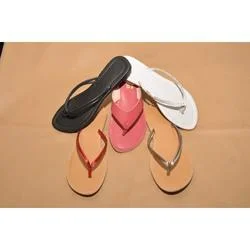
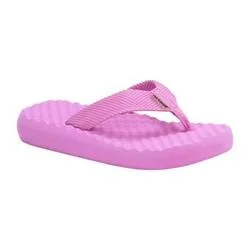
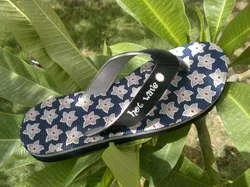
Basic Flip Flops: These are simple, lightweight footwear options typically made from rubber or foam. They are ideal for casual wear and are often available in various colors and styles.
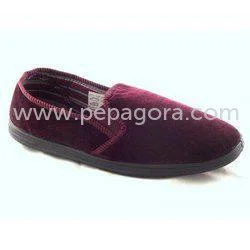
Comfort Slippers: Designed for indoor use, these slippers provide extra cushioning and support. They often feature soft materials and may include arch support for added comfort.
Sporty Flip Flops: These variants are designed for active use, featuring enhanced grip and support. They are suitable for beach sports or casual outdoor activities.
Fashion Slippers: These slippers focus on aesthetics and often incorporate trendy designs and materials. They are aimed at consumers looking for stylish indoor footwear.
Eco-Friendly Flip Flops: Made from sustainable materials, these products appeal to environmentally conscious consumers. They combine comfort with a commitment to sustainability.
𝗕𝗲𝗻𝗲𝗳𝗶𝘁𝘀 𝗮𝗻𝗱 𝗔𝗱𝘃𝗮𝗻𝘁𝗮𝗴𝗲𝘀
Choosing flip flops and slippers from reputable manufacturers offers several advantages for businesses and their customers.
1. Comfort: Flip flops and slippers are designed for comfort, making them ideal for everyday wear. Their lightweight nature enhances overall foot comfort.
2. Versatility: These products are suitable for a variety of occasions, from casual outings to home use. Their adaptability makes them a popular choice among consumers.
3. Cost-Effectiveness: Flip flops and slippers are generally affordable, allowing businesses to offer competitive pricing. This affordability attracts a wide customer base.
4. Customization: Many manufacturers provide customization options, enabling businesses to create unique products that reflect their brand identity. This can enhance brand loyalty.
5. Easy Maintenance: Most flip flops and slippers are easy to clean and maintain, ensuring longevity. This feature appeals to both consumers and retailers.
6. Seasonal Demand: The popularity of flip flops tends to rise during warmer months, allowing businesses to capitalize on seasonal trends and boost sales.
𝗕𝘂𝘆𝗶𝗻𝗴 𝗚𝘂𝗶𝗱𝗲 𝗳𝗼𝗿 𝗕𝟮𝗕 𝗕𝘂𝘆𝗲𝗿𝘀
When sourcing flip flop and slipper manufacturers, it is important to consider several key factors to ensure quality and reliability.
1. Quality Assessment: Evaluate the quality of materials and craftsmanship. Request samples to assess comfort, durability, and overall design before making bulk purchases.
2. Supplier Verification: Conduct thorough background checks on potential suppliers. Look for reviews, certifications, and industry reputation to ensure they meet your standards.
3. Pricing and MOQ: Understand the pricing structure and minimum order quantity (MOQ) requirements. This knowledge helps in budgeting and planning inventory needs.
4. Delivery and Lead Times: Inquire about delivery schedules and lead times. Reliable timelines are crucial for maintaining inventory levels and meeting customer demand.
5. Compliance Requirements: Ensure that the products meet relevant safety and quality standards. Familiarize yourself with regulatory requirements in your region to avoid compliance issues.
𝗖𝗼𝗺𝗽𝗹𝗶𝗮𝗻𝗰𝗲 𝗮𝗻𝗱 𝗖𝗲𝗿𝘁𝗶𝗳𝗶𝗰𝗮𝘁𝗶𝗼𝗻𝘀
Compliance and certifications are vital in the flip flop and slipper manufacturing industry. Adhering to quality standards ensures that products meet consumer expectations and regulatory requirements.
ISO 9001 is a prominent quality management standard that many manufacturers strive to achieve. It ensures that businesses maintain consistent quality in their products and services, improving customer satisfaction.
CE certification is another important aspect, particularly for products sold in European markets. This certification indicates that the products meet essential health, safety, and environmental protection standards.
Manufacturers must also adhere to safety and testing requirements, which may involve rigorous assessments of materials and production processes. This ensures that the final products are safe for consumers.
Furthermore, regional compliance considerations are essential as regulations may vary by country. Manufacturers must stay informed about local laws to ensure their products meet all necessary requirements.
𝗪𝗵𝘆 𝗦𝗼𝘂𝗿𝗰𝗲 𝗙𝗹𝗶𝗽 𝗙𝗹𝗼𝗽 & 𝗦𝗹𝗶𝗽𝗽𝗲𝗿 𝗠𝗮𝗻𝘂𝗳𝗮𝗰𝘁𝘂𝗿𝗲𝗿𝘀 𝗳𝗿𝗼𝗺 𝗣𝗲𝗽𝗮𝗴𝗼𝗿𝗮?
Pepagora offers a reliable platform for businesses seeking to source flip flop and slipper manufacturers. This platform provides several key advantages that streamline the sourcing process.
Verified Supplier Network: Pepagora maintains a network of verified suppliers, ensuring that businesses can trust the quality and reliability of the products they source. This verification process adds an extra layer of security for buyers.
Streamlined RFQ Process: The platform features a straightforward request for quotation (RFQ) process, allowing buyers to easily connect with manufacturers. This efficiency simplifies the sourcing journey, making it easier to obtain competitive pricing.
Trade Assurance and Support: Pepagora provides trade assurance, protecting buyers with guarantees on product quality and timely delivery. This support fosters confidence in the purchasing process.
Regional Coverage: With a strong presence in key markets such as India, the GCC, and Southeast Asia, Pepagora helps businesses tap into diverse manufacturing resources. This geographic reach enhances options for sourcing high-quality flip flops and slippers.
Newly Added


Recently Added
Krishna Footwears Industries
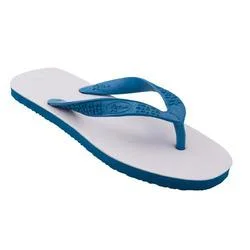
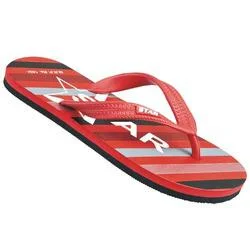
Bulk Printed Flip Flops Premium Comfort Durable Quality
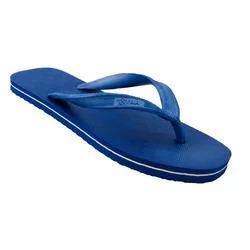
Premium Broad Slippers Anti Skid Lightweight Customizable Designs
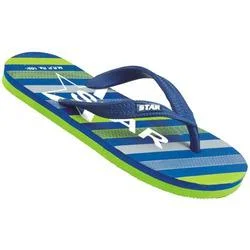
Bulk Superlite Hawai Chappals Soft Comfortable Footwear For Retail
A. G. Polymers
Bulk Hot Wave Slippers For Ladies Premium Comfort Warmth
Premium Sports Footwear For All Ages With Long And Short Lace Series
Bulk Premium Hot Wave Ladies Slippers Durable Comfortable
Bharat Exports
Premium Flip Flop Slippers Durable Rubber Vinyl Leather
Premium Huaraches Sandals Handwoven Leather Tops Durable Soles
Professional Ladies Clogs With Wooden Platform Heels For Healthcare & Hospitality
Maven Impex
Wholesale Derby Mens Shoes Premium Durable Stylish Footwear
Bulk Lightweight House Slippers For Hospitality Healthcare Retail
Hotel Spa Ladies Bathroom Slippers Lightweight Slip Resistant
Why Businesses Trust Pepagora
Thousands of companies trust Pepagora to source smarter and sell faster
Expand Your Sales Globally
25000+Products listed.Get discovered by global buyers
Tools to boost visibility
Build your own catalog

Source Smarter,Grow Faster
4000+Active RFQs
100+ Countries served
Easy Sourcing Tools
