
 IN
INundefined
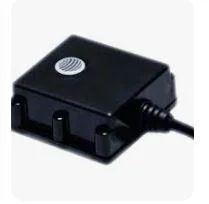
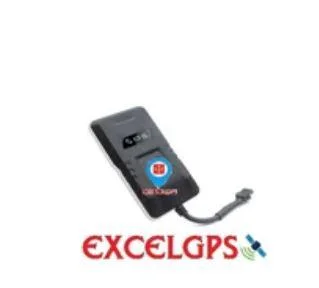
Fleet GPS Trackers
2 products available
𝗪𝗵𝗮𝘁 𝗮𝗿𝗲 𝗙𝗹𝗲𝗲𝘁 𝗚𝗣𝗦 𝗧𝗿𝗮𝗰𝗸𝗲𝗿𝘀?
Fleet GPS trackers are advanced devices that utilize Global Positioning System technology to monitor and manage vehicle fleets in real-time. These trackers provide critical data regarding the location, speed, and direction of vehicles, enabling businesses to optimize their operations. With the integration of GPS technology, fleet managers can gain insights into vehicle performance and driver behavior, leading to improved efficiency and productivity.
The primary uses of fleet GPS trackers include route optimization, vehicle tracking, and maintenance management. Businesses across various sectors, such as logistics, transportation, and construction, rely on these devices to reduce operational costs and enhance service delivery. By providing real-time information, fleet GPS trackers help businesses make informed decisions that can lead to increased profitability and customer satisfaction.
In the current market, the relevance of fleet GPS trackers is growing as more companies recognize the benefits of data-driven decisions. With the rise of e-commerce and demand for efficient delivery systems, the need for effective fleet management solutions has become more critical than ever. Industries are increasingly investing in these technologies to remain competitive in a rapidly evolving landscape.
𝗞𝗲𝘆 𝗙𝗲𝗮𝘁𝘂𝗿𝗲𝘀 𝗮𝗻𝗱 𝗦𝗽𝗲𝗰𝗶𝗳𝗶𝗰𝗮𝘁𝗶𝗼𝗻𝘀
Fleet GPS trackers come with a variety of features designed to enhance fleet management. These devices are equipped with various technical specifications that cater to different business needs. Understanding these specifications is essential for making an informed purchasing decision.
Key specifications include:
1. Real-Time Tracking
- Provides live updates on vehicle location
- Updates frequency can range from every few seconds to minutes
2. Geofencing
- Allows setting virtual boundaries for vehicles
- Sends alerts when vehicles enter or exit designated areas
3. Historical Route Playback
- Enables review of past routes taken by vehicles
- Useful for analyzing driver behavior and route efficiency
4. Fuel Monitoring
- Tracks fuel consumption and alerts for unauthorized usage
- Can lead to significant fuel cost savings
5. Driver Behavior Monitoring
- Measures speed, harsh braking, and acceleration
- Helps in improving driver safety and reducing accidents
6. Maintenance Alerts
- Sends notifications for scheduled maintenance
- Helps in extending vehicle lifespan and reducing downtime
7. Integration Capabilities
- Compatible with various fleet management software
- Allows for streamlined operations and data analysis
8. Mobile Access
- Provides access to tracking information via mobile apps
- Enhances convenience for fleet managers on the go
In summary, the features and specifications of fleet GPS trackers are designed to enhance operational efficiency and provide valuable insights for fleet management.
𝗖𝗼𝗺𝗺𝗼𝗻 𝗔𝗽𝗽𝗹𝗶𝗰𝗮𝘁𝗶𝗼𝗻𝘀 𝗮𝗻𝗱 𝗨𝘀𝗲 𝗖𝗮𝘀𝗲𝘀
Fleet GPS trackers serve various industries, providing tailored solutions for different operational needs.
1. Transportation and Logistics: In this sector, fleet GPS trackers are used to monitor delivery vehicles, ensuring timely arrivals and route optimization for cost savings.
2. Construction: Construction companies utilize GPS tracking to manage equipment and vehicles on job sites, ensuring that assets are secure and utilized efficiently.
3. Public Transportation: City buses and other public transport vehicles utilize GPS trackers for route management and to provide real-time information to passengers.
4. Delivery Services: Companies in the delivery sector rely on GPS tracking to enhance their service reliability and to keep customers informed of delivery status.
5. Emergency Services: Ambulances and emergency response vehicles use fleet GPS trackers to ensure fast response times and efficient routing in critical situations.
6. Field Service: Businesses that employ field service technicians can utilize GPS tracking to dispatch personnel more effectively and monitor their location during service calls.
7. Waste Management: Garbage collection services utilize GPS trackers to optimize routes and improve operational efficiency.
𝗣𝗿𝗼𝗱𝘂𝗰𝘁 𝗩𝗮𝗿𝗶𝗮𝗻𝘁𝘀 𝗮𝗻𝗱 𝗦𝘂𝗯𝗰𝗮𝘁𝗲𝗴𝗼𝗿𝗶𝗲𝘀
Fleet GPS trackers come in various forms to meet specific business requirements. Each variant is designed with unique features and applications to cater to different industries.
Basic Fleet GPS Tracker: This variant offers essential tracking features, including real-time location updates and historical route playback. It is suitable for small to medium-sized fleets looking for cost-effective solutions.
Advanced Fleet GPS Tracker: This model includes additional features such as driver behavior monitoring and fuel consumption tracking. It is ideal for businesses seeking comprehensive fleet management capabilities.
Real-Time Tracking Device: Designed for businesses that require immediate updates, this variant focuses on providing live tracking information and alerts. It is particularly useful for transportation and delivery services.
Portable GPS Tracker: This variant can be easily moved between vehicles, making it suitable for businesses with fluctuating fleet sizes. It offers basic tracking functionalities in a compact design.
Cloud-Based Fleet GPS Tracker: This model integrates with cloud-based fleet management systems, allowing for enhanced data analysis and reporting. It is aimed at larger enterprises with complex fleet operations.
𝗕𝗲𝗻𝗲𝗳𝗶𝘁𝘀 𝗮𝗻𝗱 𝗔𝗱𝘃𝗮𝗻𝘁𝗮𝗴𝗲𝘀
Investing in fleet GPS trackers offers numerous advantages that can help businesses streamline their operations.
Key benefits include:
1. Improved Efficiency: By optimizing routes and monitoring vehicle performance, businesses can reduce travel time and costs.
2. Enhanced Safety: Monitoring driver behavior promotes safer driving practices, reducing the risk of accidents.
3. Better Asset Management: Fleet GPS trackers help in keeping track of vehicles and equipment, minimizing theft and loss.
4. Increased Customer Satisfaction: Timely deliveries and transparency in logistics lead to improved customer relationships.
5. Cost Savings: By reducing fuel consumption and maintenance costs, businesses can significantly lower their operational expenses.
6. Data-Driven Decisions: Access to real-time data allows for informed decision-making, improving overall fleet management strategies.
𝗕𝘂𝘆𝗶𝗻𝗴 𝗚𝘂𝗶𝗱𝗲 𝗳𝗼𝗿 𝗕𝟮𝗕 𝗕𝘂𝘆𝗲𝗿𝘀
When sourcing fleet GPS trackers, it is essential to consider several key factors to ensure a successful purchase.
1. Quality Assessment: Evaluate the quality of the product by checking for durability, performance reviews, and warranties. High-quality devices tend to offer better reliability and longer service life.
2. Supplier Verification: Research potential suppliers to verify their credibility. Look for established companies with positive customer feedback and proven track records in the industry.
3. Pricing and MOQ: Analyze the pricing structure and minimum order quantities (MOQ) to find a solution that fits your budget. Be aware of any additional costs such as shipping and installation.
4. Delivery and Lead Times: Discuss delivery schedules and lead times with suppliers to ensure timely procurement. This is especially important for businesses with urgent needs.
5. Compliance Requirements: Understand regulatory requirements that may apply to fleet GPS trackers in your region. Ensure that the products you consider meet necessary compliance standards.
𝗖𝗼𝗺𝗽𝗹𝗶𝗮𝗻𝗰𝗲 𝗮𝗻𝗱 𝗖𝗲𝗿𝘁𝗶𝗳𝗶𝗰𝗮𝘁𝗶𝗼𝗻𝘀
Fleet GPS trackers must adhere to various quality standards and certifications to ensure reliability and safety. While specific standards were not provided, common industry benchmarks include ISO 9001, which focuses on quality management systems. This certification ensures that manufacturers maintain high-quality production processes.
Additionally, many fleet GPS trackers carry CE certification, indicating compliance with European safety and environmental protection standards. This certification is critical for businesses operating in or importing products to the European market.
Safety and testing requirements are also essential, ensuring that devices are durable and functional in various environmental conditions. Regional compliance considerations may vary, so businesses should confirm that their selected products meet local regulations.
𝗪𝗵𝘆 𝗦𝗼𝘂𝗿𝗰𝗲 𝗙𝗹𝗲𝗲𝘁 𝗚𝗣𝗦 𝗧𝗿𝗮𝗰𝗸𝗲𝗿𝘀 𝗳𝗿𝗼𝗺 𝗣𝗲𝗽𝗮𝗴𝗼𝗿𝗮?
Pepagora provides a trusted platform for sourcing fleet GPS trackers, delivering several key advantages for B2B buyers.
Verified Supplier Network: Pepagora connects buyers with a network of verified suppliers, ensuring that products meet high-quality standards. This reduces the risk of purchasing subpar equipment.
Streamlined RFQ Process: The platform features an efficient request for quotation (RFQ) system, allowing buyers to easily compare prices and specifications from multiple suppliers. This simplifies the purchasing process and saves time.
Trade Assurance and Support: Pepagora offers trade assurance, providing buyers with protection during transactions. This includes support for dispute resolution and ensuring timely delivery.
Regional Coverage: With a strong presence in India, the GCC, and Southeast Asia, Pepagora caters to a diverse range of businesses. This geographic reach ensures that buyers can find local suppliers and access products that suit their needs.














Why Businesses Trust Pepagora
Thousands of companies trust Pepagora to source smarter and sell faster
Expand Your Sales Globally
25000+Products listed.Get discovered by global buyers
Tools to boost visibility
Build your own catalog

Source Smarter,Grow Faster
4000+Active RFQs
100+ Countries served
Easy Sourcing Tools
