
 IN
INundefined
Flat Cables
6 products available
𝗪𝗵𝗮𝘁 𝗮𝗿𝗲 𝗙𝗹𝗮𝘁 𝗖𝗮𝗯𝗹𝗲𝘀?
Flat cables are a type of electrical cable designed with a flat profile, which allows for efficient space utilization in various applications. Unlike traditional round cables, flat cables can easily be routed through tight spaces and are often used in environments where flexibility and ease of handling are essential. This design provides a practical solution for connecting multiple circuits in a compact form factor, making them a popular choice in both industrial and commercial settings.
Flat cables find extensive use in numerous applications, including consumer electronics, automotive systems, and telecommunications. Industries leverage flat cables for their ability to connect devices with minimal obstruction and their ease of installation. These cables are particularly beneficial in environments where cable management is crucial, such as in office spaces or machines with limited room. The growing demand for compact and efficient wiring solutions continues to drive the popularity of flat cables across various sectors, ensuring their relevance in an ever-evolving market.
𝗞𝗲𝘆 𝗙𝗲𝗮𝘁𝘂𝗿𝗲𝘀 𝗮𝗻𝗱 𝗦𝗽𝗲𝗰𝗶𝗳𝗶𝗰𝗮𝘁𝗶𝗼𝗻𝘀
Flat cables are characterized by their unique design and performance specifications, which make them suitable for a range of applications. Understanding the key features and specifications is essential for selecting the right flat cable for specific needs.
Key specifications include:
1. Cable Type
- Flat cables can be composed of various materials, including copper and aluminum.
- They may be shielded or unshielded, depending on the application requirements.
2. Conductor Size
- The conductor size is typically measured in AWG (American Wire Gauge).
- Common sizes range from 28 AWG to 18 AWG, depending on the application.
3. Number of Conductors
- Flat cables can have multiple conductors, ranging from 2 to 50 or more.
- This allows for complex wiring configurations in a single cable.
4. Voltage Rating
- Flat cables are designed to operate at specific voltage levels.
- Common voltage ratings include 300V or 600V.
5. Temperature Rating
- Flat cables can operate within certain temperature ranges, often specified by the manufacturer.
- Typical temperature ratings can range from -40°C to 80°C.
6. Length Options
- Flat cables are available in various lengths to accommodate different installation needs.
- Custom lengths may also be available upon request.
7. Flexibility
- Flat cables are designed to be flexible, allowing for easy routing and installation in tight spaces.
8. Compliance Standards
- Many flat cables meet industry standards such as CE certification, ensuring reliability and safety.
In summary, flat cables offer a range of features that make them versatile and efficient for various applications. Understanding these specifications is vital for making informed purchasing decisions.
𝗖𝗼𝗺𝗺𝗼𝗻 𝗔𝗽𝗽𝗹𝗶𝗰𝗮𝘁𝗶𝗼𝗻𝘀 𝗮𝗻𝗱 𝗨𝘀𝗲 𝗖𝗮𝘀𝗲𝘀
Flat cables are widely used across various industries due to their unique design and functionality.
1. Consumer Electronics: In devices such as televisions, computers, and gaming consoles, flat cables are used for internal connections that require flexibility and space efficiency.
2. Automotive: Flat cables are utilized in automotive systems for wiring harnesses, connecting components like sensors and control units in a compact manner.
3. Telecommunications: These cables facilitate connections in telecommunications systems, including data transmission and networking equipment.
4. Industrial Automation: In manufacturing and industrial settings, flat cables are used for connecting sensors, actuators, and control devices, helping to streamline operations.
5. Home Appliances: Flat cables are commonly found in appliances, allowing for efficient wiring in compact spaces.
6. Medical Devices: In the healthcare sector, flat cables are used in medical equipment that requires reliable and flexible wiring solutions.
7. Robotics: Flat cables are integral to robotic systems, providing connections between various components in confined areas.
𝗣𝗿𝗼𝗱𝘂𝗰𝘁 𝗩𝗮𝗿𝗶𝗮𝗻𝘁𝘀 𝗮𝗻𝗱 𝗦𝘂𝗯𝗰𝗮𝘁𝗲𝗴𝗼𝗿𝗶𝗲𝘀
Flat cables come in a variety of configurations to meet specific needs across different applications.
Standard Flat Cables
These cables are designed for general applications and are available in various conductor counts and sizes. They are ideal for consumer electronics and basic industrial uses.
Multi-Core Flat Cables
These cables come with multiple conductors arranged in a flat configuration. They are particularly useful in complex systems where multiple connections are needed within a single cable.
Shielded Flat Cables
These cables feature additional shielding to protect against electromagnetic interference. They are commonly used in telecommunications and sensitive electronic applications.
High-Temperature Flat Cables
Designed to withstand higher temperatures, these cables are suitable for environments where heat resistance is crucial, such as automotive and industrial applications.
𝗕𝗲𝗻𝗲𝗳𝗶𝘁𝘀 𝗮𝗻𝗱 𝗔𝗱𝘃𝗮𝗻𝘁𝗮𝗴𝗲𝘀
Flat cables offer numerous advantages that make them an appealing choice for various applications.
1. Space Efficiency: The flat design allows for easy routing in tight spaces, making them ideal for compact installations.
2. Flexibility: Flat cables can bend and twist without damage, ensuring ease of installation and adaptability to different layouts.
3. Reduced Interference: Many flat cables are designed with shielding options that minimize electromagnetic interference, enhancing performance.
4. Lightweight: The lightweight design of flat cables makes handling and installation simpler and more efficient.
5. Cost-Effective: Flat cables can reduce installation time and costs, providing a cost-effective solution for wiring needs.
6. Versatility: With various configurations available, flat cables can be tailored to meet specific application requirements across multiple industries.
𝗕𝘂𝘆𝗶𝗻𝗴 𝗚𝘂𝗶𝗱𝗲 𝗳𝗼𝗿 𝗕𝟮𝗕 𝗕𝘂𝘆𝗲𝗿𝘀
When sourcing flat cables, it is essential for B2B buyers to consider several critical factors to ensure they make informed decisions.
1. Quality Assessment: Evaluate the quality of flat cables by reviewing manufacturer certifications, customer feedback, and product specifications. Look for materials that ensure durability and performance.
2. Supplier Verification: It is important to vet suppliers thoroughly. Check their reputation, manufacturing standards, and compliance with industry regulations to ensure reliability.
3. Pricing and MOQ: Understand pricing structures and minimum order quantities (MOQ) to align with budget and inventory needs. Compare quotes from different suppliers for competitive pricing.
4. Delivery and Lead Times: Assess the logistics capabilities of suppliers. Ensure they can meet delivery schedules and understand lead times for production and shipping.
5. Compliance Requirements: Familiarize yourself with relevant compliance standards and certifications that flat cables must meet, such as CE markings, to ensure they are suitable for your applications.
𝗖𝗼𝗺𝗽𝗹𝗶𝗮𝗻𝗰𝗲 𝗮𝗻𝗱 𝗖𝗲𝗿𝘁𝗶𝗳𝗶𝗰𝗮𝘁𝗶𝗼𝗻𝘀
Flat cables must adhere to various compliance and certification standards to ensure safety and reliability.
Quality standards such as ISO 9001 are essential in manufacturing processes, ensuring that products meet consistent quality benchmarks. Compliance with these standards indicates a commitment to quality management.
Industry certifications, including CE, signify that flat cables meet European safety and performance requirements. This certification is crucial for products intended for use in the European market.
Safety and testing requirements are also vital in the production of flat cables. Manufacturers must conduct rigorous testing to ensure that cables can withstand specified voltage and temperature conditions without failure.
Regional compliance considerations may vary depending on the market. It is essential for buyers to be aware of local regulations that may impact the sourcing and use of flat cables in specific applications.
𝗪𝗵𝘆 𝗦𝗼𝘂𝗿𝗰𝗲 𝗙𝗹𝗮𝘁 𝗖𝗮𝗯𝗹𝗲𝘀 𝗳𝗿𝗼𝗺 𝗣𝗲𝗽𝗮𝗴𝗼𝗿𝗮?
Pepagora provides a trusted platform for sourcing flat cables, offering several key advantages for B2B buyers.
Verified Supplier Network: Pepagora connects buyers with a network of verified suppliers, ensuring that all vendors meet stringent quality and compliance standards. This helps buyers make informed selections and reduces the risk of subpar products.
Streamlined RFQ Process: The platform features a user-friendly request for quotation (RFQ) process that simplifies the procurement experience. Buyers can quickly compare quotes from multiple suppliers, saving time and effort in sourcing.
Trade Assurance and Support: Pepagora offers trade assurance, providing buyers with added protection in their transactions. This support fosters confidence in sourcing decisions and helps facilitate smooth business operations.
Regional Coverage: With a geographic reach that includes India, the GCC, and Southeast Asia, Pepagora provides access to a diverse range of suppliers. This broad coverage ensures that buyers can find suitable flat cables tailored to their specific needs, regardless of location.
Newly Added





Recently Added
Biswakarma Rubber Works
Eshan Traders High Tensile V Belts Industrial Power Transmission
Premium Perforated V Belts K M A B C D Sections Black Green
Industrial Dixol Rope V Belt Premium Power Transmission Sizes
CREATIVE INDIA
Premium Soft Leather Round Cords For Fashion And Accessories
Premium Nappa Leather Cords for Jewelry Making in 63 Colors
Braided Leather Cords For Jewelry Making 2.5mm 12mm
GAURANG ELECTRONIC INDUSTRIES
Industrial DIN 96x48x110mm ABS Plastic Electrical Panel Cabinet
Industrial Panel Mount DIN 96x48x110mm Digital Meter Enclosure ABS Plastic CE
Industrial Control Panel ABS DIN Enclosure 96x48x110mm with Cassette
Kalyani Polymers Pvt Ltd
Industrial Cable Identification Tapes High Tenacity PP PE Blend 11 Colors
OEM High Tenacity Binder Tapes For Optical Fibre Cables
Polypropylene Printed Tape Waterproof Carton Sealing Cable Pairing
S R Enterprises
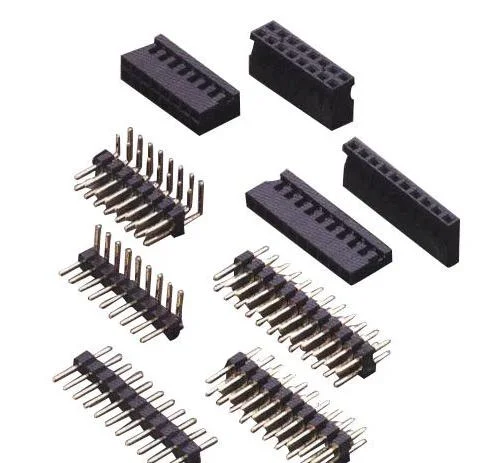
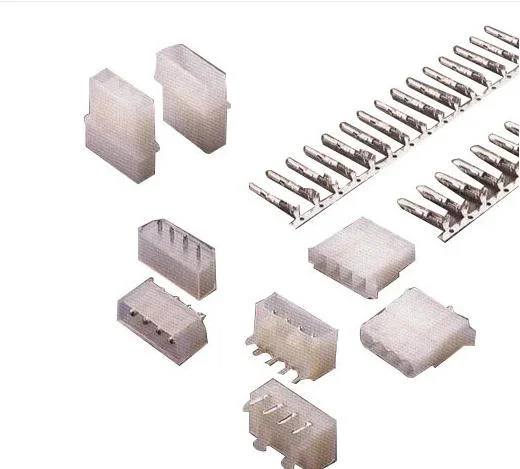
Industrial Cable Harness Electrical Connectors For Equipment Systems
Industrial Electrical Wiring Cable Assembly Connectors For Reliable Signal Transmission
Flat Cable Connector For Electronics: Ribbon Cable Termination For PCBs
Why Businesses Trust Pepagora
Thousands of companies trust Pepagora to source smarter and sell faster
Expand Your Sales Globally
25000+Products listed.Get discovered by global buyers
Tools to boost visibility
Build your own catalog

Source Smarter,Grow Faster
4000+Active RFQs
100+ Countries served
Easy Sourcing Tools
