
 IN
INundefined
Fish & Seafood Traders (Shrimp, Tuna, Pomfret)
23 products available
What are Fish & Seafood Traders (Shrimp, Tuna, Pomfret)?
Fish and seafood traders specialize in the procurement and distribution of various marine products, including shrimp, tuna, and pomfret. These traders play a vital role in connecting seafood producers with buyers, ensuring that fresh and high-quality products reach markets efficiently. They typically manage the logistics of transportation, storage, and sales, facilitating both local and international trade.
The primary uses of fish and seafood include culinary applications in restaurants, food processing, and retail markets. Businesses in the hospitality industry rely on seafood traders for consistent supply and quality assurance. Additionally, seafood is a staple in many cultures, driving demand in both fresh and frozen forms across diverse culinary applications.
The fish and seafood industry is significant in global markets, with a growing emphasis on sustainable practices. As consumer preferences shift towards healthier eating, the demand for seafood continues to rise. Traders must stay informed about market trends and regulations to effectively serve their clientele and maintain competitiveness.
𝗞𝗲𝘆 𝗙𝗲𝗮𝘁𝘂𝗿𝗲𝘀 𝗮𝗻𝗱 𝗦𝗽𝗲𝗰𝗶𝗳𝗶𝗰𝗮𝘁𝗶𝗼𝗻𝘀
When considering fish and seafood traders, it is essential to understand the key features and specifications that define quality and reliability. These specifications ensure that products meet industry standards and customer expectations.
Key specifications include:
1. Sourcing Practices
- Responsible and sustainable sourcing is crucial for quality assurance.
- Traders should have clear traceability from ocean to plate.
2. Freshness Standards
- Products should be delivered at optimal freshness levels.
- Temperature control during transport is critical.
3. Packaging Requirements
- Packaging must preserve product quality and extend shelf life.
- Use of eco-friendly materials is increasingly preferred.
4. Inspection and Quality Control
- Regular inspections should be conducted to maintain standards.
- Compliance with health regulations is mandatory.
5. Product Variety
- A diverse product range is essential to meet varying customer needs.
- Options may include fresh, frozen, or processed seafood.
6. Logistics and Distribution
- Efficient logistics systems ensure timely deliveries.
- Experience in international shipping is beneficial.
7. Documentation and Certification
- Proper documentation is necessary for trade compliance.
- Certifications such as CE should be readily available.
8. Customer Support and Service
- Strong customer service enhances the buyer experience.
- Traders should provide support for inquiries and order management.
In summary, understanding these features and specifications helps buyers select reliable fish and seafood traders that align with their quality and service expectations.
𝗖𝗼𝗺𝗺𝗼𝗻 𝗔𝗽𝗽𝗹𝗶𝗰𝗮𝘁𝗶𝗼𝗻𝘀 𝗮𝗻𝗱 𝗨𝘀𝗲 𝗖𝗮𝘀𝗲𝘀
Fish and seafood traders supply a wide range of industries, each with specific applications for shrimp, tuna, and pomfret.
1. Restaurants: Many restaurants depend on seafood traders for fresh ingredients to create diverse menu options. High-quality seafood enhances culinary experiences.
2. Food Processing: Seafood is a key ingredient in many processed foods, such as canned tuna or frozen shrimp products. Traders supply bulk quantities to manufacturers.
3. Retail Markets: Supermarkets and fish markets rely on traders for fresh seafood offerings. Consumers seek quality products, making reliable sourcing crucial.
4. Hospitality Industry: Hotels and catering services often require large supplies of seafood for events and dining services. Consistency in supply is vital.
5. Export Markets: Many traders engage in international trade, exporting seafood to meet global demand. Understanding regulations and logistics is essential.
6. Aquaculture: Some traders work with aquaculture farms, supplying them with necessary stocks and resources. This partnership supports sustainable seafood production.
7. Health and Nutrition: With a growing focus on health, nutrition-focused companies source seafood for health products and supplements, reflecting a shift in consumer preferences.
In summary, fish and seafood traders play a critical role across various sectors, providing essential products that meet diverse needs.
𝗣𝗿𝗼𝗱𝘂𝗰𝘁 𝗩𝗮𝗿𝗶𝗮𝗻𝘁𝘀 𝗮𝗻𝗱 𝗦𝘂𝗯𝗰𝗮𝘁𝗲𝗴𝗼𝗿𝗶𝗲𝘀
The fish and seafood trading sector offers a variety of products tailored to different market needs. Each variant has unique features and applications.
Shrimp
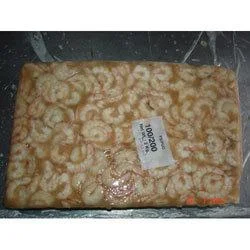
Shrimp is one of the most popular seafood items globally. Traders often provide different sizes and types, including wild-caught and farmed shrimp. Shrimp is versatile and can be used in various dishes, from appetizers to main courses.
Tuna
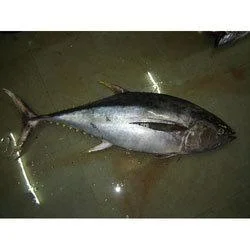
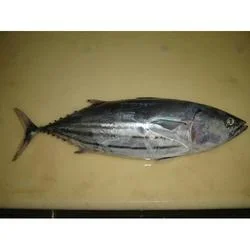
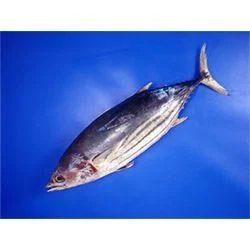
Tuna is highly sought after for its rich flavor and health benefits. It is available in several forms, such as fresh, frozen, or canned. Traders supply different species, including yellowfin and bluefin, catering to diverse culinary preferences.
Pomfret
Pomfret is valued for its delicate taste and is commonly used in Asian cuisine. Traders offer both fresh and frozen varieties. Its popularity in various dishes makes it a staple for many seafood consumers.
𝗕𝗲𝗻𝗲𝗳𝗶𝘁𝘀 𝗮𝗻𝗱 𝗔𝗱𝘃𝗮𝗻𝘁𝗮𝗴𝗲𝘀
Sourcing fish and seafood from reliable traders comes with several advantages.
1. Quality Assurance: Traders often adhere to strict quality control measures, ensuring that products meet high standards.
2. Consistent Supply: A reliable trader can provide a steady supply of products, reducing risks of shortages for businesses.
3. Diverse Product Range: Traders typically offer a wide variety of seafood, allowing businesses to meet varied customer preferences.
4. Expertise and Knowledge: Experienced traders possess valuable industry knowledge that can help buyers make informed decisions.
5. Competitive Pricing: Bulk purchasing from traders often leads to more favorable pricing compared to retail sources.
6. Logistics Support: Many traders provide logistics and distribution services, streamlining the supply chain process for buyers.
In summary, partnering with fish and seafood traders can significantly enhance business operations through reliable sourcing and expert support.
𝗕𝘂𝘆𝗶𝗻𝗴 𝗚𝘂𝗶𝗱𝗲 𝗳𝗼𝗿 𝗕𝟮𝗕 𝗕𝘂𝘆𝗲𝗿𝘀
When sourcing fish and seafood traders, it is essential to consider several factors to ensure a successful purchasing experience.
1. Quality Assessment: Evaluate the quality of products through certifications and quality control practices. Reliable traders will provide transparency regarding sourcing and handling.
2. Supplier Verification: Vet potential suppliers by reviewing their reputations, certifications, and customer feedback. It is crucial to establish trust before entering into agreements.
3. Pricing and MOQ: Understand pricing structures and minimum order quantities (MOQ) to align with your budget and purchasing needs. Negotiate terms that are favorable for both parties.
4. Delivery and Lead Times: Inquire about lead times and delivery capabilities. Timeliness is essential in the seafood industry to maintain product freshness.
5. Compliance Requirements: Ensure that the trader complies with all relevant regulations and quality standards. This includes health and safety regulations that govern seafood products.
𝗖𝗼𝗺𝗽𝗹𝗶𝗮𝗻𝗰𝗲 𝗮𝗻𝗱 𝗖𝗲𝗿𝘁𝗶𝗳𝗶𝗰𝗮𝘁𝗶𝗼𝗻𝘀
Navigating compliance and certifications is crucial for fish and seafood traders. Several quality standards apply to the industry, ensuring that products meet safety and quality requirements.
ISO 9001 is a widely recognized standard that focuses on quality management systems. It helps ensure that traders maintain consistent quality in their operations.
HACCP (Hazard Analysis Critical Control Point) is essential for food safety. It provides guidelines for identifying and controlling potential hazards throughout the seafood production and supply chain.
Good Distribution Practice (GDP) standards ensure that products are handled and stored correctly during transportation, maintaining their quality and safety.
Traders should also possess industry certifications such as CE, which indicates compliance with European safety standards. This certification is crucial for international trade, especially in regions that prioritize product safety.
Regional compliance considerations may vary, so traders must be aware of local laws and regulations that govern seafood trading. This includes understanding import/export requirements and labeling standards that may apply.
Why Source Fish & Seafood Traders (Shrimp, Tuna, Pomfret) from Pepagora?
Pepagora serves as a trusted platform for sourcing fish and seafood traders specializing in shrimp, tuna, and pomfret. The platform offers several key advantages that benefit B2B buyers.
Verified Supplier Network: Pepagora has established a robust network of verified suppliers. This verification process ensures that buyers can trust the quality and reliability of the products offered.
Streamlined RFQ Process: The platform features an efficient Request for Quotation (RFQ) process, allowing buyers to receive competitive quotes from multiple suppliers quickly. This transparency simplifies the decision-making process.
Trade Assurance and Support: Pepagora provides trade assurance to protect buyers throughout the purchasing process. This includes support for any issues that may arise, enhancing confidence in transactions.
Regional Coverage: With a strong presence in India, the GCC, and Southeast Asia, Pepagora connects buyers with suppliers across these important markets. This regional coverage ensures access to a diverse range of products and suppliers.
In conclusion, sourcing fish and seafood traders from Pepagora not only facilitates access to quality products but also ensures that buyers benefit from a trustworthy and efficient marketplace.
Newly Added
















Recently Added
Avi Fish World
Premium Hulled Oats Bird Food Hygienic Natural Nutrition
Premium Live Aquarium Fish For Buyers And Wholesalers
Premium Aquarium Backgrounds For Buyers And Retailers
Best Aquarium
Premium Aquarium Tanks For Commercial And Residential Use
Premium Live Aquarium Plants For Retail And Wholesale
Premium Aquarium Fish Food For Health Growth And Color
Cauvery Hyderabadi Birayani, Veg & Non Veg Food
Premium Vegetable Biryani Hyderabadi Basmati Rice Bulk Food
Hyderabadi Vegetable Biryani Premium Basmati Rice Herbs Spices
Hyderabadi Dum Veg Biryani Premium Basmati Rice
Angelplus
Premium Frozen Eel Fish For Importers And Distributors
Frozen Cuttlefish Premium Indian Waters No Preservatives
Premium Japanese Threadfin Bream JTB Fish for Buyers
Aquariumchennai
Premium Marine Aquariums For Hotels Malls Commercial Spaces
Artificial Garden Aquarium Plants Realistic Low Maintenance Decor
Rock Setting Aquarium Natural Mountain Aesthetic Durable Low Maintenance
FRONTLINE EXPORTS PVT LTD
Premium Frozen Red Snapper Whole Round IQF 20kg Carton
Frozen Indian Oil Sardines Sustainable HACCP Certified
Frozen Sardine HGT Whole Round Headless Tail Less Bulk
Why Businesses Trust Pepagora
Thousands of companies trust Pepagora to source smarter and sell faster
Expand Your Sales Globally
25000+Products listed.Get discovered by global buyers
Tools to boost visibility
Build your own catalog

Source Smarter,Grow Faster
4000+Active RFQs
100+ Countries served
Easy Sourcing Tools
