
 IN
INundefined
Finite Element Analysis (FEA)
1 products available
What are Finite Element Analysis (FEA)?
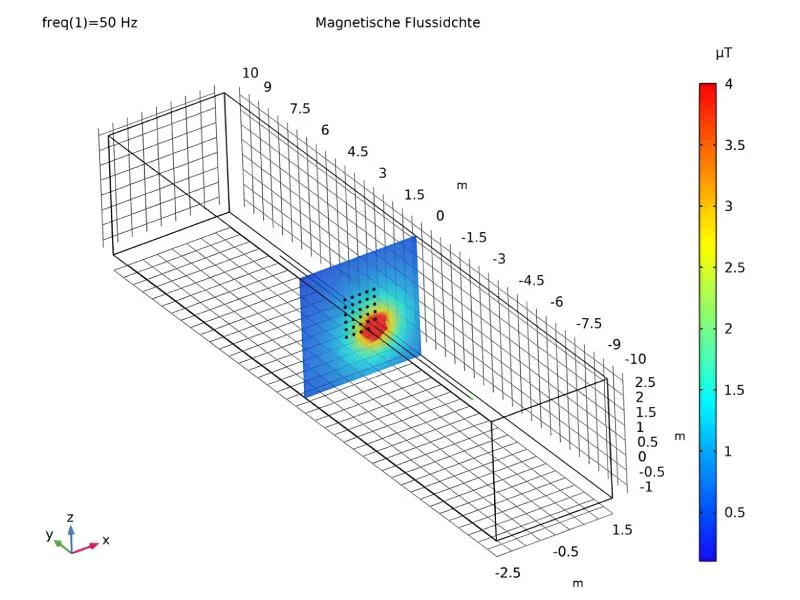
Finite Element Analysis (FEA) is a computational technique used to predict how objects behave under various physical conditions. It breaks down complex structures into smaller, more manageable pieces known as finite elements. These elements are analyzed using mathematical equations to simulate physical phenomena such as stress, strain, heat transfer, and fluid flow. FEA is widely utilized in engineering and product design, allowing engineers to assess the performance and durability of materials and structures before physical testing.
The primary uses of FEA include structural analysis, thermal analysis, and dynamic analysis in various industries. Businesses leverage FEA to optimize product designs, reduce material costs, and improve safety and reliability. This analysis is crucial in industries such as aerospace, automotive, civil engineering, and electronics, where understanding material behavior under different conditions is essential. The growing demand for innovative products and the need for regulatory compliance drive the adoption of FEA across these sectors.
As industries evolve, the relevance of FEA continues to expand. The market for FEA software and services has witnessed significant growth due to advancements in technology and increased competition among manufacturers. Companies are increasingly investing in FEA tools to enhance product development cycles, ensuring they remain competitive in a rapidly changing landscape.
𝗞𝗲𝘆 𝗙𝗲𝗮𝘁𝘂𝗿𝗲𝘀 𝗮𝗻𝗱 𝗦𝗽𝗲𝗰𝗶𝗳𝗶𝗰𝗮𝘁𝗶𝗼𝗻𝘀
Finite Element Analysis (FEA) software offers a range of features designed to enhance analysis capabilities and improve user experience. These features cater to the diverse needs of engineers and designers, ensuring accurate and efficient simulations.
Key specifications include:
1. Analysis Types
- Static and dynamic analysis capabilities
- Thermal and fluid flow analysis options
2. User Interface
- Intuitive graphical user interface for ease of use
- Customizable workspaces for user preference
3. Solver Types
- Linear and nonlinear solvers for varied applications
- Fast computational algorithms for efficient processing
4. Mesh Generation
- Automated mesh generation tools
- Support for structured and unstructured meshing
5. Material Property Definitions
- Extensive libraries of material properties
- Ability to define custom materials for specific applications
6. Post-Processing Tools
- Advanced visualization options for results
- Comprehensive reporting features for analysis documentation
7. Integration Capabilities
- Compatibility with CAD software for seamless workflows
- APIs for integrating with other engineering tools
The combination of these features ensures that FEA tools meet the demands of modern engineering challenges, facilitating accurate simulations and informed decision-making.
𝗖𝗼𝗺𝗺𝗼𝗻 𝗔𝗽𝗽𝗹𝗶𝗰𝗮𝘁𝗶𝗼𝗻𝘀 𝗮𝗻𝗱 𝗨𝘀𝗲 𝗖𝗮𝘀𝗲𝘀
Finite Element Analysis (FEA) finds applications across a variety of industries, enhancing product design and performance evaluation.
1. Aerospace: FEA is used to analyze the structural integrity of aircraft components, ensuring they can withstand the forces encountered during flight.
2. Automotive: Engineers utilize FEA to simulate crash tests on vehicles, optimizing safety features and improving fuel efficiency through lightweight design.
3. Civil Engineering: FEA helps in assessing the stability of structures such as bridges and buildings, allowing for better design practices and risk management.
4. Electronics: FEA is employed to analyze thermal dissipation in electronic components, ensuring reliable performance under varying temperature conditions.
5. Manufacturing: FEA aids in optimizing manufacturing processes, such as injection molding, to ensure product quality and reduce waste.
6. Medical Devices: FEA is used to evaluate the performance of medical implants, ensuring compatibility and durability in the human body.
7. Energy: FEA assists in the design of wind turbines and other energy systems, improving efficiency and reducing maintenance costs.
𝗣𝗿𝗼𝗱𝘂𝗰𝘁 𝗩𝗮𝗿𝗶𝗮𝗻𝘁𝘀 𝗮𝗻𝗱 𝗦𝘂𝗯𝗰𝗮𝘁𝗲𝗴𝗼𝗿𝗶𝗲𝘀
Finite Element Analysis (FEA) encompasses a diverse range of tools tailored to meet specific industry needs and applications. Each variant offers unique features catering to different types of analyses.
Standard FEA Software
This variant provides a comprehensive suite of tools for various analysis types, including structural, thermal, and fluid dynamics. It is widely used across multiple industries for product design and optimization.
Specialized FEA Tools
These tools focus on specific applications such as nonlinear analysis or dynamic simulations. They are particularly useful in industries that require advanced modeling capabilities.
Cloud-Based FEA Solutions
Offering flexibility and scalability, cloud-based FEA solutions enable users to access powerful analysis tools without the need for extensive local infrastructure. This variant is gaining popularity among organizations looking to reduce costs and improve collaboration.
𝗕𝗲𝗻𝗲𝗳𝗶𝘁𝘀 𝗮𝗻𝗱 𝗔𝗱𝘃𝗮𝗻𝘁𝗮𝗴𝗲𝘀
Finite Element Analysis (FEA) provides numerous benefits that enhance product development and performance evaluation.
1. Improved Accuracy: FEA enables precise simulations of complex structures, leading to more reliable predictions of real-world behavior.
2. Cost Efficiency: By identifying potential design flaws early in the development process, FEA helps reduce material costs and avoid expensive prototyping.
3. Time Savings: FEA streamlines the analysis process, allowing engineers to complete simulations more quickly and efficiently.
4. Enhanced Safety: Through detailed analysis, FEA helps ensure that products meet safety standards and regulations, reducing risks associated with failures.
5. Design Optimization: FEA allows for iterative design improvements, ensuring that products are optimized for performance and durability.
6. Increased Innovation: With the ability to test various design scenarios virtually, FEA fosters creativity and innovation in product development.
𝗕𝘂𝘆𝗶𝗻𝗴 𝗚𝘂𝗶𝗱𝗲 𝗳𝗼𝗿 𝗕𝟮𝗕 𝗕𝘂𝘆𝗲𝗿𝘀
When sourcing Finite Element Analysis (FEA) solutions, several key factors should be considered to ensure the right choice for your organization.
1. Quality Assessment: Evaluate the software's accuracy and reliability through reviews, case studies, and user testimonials. Look for solutions that offer robust validation processes.
2. Supplier Verification: Vet potential suppliers by checking their industry reputation, customer service track record, and product support offerings. A reliable supplier will have a proven history of successful implementations.
3. Pricing and MOQ: Understand the pricing structure, including licensing fees, subscription models, and any minimum order quantities. Consider your organization's budget and project requirements.
4. Delivery and Lead Times: Inquire about the delivery schedule for software updates, support, and training. Timely access to resources is essential for effective implementation.
5. Compliance Requirements: Ensure that the FEA solution complies with relevant industry standards and regulations. This is crucial for industries such as aerospace and automotive, where safety and quality assurance are paramount.
𝗖𝗼𝗺𝗽𝗹𝗶𝗮𝗻𝗰𝗲 𝗮𝗻𝗱 𝗖𝗲𝗿𝘁𝗶𝗳𝗶𝗰𝗮𝘁𝗶𝗼𝗻𝘀
Finite Element Analysis (FEA) tools must adhere to various quality standards and industry certifications to ensure reliability and safety.
Relevant quality standards include ISO 9001, which outlines requirements for a quality management system, ensuring consistent product quality. Compliance with HACCP guidelines can be critical in industries involving food and pharmaceuticals, while GDP standards may apply in logistics and supply chain contexts.
Industry certifications, such as CE marking, indicate that products meet European safety and environmental requirements. These certifications are vital for ensuring that FEA tools are suitable for use in regulated industries.
Safety and testing requirements often involve rigorous validation processes, ensuring that FEA software provides accurate and reliable results. Regional compliance considerations may vary, so it is essential for buyers to understand the specific regulations applicable in their operating regions.
Why Source Finite Element Analysis (FEA) from Pepagora?
Pepagora provides a trusted platform for sourcing Finite Element Analysis (FEA) with several key advantages that enhance the buying experience for B2B customers.
Verified Supplier Network: Pepagora connects buyers with a network of verified suppliers, ensuring that customers can access high-quality FEA solutions. Each supplier undergoes a thorough vetting process to guarantee reliability and professionalism.
Streamlined RFQ Process: The platform offers a streamlined Request for Quotation (RFQ) process, simplifying the way buyers can request and receive quotes from multiple suppliers. This efficiency allows for faster decision-making and comparison.
Trade Assurance and Support: Pepagora prioritizes buyer protection, offering trade assurance to safeguard transactions. In addition, the platform provides dedicated support to assist customers throughout the sourcing process, ensuring a smooth experience.
Regional Coverage: With extensive reach across India, the GCC, and Southeast Asia, Pepagora is well-positioned to serve diverse markets. This regional coverage ensures that buyers can find local suppliers who understand their specific needs and compliance requirements.














Why Businesses Trust Pepagora
Thousands of companies trust Pepagora to source smarter and sell faster
Expand Your Sales Globally
25000+Products listed.Get discovered by global buyers
Tools to boost visibility
Build your own catalog

Source Smarter,Grow Faster
4000+Active RFQs
100+ Countries served
Easy Sourcing Tools
