
 IN
INundefined
Fetal Monitors
10 products available
𝗪𝗵𝗮𝘁 𝗮𝗿𝗲 𝗙𝗲𝘁𝗮𝗹 𝗠𝗼𝗻𝗶𝘁𝗼𝗿𝘀?
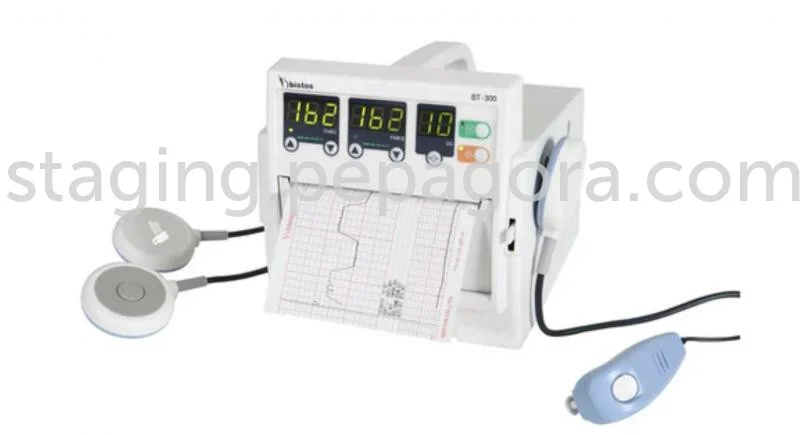
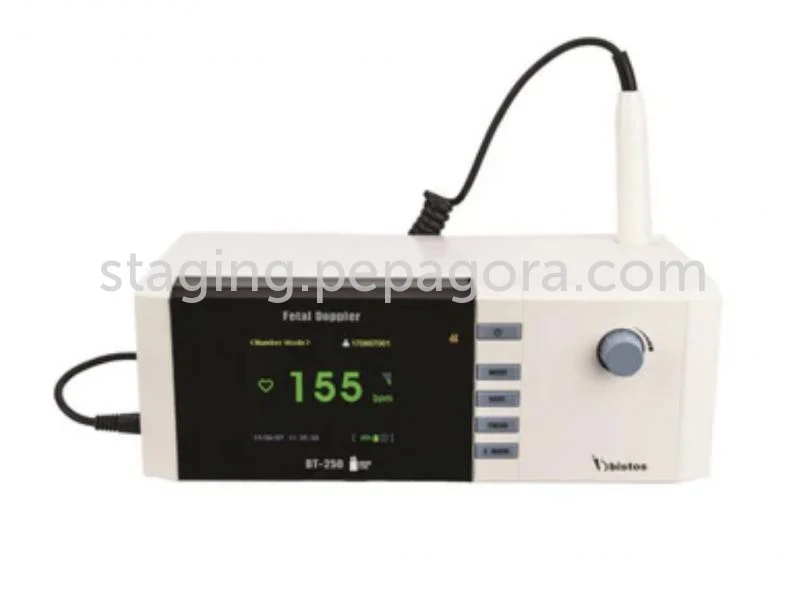
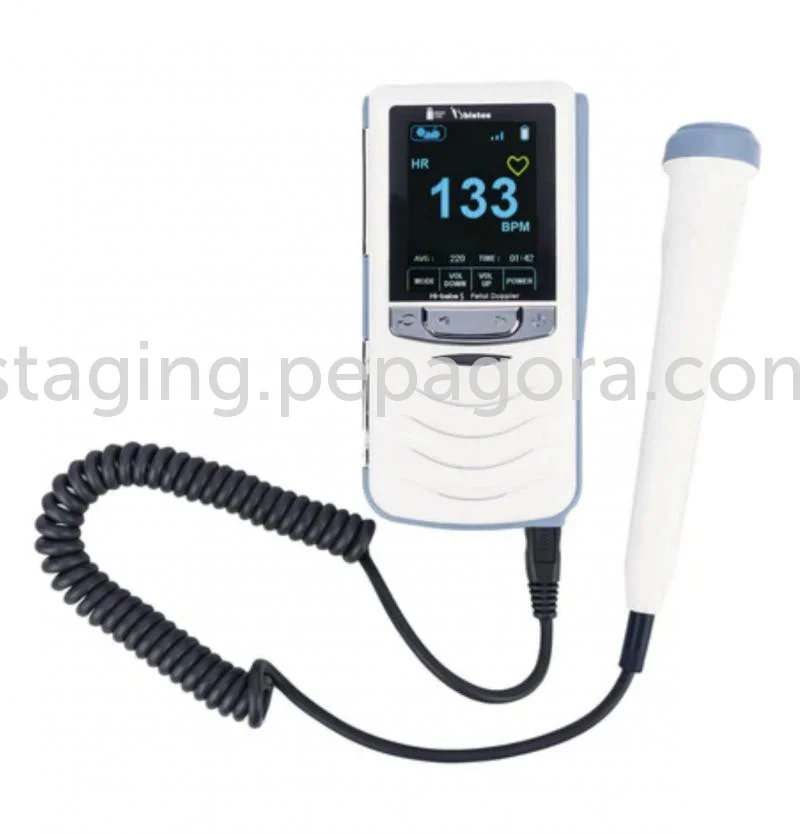
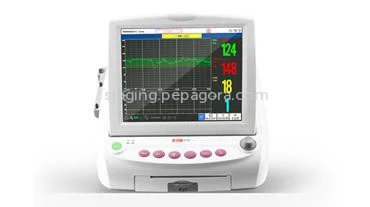
Fetal monitors are medical devices designed to track the heart rate and other vital signs of a developing fetus during pregnancy. These monitors can provide continuous or intermittent assessments of fetal well-being, allowing healthcare professionals to monitor the health of both the mother and the fetus. They can be used in various settings, including hospitals, clinics, and home care environments.
The primary uses of fetal monitors include labor and delivery monitoring, prenatal assessments, and postnatal evaluations. They play a critical role in identifying potential complications during labor, such as fetal distress, which may require immediate medical intervention. In the business context, fetal monitors are essential in obstetrics and gynecology, making them a vital product for hospitals and clinics focused on maternal and fetal health.
In today's healthcare landscape, fetal monitors are increasingly relevant due to rising awareness about maternal and fetal health. The global market for these devices is expanding as technological advancements improve monitoring accuracy and ease of use. With a growing emphasis on patient-centered care, the demand for reliable fetal monitoring solutions continues to rise across various healthcare sectors.
𝗞𝗲𝘆 𝗙𝗲𝗮𝘁𝘂𝗿𝗲𝘀 𝗮𝗻𝗱 𝗦𝗽𝗲𝗰𝗶𝗳𝗶𝗰𝗮𝘁𝗶𝗼𝗻𝘀
Fetal monitors come equipped with several advanced features that enhance their usability and accuracy. They are designed to provide real-time data, making them invaluable tools for healthcare providers.
Key specifications include:
1. Monitoring Mode
- Continuous or intermittent monitoring options
- Flexibility in use during labor and prenatal assessments
2. Display Type
- Digital displays for clear visualization of data
- Graphical representations of fetal heart rate patterns
3. Connectivity
- Options for wireless or wired connectivity
- Integration capabilities with electronic health record systems
4. Battery Life
- Long-lasting battery for portability
- Rechargeable options for extended use
5. User Interface
- Intuitive controls for ease of operation
- Configurable settings to meet specific clinical needs
6. Data Storage
- Internal storage for patient data history
- Capability to export data for further analysis
7. Safety Features
- Built-in alarms for abnormal readings
- Compliance with medical safety standards
8. Calibration
- Easy calibration to maintain accuracy
- Regular updates for software and firmware
In summary, the features and specifications of fetal monitors are designed to facilitate effective monitoring of fetal health, ensuring that healthcare providers have the tools necessary to deliver optimal care.
𝗖𝗼𝗺𝗺𝗼𝗻 𝗔𝗽𝗽𝗹𝗶𝗰𝗮𝘁𝗶𝗼𝗻𝘀 𝗮𝗻𝗱 𝗨𝘀𝗲 𝗖𝗮𝘀𝗲𝘀
Fetal monitors serve various industries, primarily within healthcare.
1. Obstetrics: Fetal monitors are used extensively in obstetrics to monitor the health of both mother and baby during pregnancy and childbirth. They help detect any signs of distress in the fetus that may require intervention.
2. Gynecology: In gynecological practices, fetal monitors assist in routine prenatal check-ups. They provide essential data that help healthcare providers assess fetal development and health.
3. Home Healthcare: Some fetal monitoring systems are designed for home use, allowing expectant mothers to monitor their fetus's heart rate in a comfortable environment. This increases accessibility to maternal and fetal health monitoring.
4. Research Institutions: Fetal monitors are also utilized in clinical research to study fetal development and outcomes. Data collected can contribute to advancements in prenatal care practices.
5. Medical Training: These devices are used in medical training programs to help students and professionals learn about fetal monitoring techniques and the interpretation of data.
6. Emergency Medical Services: Fetal monitors may be used in ambulances during transport to provide critical information about fetal health when immediate medical attention is required.
𝗣𝗿𝗼𝗱𝘂𝗰𝘁 𝗩𝗮𝗿𝗶𝗮𝗻𝘁𝘀 𝗮𝗻𝗱 𝗦𝘂𝗯𝗰𝗮𝘁𝗲𝗴𝗼𝗿𝗶𝗲𝘀
Fetal monitors come in various models and configurations to suit different clinical needs.
Portable Fetal Monitors
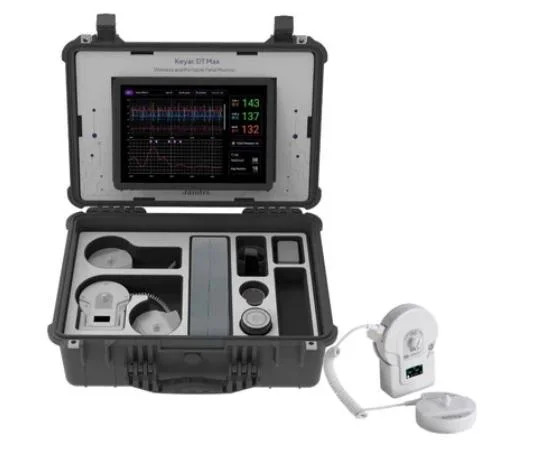
These devices are designed for easy transport and are often battery-operated. They are ideal for use in clinics and during home visits. Their portability allows healthcare providers to conduct monitoring in various settings without being tethered to hospital equipment.
Wireless Fetal Monitors
These monitors utilize wireless technology to transmit data, allowing for greater mobility for both patients and medical staff. They are especially useful in labor and delivery rooms, where staff may need to move around freely while maintaining continuous monitoring.
Continuous Fetal Monitors
These devices are designed for real-time monitoring throughout labor. They provide continuous data on fetal heart rate and contractions, ensuring that any changes in the fetus's condition are promptly addressed.
𝗕𝗲𝗻𝗲𝗳𝗶𝘁𝘀 𝗮𝗻𝗱 𝗔𝗱𝘃𝗮𝗻𝘁𝗮𝗴𝗲𝘀
Fetal monitors offer significant benefits to healthcare providers and patients alike.
1. Enhanced Patient Monitoring: Continuous tracking of fetal health allows for timely intervention in case of distress.
2. Improved Outcomes: Early detection of complications can lead to better outcomes for both mother and baby.
3. Increased Efficiency: Modern fetal monitors can streamline the monitoring process, saving time for healthcare professionals.
4. User-Friendly Interfaces: Many devices feature intuitive controls, making them easy to operate even under pressure.
5. Data Accessibility: The ability to store and analyze historical data enhances clinical decision-making.
6. Regulatory Compliance: Many fetal monitors meet stringent safety and regulatory standards, ensuring reliability in clinical use.
𝗕𝘂𝘆𝗶𝗻𝗴 𝗚𝘂𝗶𝗱𝗲 𝗳𝗼𝗿 𝗕𝟮𝗕 𝗕𝘂𝘆𝗲𝗿𝘀
When sourcing fetal monitors, consider several crucial factors to ensure you make an informed purchasing decision.
1. Quality Assessment: Evaluate the quality of fetal monitors by reviewing industry certifications and compliance with safety standards. Look for devices that have undergone rigorous testing to guarantee reliability.
2. Supplier Verification: It is essential to vet suppliers to ensure they are reputable and provide high-quality products. Check for references, reviews, and any certifications that demonstrate their credibility.
3. Pricing and MOQ: Understand the pricing structure of fetal monitors and inquire about minimum order quantities. This will help you budget effectively and align your purchasing goals with your operational needs.
4. Delivery and Lead Times: Assess the logistics of delivery, including lead times and shipping options. Timely delivery is crucial in the healthcare sector to ensure that equipment is available when needed.
5. Compliance Requirements: Familiarize yourself with any regulatory compliance requirements relevant to your region. This may include certifications such as CE and adherence to local healthcare standards.
𝗖𝗼𝗺𝗽𝗹𝗶𝗮𝗻𝗰𝗲 𝗮𝗻𝗱 𝗖𝗲𝗿𝘁𝗶𝗳𝗶𝗰𝗮𝘁𝗶𝗼𝗻𝘀
Fetal monitors are subject to various quality standards and industry certifications to ensure their safety and efficacy. ISO 9001 is a widely recognized standard that outlines quality management principles applicable to the manufacturing of medical devices, including fetal monitors. Compliance with this standard helps ensure that products consistently meet customer and regulatory requirements.
Additionally, fetal monitors often hold certifications such as CE, which indicates compliance with European health, safety, and environmental protection standards. This certification is crucial for companies looking to market their products in Europe.
Safety and testing requirements for fetal monitors are stringent, ensuring that devices can reliably monitor fetal health without posing risks to either the mother or the fetus. Manufacturers must conduct thorough testing to meet these requirements, which may vary by region.
It is also important to consider regional compliance, as different countries may have specific regulations governing the use of medical devices. Understanding these regulations can help prevent legal issues and ensure that products are safe and effective for use in healthcare settings.
𝗪𝗵𝘆 𝗦𝗼𝘂𝗿𝗰𝗲 𝗙𝗲𝘁𝗮𝗹 𝗠𝗼𝗻𝗶𝘁𝗼𝗿𝘀 𝗳𝗿𝗼𝗺 𝗣𝗲𝗽𝗮𝗴𝗼𝗿𝗮?
Pepagora provides a trusted platform for sourcing fetal monitors, offering several key advantages to B2B buyers.
Verified Supplier Network: Pepagora partners with a network of verified suppliers who adhere to high-quality standards. This ensures that buyers receive reliable products that meet their clinical needs.
Streamlined RFQ Process: The quotation system on Pepagora simplifies the sourcing process. Buyers can easily request quotes from multiple suppliers, enabling them to compare options and make informed decisions.
Trade Assurance and Support: Pepagora offers trade assurance to protect buyers throughout the purchasing process. This includes support for any issues that may arise after the purchase, ensuring a smooth transaction.
Regional Coverage: With a strong presence in India, the GCC, and Southeast Asia, Pepagora is well-positioned to serve a diverse range of markets. This geographic reach allows buyers to access a wide variety of fetal monitors tailored to different regional requirements.
Newly Added





Recently Added
Mars Tech
Medical Grade Arterial Line Filter 165mL Prime Volume Automatic
Medical Leucocyte Removal Filter Red Cell 90% Platelet Recovery Automatic
GE Corometrics Toco Transducer For Fetal Monitor Medical Grade New
B. E. P. Edu World
Child CPR Training Manikin with Light Indicators for Medical Education
Nurse Basic Practice Teaching Model BEP 405 5 Part Anatomical Training Tool
CPR Training Manikin with Electronic Monitoring Meets AHA Standards
Devesh Meditech
Laparoscopic Trainer Set For Surgical Skills Development With Acrylic Model
Industrial Stainless Steel Welding Electrodes Corrosion Resistant
Urology Optical Instruments Premium Grasping Forceps Scissors
Meditrin Instruments
Premium Pocket Fetal Doppler For Accurate At Home And Clinical Monitoring
Medical Fetal Doppler For Pregnancy Heartbeat Monitoring
Professional Radiant Heat Warmer Stand For Sports Therapy And Medical Use
Perfect Medical Instruments
Erba EC 90 Semi Automatic Touch Electrolyte Analyzer For Laboratory
Clinical Lab Mindray Hematology Analyzer 5 Part Differential CBC
H360 Automated Hematology Analyzer 3 Part Differential Dual Chamber
ABRONN
Medical Privacy Screen 4 Panel Folding Portable Durable Healthcare
Emergency Medical Services Spencer 110 Widthwise Foldable Stretcher
Medical 20L Portable Suction Machine With Overflow Protection
Ababil Healthcare
Industrial Racking Systems Heavy Duty Steel Customizable Storage Solutions
Industrial Heavy Duty Cantilever Racks For Long Bulky Materials Storage
Industrial Heavy Duty Rack For Warehouse Storage And Logistics
Why Businesses Trust Pepagora
Thousands of companies trust Pepagora to source smarter and sell faster
Expand Your Sales Globally
25000+Products listed.Get discovered by global buyers
Tools to boost visibility
Build your own catalog

Source Smarter,Grow Faster
4000+Active RFQs
100+ Countries served
Easy Sourcing Tools
