
 IN
INundefined
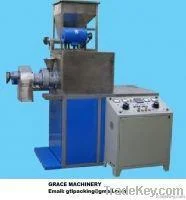
Extruder Machines for Snacks
9 products available
𝗪𝗵𝗮𝘁 𝗮𝗿𝗲 𝗘𝘅𝘁𝗿𝘂𝗱𝗲𝗿 𝗠𝗮𝗰𝗵𝗶𝗻𝗲𝘀 𝗳𝗼𝗿 𝗦𝗻𝗮𝗰𝗸𝘀?
Extruder machines for snacks are specialized equipment designed for the production of various snack foods. These machines work by forcing a mixture of ingredients through a die, which shapes the product while simultaneously cooking it using heat and pressure. The end result is a wide variety of snacks, such as chips, puffs, and extruded cereals, which can be customized in texture, flavor, and shape.
The primary applications of extruder machines in the snack industry include the creation of ready-to-eat snacks, pet foods, and textured vegetable proteins. They are essential in food processing plants where efficiency and uniformity are critical. Extruder machines allow manufacturers to scale production while maintaining consistency in quality, which is vital in a competitive market. With the increasing demand for innovative snack options, these machines are becoming increasingly relevant.
In the current market context, the snack food industry is witnessing steady growth, driven by changing consumer preferences and a demand for convenient, on-the-go food options. Extruder machines play a crucial role in meeting this demand, enabling manufacturers to produce a wide range of snack products efficiently.
𝗞𝗲𝘆 𝗙𝗲𝗮𝘁𝘂𝗿𝗲𝘀 𝗮𝗻𝗱 𝗦𝗽𝗲𝗰𝗶𝗳𝗶𝗰𝗮𝘁𝗶𝗼𝗻𝘀
Extruder machines for snacks come with a variety of features that enhance their functionality and efficiency. Understanding these specifications is essential for selecting the right machine for your production needs.
Key specifications include:
1. Production Capacity
- This specification indicates the volume of snacks produced per hour.
- Typical ranges can vary from 100 kg to several tons per hour.
2. Power Consumption
- This refers to the energy required to operate the machine.
- Power requirements generally range from 15 kW to over 100 kW depending on the model.
3. Temperature Control
- This feature allows precise regulation of cooking temperatures during extrusion.
- Machines can typically operate within a temperature range of 50°C to 180°C.
4. Die Types
- Different die configurations produce various shapes and textures of snacks.
- Common options include flat, round, and star-shaped dies.
5. Feed System
- This determines how ingredients are fed into the extruder.
- Options include single screw, twin screw, and co-rotating models.
6. Control System
- Advanced control systems facilitate monitoring and adjustments during the process.
- Many machines feature PLC (Programmable Logic Controller) interfaces.
7. Material of Construction
- Extruder machines are often made from stainless steel for durability and hygiene.
- Food-grade materials ensure compliance with health standards.
8. Maintenance Requirements
- Machines designed for easy disassembly and cleaning help reduce downtime.
- Regular maintenance schedules can extend the lifespan of the equipment.
In summary, selecting the right extruder machine involves understanding these key features and specifications to ensure it meets production requirements effectively.
𝗖𝗼𝗺𝗺𝗼𝗻 𝗔𝗽𝗽𝗹𝗶𝗰𝗮𝘁𝗶𝗼𝗻𝘀 𝗮𝗻𝗱 𝗨𝘀𝗲 𝗖𝗮𝘀𝗲𝘀
Extruder machines for snacks cater to a variety of industries, reflecting their versatility and importance in food processing.
1. Snack Food Industry: These machines are primarily used to produce various snacks, including chips, puffs, and bars, offering endless possibilities for flavor and texture.
2. Pet Food Production: Extruders are employed to create kibble and other pet food products, ensuring consistency in shape and nutritional content.
3. Breakfast Cereals: Many breakfast cereals are produced using extrusion, allowing for the creation of unique shapes and textures that appeal to consumers.
4. Nutraceuticals: Extruder machines can also be used to develop health-focused snacks fortified with vitamins and minerals, catering to health-conscious consumers.
5. Plant-Based Proteins: With the rise of vegetarian and vegan diets, extruders help produce meat alternatives from plant-based proteins, broadening product offerings.
6. Confectionery: Some extruder machines are adapted for use in producing candy and other confectionery items, expanding their application range.
7. Food Ingredients: Extrusion technology can be utilized to create specialty food ingredients such as flour and starch modifications for diverse culinary applications.
𝗣𝗿𝗼𝗱𝘂𝗰𝘁 𝗩𝗮𝗿𝗶𝗮𝗻𝘁𝘀 𝗮𝗻𝗱 𝗦𝘂𝗯𝗰𝗮𝘁𝗲𝗴𝗼𝗿𝗶𝗲𝘀
Extruder machines for snacks are diverse and come in various models tailored to specific production needs.
Single Screw Extruder
This variant is ideal for producing simple snack shapes and is often favored for its ease of operation and lower cost. It is suitable for small to medium production runs.
Twin Screw Extruder
Known for its versatility, this variant can handle a wider range of ingredients and complex formulations. It is particularly effective for producing high-quality snacks with intricate textures.
High-Temperature Short-Time Extruder
This type is designed for rapid cooking and can handle a variety of feed materials. It is commonly used in the production of puffed snacks and ready-to-eat cereals.
Low-Temperature Extruder
Suitable for sensitive ingredients that require gentle processing, this variant maintains ingredient integrity while producing high-quality snacks.
𝗕𝗲𝗻𝗲𝗳𝗶𝘁𝘀 𝗮𝗻𝗱 𝗔𝗱𝘃𝗮𝗻𝘁𝗮𝗴𝗲𝘀
Investing in extruder machines for snacks offers numerous advantages for manufacturers seeking efficiency and innovation.
Key benefits include:
1. Enhanced Production Efficiency: Extruder machines streamline the snack production process, significantly increasing output compared to traditional methods.
2. Versatility in Product Development: These machines can produce a wide range of snack types, allowing companies to diversify their product offerings quickly.
3. Consistent Quality: Extrusion technology ensures uniform cooking and shaping, resulting in snacks that meet quality standards consistently.
4. Cost-Effectiveness: Over time, the efficiency of extruder machines can lead to reduced operational costs, making them a smart investment for manufacturers.
5. Customization Options: Manufacturers can easily modify recipes and production parameters to create unique snacks tailored to consumer preferences.
6. Healthier Snack Options: Extruders can produce snacks with lower fat content and enhanced nutritional profiles, catering to health-conscious markets.
𝗕𝘂𝘆𝗶𝗻𝗴 𝗚𝘂𝗶𝗱𝗲 𝗳𝗼𝗿 𝗕𝟮𝗕 𝗕𝘂𝘆𝗲𝗿𝘀
When considering the purchase of extruder machines for snacks, several factors should guide your decision-making process.
1. Quality Assessment: Evaluate the build quality and performance specifications to ensure the machine meets industry standards and your production requirements.
2. Supplier Verification: Conduct thorough background checks on suppliers to confirm their reliability, reputation, and the quality of their products.
3. Pricing and MOQ: Understand the cost structures, including any minimum order quantities, to ensure that the investment aligns with your budget.
4. Delivery and Lead Times: Inquire about logistics, including estimated delivery times, to ensure timely production and minimize downtime.
5. Compliance Requirements: Ensure the machines meet relevant food safety and quality standards, including certifications necessary for your region.
𝗖𝗼𝗺𝗽𝗹𝗶𝗮𝗻𝗰𝗲 𝗮𝗻𝗱 𝗖𝗲𝗿𝘁𝗶𝗳𝗶𝗰𝗮𝘁𝗶𝗼𝗻𝘀
Extruder machines for snacks must adhere to several quality standards and certifications to ensure safety and effectiveness.
ISO 9001 is a widely recognized standard that specifies requirements for a quality management system. Compliance ensures that manufacturers maintain a consistent level of quality in their processes and products.
HACCP (Hazard Analysis and Critical Control Points) is crucial in the food industry, as it identifies and mitigates potential hazards in food production. Extruder machines should be designed to comply with these standards to ensure food safety.
CE certification indicates that the machines meet European safety and environmental requirements. This certification is vital for manufacturers looking to sell in European markets.
Safety and testing requirements are essential for ensuring that the machines operate safely and efficiently. Regular inspections and adherence to safety protocols protect both operators and consumers.
Regional compliance considerations may vary, so it is important to verify that the machines meet local regulations and standards in the regions where they will be used.
𝗪𝗵𝘆 𝗦𝗼𝘂𝗿𝗰𝗲 𝗘𝘅𝘁𝗿𝘂𝗱𝗲𝗿 𝗠𝗮𝗰𝗵𝗶𝗻𝗲𝘀 𝗳𝗼𝗿 𝗦𝗻𝗮𝗰𝗸𝘀 𝗳𝗿𝗼𝗺 𝗣𝗲𝗽𝗮𝗴𝗼𝗿𝗮?
Pepagora provides a trusted platform for sourcing extruder machines for snacks, offering several key advantages that set it apart from competitors.
Verified Supplier Network: Pepagora carefully vets suppliers to ensure that buyers are connected with reputable manufacturers. This verification process helps build trust and reliability in the sourcing experience.
Streamlined RFQ Process: The request for quotation (RFQ) system simplifies the procurement process, allowing buyers to receive competitive pricing and detailed information quickly. This efficiency supports informed purchasing decisions.
Trade Assurance and Support: Pepagora offers trade assurance programs that protect buyers throughout the transaction process. This includes support for negotiations and dispute resolutions to ensure a smooth experience.
Regional Coverage: With a strong presence in India, the GCC, and Southeast Asia, Pepagora facilitates access to a broad range of suppliers and products, making it easier for buyers to find the right extruder machines for their needs.
By choosing Pepagora, businesses can confidently navigate the procurement of extruder machines for snacks while benefiting from a robust support system and a diverse supplier network.
Newly Added


Recently Added
Autobake Productions
Artisan Bakery ASME Spiral Dough Mixer Two Speed Reversible Bowl
Commercial Deck Oven For Artisan Breads And Pastries
Commercial Bakery Electrical Deck Ovens For Bread Pastries Pizza
Bharti Machinery Tools
Masala Packaging Machine High Speed Corrosion Resistant Durable
Granules Packaging Machine Stainless Steel High Speed Filling 10g 10kg
Tea Packaging Machine Automated Bagging Sealing Precision Reliability
Crown Hotel Equipments
Commercial Espresso Machines For Hotels Cafes Restaurants
Commercial Chinese Cooking Range For Restaurants And Hotels
Commercial Two Burner Indian Cooking Range For Restaurants
Dynamech Engineers
Industrial Potato Chips Slicer Machine 400 kg/h 10 Die Options 1 HP Motor
Industrial Banana Slicer Machine High Capacity SS304 Uniform Chips
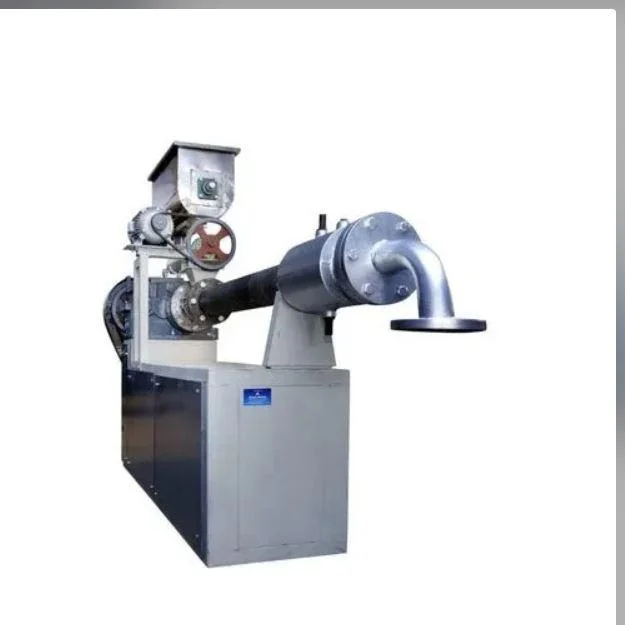
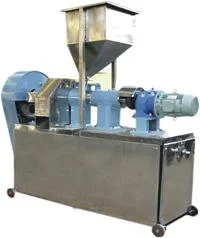
Kurkure Type Snack Extruder 50 60 kg/hour Rotary Head for Homemade Texture
Electronics A.P.
Vending Machine Punching Device For Reliable Performance And Durability
Coffee Machine Fan Cover Small Spare Part For Ventilation Protection
Vending Machine Fan Adaptors For Secure Cooling And Stable Airflow
Cemax extrusion machines
Industrial PVC Pipe Extrusion Machine Automatic 3 Phase 380V 300 350 kg/hr
PVC Pipe Twin Screw Extruder Machine 250 kg/hr 15 HP 3 Phase
Industrial Single Screw Extrusion Machine 40 60 Kg/Hr Semi Automatic 20HP
Uniq Food Machines
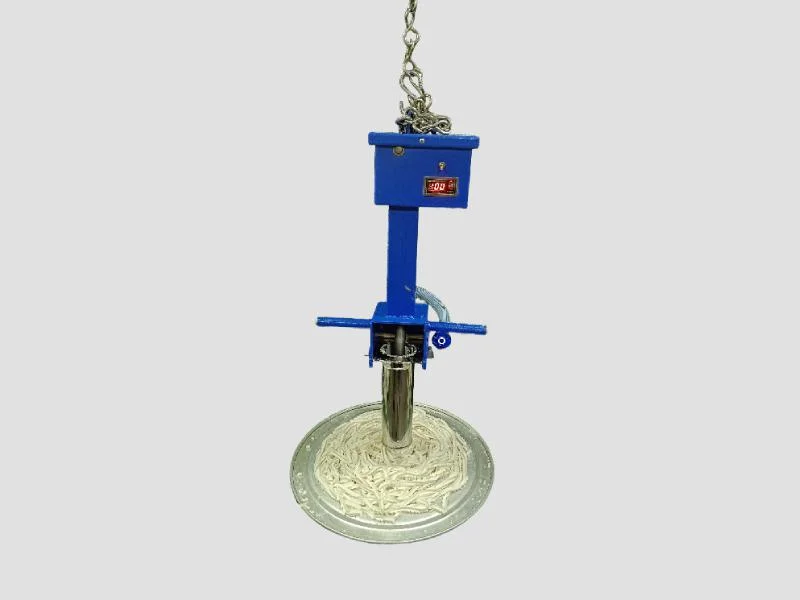
Commercial Idiyappam Machine Steamer Combo For High Volume Food Production
Commercial Automatic Idiyappam Machine For High Volume Food Production
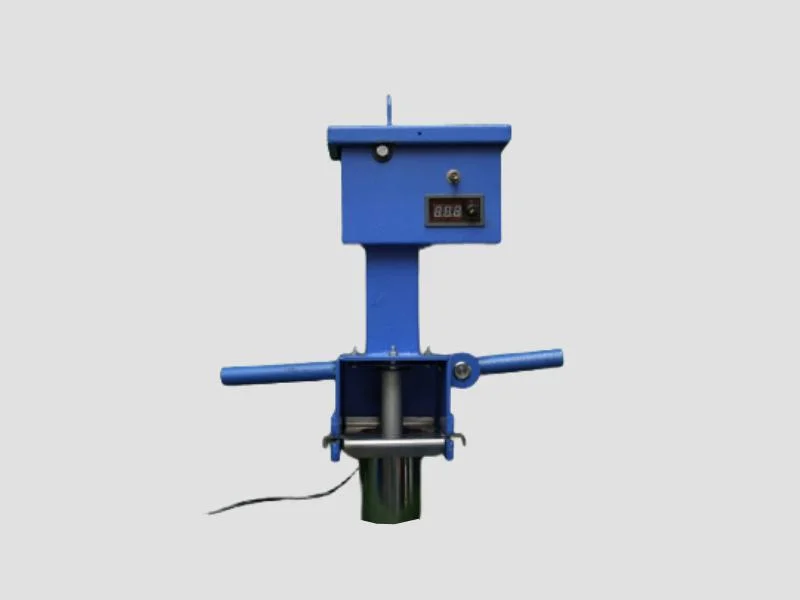
Commercial Kitchen Automatic 3 In 1 Idiyappam Murukku Vadagam Machine
Why Businesses Trust Pepagora
Thousands of companies trust Pepagora to source smarter and sell faster
Expand Your Sales Globally
25000+Products listed.Get discovered by global buyers
Tools to boost visibility
Build your own catalog

Source Smarter,Grow Faster
4000+Active RFQs
100+ Countries served
Easy Sourcing Tools
