
 IN
INundefined
Export-Grade Greenhouse Equipment
6 products available
𝗪𝗵𝗮𝘁 𝗮𝗿𝗲 𝗘𝘅𝗽𝗼𝗿𝘁-𝗚𝗿𝗮𝗱𝗲 𝗚𝗿𝗲𝗲𝗻𝗵𝗼𝘂𝘀𝗲 𝗘𝗾𝘂𝗶𝗽𝗺𝗲𝗻𝘁?
Export-grade greenhouse equipment refers to high-quality systems designed for commercial horticulture and agriculture. These products are crafted to meet international standards, ensuring that they can withstand various environmental conditions while promoting optimal plant growth. This equipment includes structures, climate control systems, irrigation systems, and monitoring technologies that enhance the efficiency and productivity of greenhouse operations.
The primary uses of export-grade greenhouse equipment include the cultivation of fruits, vegetables, flowers, and ornamental plants. Businesses leverage this equipment to create controlled environments that facilitate year-round production, regardless of external weather conditions. This capability is particularly important in regions with extreme climates or short growing seasons, allowing producers to meet market demands consistently.
In the current market context, the demand for export-grade greenhouse equipment is growing due to the increasing focus on sustainable agriculture and food security. As the global population rises, the need for efficient agricultural practices becomes more critical. Therefore, businesses in this sector are investing in advanced greenhouse technologies to improve yields, reduce resource consumption, and enhance product quality.
𝗞𝗲𝘆 𝗙𝗲𝗮𝘁𝘂𝗿𝗲𝘀 𝗮𝗻𝗱 𝗦𝗽𝗲𝗰𝗶𝗳𝗶𝗰𝗮𝘁𝗶𝗼𝗻𝘀
Export-grade greenhouse equipment is characterized by several key features that ensure durability, efficiency, and optimal growing conditions. Understanding these specifications is crucial for businesses looking to invest in this equipment.
Key specifications include:
1. Structural Integrity
- Designed to withstand extreme weather conditions
- Made from high-quality materials such as galvanized steel and UV-resistant plastics
2. Climate Control Systems
- Includes ventilation, heating, and cooling options
- Capable of maintaining specific temperature and humidity levels
3. Irrigation Systems
- Automated and customizable irrigation solutions
- Options for drip, spray, and hydroponic systems
4. Monitoring and Control Technologies
- Equipped with sensors for real-time environmental monitoring
- User-friendly interfaces for managing greenhouse conditions
5. Size and Customization
- Available in various sizes to accommodate different operations
- Options for custom configurations based on specific crop needs
6. Energy Efficiency
- Designed to minimize energy consumption
- Options for renewable energy integration, such as solar panels
7. Easy Maintenance
- Modular designs for straightforward repairs and upgrades
- Accessible components for routine maintenance
8. Compliance with International Standards
- Meets quality and safety standards such as CE certification
- Adheres to best practices in agricultural equipment manufacturing
These features collectively enhance the functionality of export-grade greenhouse equipment, making it a valuable asset for agricultural businesses.
𝗖𝗼𝗺𝗺𝗼𝗻 𝗔𝗽𝗽𝗹𝗶𝗰𝗮𝘁𝗶𝗼𝗻𝘀 𝗮𝗻𝗱 𝗨𝘀𝗲 𝗖𝗮𝘀𝗲𝘀
Export-grade greenhouse equipment serves various industries beyond traditional agriculture, enhancing productivity and sustainability.
1. Commercial Horticulture: Greenhouses are utilized for growing flowers and ornamental plants, allowing for year-round production and increased market reach.
2. Vegetable Cultivation: Producers use this equipment to grow high-value vegetables in controlled environments, maximizing yield and quality while minimizing pesticide use.
3. Fruit Production: Greenhouses facilitate the cultivation of fruits in regions where external conditions are not favorable, improving harvest consistency and quality.
4. Research Institutions: Greenhouses are employed in agricultural research to study plant behaviors and develop new cultivation techniques under controlled conditions.
5. Urban Agriculture: With the rise of urban farming, these systems enable city dwellers to grow fresh produce in limited spaces, contributing to food security and sustainability.
6. Educational Institutions: Schools and universities utilize greenhouses for educational purposes, teaching students about plant biology and agricultural practices.
7. Medicinal Plant Cultivation: Specialized greenhouses are used for the controlled growth of medicinal plants, ensuring quality and compliance with industry regulations.
𝗣𝗿𝗼𝗱𝘂𝗰𝘁 𝗩𝗮𝗿𝗶𝗮𝗻𝘁𝘀 𝗮𝗻𝗱 𝗦𝘂𝗯𝗰𝗮𝘁𝗲𝗴𝗼𝗿𝗶𝗲𝘀
Export-grade greenhouse equipment is diverse, catering to various agricultural needs and preferences.
Freestanding Greenhouses
These structures are standalone units that provide ample space for growing a variety of crops. They are ideal for large-scale operations and can be customized with additional features like advanced climate control systems.
Gothic Arch Greenhouses
This variant features a unique design that enhances structural integrity and light penetration. It is particularly suitable for regions with heavy snowfall due to its ability to shed snow effectively.
Multi-span Greenhouses
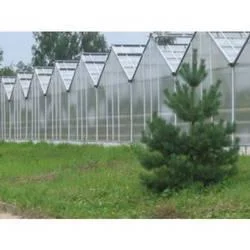
These are large structures formed by connecting several greenhouse spans. They offer extensive growing space and are often used for commercial vegetable and flower production.
Tunnel Greenhouses
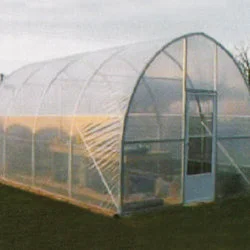
These are elongated, arch-shaped structures that are cost-effective and easy to set up. They are commonly used for seasonal crops and provide protection from pests and harsh weather.
𝗕𝗲𝗻𝗲𝗳𝗶𝘁𝘀 𝗮𝗻𝗱 𝗔𝗱𝘃𝗮𝗻𝘁𝗮𝗴𝗲𝘀
Investing in export-grade greenhouse equipment offers numerous advantages for agricultural businesses.
1. Enhanced Crop Yields: The controlled environment allows for optimal growing conditions, resulting in higher crop productivity and quality.
2. Year-Round Production: Greenhouses enable growers to produce crops throughout the year, irrespective of external climate conditions.
3. Resource Efficiency: These systems promote efficient use of water, energy, and nutrients, reducing overall operational costs.
4. Pest and Disease Management: Enclosed environments help minimize pest infestations and disease outbreaks, leading to healthier crops.
5. Improved Market Access: With the ability to grow high-quality produce consistently, businesses can expand their market reach and meet customer demands.
6. Sustainability: Export-grade greenhouses support sustainable farming practices by reducing reliance on chemical pesticides and fertilizers.
𝗕𝘂𝘆𝗶𝗻𝗴 𝗚𝘂𝗶𝗱𝗲 𝗳𝗼𝗿 𝗕𝟮𝗕 𝗕𝘂𝘆𝗲𝗿𝘀
When sourcing export-grade greenhouse equipment, several factors should be considered to ensure a successful purchase.
1. Quality Assessment: Evaluate the materials and construction quality to ensure durability and longevity. Look for equipment that meets international quality standards.
2. Supplier Verification: Vet potential suppliers by checking their credentials, industry reputation, and customer reviews. A reliable supplier should have a proven track record in the greenhouse equipment market.
3. Pricing and MOQ: Understand the pricing structure and minimum order quantities (MOQ). Compare quotes from multiple suppliers to find the best value without compromising on quality.
4. Delivery and Lead Times: Inquire about delivery schedules and lead times. Ensure that the supplier can meet your timeline to avoid delays in your operations.
5. Compliance Requirements: Verify that the equipment complies with necessary regulatory standards, such as CE certification, to ensure safety and reliability.
𝗖𝗼𝗺𝗽𝗹𝗶𝗮𝗻𝗰𝗲 𝗮𝗻𝗱 𝗖𝗲𝗿𝘁𝗶𝗳𝗶𝗰𝗮𝘁𝗶𝗼𝗻𝘀
Export-grade greenhouse equipment must adhere to various quality standards and certifications to ensure safety and effectiveness in agricultural operations.
ISO 9001 is a key standard that outlines quality management principles. Manufacturers that comply with this standard demonstrate a commitment to quality and continuous improvement in their processes.
HACCP (Hazard Analysis Critical Control Point) is crucial for food safety, particularly for equipment used in food crop production. Compliance with HACCP helps ensure that products are safe for consumption.
CE certification indicates that the equipment meets European safety, health, and environmental protection standards. This certification is essential for products sold in Europe and signifies safety and reliability.
Additionally, manufacturers must meet safety and testing requirements relevant to their specific regions. This includes adhering to local regulations regarding greenhouse construction and operation.
Overall, understanding these compliance requirements is critical for businesses to ensure that their investment in greenhouse equipment is both safe and effective.
𝗪𝗵𝘆 𝗦𝗼𝘂𝗿𝗰𝗲 𝗘𝘅𝗽𝗼𝗿𝘁-𝗚𝗿𝗮𝗱𝗲 𝗚𝗿𝗲𝗲𝗻𝗵𝗼𝘂𝘀𝗲 𝗘𝗾𝘂𝗶𝗽𝗺𝗲𝗻𝘁 𝗳𝗿𝗼𝗺 𝗣𝗲𝗽𝗮𝗴𝗼𝗿𝗮?
Pepagora provides a trusted platform for sourcing export-grade greenhouse equipment, offering several key advantages to buyers.
Verified Supplier Network: Pepagora works with a network of verified suppliers, ensuring that buyers can trust the quality of the products they purchase. This verification process includes checking supplier credentials and customer feedback.
Streamlined RFQ Process: The request for quotation (RFQ) process on Pepagora is designed to be efficient and user-friendly. Buyers can easily submit their requirements and receive competitive quotes from multiple suppliers, simplifying the sourcing process.
Trade Assurance and Support: Pepagora offers trade assurance, providing buyers with protection against potential issues during the transaction process. This support helps to build confidence in purchasing decisions.
Regional Coverage: With a focus on markets in India, the GCC, and Southeast Asia, Pepagora facilitates access to a wide range of export-grade greenhouse equipment suited to various regional needs and preferences. This geographic reach ensures that buyers can find the right solutions for their specific agricultural challenges.
Newly Added


Recently Added
Prashant Polykraft Pvt Ltd
Commercial Snooker Tables Premium Wood Multiple Sizes
Professional Tennis Court Surfacing Latex ite USA Tournament Grade
Premium Wooden Flooring Structural Integrity Aesthetic Appeal
Blue Stallion Equipments Private Limited
Professional Turbo 16 Knapsack Sprayer For Agriculture And Sanitation
Fighter Knapsack Sprayer For Agriculture And Pest Control
Professional Knapsack Sprayer High Pressure Brass Piston Chemical Resistant
Arjun Energy Corporation
Tapioca Factory Biogas Holder Plant 4200 Cu. Mt. Capacity New OEM
Tapioca Water Based Biogas Plant 75 Feet Circular UV 7 Holder 165 KVA
Domestic Biogas Digester 1 Cubic Meter New Organic Manure
Why Businesses Trust Pepagora
Thousands of companies trust Pepagora to source smarter and sell faster
Expand Your Sales Globally
25000+Products listed.Get discovered by global buyers
Tools to boost visibility
Build your own catalog

Source Smarter,Grow Faster
4000+Active RFQs
100+ Countries served
Easy Sourcing Tools
