
 IN
INundefined
Export Grade Grain Suppliers
10 products available
𝗪𝗵𝗮𝘁 𝗮𝗿𝗲 𝗘𝘅𝗽𝗼𝗿𝘁 𝗚𝗿𝗮𝗱𝗲 𝗚𝗿𝗮𝗶𝗻 𝗦𝘂𝗽𝗽𝗹𝗶𝗲𝗿𝘀?
Export Grade Grain Suppliers are businesses that provide high-quality grains suitable for international trade. These suppliers focus on meeting stringent quality standards that ensure the grains are safe, nutritious, and suitable for consumption or processing. The grains supplied often include wheat, rice, maize, barley, and various pulses, which are crucial ingredients in food production and other industrial applications.
These suppliers play a vital role in the agricultural supply chain. They are essential for manufacturers, food processors, and distributors who rely on consistent and quality grain supplies. Export grade grains are typically used in food production, animal feed, and various industrial processes. The market for these grains is growing, driven by increasing global demand for food security and sustainable agricultural practices.
In the current market context, the role of export grade grain suppliers has become more significant due to changing consumer preferences and regulatory standards. Suppliers must navigate complex international trade regulations and quality certifications to remain competitive. This sector is crucial for ensuring that high-quality grains reach markets around the world.
𝗞𝗲𝘆 𝗙𝗲𝗮𝘁𝘂𝗿𝗲𝘀 𝗮𝗻𝗱 𝗦𝗽𝗲𝗰𝗶𝗳𝗶𝗰𝗮𝘁𝗶𝗼𝗻𝘀
Export Grade Grain Suppliers adhere to several key features and specifications to ensure the quality and reliability of their products. These specifications are critical for B2B buyers looking for consistent and safe grain supplies.
Key specifications include:
1. Quality Assurance
- Grains must meet national and international quality standards.
- Typically assessed through testing for moisture content, purity, and foreign matter.
2. Compliance Certifications
- Suppliers often hold relevant certifications such as CE and ISO.
- These certifications indicate adherence to safety and quality management standards.
3. Grading Standards
- Grains are graded based on size, color, and quality.
- Common grades include Grade A, Grade B, and so forth, depending on the type of grain.
4. Storage Conditions
- Proper storage is vital to maintain grain quality.
- Controlled temperature and humidity levels are essential to prevent spoilage.
5. Packaging Options
- Grains are available in various packaging sizes, from bulk shipments to smaller retail packs.
- Packaging must protect the grains during transport.
6. Traceability
- Suppliers should provide information about the origin of the grains and the production process.
- Traceability is important for food safety and quality assurance.
7. Supply Chain Transparency
- Clear visibility into the supply chain helps buyers ensure ethical sourcing practices.
- Suppliers should provide documentation regarding sourcing and transport.
8. Flexibility in Orders
- Suppliers often accommodate different order sizes to meet buyers' needs.
- Minimum order quantities may vary, allowing for both bulk and smaller purchases.
These specifications ensure that buyers receive high-quality grains that meet their operational requirements.
𝗖𝗼𝗺𝗺𝗼𝗻 𝗔𝗽𝗽𝗹𝗶𝗰𝗮𝘁𝗶𝗼𝗻𝘀 𝗮𝗻𝗱 𝗨𝘀𝗲 𝗖𝗮𝘀𝗲𝘀
Export grade grains are utilized across various industries, reflecting their versatility and importance.
1. Food Industry: Grains serve as essential ingredients in baking, cooking, and food manufacturing. They are used in products such as bread, pasta, and breakfast cereals.
2. Animal Feed: Many grains are crucial components of animal feed, providing necessary nutrients for livestock, poultry, and aquaculture.
3. Beverage Production: Grains like barley and corn are fundamental in brewing beer and producing spirits, contributing to flavor and fermentation processes.
4. Biofuel Production: Certain grains are processed to produce biofuels, contributing to sustainable energy solutions.
5. Pharmaceuticals: Grains are sometimes used as excipients in pharmaceutical formulations, aiding in the delivery of active ingredients.
6. Textile Industry: Some grains are processed for starches used in textiles, enhancing fabric quality and finish.
7. Health Supplements: Grains are often included in health food products as sources of fiber and nutrients.
This broad application spectrum highlights the significance of sourcing high-quality grains from reliable suppliers.
𝗣𝗿𝗼𝗱𝘂𝗰𝘁 𝗩𝗮𝗿𝗶𝗮𝗻𝘁𝘀 𝗮𝗻𝗱 𝗦𝘂𝗯𝗰𝗮𝘁𝗲𝗴𝗼𝗿𝗶𝗲𝘀
The field of export grade grains offers a range of product variants, catering to diverse market needs.
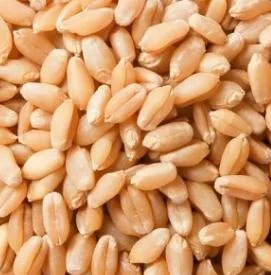
Wheat Varieties: Different types of wheat, such as hard red winter wheat and soft white wheat, are available. Each type has specific characteristics that make it suitable for different baking and cooking applications.
Rice Grades: Various grades of rice, including long-grain, medium-grain, and short-grain, are supplied to meet consumer preferences and culinary applications.
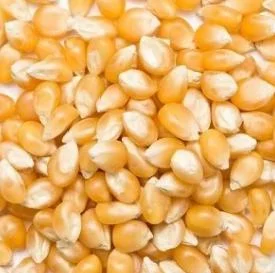
Corn Types: Suppliers offer different corn varieties, such as sweet corn for food and dent corn for animal feed and industrial uses.
Millet Products: Various types of millet are available, catering to health-conscious consumers seeking gluten-free options.
Sorghum: This versatile grain can be used in food products and animal feed, offering a nutritious alternative.
𝗕𝗲𝗻𝗲𝗳𝗶𝘁𝘀 𝗮𝗻𝗱 𝗔𝗱𝘃𝗮𝗻𝘁𝗮𝗴𝗲𝘀
Sourcing from export grade grain suppliers brings numerous advantages that can enhance business operations.
1. High Quality: Export grade grains meet rigorous quality standards, ensuring safety and consistency.
2. Global Reach: Suppliers often have access to international markets, allowing buyers to source grains from diverse regions.
3. Reliability: Established suppliers provide consistent supply and reliability, reducing risks associated with stock shortages.
4. Compliance Assurance: Working with certified suppliers ensures adherence to regulatory requirements and quality standards.
5. Cost Efficiency: Bulk purchasing from reliable suppliers can lead to cost savings over time.
6. Support Services: Many suppliers offer customer service and support, helping buyers navigate their sourcing needs.
These benefits make working with export grade grain suppliers a strategic choice for B2B buyers.
𝗕𝘂𝘆𝗶𝗻𝗴 𝗚𝘂𝗶𝗱𝗲 𝗳𝗼𝗿 𝗕𝟮𝗕 𝗕𝘂𝘆𝗲𝗿𝘀
When sourcing Export Grade Grain Suppliers, various considerations can help ensure a successful purchasing experience.
1. Quality Assessment: Evaluate the quality of grains through sampling and testing. Look for suppliers that provide detailed quality reports and certifications.
2. Supplier Verification: Conduct thorough background checks on potential suppliers. Verify their certifications, reputation, and history in the market.
3. Pricing and MOQ: Understand the pricing structure and minimum order quantities. Compare quotes from multiple suppliers to find competitive pricing.
4. Delivery and Lead Times: Discuss and agree on delivery schedules to ensure timely receipt of orders. Consider suppliers' logistics capabilities.
5. Compliance Requirements: Ensure that the supplier meets all relevant regulatory and compliance standards for the intended market. This includes import/export regulations.
𝗖𝗼𝗺𝗽𝗹𝗶𝗮𝗻𝗰𝗲 𝗮𝗻𝗱 𝗖𝗲𝗿𝘁𝗶𝗳𝗶𝗰𝗮𝘁𝗶𝗼𝗻𝘀
Export grade grain suppliers must adhere to various compliance and certification standards to ensure product quality and safety.
Relevant quality standards include ISO 9001, which sets out criteria for quality management systems. Adherence to HACCP (Hazard Analysis and Critical Control Points) ensures that suppliers implement effective food safety management practices.
Industry certifications such as CE signify that products meet European safety standards. These certifications provide assurance to buyers about the quality and safety of grains.
Suppliers may also need to comply with safety and testing requirements that vary by region. This can include testing for contaminants and ensuring that products meet specific nutritional standards.
Regional compliance considerations are crucial, as different countries have varying regulations regarding food imports. Suppliers must stay informed about these regulations to facilitate smooth international trade.
𝗪𝗵𝘆 𝗦𝗼𝘂𝗿𝗰𝗲 𝗘𝘅𝗽𝗼𝗿𝘁 𝗚𝗿𝗮𝗱𝗲 𝗚𝗿𝗮𝗶𝗻 𝗦𝘂𝗽𝗽𝗹𝗶𝗲𝗿𝘀 𝗳𝗿𝗼𝗺 𝗣𝗲𝗽𝗮𝗴𝗼𝗿𝗮?
Pepagora provides a trusted platform for sourcing export grade grain suppliers, offering several key advantages that set it apart in the marketplace.
Verified Supplier Network: Pepagora ensures that all listed suppliers go through a rigorous verification process. This builds trust and guarantees that buyers are connected with reputable suppliers.
Streamlined RFQ Process: The platform features an easy-to-use request for quotation system. Buyers can quickly submit their needs and receive competitive quotes from multiple suppliers.
Trade Assurance and Support: Pepagora offers buyer protection through trade assurance services. This helps mitigate risks associated with transactions and provides support throughout the purchasing process.
Regional Coverage: With a strong presence in India, the GCC, and Southeast Asia, Pepagora connects buyers with suppliers across these regions, ensuring access to a diverse range of quality grains.
By choosing Pepagora, buyers gain confidence in their sourcing decisions, benefiting from a reliable platform that prioritizes quality and transparency.
Newly Added



Recently Added
Indopol Food Processing Machinery Pvt Ltd
Technical Consulting Services For Operational Efficiency And Growth
Precision Laser Cutting Services For Metal Fabrication With Negotiable Pricing
Industrial Precision CNC Turning Machining Services High Quality
Yamuna Trading Company
Premium Yellow Gram Chana For Importers And Distributors
Bulk Groundnut Kernels Raw Fresh 100% Pure No Pesticides
Organic Sesame Seeds For Food Industry Natural Hygienical
Ankit India Limited
Organic Chickpeas Fresh Food Grade Long Shelf Life
Premium Semolina Flour High Nutrition Bulk Suji
Bulk Premium Cereals Wheat Rice Maize Oats Fresh Supply
Ashra Enterprises
Premium Indian Exporter High Quality Millet Grains Cattle Feed
Premium Indian Green Lentils Mung Dal Bulk Supply
Premium Indian Yellow Corn Maize For Food Feed Industrial
Bhagyashree Commodities
Brazil Origin Sugar ICUMSA 45 Premium Quality Industrial Sweetener
Premium HMS 1 & 2 Heavy Metal Scrap For Industrial Recycling
Premium Rail Scrap For Steel Mills And Engineering Industries
C. K. International
Premium Yellow White Maize Rich Fiber Prebiotic Resistant Starch
Premium Turmeric Powder High Curcumin Rich Color Warm Flavor
Natural Sesame Seeds For Food Industry Dried Hygienical Processed
AASHRAY INCORPORATION
Premium Stemless Dried Red Chillies For Food Manufacturing
Premium Indian Red Chillies For Food Manufacturing And Spice Blending
Fine Grade Desiccated Coconut Flakes Under 1.7mm
Kelvin Patel
Export Quality Spices for Culinary and Industrial Applications
Export Grade Premium Pulses For Food Processing And Wholesale
Premium Export Wheat Cereal For Food Processing And Baking
Why Businesses Trust Pepagora
Thousands of companies trust Pepagora to source smarter and sell faster
Expand Your Sales Globally
25000+Products listed.Get discovered by global buyers
Tools to boost visibility
Build your own catalog

Source Smarter,Grow Faster
4000+Active RFQs
100+ Countries served
Easy Sourcing Tools
