
 IN
INundefined
Examination Tables
8 products available
𝗪𝗵𝗮𝘁 𝗮𝗿𝗲 𝗘𝘅𝗮𝗺𝗶𝗻𝗮𝘁𝗶𝗼𝗻 𝗧𝗮𝗯𝗹𝗲𝘀?
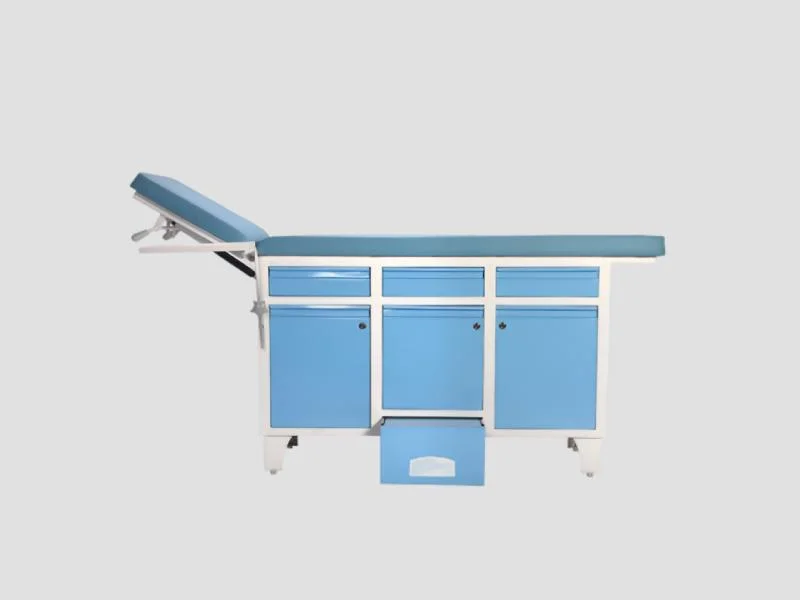
Examination tables are specialized pieces of medical furniture designed for patient evaluation and treatment in healthcare settings. These tables provide a sturdy and comfortable surface for patients during examinations, diagnostics, and treatments. They come in various designs, with features tailored to enhance patient comfort and facilitate healthcare provider access.
These tables are primarily used in hospitals, clinics, and private practices across various medical specialties. They serve as essential equipment in routine check-ups, physical examinations, and minor surgical procedures. The versatility of examination tables makes them a crucial component of healthcare environments, as they can accommodate different medical needs and practices.
In terms of industry relevance, the demand for examination tables is closely tied to the growth of healthcare facilities and advancements in medical technology. As healthcare providers strive to improve patient care and streamline processes, examination tables evolve to incorporate new features and designs that support a wide range of medical applications.
𝗞𝗲𝘆 𝗙𝗲𝗮𝘁𝘂𝗿𝗲𝘀 𝗮𝗻𝗱 𝗦𝗽𝗲𝗰𝗶𝗳𝗶𝗰𝗮𝘁𝗶𝗼𝗻𝘀
Examination tables are known for their diverse features and specifications that cater to the needs of healthcare professionals and patients. When selecting an examination table, it is essential to consider the specific features that will best serve your practice.
Key specifications include:
1. Weight Capacity
- Typically ranges from 300 to 600 pounds depending on the model.
- Important for accommodating a wide range of patients.
2. Height Adjustment
- Manual or electric height adjustment options.
- Allows for customization to suit the comfort of both patient and practitioner.
3. Upholstery Material
- Durable and easy-to-clean materials such as vinyl or leatherette.
- Enhances hygiene and patient comfort.
4. Examination Surface Size
- Standard sizes generally range from 72 to 76 inches in length and 25 to 30 inches in width.
- Sufficient space for examinations and treatments.
5. Accessibility Features
- Options like adjustable backrests and side rails for patient safety.
- Enhances usability for patients with mobility difficulties.
6. Storage Options
- Built-in drawers or shelves for storing medical supplies.
- Aids in maintaining an organized workspace.
7. Mobility
- Some tables include wheels for easy transport.
- Facilitates quick repositioning within a facility.
8. Stability and Durability
- Constructed from high-quality materials to ensure long-term use.
- Stability is crucial for patient safety during examinations.
In summary, understanding the key features and specifications of examination tables helps healthcare facilities select models that best meet their operational requirements.
𝗖𝗼𝗺𝗺𝗼𝗻 𝗔𝗽𝗽𝗹𝗶𝗰𝗮𝘁𝗶𝗼𝗻𝘀 𝗮𝗻𝗱 𝗨𝘀𝗲 𝗖𝗮𝘀𝗲𝘀
Examination tables find utility across various healthcare sectors, catering to specific applications that enhance patient care.
1. General Practice: In family medicine offices, examination tables provide a reliable surface for routine check-ups and consultations, ensuring patient comfort during examinations.
2. Pediatrics: Pediatric clinics utilize examination tables designed with smaller dimensions and features that ensure safety and comfort for children during visits.
3. Physical Therapy: Rehabilitation centers employ specialized examination tables that facilitate patient assessment and treatment, often with added features like adjustable height for ease of access.
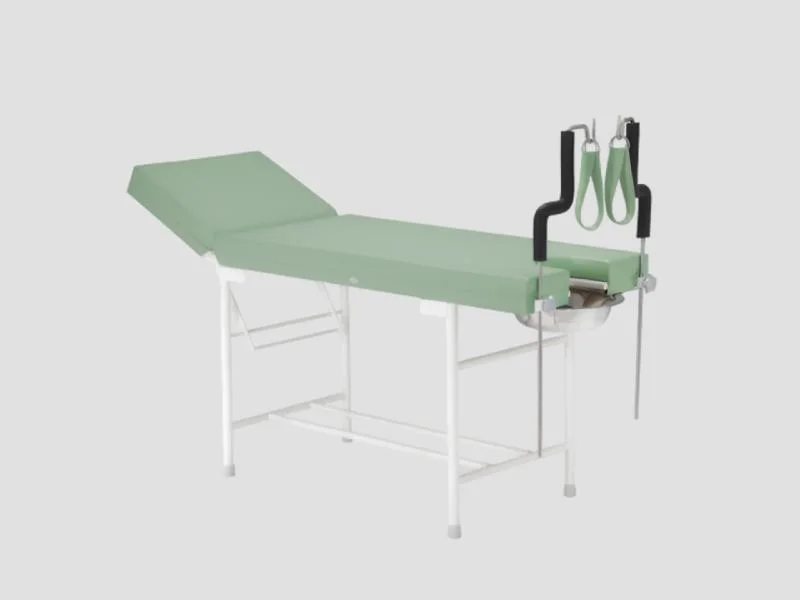
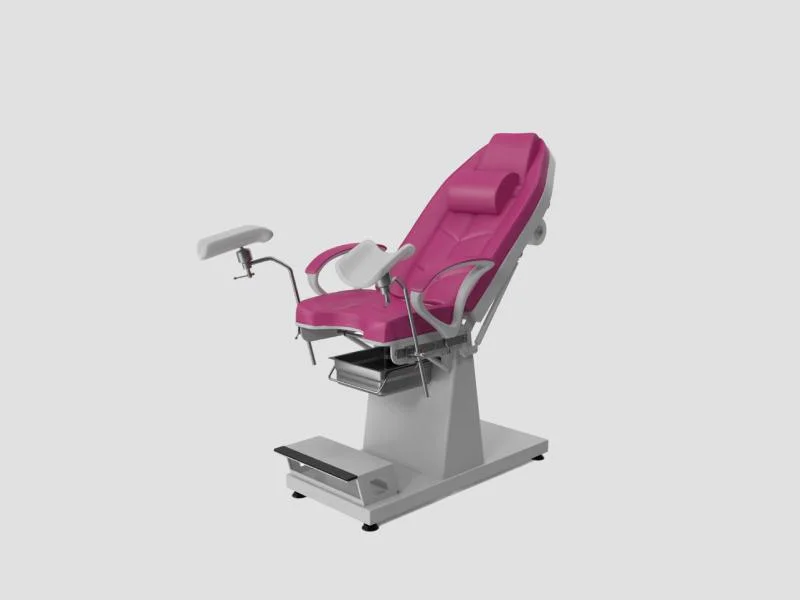
4. Gynecology: Gynecological practices use examination tables equipped with stirrups and adjustable backrests to accommodate specific procedures and enhance patient comfort.
5. Orthopedics: Orthopedic clinics utilize tables that allow for easier access to patient limbs for examination and treatment, often featuring additional support structures.
6. Urgent Care: Urgent care facilities require versatile examination tables that can handle a wide range of medical situations, ensuring patient safety and comfort.
7. Dermatology: Dermatology practices benefit from examination tables with easy-to-clean surfaces, as they frequently deal with skin examinations and treatments.
𝗣𝗿𝗼𝗱𝘂𝗰𝘁 𝗩𝗮𝗿𝗶𝗮𝗻𝘁𝘀 𝗮𝗻𝗱 𝗦𝘂𝗯𝗰𝗮𝘁𝗲𝗴𝗼𝗿𝗶𝗲𝘀
Examination tables come in various models and configurations to suit different healthcare needs.
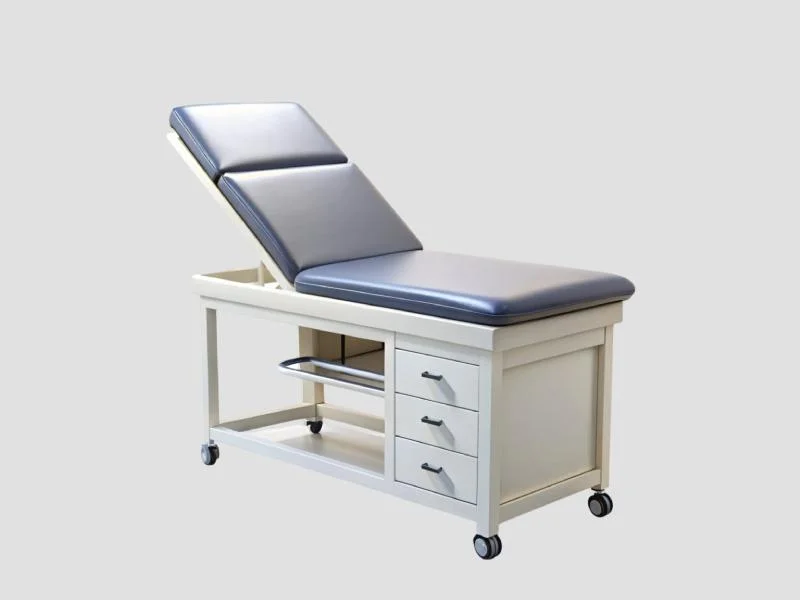
Standard Examination Table
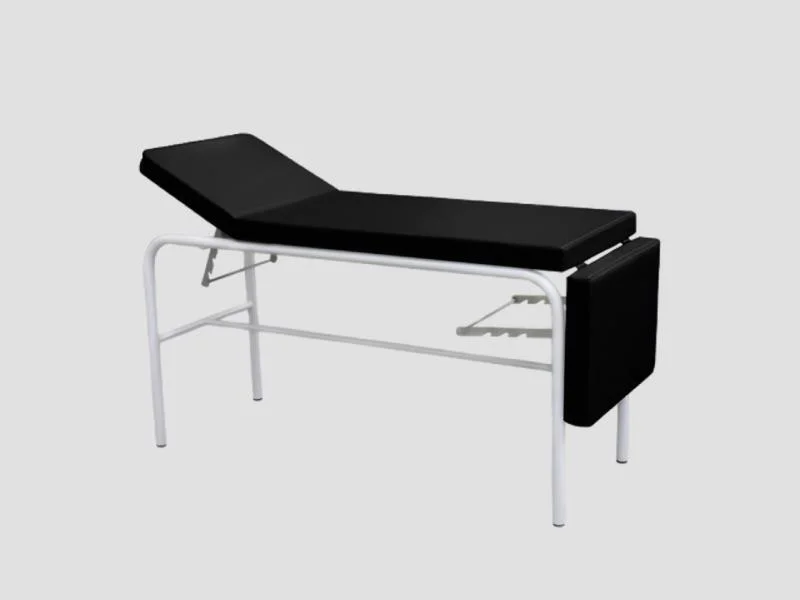
This model typically features a flat surface with adjustable height and backrest. It is versatile and widely used in general practice settings for routine examinations.
Pediatric Examination Table
Designed specifically for children, this variant includes smaller dimensions and safety features such as lower height and soft padding to ensure comfort during pediatric visits.
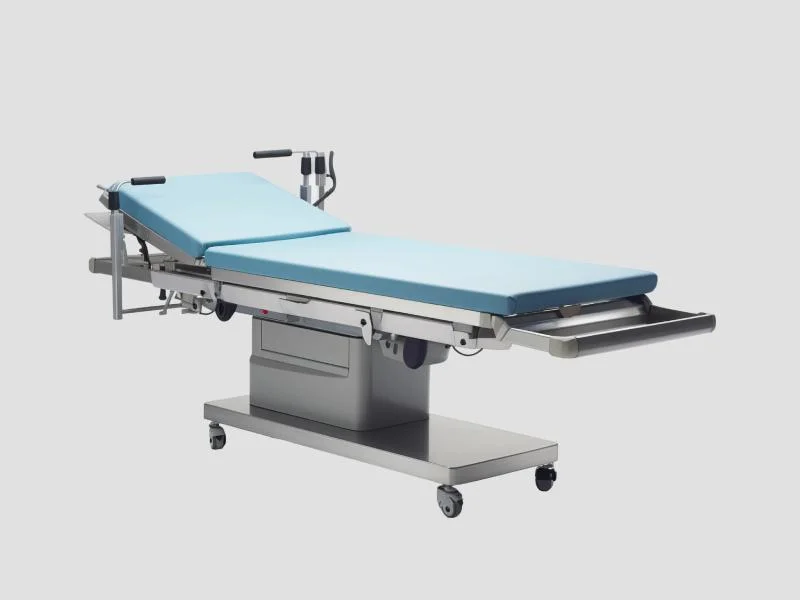
Electric Examination Table
Equipped with electric height adjustment, this variant allows for seamless transitions between different heights, enhancing the efficiency of examinations and treatments.
Foldable Examination Table
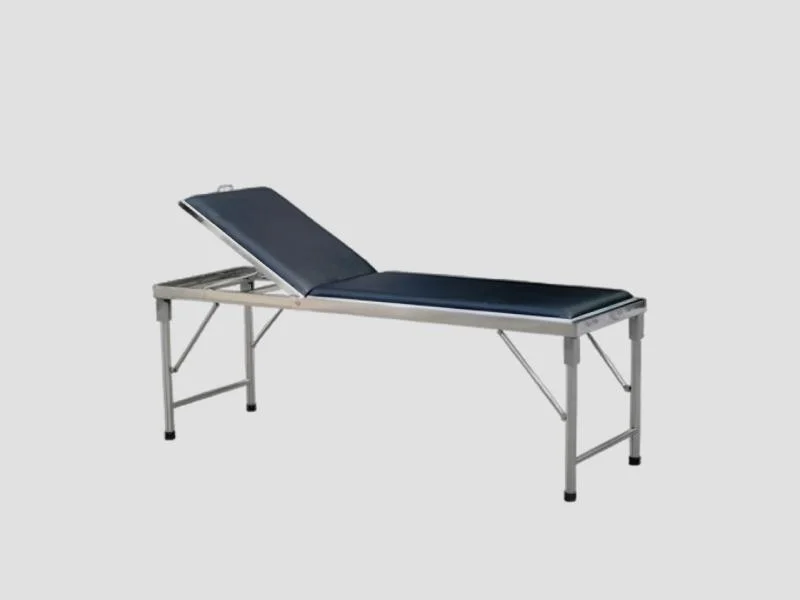
Ideal for temporary or mobile healthcare settings, this table can be easily folded and stored when not in use, providing flexibility for various applications.
𝗕𝗲𝗻𝗲𝗳𝗶𝘁𝘀 𝗮𝗻𝗱 𝗔𝗱𝘃𝗮𝗻𝘁𝗮𝗴𝗲𝘀
Investing in examination tables offers numerous advantages for healthcare facilities.
1. Enhanced Patient Comfort: Designed for comfort, examination tables improve the patient experience during medical visits, reducing anxiety.
2. Improved Accessibility: Features such as height adjustment and stability cater to patients with mobility challenges, ensuring they receive care without difficulty.
3. Increased Efficiency: Customizable features allow healthcare providers to work more effectively, streamlining the examination process and minimizing time spent on adjustments.
4. Hygiene and Safety: Easy-to-clean surfaces and durable materials contribute to a hygienic environment, essential for patient safety and infection control.
5. Versatility: The diverse range of models accommodates various medical specialties, making it a worthwhile investment for multi-disciplinary practices.
6. Organizational Benefits: Tables with built-in storage options help maintain an orderly workspace, ensuring that medical supplies are easily accessible during examinations.
𝗕𝘂𝘆𝗶𝗻𝗴 𝗚𝘂𝗶𝗱𝗲 𝗳𝗼𝗿 𝗕𝟮𝗕 𝗕𝘂𝘆𝗲𝗿𝘀
When sourcing examination tables for a healthcare facility, several factors must be considered to ensure the right choice.
1. Quality Assessment: Evaluate the materials and construction of examination tables to ensure they meet durability and safety standards. Look for tables that have been tested for stability and load capacity.
2. Supplier Verification: Research potential suppliers to verify their credibility and reputation in the market. Check for customer reviews and seek recommendations from industry peers.
3. Pricing and MOQ: Understand the pricing structure and minimum order quantities required by suppliers. Compare quotes to find a balance between quality and cost-effectiveness.
4. Delivery and Lead Times: Inquire about delivery schedules and lead times to ensure that the tables arrive when needed. Timely delivery is critical for healthcare facilities.
5. Compliance Requirements: Ensure that the examination tables comply with relevant health and safety regulations. Familiarize yourself with any industry certifications required in your region.
𝗖𝗼𝗺𝗽𝗹𝗶𝗮𝗻𝗰𝗲 𝗮𝗻𝗱 𝗖𝗲𝗿𝘁𝗶𝗳𝗶𝗰𝗮𝘁𝗶𝗼𝗻𝘀
Examination tables must adhere to various quality standards and compliance requirements to ensure safety and effectiveness in healthcare environments.
Relevant quality standards include ISO 9001, which ensures quality management processes are in place. This standard helps maintain consistent product quality and reliability.
Industry certifications such as CE mark signify that the products meet European safety and health regulations, ensuring that examination tables are safe for use in medical environments.
Safety and testing requirements are critical, with regular inspections ensuring that tables meet required specifications for weight capacity, stability, and material safety.
Regional compliance considerations may vary, so it is essential to understand local regulations and standards applicable to healthcare furniture.
𝗪𝗵𝘆 𝗦𝗼𝘂𝗿𝗰𝗲 𝗘𝘅𝗮𝗺𝗶𝗻𝗮𝘁𝗶𝗼𝗻 𝗧𝗮𝗯𝗹𝗲𝘀 𝗳𝗿𝗼𝗺 𝗣𝗲𝗽𝗮𝗴𝗼𝗿𝗮?
Pepagora offers a trusted platform for sourcing examination tables, providing several key advantages to buyers.
Verified Supplier Network: Pepagora ensures that all suppliers are thoroughly vetted, providing buyers with confidence in the quality of products and services offered.
Streamlined RFQ Process: The request for quotation process is efficient and user-friendly, allowing buyers to receive competitive quotes from multiple suppliers quickly.
Trade Assurance and Support: Buyers benefit from trade assurance that protects their transactions, ensuring peace of mind throughout the purchasing process.
Regional Coverage: With a strong presence in India, the GCC, and Southeast Asia, Pepagora facilitates access to a wide range of suppliers, making it easy for healthcare facilities to find the right examination tables to meet their needs.
Newly Added


Recently Added
Plantech Medical Systems Pvt Ltd
Ophthalmic Refraction Unit CS 04 M Motorized Lens Tray Eye Exam
Ophthalmic Refraction Unit For Precise Eye Exams And Diagnostics
Ophthalmic Refraction Unit for Accurate Eye Exams and Vision Testing
B. E. P. Edu World
Child CPR Training Manikin with Light Indicators for Medical Education
Nurse Basic Practice Teaching Model BEP 405 5 Part Anatomical Training Tool
CPR Training Manikin with Electronic Monitoring Meets AHA Standards
Universe Surgical
Hospital Bed Unipro Home Easy Multifunctional Motorized with Commode
UNIPRO 2 Hospital Bed with Fall Detection and Weight Monitoring
Electric Hospital Bed with Adjustable Positioning and Safety Features
Why Businesses Trust Pepagora
Thousands of companies trust Pepagora to source smarter and sell faster
Expand Your Sales Globally
25000+Products listed.Get discovered by global buyers
Tools to boost visibility
Build your own catalog

Source Smarter,Grow Faster
4000+Active RFQs
100+ Countries served
Easy Sourcing Tools
