
 IN
INundefined
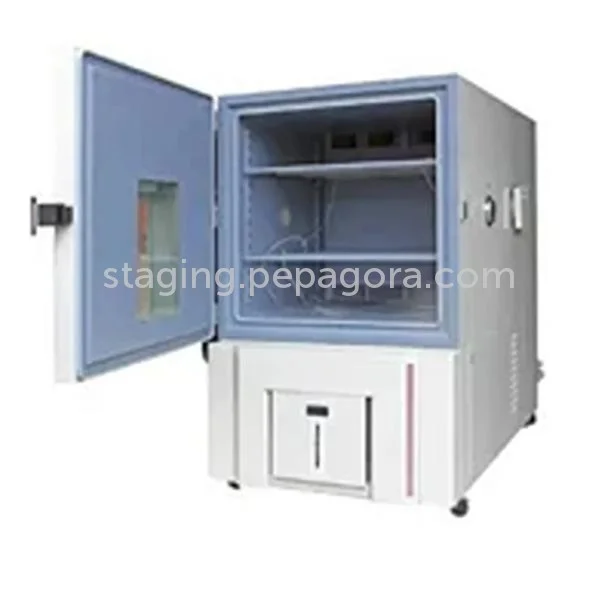
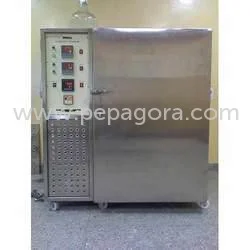
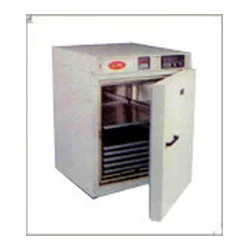
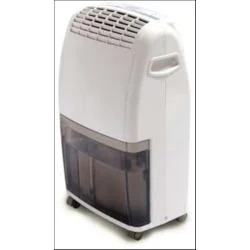
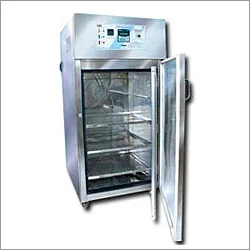
Environmental Control Enclosures
19 products available
𝗪𝗵𝗮𝘁 𝗮𝗿𝗲 𝗘𝗻𝘃𝗶𝗿𝗼𝗻𝗺𝗲𝗻𝘁𝗮𝗹 𝗖𝗼𝗻𝘁𝗿𝗼𝗹 𝗘𝗻𝗰𝗹𝗼𝘀𝘂𝗿𝗲𝘀?
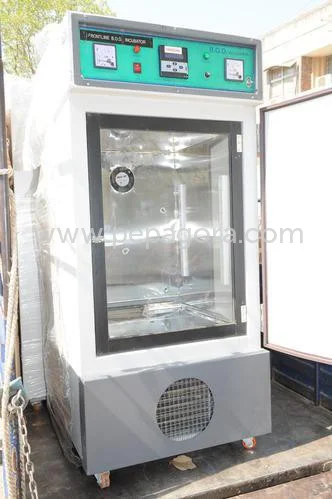
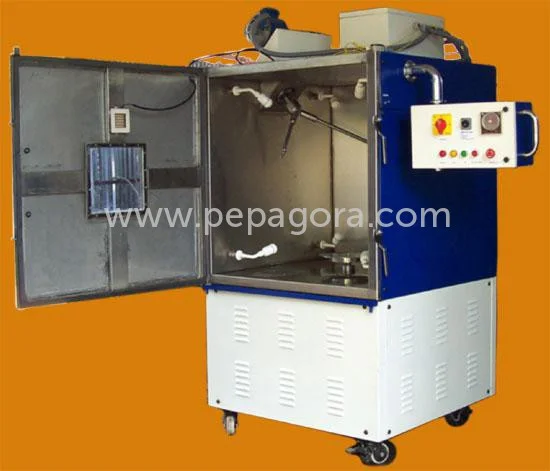
Environmental control enclosures are specialized structures designed to protect sensitive electronic equipment and instruments from environmental factors such as temperature fluctuations, humidity, and dust. These enclosures create a stable environment that ensures the optimal functioning of the equipment housed within. They are commonly constructed from materials that provide insulation and sealing properties to maintain the desired internal conditions.
These enclosures are used across various industries, including telecommunications, pharmaceuticals, and manufacturing, where maintaining a controlled environment is critical. Businesses deploy environmental control enclosures to safeguard their investments in technology and ensure compliance with regulatory requirements. As such, they play a significant role in enhancing operational efficiency and prolonging the lifespan of sensitive equipment in industrial settings.
The market for environmental control enclosures is growing, driven by increased demand for reliable electronic equipment across diverse sectors. With advancements in technology and rising awareness of the importance of equipment protection, these enclosures are becoming a standard requirement for businesses aiming to maintain high-quality operational standards.
𝗞𝗲𝘆 𝗙𝗲𝗮𝘁𝘂𝗿𝗲𝘀 𝗮𝗻𝗱 𝗦𝗽𝗲𝗰𝗶𝗳𝗶𝗰𝗮𝘁𝗶𝗼𝗻𝘀
Environmental control enclosures come with a range of features and specifications that cater to various applications. When selecting an enclosure, it is essential to understand these aspects to ensure it meets the specific needs of your operation.
Key specifications include:
1. Material Composition
- Typically made from steel or aluminum for durability
- Corrosion-resistant coatings available
2. Temperature Range
- Designed to maintain internal temperatures within specified limits
- Suitable for various environments, though specific ranges are data not available
3. Humidity Control
- Equipped with systems to regulate moisture levels
- Essential for preventing damage to sensitive equipment, though specific parameters are data not available
4. Size and Dimensions
- Available in various sizes to accommodate different equipment
- Custom sizes may be available upon request
5. Ventilation Options
- Options for passive or active ventilation systems
- Ensures adequate airflow and temperature regulation
6. Monitoring Features
- Some models include climate monitoring systems
- Alerts for temperature and humidity deviations, though specifics are data not available
7. Sealing and Insulation
- Designed to minimize air and moisture ingress
- High-quality seals enhance performance
8. Compliance Certifications
- Many enclosures meet industry standards such as CE certification
- Important for regulatory compliance in various sectors
In summary, environmental control enclosures are versatile products that offer critical protection for sensitive equipment, with specifications tailored to meet diverse operational needs.
𝗖𝗼𝗺𝗺𝗼𝗻 𝗔𝗽𝗽𝗹𝗶𝗰𝗮𝘁𝗶𝗼𝗻𝘀 𝗮𝗻𝗱 𝗨𝘀𝗲 𝗖𝗮𝘀𝗲𝘀
Environmental control enclosures find applications in a wide array of industries, ensuring equipment protection and compliance with regulatory standards.
1. Telecommunications: These enclosures house critical communication equipment, protecting it from environmental factors that could disrupt service.
2. Pharmaceuticals: In this sector, enclosures are used to store sensitive instruments and maintain controlled environments for drug manufacturing and testing.
3. Manufacturing: Equipment used in production processes often requires protection from dust and humidity, making environmental control enclosures essential.
4. Data Centers: Enclosures play a vital role in protecting servers and networking equipment from temperature extremes and humidity fluctuations.
5. Food Processing: Enclosures are crucial for maintaining the integrity of monitoring equipment in environments where hygiene and temperature control are paramount.
6. Research Laboratories: Sensitive research instruments require stable conditions to function accurately, making enclosures necessary for optimal performance.
7. Renewable Energy: In solar and wind energy applications, enclosures protect control systems and batteries from outdoor elements.
𝗣𝗿𝗼𝗱𝘂𝗰𝘁 𝗩𝗮𝗿𝗶𝗮𝗻𝘁𝘀 𝗮𝗻𝗱 𝗦𝘂𝗯𝗰𝗮𝘁𝗲𝗴𝗼𝗿𝗶𝗲𝘀
Environmental control enclosures come in various forms to meet differing operational needs. While specific subcategories are not available, here are some common variants.
Standard Enclosures: These are general-purpose enclosures designed for typical applications, featuring basic humidity and temperature control.
Custom Enclosures: Tailored to specific requirements, these enclosures can be designed to fit unique equipment or environmental conditions, ensuring optimal protection.
Mobile Enclosures: Designed for use in transport or temporary setups, these enclosures are lightweight and portable, offering protection on the go.
Rack-Mount Enclosures: These are specifically designed for mounting sensitive equipment in server racks, providing both environmental protection and ease of access.
𝗕𝗲𝗻𝗲𝗳𝗶𝘁𝘀 𝗮𝗻𝗱 𝗔𝗱𝘃𝗮𝗻𝘁𝗮𝗴𝗲𝘀
Environmental control enclosures offer several key advantages that enhance their value for businesses.
1. Equipment Protection: These enclosures safeguard sensitive equipment from damage caused by environmental factors such as temperature and humidity fluctuations.
2. Enhanced Performance: By maintaining optimal conditions, these enclosures help ensure that equipment operates at peak efficiency, reducing downtime.
3. Regulatory Compliance: Many industries require the use of environmental control solutions to meet safety and quality standards, making these enclosures essential.
4. Cost Savings: Protecting equipment from environmental damage can lead to significant savings in repair and replacement costs over time.
5. Customization Options: With a variety of sizes and features available, businesses can find or design enclosures that precisely meet their needs.
6. Easy Installation: Many enclosures are designed for straightforward installation, allowing businesses to quickly implement protective measures for their equipment.
𝗕𝘂𝘆𝗶𝗻𝗴 𝗚𝘂𝗶𝗱𝗲 𝗳𝗼𝗿 𝗕𝟮𝗕 𝗕𝘂𝘆𝗲𝗿𝘀
When sourcing environmental control enclosures, several factors should be considered to ensure an effective purchase.
1. Quality Assessment: Evaluate the materials and construction quality of the enclosures. High-quality materials enhance durability and effectiveness.
2. Supplier Verification: Vet potential suppliers to ensure they have a proven track record of delivering reliable products. Look for customer reviews and industry certifications.
3. Pricing and MOQ: Understand the pricing structure and minimum order quantities (MOQ) from suppliers. This helps in budgeting and planning your procurement effectively.
4. Delivery and Lead Times: Confirm delivery schedules and lead times to ensure that enclosures arrive when needed. Timely delivery is crucial for project planning.
5. Compliance Requirements: Ensure that the enclosures meet relevant industry standards and regulatory requirements to avoid compliance issues.
𝗖𝗼𝗺𝗽𝗹𝗶𝗮𝗻𝗰𝗲 𝗮𝗻𝗱 𝗖𝗲𝗿𝘁𝗶𝗳𝗶𝗰𝗮𝘁𝗶𝗼𝗻𝘀
Environmental control enclosures must adhere to various quality standards and certifications to ensure their reliability and safety. One of the key quality standards relevant to these enclosures is ISO 9001, which focuses on quality management systems. Compliance with this standard indicates that the manufacturing processes meet consistent quality benchmarks.
Additionally, the CE certification is a critical mark that signifies that the enclosures meet European safety, health, and environmental protection standards. This certification is essential for businesses operating in or exporting to regions that require compliance with strict regulations.
Safety and testing requirements are crucial for ensuring that the enclosures perform as expected under various conditions. Manufacturers often conduct rigorous testing to validate the effectiveness of the enclosures in controlling environmental factors. Furthermore, regional compliance considerations may vary, necessitating that businesses verify the specific standards applicable in their operational areas to ensure full compliance.
𝗪𝗵𝘆 𝗦𝗼𝘂𝗿𝗰𝗲 𝗘𝗻𝘃𝗶𝗿𝗼𝗻𝗺𝗲𝗻𝘁𝗮𝗹 𝗖𝗼𝗻𝘁𝗿𝗼𝗹 𝗘𝗻𝗰𝗹𝗼𝘀𝘂𝗿𝗲𝘀 𝗳𝗿𝗼𝗺 𝗣𝗲𝗽𝗮𝗴𝗼𝗿𝗮?
Pepagora offers a trusted platform for sourcing environmental control enclosures, providing several key advantages for buyers. One of the main benefits is the verified supplier network. Pepagora rigorously vets suppliers to ensure that only reliable manufacturers are featured on the platform, helping buyers make informed decisions.
The platform also features a streamlined RFQ process, allowing buyers to request quotations easily and compare offers from different suppliers. This efficiency helps businesses save time and focus on selecting the right products for their needs.
Additionally, Pepagora provides trade assurance and support, ensuring that buyers are protected throughout the purchasing process. This assurance reduces the risk associated with sourcing products in a B2B environment.
Lastly, Pepagora boasts regional coverage, reaching markets across India, the GCC, and Southeast Asia. This extensive geographic reach enables businesses to find suitable environmental control enclosures tailored to their specific regional requirements.
Newly Added





Recently Added
Frontline Electronics And Machinery Private Limited
Industrial Probe Sonicators For Cell Disruption And Nano Emulsion
Industrial Ultrasonic Cleaning Equipment Metal 300deg/cm Curie 150 Ohm
Industrial Vapour Degreasers Manual Metal Cleaning OEM Supply
Ace Cleanrooms
Premium Modular Operation Theatres for Hospitals and Surgical Centers
Commercial Industrial DC Humidification Systems With Timer Temperature Controls
Modular Panels For Pharmaceutical Cleanrooms And Operation Theatres
Pooja Scientific Instruments
Industrial High Temperature Muffle Furnace 1400C Digital Control
Digital Bomb Calorimeter for Coal Biofuels Chemicals Testing
Industrial Digital Colony Counter for Microbial Counting OEM Supply
Adam Engineers
Hydraulic Cotton Baling Press Semi Automatic 7.5 HP 150kg Bale
Automatic Cotton Baling Press 25 HP Motor 300 Kg Bale Capacity
Hydraulic H Type Baling Press 0 820mm 220 480V For Industrial Use
Beetta Instruments & Equipment Co.
Histology Labs Premium Rotary Microtome For Precise Tissue Sectioning
Premium Sledge Microtomes For Histology And Pathology Labs
High Precision Freezing Microtomes For Cryosectioning In Labs
Harsh Electronics
Industrial Hot Air Oven Forced Air Circulation Uniform Temperature
Industrial PID Hot Air Oven For Drying Sterilization Heat Treatment
MCB Test Apparatus 28 Days Digital Meter IS:8828 1996 6 63 Amp
Lab-Care Instruments & Services
Portable Autoclaves 35L To 213L For Medical Dental Veterinary
Lab Industrial Muffle Furnace High Temperature Precision Durable
Laboratory Constant Temperature Water Bath Digital Display Precise Control
Hitech Products
Lab Laminar Airflow Benches HEPA Filtered Sterile Workstations
Laboratory Biological Safety Cabinets Stainless Steel HEPA Filtration
Sterile Garment Cabinet With UV IR Disinfection For Cleanrooms
Hydro Pneo Vac Technologies
Industrial Vacuum Chambers Stainless Steel Aluminum Precision
Industrial Stainless Steel Vacuum Chambers For Corrosion Resistance
Industrial Vacuum Chambers Corrosion Resistant Precision Engineered
Balaji Enterprises Krishna & Co
Industrial Oil Fired Furnace For Metal Melting 500kg Durable
Industrial Bread Gas Furnace For Bakeries With Precise Temperature Control
Industrial Electro Plating Plants For Metal Finishing In Automotive Aerospace Electronics
Why Businesses Trust Pepagora
Thousands of companies trust Pepagora to source smarter and sell faster
Expand Your Sales Globally
25000+Products listed.Get discovered by global buyers
Tools to boost visibility
Build your own catalog

Source Smarter,Grow Faster
4000+Active RFQs
100+ Countries served
Easy Sourcing Tools
