
 IN
INundefined
Emergency Response & Ambulance Booking
6 products available
𝗪𝗵𝗮𝘁 𝗮𝗿𝗲 𝗘𝗺𝗲𝗿𝗴𝗲𝗻𝗰𝘆 𝗥𝗲𝘀𝗽𝗼𝗻𝘀𝗲 & 𝗔𝗺𝗯𝘂𝗹𝗮𝗻𝗰𝗲 𝗕𝗼𝗼𝗸𝗶𝗻𝗴?
Emergency Response and Ambulance Booking refer to services and systems that facilitate the quick and efficient dispatch of medical assistance in emergencies. These services are essential for timely medical interventions, ensuring that individuals receive care during critical situations. The booking process involves coordinating with various emergency medical services (EMS) to provide immediate transportation and care.
The primary use of Emergency Response and Ambulance Booking is in healthcare settings, where they serve hospitals, clinics, and private healthcare providers. These systems are crucial for responding to accidents, medical emergencies, and patient transfers. Businesses in sectors like industrial safety, event management, and corporate health also utilize these services to ensure employee safety and compliance with health regulations.
In the current market, the relevance of Emergency Response and Ambulance Booking is heightened by increasing urbanization and the rising demand for quick medical interventions. The growing population and the corresponding need for efficient healthcare services make this sector vital. Companies specializing in these services are adapting to meet evolving demands, integrating technology for better response times and reliability.
𝗞𝗲𝘆 𝗙𝗲𝗮𝘁𝘂𝗿𝗲𝘀 𝗮𝗻𝗱 𝗦𝗽𝗲𝗰𝗶𝗳𝗶𝗰𝗮𝘁𝗶𝗼𝗻𝘀
Emergency Response and Ambulance Booking systems come with a variety of features that ensure efficient service delivery. These features enhance the capability of EMS, making them indispensable in emergency scenarios.
Key specifications include:
1. Dispatch System
- A centralized system for managing ambulance requests.
- Real-time communication with responders.
2. GPS Tracking
- Enables monitoring of ambulance locations.
- Offers estimated arrival times to callers.
3. Medical Equipment Availability
- Ensures ambulances are equipped with necessary medical supplies.
- Regular inventory checks for compliance.
4. Response Time Metrics
- Tools to measure and analyze response times.
- Helps in optimizing service efficiency.
5. User Interface
- Intuitive design for easy booking and tracking.
- Mobile application accessibility for users.
6. Integration Capabilities
- Ability to connect with hospital management systems.
- Facilitates seamless patient transfers and data sharing.
7. Customer Support
- 24/7 support for users and dispatchers.
- Quick resolution of issues related to bookings.
8. Reporting Tools
- Generate reports on service usage and performance.
- Analyze trends to improve service quality.
These specifications ensure that Emergency Response and Ambulance Booking systems are effective in addressing urgent medical needs.
𝗖𝗼𝗺𝗺𝗼𝗻 𝗔𝗽𝗽𝗹𝗶𝗰𝗮𝘁𝗶𝗼𝗻𝘀 𝗮𝗻𝗱 𝗨𝘀𝗲 𝗖𝗮𝘀𝗲𝘀
Emergency Response and Ambulance Booking have various applications across different industries.
1. Healthcare: Hospitals utilize these services for patient transfers and responding to emergencies, ensuring timely medical assistance.
2. Corporate Sector: Companies offer ambulance services for employee safety during events or emergencies, following health and safety compliance.
3. Event Management: Organizers of large public events engage ambulance services to provide immediate medical response, ensuring safety for attendees.
4. Educational Institutions: Schools and universities incorporate these services to safeguard students during sports events or emergencies.
5. Industrial Safety: Manufacturing and construction industries prioritize ambulance services to respond to workplace accidents, protecting employee health.
6. Government Agencies: Local authorities employ these systems for public health emergencies, ensuring community safety and rapid response.
7. Residential Communities: Gated communities and senior living facilities use ambulance booking services to guarantee quick medical assistance for residents.
𝗣𝗿𝗼𝗱𝘂𝗰𝘁 𝗩𝗮𝗿𝗶𝗮𝗻𝘁𝘀 𝗮𝗻𝗱 𝗦𝘂𝗯𝗰𝗮𝘁𝗲𝗴𝗼𝗿𝗶𝗲𝘀
Emergency Response and Ambulance Booking systems come in diverse forms to cater to various market needs.
Basic Ambulance Service
This variant provides essential ambulance transportation equipped with basic medical supplies. It is ideal for straightforward emergency transport needs, ensuring quick response times.
Advanced Critical Care Ambulance
Equipped with specialized medical equipment and staffed by trained personnel, this variant caters to critical care transport. It is suitable for transferring patients requiring intensive medical intervention.
Mobile Health Units
These units provide on-site medical assistance and basic healthcare services. They are useful for community health events and outreach programs.
Air Ambulance Services
For remote locations or critical emergencies where rapid transport is necessary, air ambulances provide essential services. They are equipped for advanced medical care during transport.
𝗕𝗲𝗻𝗲𝗳𝗶𝘁𝘀 𝗮𝗻𝗱 𝗔𝗱𝘃𝗮𝗻𝘁𝗮𝗴𝗲𝘀
Emergency Response and Ambulance Booking systems offer several key benefits that enhance healthcare delivery.
1. Rapid Response: These services ensure quick dispatch of ambulances, reducing critical wait times for patients needing urgent care.
2. Enhanced Coordination: A streamlined system allows for better communication between dispatchers, emergency responders, and hospitals, improving service efficiency.
3. Improved Patient Outcomes: Timely medical interventions can significantly enhance recovery chances and overall patient outcomes during emergencies.
4. Compliance with Regulations: Utilizing certified ambulance services ensures adherence to health and safety regulations, protecting both patients and providers.
5. Cost-Effectiveness: Efficient booking systems can lead to reduced operational costs through optimized resource management and response times.
6. Comprehensive Reporting: Data collection and analysis through these systems help healthcare organizations improve service quality and patient care strategies.
𝗕𝘂𝘆𝗶𝗻𝗴 𝗚𝘂𝗶𝗱𝗲 𝗳𝗼𝗿 𝗕𝟮𝗕 𝗕𝘂𝘆𝗲𝗿𝘀
When sourcing Emergency Response and Ambulance Booking services, buyers should consider several factors to ensure they select the right provider.
1. Quality Assessment: Evaluate the quality of services offered by checking certifications and compliance with industry standards. Look for providers with a proven track record of reliability.
2. Supplier Verification: Conduct thorough vetting of potential suppliers to ensure they meet necessary regulatory requirements and have a solid reputation in the market.
3. Pricing and MOQ: Understand pricing structures and minimum order quantities to find a service that fits within your budget while still meeting quality expectations.
4. Delivery and Lead Times: Assess the logistics involved in service delivery, including response times and availability, to ensure prompt medical assistance when needed.
5. Compliance Requirements: Verify that the supplier adheres to local and regional regulations, ensuring their services meet all necessary legal and safety standards.
𝗖𝗼𝗺𝗽𝗹𝗶𝗮𝗻𝗰𝗲 𝗮𝗻𝗱 𝗖𝗲𝗿𝘁𝗶𝗳𝗶𝗰𝗮𝘁𝗶𝗼𝗻𝘀
Compliance and certifications are crucial in the Emergency Response and Ambulance Booking industry. Relevant quality standards, such as ISO 9001, ensure that service providers maintain high operational standards. These certifications demonstrate a commitment to quality management systems and continual improvement.
Industry certifications like CE and UL indicate that the services and equipment used in ambulances meet safety and efficacy standards. This ensures that patients receive care in compliant and safe environments.
Additionally, safety and testing requirements are critical for both vehicles and medical equipment. Regular inspections and adherence to safety protocols help maintain the integrity of emergency services. Regional compliance considerations also play a role, as different areas may have specific regulations that ambulance services must follow.
𝗪𝗵𝘆 𝗦𝗼𝘂𝗿𝗰𝗲 𝗘𝗺𝗲𝗿𝗴𝗲𝗻𝗰𝘆 𝗥𝗲𝘀𝗽𝗼𝗻𝘀𝗲 & 𝗔𝗺𝗯𝘂𝗹𝗮𝗻𝗰𝗲 𝗕𝗼𝗼𝗸𝗶𝗻𝗴 𝗳𝗿𝗼𝗺 𝗣𝗲𝗽𝗮𝗴𝗼𝗿𝗮?
Pepagora provides a trusted platform for sourcing Emergency Response and Ambulance Booking with several key advantages.
Verified Supplier Network: Pepagora boasts a comprehensive network of verified suppliers. Each supplier undergoes a rigorous vetting process, ensuring that buyers can trust the quality and reliability of the services offered.
Streamlined RFQ Process: The platform features a streamlined Request for Quotation (RFQ) system. This allows buyers to quickly and efficiently obtain quotes from multiple suppliers, facilitating informed decision-making.
Trade Assurance and Support: Pepagora offers trade assurance, providing buyers with confidence in their transactions. This includes support for any issues that may arise, ensuring a smooth procurement process.
Regional Coverage: With a geographic reach that includes India, the GCC, and Southeast Asia, Pepagora connects buyers with local and regional suppliers. This ensures accessibility and responsiveness to specific market needs, enhancing the sourcing experience.
Newly Added



Recently Added
Natraj Motor Body Builders
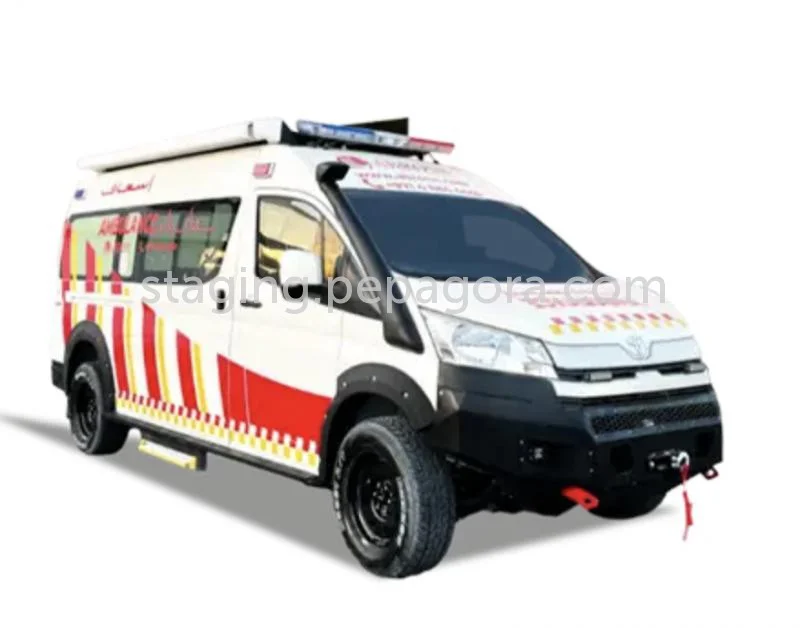
Premium Ambulance Components And Fabrication Services For Buyers
Election Vans Premium Mobile Command Centers Secure Transport
Professional Vanity Vans For Film Events Mobile Makeup Dressing Rooms
Awate Auto
Emergency Medical Services Advanced Ambulances For Hospitals
Government India Standard Fire Fighter Vehicles Advanced Firefighting Trucks
Heavy Duty 2500L Jetting Machine For Sewer And Pipeline Cleaning
B. E. P. Edu World
Child CPR Training Manikin with Light Indicators for Medical Education
Nurse Basic Practice Teaching Model BEP 405 5 Part Anatomical Training Tool
CPR Training Manikin with Electronic Monitoring Meets AHA Standards
Balaji Fire Control Co
Automatic Modular Fire Extinguisher 5kg 10kg 15kg For Commercial Industrial Safety
ABC Store Pressure Fire Extinguisher for Commercial Industrial Use
OEM Workwear Fire Safety Jackets Anti Shrink High Visibility Men
DR. Ajay Gupta
Alopecia Areata Treatment Solutions For Clinics And Distributors
Clinics Distributors Homeopathic Anal Warts Treatment Natural Relief
Anxiety Homeopathy Treatment Natural Relief For Depression And Stress
Dr. Sams Medical Consultancy
NABH Accreditation Consultation Services For Hospitals In India
NABH Compliant Hospital Planning And Design Consultants For Healthcare Infrastructure
NABH Accreditation Consulting Services For Healthcare Providers
ABRONN
Medical Privacy Screen 4 Panel Folding Portable Durable Healthcare
Emergency Medical Services Spencer 110 Widthwise Foldable Stretcher
Medical 20L Portable Suction Machine With Overflow Protection
Why Businesses Trust Pepagora
Thousands of companies trust Pepagora to source smarter and sell faster
Expand Your Sales Globally
25000+Products listed.Get discovered by global buyers
Tools to boost visibility
Build your own catalog

Source Smarter,Grow Faster
4000+Active RFQs
100+ Countries served
Easy Sourcing Tools
