
 IN
INundefined
Elevator & Escalator Maintenance
4 products available
𝗪𝗵𝗮𝘁 𝗮𝗿𝗲 𝗘𝗹𝗲𝘃𝗮𝘁𝗼𝗿 & 𝗘𝘀𝗰𝗮𝗹𝗮𝘁𝗼𝗿 𝗠𝗮𝗶𝗻𝘁𝗲𝗻𝗮𝗻𝗰𝗲?
Elevator and escalator maintenance refers to the systematic process of ensuring these vertical transportation systems operate efficiently and safely. Maintenance encompasses regular inspections, servicing, and repairs aimed at preventing breakdowns and enhancing performance. By adhering to a structured maintenance schedule, businesses can prolong the lifespan of their equipment, reduce downtime, and ensure compliance with safety regulations.
These services are crucial in various environments, including commercial buildings, shopping malls, airports, and hospitals. Regular maintenance not only maintains operational efficiency but also safeguards the safety of passengers. The elevator and escalator industry is experiencing growth due to urbanization and the increasing number of high-rise buildings, which necessitates reliable maintenance services to support these structures.
In a competitive market, businesses that prioritize elevator and escalator maintenance can improve customer satisfaction and maintain regulatory compliance. Properly maintained systems are not only safer but also contribute to a positive image for the building owners and operators, making maintenance an essential aspect of facility management.
𝗞𝗲𝘆 𝗙𝗲𝗮𝘁𝘂𝗿𝗲𝘀 𝗮𝗻𝗱 𝗦𝗽𝗲𝗰𝗶𝗳𝗶𝗰𝗮𝘁𝗶𝗼𝗻𝘀
Elevator and escalator maintenance services include various features and specifications that ensure safety and efficiency. These features are designed to enhance the performance and reliability of the systems.
Key specifications include:
1. Inspection Frequency
- Regular inspections are scheduled monthly or quarterly.
- Inspections include safety checks and performance evaluations.
2. Service Duration
- Scheduled maintenance typically occurs within a few hours.
- Emergency repairs may vary based on the complexity of the issue.
3. Safety Compliance
- Services must adhere to local and international safety codes.
- Compliance with CE certification standards is mandatory.
4. Diagnostic Tools
- Use of advanced diagnostic tools for performance analysis.
- Monitoring of system health to predict potential failures.
5. Repair Services
- Comprehensive repair services for mechanical and electrical components.
- Availability of replacement parts for swift repairs.
6. Maintenance Records
- Detailed documentation of all maintenance activities.
- Historical data assists in tracking performance trends.
7. Emergency Response
- Rapid response teams available for urgent repairs.
- Contact information should be readily accessible.
8. Customer Support
- Dedicated customer service for inquiries and scheduling.
- Ongoing support to address any concerns or issues.
In summary, the features and specifications of elevator and escalator maintenance are designed to ensure safety, compliance, and efficiency in operation. A thorough understanding of these aspects helps businesses choose the right maintenance solutions.
𝗖𝗼𝗺𝗺𝗼𝗻 𝗔𝗽𝗽𝗹𝗶𝗰𝗮𝘁𝗶𝗼𝗻𝘀 𝗮𝗻𝗱 𝗨𝘀𝗲 𝗖𝗮𝘀𝗲𝘀
Elevator and escalator maintenance services are utilized across various industries, each with specific needs and applications.
1. Commercial Buildings: Regular maintenance ensures elevators and escalators operate smoothly in high-traffic areas, providing reliable access to different floors.
2. Shopping Malls: These services help manage the flow of customers, reducing wait times and enhancing the shopping experience.
3. Airports: Maintenance is critical in airports to ensure timely operations of escalators and elevators, facilitating efficient movement for travelers.
4. Hospitals: Elevators in healthcare facilities must be maintained to ensure reliable transport of patients and medical staff, particularly in emergency situations.
5. Residential Complexes: Maintenance services for residential elevators enhance safety and convenience for residents and guests.
6. Educational Institutions: Schools and universities require well-maintained systems to support mobility for students and staff across multiple levels.
7. Industrial Facilities: Elevators and escalators in factories and warehouses need regular maintenance to support logistics and material handling.
𝗣𝗿𝗼𝗱𝘂𝗰𝘁 𝗩𝗮𝗿𝗶𝗮𝗻𝘁𝘀 𝗮𝗻𝗱 𝗦𝘂𝗯𝗰𝗮𝘁𝗲𝗴𝗼𝗿𝗶𝗲𝘀
Elevator and escalator maintenance services encompass a diverse range of solutions tailored to meet specific operational needs.
Preventive Maintenance
This variant focuses on regular inspections and servicing to prevent unexpected failures. It includes scheduled checks, lubrication, and part replacements, ensuring optimal performance.
Corrective Maintenance
This type of maintenance is triggered by equipment failures. It involves immediate repairs to restore functionality, minimizing downtime and ensuring safety.
Predictive Maintenance
Utilizing advanced monitoring tools, predictive maintenance anticipates failures before they occur. This approach involves analyzing data to schedule maintenance based on actual equipment condition.
𝗕𝗲𝗻𝗲𝗳𝗶𝘁𝘀 𝗮𝗻𝗱 𝗔𝗱𝘃𝗮𝗻𝘁𝗮𝗴𝗲𝘀
Elevator and escalator maintenance offers numerous benefits that enhance operational efficiency and safety.
Key benefits include:
1. Improved Safety: Regular maintenance reduces the risk of accidents and ensures compliance with safety standards.
2. Increased Reliability: Well-maintained systems minimize unexpected breakdowns, ensuring continuous operation.
3. Cost Savings: Preventive maintenance can reduce costly emergency repairs and extend the lifespan of equipment.
4. Enhanced Performance: Regular servicing optimizes the performance of elevators and escalators, improving user experience.
5. Compliance Assurance: Adhering to maintenance schedules helps meet regulatory requirements and industry standards.
6. Customer Satisfaction: Reliable vertical transportation solutions enhance overall satisfaction for building occupants and visitors.
𝗕𝘂𝘆𝗶𝗻𝗴 𝗚𝘂𝗶𝗱𝗲 𝗳𝗼𝗿 𝗕𝟮𝗕 𝗕𝘂𝘆𝗲𝗿𝘀
When sourcing elevator and escalator maintenance, various factors must be considered to ensure effective and reliable service.
1. Quality Assessment: Evaluate the quality of maintenance services based on industry standards and customer reviews. Look for certifications that demonstrate a commitment to quality.
2. Supplier Verification: Conduct thorough background checks on potential suppliers. Verify their experience, reputation, and past performance in the industry.
3. Pricing and MOQ: Understand the pricing structure and minimum order quantities required for maintenance contracts. Compare quotes from multiple suppliers to find the best value.
4. Delivery and Lead Times: Assess the supplier's ability to provide timely maintenance services. Consider their response times for emergency repairs and regular servicing.
5. Compliance Requirements: Ensure that the maintenance provider adheres to all relevant safety and regulatory requirements. This includes certifications and compliance with local laws.
𝗖𝗼𝗺𝗽𝗹𝗶𝗮𝗻𝗰𝗲 𝗮𝗻𝗱 𝗖𝗲𝗿𝘁𝗶𝗳𝗶𝗰𝗮𝘁𝗶𝗼𝗻𝘀
Elevator and escalator maintenance must adhere to several quality standards and certifications that ensure safety and reliability.
Relevant quality standards such as ISO 9001 establish the framework for effective quality management systems. Compliance with these standards demonstrates a commitment to maintaining high service quality.
Industry certifications like CE are essential for ensuring products and services meet European safety and performance requirements. This certification is particularly important for companies operating in or exporting to European markets.
Safety and testing requirements are crucial to ensure that maintenance practices do not compromise the safety of the equipment. Regular testing and compliance with safety regulations help prevent accidents and ensure reliable operation.
Additionally, regional compliance considerations vary by location. It is essential for maintenance providers to be aware of and adhere to local regulations governing elevator and escalator operations.
𝗪𝗵𝘆 𝗦𝗼𝘂𝗿𝗰𝗲 𝗘𝗹𝗲𝘃𝗮𝘁𝗼𝗿 & 𝗘𝘀𝗰𝗮𝗹𝗮𝘁𝗼𝗿 𝗠𝗮𝗶𝗻𝘁𝗲𝗻𝗮𝗻𝗰𝗲 𝗳𝗿𝗼𝗺 𝗣𝗲𝗽𝗮𝗴𝗼𝗿𝗮?
Pepagora provides a trusted platform for sourcing elevator and escalator maintenance with several key advantages.
Verified Supplier Network: Pepagora connects buyers with a network of verified suppliers who are experienced and reputable. This ensures that businesses can find reliable maintenance services.
Streamlined RFQ Process: The request for quotation (RFQ) process on Pepagora is designed to be efficient and user-friendly. Buyers can easily submit their requirements and receive competitive quotes from multiple suppliers.
Trade Assurance and Support: Pepagora offers trade assurance to protect buyers during the purchasing process. This includes support for any issues that may arise, ensuring a smooth transaction.
Regional Coverage: With a presence in India, the GCC, and Southeast Asia, Pepagora provides extensive regional coverage. This geographic reach allows businesses to access maintenance services tailored to their specific market needs.
Newly Added



Recently Added
B. Das Engineering & Electric Company
Commercial Juicer Mixer Grinder For Hotels Restaurants Juice Centers
B. Das Engineering & Electric Company Industrial Electrical Products
B. Das Engineering Electrical Products Industrial Commercial Solutions
Caro Elevators
Hospital Elevators For Patient Transport With Wide Doors And Large Cabins
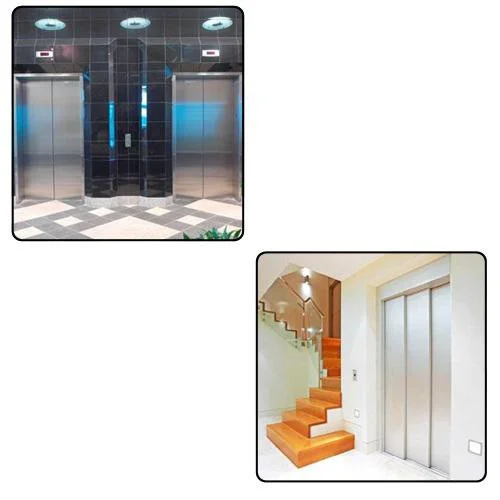
Premium Auto Door Elevators For Commercial Residential Buildings
Vehicle Elevators For Automotive Facilities With Safety Features
Delhi Cranex Private Limted
Construction Equipment Rental Cranes Forklifts Loaders Trailers
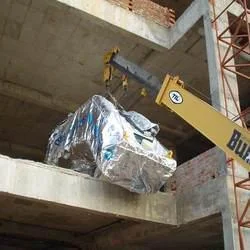
Professional Escalator Hoisting Services For Malls Airports Industrial Projects
Steel Fabrication Services | Precision Metalwork | Industrial & Construction
Pavaman Poly Products Pvt Ltd
Industrial PU Rollers For Conveyor Systems And Material Handling
Industrial PU Castors With Cast Iron Core 90 95 Shore A 20 80C
Industrial PU Hand Pallet Truck Wheels High Load Capacity Durable
Why Businesses Trust Pepagora
Thousands of companies trust Pepagora to source smarter and sell faster
Expand Your Sales Globally
25000+Products listed.Get discovered by global buyers
Tools to boost visibility
Build your own catalog

Source Smarter,Grow Faster
4000+Active RFQs
100+ Countries served
Easy Sourcing Tools
