
 IN
INundefined
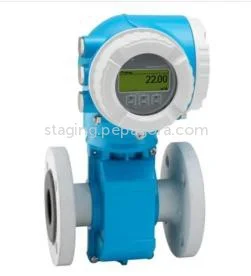
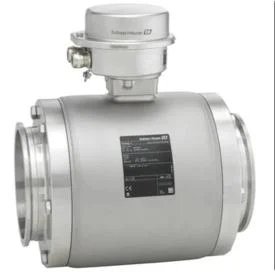
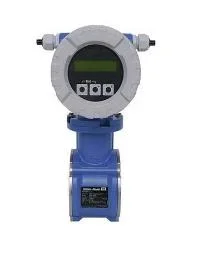
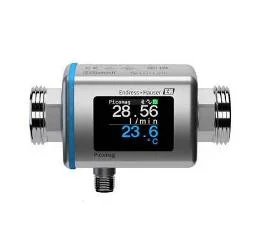
Electromagnetic Flow Meters
197 products available
𝗪𝗵𝗮𝘁 𝗮𝗿𝗲 𝗘𝗹𝗲𝗰𝘁𝗿𝗼𝗺𝗮𝗴𝗻𝗲𝘁𝗶𝗰 𝗙𝗹𝗼𝘄 𝗠𝗲𝘁𝗲𝗿𝘀?
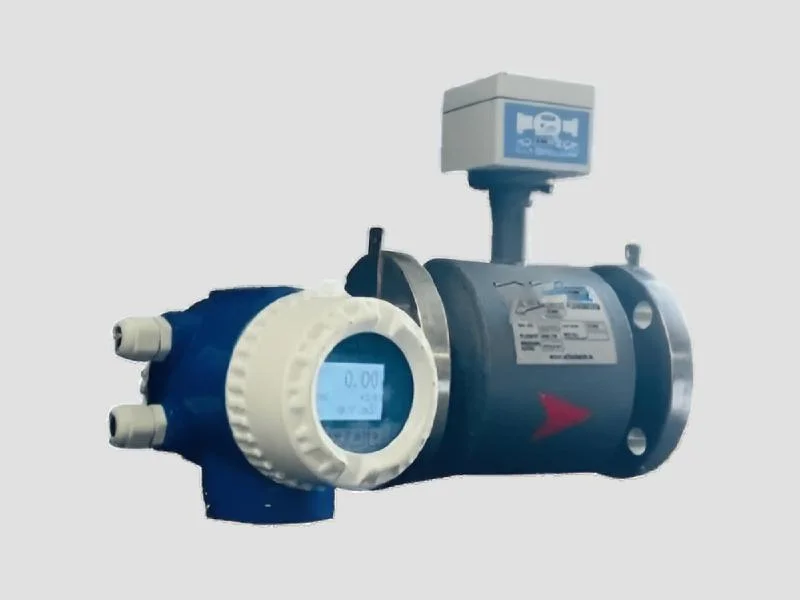
Electromagnetic flow meters are devices used to measure the flow rate of conductive liquids in a variety of industrial applications. They operate based on Faraday's law of electromagnetic induction, where a magnetic field is generated, and the resulting voltage induced in the liquid is proportional to the flow velocity. This technology allows for accurate flow measurement without the need for moving parts, which enhances reliability and reduces maintenance needs.
These flow meters are commonly used in industries such as water treatment, food and beverage, chemical processing, and pharmaceuticals. They are particularly effective for measuring slurries, wastewater, and other aggressive media. The ability to provide real-time data and maintain accuracy even in harsh conditions makes them essential tools for manufacturers and service providers.
As industries continue to focus on efficiency and sustainability, the demand for electromagnetic flow meters is increasing. Their adaptability to various applications and their capability to support modern automation systems position them as vital components in today’s industrial processes. As the market evolves, advancements in technology are expected to enhance their functionality and performance.
𝗞𝗲𝘆 𝗙𝗲𝗮𝘁𝘂𝗿𝗲𝘀 𝗮𝗻𝗱 𝗦𝗽𝗲𝗰𝗶𝗳𝗶𝗰𝗮𝘁𝗶𝗼𝗻𝘀
Electromagnetic flow meters offer several key features that enhance their performance and usability in industrial settings. They are designed to provide reliable and accurate flow measurements while ensuring minimal maintenance.
Key specifications include:
1. Measurement Principle
- Based on Faraday's law of electromagnetic induction
- Suitable for conductive liquids only
2. Flow Range
- Typically supports a wide range of flow rates
- Exact specifications depend on the model and manufacturer
3. Accuracy
- High accuracy levels, often within ±0.2% of reading
- Calibration can enhance measurement reliability
4. Installation Options
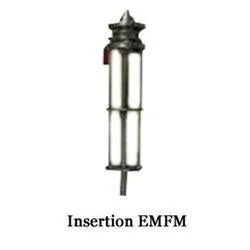
- Available in various configurations including inline and insertion types
- Flexible installation to suit different piping systems
5. Material Compatibility
- Constructed with materials resistant to corrosion and wear
- Common materials include stainless steel and lined options
6. Power Supply
- Operates on low power consumption
- Options for battery-operated models are available
7. Communication Protocols
- Supports various digital communication protocols for integration
- Common protocols include HART, Modbus, and Profibus
8. Certifications
- Typically certified to CE standards
- Ensures compliance with international safety and quality standards
In summary, electromagnetic flow meters are equipped with advanced features that cater to the needs of various industries, ensuring precision and durability in flow measurement.
𝗖𝗼𝗺𝗺𝗼𝗻 𝗔𝗽𝗽𝗹𝗶𝗰𝗮𝘁𝗶𝗼𝗻𝘀 𝗮𝗻𝗱 𝗨𝘀𝗲 𝗖𝗮𝘀𝗲𝘀
Electromagnetic flow meters find extensive use across various industries due to their versatility and reliability.
1. Water Treatment: These meters are used to measure the flow of treated and untreated water in municipal and industrial water treatment facilities, ensuring efficient processing and distribution.
2. Food and Beverage: In this industry, electromagnetic flow meters are employed to monitor the flow of liquids such as juices, milk, and sauces, where hygiene and accuracy are paramount.
3. Chemical Processing: They play a crucial role in the chemical industry to measure the flow of corrosive and viscous liquids, ensuring quality control and safety in production processes.
4. Pharmaceuticals: Accurate measurement of liquid flow in pharmaceutical manufacturing is critical, and electromagnetic flow meters help maintain stringent quality standards.
5. Oil and Gas: In the oil and gas sector, these meters are used to measure the flow of crude oil and other petroleum products, providing essential data for operational efficiency.
6. Pulp and Paper: They are utilized to monitor the flow of slurries and chemicals in the paper-making process, aiding in production consistency and waste reduction.
7. HVAC Systems: Electromagnetic flow meters are applied in heating, ventilation, and air conditioning systems to optimize fluid flow and energy efficiency.
𝗣𝗿𝗼𝗱𝘂𝗰𝘁 𝗩𝗮𝗿𝗶𝗮𝗻𝘁𝘀 𝗮𝗻𝗱 𝗦𝘂𝗯𝗰𝗮𝘁𝗲𝗴𝗼𝗿𝗶𝗲𝘀
Electromagnetic flow meters come in various models designed to meet specific industrial needs. These variants offer different features and capabilities.
Standard Electromagnetic Flow Meter
This is the most common variant used in various applications, providing reliable measurements for a range of conductive liquids. It is designed for easy installation and maintenance, making it ideal for many industries.
Low-Flow Electromagnetic Flow Meter
This variant is specifically designed for applications with low flow rates. It maintains high accuracy and is often used in laboratory settings or small-scale processes.
High-Temperature Electromagnetic Flow Meter
Engineered to withstand extreme temperatures, this variant is suitable for applications involving heated fluids, ensuring accurate flow measurement in demanding environments.
𝗕𝗲𝗻𝗲𝗳𝗶𝘁𝘀 𝗮𝗻𝗱 𝗔𝗱𝘃𝗮𝗻𝘁𝗮𝗴𝗲𝘀
Electromagnetic flow meters offer multiple benefits that enhance operational efficiency and accuracy.
1. No Moving Parts: The absence of moving components reduces wear and tear, leading to lower maintenance costs and longer operational life.
2. High Accuracy: These meters provide precise measurements, ensuring process reliability and reducing waste in production.
3. Versatility: They are suitable for a wide range of conductive liquids, making them applicable in various industries.
4. Minimal Pressure Drop: Electromagnetic flow meters do not obstruct flow, resulting in a minimal pressure drop and improved system efficiency.
5. Easy Integration: They can be easily integrated with existing digital systems, facilitating real-time data monitoring and control.
6. Low Maintenance: With fewer mechanical parts, these meters require less frequent servicing compared to traditional flow measurement devices.
𝗕𝘂𝘆𝗶𝗻𝗴 𝗚𝘂𝗶𝗱𝗲 𝗳𝗼𝗿 𝗕𝟮𝗕 𝗕𝘂𝘆𝗲𝗿𝘀
When considering the purchase of electromagnetic flow meters, it is important to evaluate several key factors to ensure the best choice for your application.
1. Quality Assessment: Look for meters that meet industry standards and have undergone rigorous testing. Checking for certifications like CE can provide assurance of quality.
2. Supplier Verification: Ensure that you source from reputable suppliers with a proven track record in the industry. This can include checking references and reviews.
3. Pricing and MOQ: Understand the pricing structure and minimum order quantities required by suppliers, as this can impact your procurement strategy.
4. Delivery and Lead Times: Discuss delivery schedules and lead times with suppliers to ensure timely availability of products for your operational needs.
5. Compliance Requirements: Ensure that the flow meters meet relevant regulatory standards applicable to your industry, as non-compliance can lead to operational setbacks.
𝗖𝗼𝗺𝗽𝗹𝗶𝗮𝗻𝗰𝗲 𝗮𝗻𝗱 𝗖𝗲𝗿𝘁𝗶𝗳𝗶𝗰𝗮𝘁𝗶𝗼𝗻𝘀
Electromagnetic flow meters are subject to various quality standards and certifications that ensure their reliability and safety in industrial applications. ISO 9001 is a widely recognized standard that signifies a commitment to quality management systems. Additionally, certifications such as CE demonstrate compliance with European safety, health, and environmental protection legislation.
Safety and testing requirements are crucial, especially in industries like food and pharmaceuticals, where the integrity of the measurement can directly impact product quality. Regional compliance should also be considered, as different regions may have specific regulations governing the use of flow measurement devices.
𝗪𝗵𝘆 𝗦𝗼𝘂𝗿𝗰𝗲 𝗘𝗹𝗲𝗰𝘁𝗿𝗼𝗺𝗮𝗴𝗻𝗲𝘁𝗶𝗰 𝗙𝗹𝗼𝘄 𝗠𝗲𝘁𝗲𝗿𝘀 𝗳𝗿𝗼𝗺 𝗣𝗲𝗽𝗮𝗴𝗼𝗿𝗮?
Pepagora offers a reliable platform for sourcing electromagnetic flow meters, providing numerous advantages for B2B buyers.
Verified Supplier Network: Pepagora connects buyers with a network of verified suppliers, ensuring that you obtain high-quality products from reputable sources.
Streamlined RFQ Process: The platform simplifies the request for quotation process, allowing buyers to receive competitive quotes and make informed purchasing decisions efficiently.
Trade Assurance and Support: With trade assurance policies in place, buyers are protected throughout the procurement process, ensuring peace of mind when making significant investments.
Regional Coverage: Pepagora serves a broad geographic area, including India, the Gulf Cooperation Council (GCC) countries, and Southeast Asia, facilitating access to products across various markets.
By choosing Pepagora, buyers can streamline their sourcing process while ensuring they receive quality electromagnetic flow meters tailored to their specific needs.
Newly Added




Recently Added
Yogya Enterprises
Industrial Oil Tank Breathers For Petrol Diesel Chemical Storage Safety
Magnetic Oil Level Gauge SO 10 250mm Dial for Power Transformers
Industrial Power Transformer Magnetic Oil Level Gauge SO 6 150mm IP 55
Frehnig Instruments and Controls
Industrial Magnetic Flowmeter With RS232 And 4 20mA Output
Industrial Paddle Wheel Flowmeter +/ 2.0% Accuracy RS232 LCD Display
Industrial Conductivity Meter 0 9999ppm 4 Digit LED RS232 Optional
Nb Industry Pvt Ltd
Chambal Water Meter NBWR/1 50 250 for Residential Commercial Water Supply
Water Activity Meter For Food Pharma Chemical Quality Control
Electronic Water Meters For Accurate Billing And Leak Detection
Veksler Engineering
Industrial Displacer Level Switches For Liquid Detection Up To 15m
Industrial Balloon Type Level Switch For Liquid Detection In Tanks
Industrial Magnetic Float Level Switches For Liquid Detection
Vatturkar Industrial
Industrial Paddle Wheel Flow Meters For Water Chemicals Fuels
Industrial Electromagnetic Flow Meters High Precision Fluid Measurement
Industrial Flow Rate Indicator Digital Display M3/Hr LPH LPM VATS A110
Alisha Pneumatics
Industrial Air Filters Lubricator Regulators 99.99% Efficiency 125% Air Flow
Industrial Activated Carbon Air Filters 5 20 Mic Efficiency 800 3200 M/h
Industrial Air Purification OEM Automatic Drain Valve Brass AC Power
Optima Inststruments
Industrial Digital pH Meter 0.01 Accuracy Solid State Circuitry
Laboratory Multi Element Flame Photometer For Sodium Potassium Calcium Lithium Analysis
Industrial Dissolved Oxygen Meter with 0 20 mg/L Range and LCD Display
Zaineb Enterprises
Industrial OEM Teflon Sheets Heat Resistant Non Stick Chemical Durable
Industrial Automation Manual Pneumatic Valves For Medium Pressure
Industrial High Pressure IBR Valves Metal Hydraulic Water High Temperature
Manish Engineering Company
SKF Sweden Roughing End Mills For CNC Metalworking Precision
Sweden Ball Nose End Mills For Precision 3D Contouring And Milling
Sweden End Mills Precision Metal Cutting CNC Industrial Machining
Power Electronical
Professional Oil Dissipation Factor Meter For Insulating Oil Analysis
Industrial Motor Generator RLA Testing Services For Predictive Maintenance
High Voltage Insulation Diagnostics Capacitance Tan Delta Testing Systems
Why Businesses Trust Pepagora
Thousands of companies trust Pepagora to source smarter and sell faster
Expand Your Sales Globally
25000+Products listed.Get discovered by global buyers
Tools to boost visibility
Build your own catalog

Source Smarter,Grow Faster
4000+Active RFQs
100+ Countries served
Easy Sourcing Tools
