
 IN
INundefined
Electrical Sockets
17 products available
𝗪𝗵𝗮𝘁 𝗮𝗿𝗲 𝗘𝗹𝗲𝗰𝘁𝗿𝗶𝗰𝗮𝗹 𝗦𝗼𝗰𝗸𝗲𝘁𝘀?
Electrical sockets are devices that provide a connection point for electrical appliances to access power from an electrical supply. They are essential components in both residential and commercial settings, allowing users to plug in various electrical devices, such as computers, chargers, and machinery. Sockets can come in different shapes and sizes, accommodating various plug types and voltage requirements, which makes them versatile for different applications.
In business environments, electrical sockets are integral to the operation of equipment and tools essential for daily activities. They facilitate the safe and efficient distribution of electricity, which is critical in industries such as manufacturing, construction, and office management. The growing demand for energy-efficient solutions has led to advancements in socket technology, ensuring that they are not only functional but also compliant with safety standards. This relevance is further emphasized by the increasing integration of smart technology into electrical systems, making sockets a focal point in modern electrical design.
𝗞𝗲𝘆 𝗙𝗲𝗮𝘁𝘂𝗿𝗲𝘀 𝗮𝗻𝗱 𝗦𝗽𝗲𝗰𝗶𝗳𝗶𝗰𝗮𝘁𝗶𝗼𝗻𝘀
Electrical sockets feature a variety of characteristics that cater to different requirements across industries. Understanding these specifications is crucial for selecting the right socket for your needs.
Key specifications include:
1. Voltage Rating
- Indicates the maximum voltage the socket can handle.
- Common ratings include 110V, 220V, and 240V.
2. Current Rating
- Specifies the maximum current the socket can carry safely.
- Typical ratings range from 10A to 16A.
3. Socket Type
- Refers to the configuration of the socket which can vary by region.
- Examples include Type A, B, C, and D.
4. Material Composition
- Describes the materials used in the socket construction.
- Common materials include thermoplastic and metal.
5. Safety Features
- Includes features such as surge protection and child safety shutters.
- Enhances user safety and protects connected devices.
6. Installation Type
- Indicates how the socket is mounted, either surface or flush-mounted.
- Affects installation flexibility and aesthetics.
7. Compliance Standards
- Refers to adherence to industry safety standards, such as CE certification.
- Ensures reliability and safety in use.
In summary, these specifications provide essential information to help buyers select the appropriate electrical sockets for their specific applications.
𝗖𝗼𝗺𝗺𝗼𝗻 𝗔𝗽𝗽𝗹𝗶𝗰𝗮𝘁𝗶𝗼𝗻𝘀 𝗮𝗻𝗱 𝗨𝘀𝗲 𝗖𝗮𝘀𝗲𝘀
Electrical sockets are utilized across various sectors, showcasing their versatility and importance.
1. Residential: In homes, electrical sockets are used for everyday appliances, including televisions, refrigerators, and computers, ensuring household functionality.
2. Commercial: In offices, sockets facilitate the operation of computers, printers, and other electronic equipment that are vital for business operations.
3. Industrial: In manufacturing plants, heavy machinery and tools require specialized sockets to ensure safe and efficient operation of equipment.
4. Healthcare: Hospitals utilize electrical sockets for medical devices and equipment, emphasizing the need for reliability and safety in critical environments.
5. Hospitality: Hotels and restaurants depend on electrical sockets for kitchen equipment, lighting, and guest services, enhancing operational efficiency.
6. Education: Schools and universities use sockets in classrooms and laboratories to power educational tools and technology for learning.
7. Retail: In retail spaces, sockets are essential for powering display lighting, point-of-sale systems, and other electronic devices that enhance customer experience.
𝗣𝗿𝗼𝗱𝘂𝗰𝘁 𝗩𝗮𝗿𝗶𝗮𝗻𝘁𝘀 𝗮𝗻𝗱 𝗦𝘂𝗯𝗰𝗮𝘁𝗲𝗴𝗼𝗿𝗶𝗲𝘀
Electrical sockets come in various designs and configurations to suit different needs and environments.
Standard Socket
This is the most common type, used in household and commercial settings. Features include multiple outlets and compatibility with various plug types, making it versatile for everyday use.
Smart Socket
These sockets incorporate technology that allows for remote control and automation. They can be integrated into smart home systems, enabling energy management and enhanced convenience.
Weatherproof Socket
Designed for outdoor use, these sockets are resistant to moisture and dust. They are ideal for gardens, patios, and industrial environments where exposure to the elements is a concern.
Surge-Protected Socket
These sockets include built-in surge protection to safeguard connected devices from voltage spikes. They are particularly useful in areas prone to electrical fluctuations.
𝗕𝗲𝗻𝗲𝗳𝗶𝘁𝘀 𝗮𝗻𝗱 𝗔𝗱𝘃𝗮𝗻𝘁𝗮𝗴𝗲𝘀
Choosing the right electrical sockets offers numerous advantages that can enhance safety and efficiency.
1. Enhanced Safety: Electrical sockets with safety features minimize the risk of electrical shocks and device damage, ensuring a safer environment.
2. Energy Efficiency: Modern sockets can include energy-saving technology that reduces power consumption, contributing to lower utility costs.
3. Versatility: With various types available, electrical sockets can accommodate a wide range of devices, making them suitable for diverse applications.
4. Reliability: High-quality sockets ensure consistent power delivery, reducing downtime and maintenance costs associated with faulty electrical connections.
5. Ease of Installation: Many sockets are designed for quick and easy installation, saving time and labor costs during setup.
6. Compliance Assurance: Sockets that meet industry standards provide peace of mind, ensuring they are safe and efficient for use in any setting.
𝗕𝘂𝘆𝗶𝗻𝗴 𝗚𝘂𝗶𝗱𝗲 𝗳𝗼𝗿 𝗕𝟮𝗕 𝗕𝘂𝘆𝗲𝗿𝘀
When sourcing electrical sockets, it is essential to consider several factors to ensure the right choice.
1. Quality Assessment: Assess the quality of sockets by reviewing manufacturer specifications and customer feedback. Look for certifications that indicate compliance with industry standards.
2. Supplier Verification: Vet suppliers by checking their credentials, past performance, and reputation in the industry. Reliable suppliers should provide transparency and assurance of product quality.
3. Pricing and MOQ: Consider the pricing structure and minimum order quantities (MOQ) offered by suppliers. Compare costs across multiple suppliers to ensure you receive competitive pricing.
4. Delivery and Lead Times: Inquire about delivery schedules and lead times to ensure that your business operations are not disrupted. Reliable suppliers should have clear logistics processes.
5. Compliance Requirements: Ensure that the sockets meet relevant compliance and regulatory standards specific to your region and industry. This will help avoid legal issues and ensure safety.
𝗖𝗼𝗺𝗽𝗹𝗶𝗮𝗻𝗰𝗲 𝗮𝗻𝗱 𝗖𝗲𝗿𝘁𝗶𝗳𝗶𝗰𝗮𝘁𝗶𝗼𝗻𝘀
Electrical sockets must adhere to various compliance standards and certifications to ensure safety and reliability. One of the primary standards is ISO 9001, which focuses on quality management systems. This certification indicates that manufacturers maintain high-quality production processes.
Another important certification is CE marking, which signifies that the product meets European safety, health, and environmental protection standards. This is crucial for businesses operating in or exporting to Europe.
Safety and testing requirements are also vital. Sockets must undergo rigorous testing to ensure they can handle specified voltage and current ratings without risk of failure. Additionally, regional compliance considerations should be taken into account, as different areas may have unique regulations governing electrical products.
𝗪𝗵𝘆 𝗦𝗼𝘂𝗿𝗰𝗲 𝗘𝗹𝗲𝗰𝘁𝗿𝗶𝗰𝗮𝗹 𝗦𝗼𝗰𝗸𝗲𝘁𝘀 𝗳𝗿𝗼𝗺 𝗣𝗲𝗽𝗮𝗴𝗼𝗿𝗮?
Pepagora provides a trusted platform for sourcing electrical sockets, offering several key advantages to B2B buyers.
Verified Supplier Network: Pepagora boasts a network of thoroughly vetted suppliers, ensuring that buyers have access to high-quality products from reliable manufacturers.
Streamlined RFQ Process: The platform features an efficient Request for Quotation (RFQ) system, enabling buyers to easily compare prices and specifications from multiple suppliers, saving time and effort in the purchasing process.
Trade Assurance and Support: Pepagora offers trade assurance to protect buyers against potential issues, along with dedicated support to assist with any inquiries or challenges during the procurement process.
Regional Coverage: With a strong presence in regions like India, the GCC, and Southeast Asia, Pepagora facilitates access to a diverse range of suppliers and products, catering to the needs of businesses in various locations.
Newly Added




Recently Added
E. M. S. 9 Associates
Industrial Cement Mixers Heavy Duty For Construction Projects
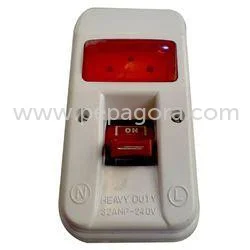
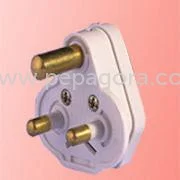
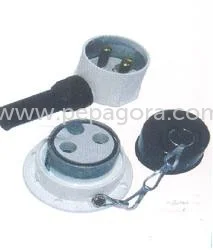
Industrial Power Sockets For Safety Reliability In Applications
Commercial CFL Fittings Durable Energy Efficient Lighting Components
Dhamija Electric Works
Industrial Electrical Switching BCH Contactors For Motor Control
Industrial BCH Plugs And Sockets For Secure Power Transmission
Commercial Ceiling Fan 600mm Pearl Brown Efficient Airflow
S. Kumar Electronics
Electrical Industry Arrow Solder Wire Low Melting Point Corrosion Resistance
Industrial OEM Solder Fluxes And Thinners Water Soluble Foaming Spray
Industrial OEM Relays And Relay Sockets For Electrical Applications
Bajaj Industries
Industrial 90 And 45 Degree Elbows For Piping Systems
Industrial 90 And 45 Degree Elbows For Fluid And Gas Systems
Industrial Pipe Sockets Corrosion Resistant High Tensile Strength
Archna International
Industrial Stainless Steel Punched Washers Durable Rust Resistant
Premium Banjo Bolts For High Pressure Hydraulic Fluid Transfer Systems
Industrial Grease Nipples For Automotive Machinery Lubrication
Automation Systems & Solution
Industrial Automation PS 7 Photoelectric Sensor 10 30V DC EZ BEAM
Industrial Safety Rope Pull Switches 6 100m Range 1M Operations
Industrial Safety Four Channel Fiber Optic Controller For Machine Guarding
Pooja Industries
Premium Polycarbonate Batten Holders For Secure Electrical Installations
Premium Polycarbonate Angled Batten Holders For Secure Lighting Mounting
Premium Polycarbonate Batten Holders For Secure Bulb Mounting
Vertex Tools Technology
Industrial Low Voltage Changeover Switches For Uninterrupted Power Supply
Industrial Commercial Residential Mini MCB Switch 6A 32A Circuit Protection
Industrial Isolator Switches 32A to 100A for Safety and Power Efficiency
Lsv Micro Device Pvt Ltd
Premium Electronic Transistors For Amplifying And Switching Signals
Industrial CRT Socket Focus Side Discharge Electrode Plate High Voltage
Industrial Commercial Compact Magnetron For Radar Medical Heating
Aakash Fire Safety
Industrial Firefighting Revolving Pipes Durable Steel Construction
Fire Safety Systems Premium Collecting Breeches Dry Risers Corrosion Resistant
Industrial Electrical Adaptors And Blank Caps For Secure Connections
Why Businesses Trust Pepagora
Thousands of companies trust Pepagora to source smarter and sell faster
Expand Your Sales Globally
25000+Products listed.Get discovered by global buyers
Tools to boost visibility
Build your own catalog

Source Smarter,Grow Faster
4000+Active RFQs
100+ Countries served
Easy Sourcing Tools
