
 IN
INundefined
Electrical Enclosures & Cabinets
15 products available
𝗪𝗵𝗮𝘁 𝗮𝗿𝗲 𝗘𝗹𝗲𝗰𝘁𝗿𝗶𝗰𝗮𝗹 𝗘𝗻𝗰𝗹𝗼𝘀𝘂𝗿𝗲𝘀 & 𝗖𝗮𝗯𝗶𝗻𝗲𝘁𝘀?
Electrical enclosures and cabinets are protective housings designed for electrical components and equipment. They are used to safeguard sensitive devices from environmental threats such as dust, moisture, and physical damage. These enclosures can vary in size and complexity, accommodating everything from simple electrical controls to advanced automation systems. They provide essential protection in both industrial and commercial settings.
The primary uses of electrical enclosures include housing circuit breakers, control panels, and other electrical equipment. They play a crucial role in ensuring safety and compliance with electrical codes. Businesses utilize these enclosures in various applications, including manufacturing, telecommunications, and energy distribution. Their importance spans multiple sectors, contributing to operational efficiency and safety.
In today's market, the demand for electrical enclosures and cabinets is rising as industries seek reliable solutions for housing electrical systems. With the increasing complexity of electrical installations, these products are essential for ensuring equipment longevity and safety. Manufacturers are continually innovating to meet industry standards and customer expectations, making electrical enclosures a critical component of modern infrastructure.
𝗞𝗲𝘆 𝗙𝗲𝗮𝘁𝘂𝗿𝗲𝘀 𝗮𝗻𝗱 𝗦𝗽𝗲𝗰𝗶𝗳𝗶𝗰𝗮𝘁𝗶𝗼𝗻𝘀
Electrical enclosures and cabinets come with a variety of features designed to enhance functionality and durability. They are engineered to withstand harsh environmental conditions, provide safety for users, and ensure the longevity of electrical components. Below are some of the key specifications associated with these products.
Key specifications include:
1. Material Composition
- Typically made from stainless steel, aluminum, or fiberglass
- Provides corrosion resistance and durability
2. NEMA Ratings
- Various NEMA ratings (such as NEMA 12, NEMA 4X) indicate the level of protection against dust, water, and ice
- Ensures compliance with specific environmental conditions
3. Size and Dimensions
- Available in multiple sizes to accommodate different electrical components
- Custom sizes may be available for specific applications
4. Mounting Options
- Options for wall-mounted, floor-standing, or rack-mounted configurations
- Flexibility to fit various installation requirements
5. Ventilation Features
- Some models include ventilation or cooling options to manage heat dissipation
- Essential for high-performance electrical systems
6. Locking Mechanisms
- Equipped with secure locking systems to prevent unauthorized access
- Enhances security for sensitive electrical equipment
7. Cable Entry Options
- Various entry points for cables, ensuring neat and organized installations
- Facilitates easy access for maintenance and upgrades
8. Compliance Features
- Designed to meet industry standards like CE certification for safety and reliability
- Ensures adherence to electrical safety regulations
In summary, electrical enclosures and cabinets are designed with a range of features and specifications to meet diverse industrial needs, ensuring protection, safety, and performance.
𝗖𝗼𝗺𝗺𝗼𝗻 𝗔𝗽𝗽𝗹𝗶𝗰𝗮𝘁𝗶𝗼𝗻𝘀 𝗮𝗻𝗱 𝗨𝘀𝗲 𝗖𝗮𝘀𝗲𝘀
Electrical enclosures and cabinets are versatile products utilized across numerous industries. Their ability to safeguard electrical components makes them critical in various applications.
1. Manufacturing: In manufacturing plants, enclosures house control panels and automation equipment, protecting them from dust and moisture while ensuring safe operation.
2. Telecommunications: These enclosures are used to protect communication equipment, ensuring uninterrupted service in outdoor or harsh environments.
3. Energy Distribution: Electrical cabinets are vital in substations and power plants, providing secure housing for transformers, switches, and circuit breakers.
4. Transportation: Enclosures protect electrical systems in vehicles and transportation infrastructure, ensuring reliability and safety.
5. Healthcare: In medical facilities, enclosures are used to safeguard sensitive equipment, helping to maintain operational integrity and patient safety.
6. Agriculture: Enclosures protect irrigation and control systems from environmental factors, promoting efficiency in agricultural operations.
7. Construction: Used on job sites to house temporary power solutions, ensuring that electrical systems are safe and accessible.
𝗣𝗿𝗼𝗱𝘂𝗰𝘁 𝗩𝗮𝗿𝗶𝗮𝗻𝘁𝘀 𝗮𝗻𝗱 𝗦𝘂𝗯𝗰𝗮𝘁𝗲𝗴𝗼𝗿𝗶𝗲𝘀
Electrical enclosures and cabinets come in various forms to suit different applications and environments. Their diversity allows businesses to select the most suitable option for their specific needs.
Wall-Mounted Enclosures
These enclosures are designed for installation on walls, saving floor space while providing access to electrical components. They are ideal for control panels and junction boxes in commercial and industrial settings.
Floor-Standing Cabinets
These larger cabinets are used when substantial storage space is needed. They are often employed in data centers or as main distribution points for electrical systems, providing ample room for equipment and management systems.
Outdoor Enclosures
These enclosures are built to withstand the elements, providing protection against rain, snow, and extreme temperatures. They are essential for outdoor installations in telecommunications and energy sectors.
𝗕𝗲𝗻𝗲𝗳𝗶𝘁𝘀 𝗮𝗻𝗱 𝗔𝗱𝘃𝗮𝗻𝘁𝗮𝗴𝗲𝘀
Investing in electrical enclosures and cabinets offers numerous advantages, contributing to improved operational efficiency and safety.
1. Enhanced Protection: Enclosures protect electrical components from environmental hazards, reducing damage and extending equipment life.
2. Improved Safety: By housing electrical systems securely, enclosures help prevent accidents and injuries, ensuring a safer work environment.
3. Compliance Assurance: Many enclosures comply with industry standards and regulations, providing peace of mind for businesses regarding safety and reliability.
4. Customization Options: Many manufacturers offer customizable solutions to meet specific requirements, ensuring that businesses can find the perfect fit for their needs.
5. Organizational Efficiency: Properly enclosed systems allow for better organization of electrical components, simplifying maintenance and upgrades.
6. Cost Savings: By mitigating damage and enhancing equipment longevity, enclosures can lead to significant cost savings over time.
𝗕𝘂𝘆𝗶𝗻𝗴 𝗚𝘂𝗶𝗱𝗲 𝗳𝗼𝗿 𝗕𝟮𝗕 𝗕𝘂𝘆𝗲𝗿𝘀
When sourcing electrical enclosures and cabinets, B2B buyers should consider several critical factors to make informed decisions.
1. Quality Assessment: Look for products that meet established quality standards. Ensure that the materials used are durable and suitable for the intended environment.
2. Supplier Verification: Vet potential suppliers thoroughly. Check their reputation, customer reviews, and history of compliance with industry standards.
3. Pricing and MOQ: Understand the pricing structure and minimum order quantities. Compare different suppliers to find competitive pricing that fits your budget.
4. Delivery and Lead Times: Inquire about logistics to ensure timely delivery. Consider the lead times for manufacturing and shipping when planning your project timelines.
5. Compliance Requirements: Ensure that the enclosures meet any necessary regulatory compliance. This may include certifications like CE and adherence to local electrical codes.
𝗖𝗼𝗺𝗽𝗹𝗶𝗮𝗻𝗰𝗲 𝗮𝗻𝗱 𝗖𝗲𝗿𝘁𝗶𝗳𝗶𝗰𝗮𝘁𝗶𝗼𝗻𝘀
Electrical enclosures and cabinets must adhere to various compliance standards and certifications to ensure safety and functionality. Key standards include ISO 9001 for quality management systems, which emphasizes consistent quality across manufacturing processes.
Industry certifications such as CE are essential for demonstrating compliance with European safety standards. These certifications indicate that the products meet stringent safety and performance criteria, making them suitable for use in various applications.
Additionally, safety and testing requirements are critical for enclosures, particularly in industries like energy and healthcare where failure can lead to significant risks. Regional compliance considerations may also be necessary, depending on the geographical area of operation. Understanding these standards helps businesses select appropriate products and maintain compliance in their operations.
𝗪𝗵𝘆 𝗦𝗼𝘂𝗿𝗰𝗲 𝗘𝗹𝗲𝗰𝘁𝗿𝗶𝗰𝗮𝗹 𝗘𝗻𝗰𝗹𝗼𝘀𝘂𝗿𝗲𝘀 & 𝗖𝗮𝗯𝗶𝗻𝗲𝘁𝘀 𝗳𝗿𝗼𝗺 𝗣𝗲𝗽𝗮𝗴𝗼𝗿𝗮?
Pepagora provides a trusted platform for sourcing electrical enclosures and cabinets, offering several key advantages for B2B buyers.
The verified supplier network at Pepagora ensures that businesses gain access to reliable manufacturers who meet industry standards. This network simplifies the sourcing process, allowing buyers to focus on their core operations while ensuring quality.
The streamlined Request for Quotation (RFQ) process makes it easy for buyers to obtain competitive pricing from multiple suppliers. This feature enables businesses to evaluate options efficiently and select the best solutions for their needs.
Trade assurance and support offered by Pepagora provide an additional layer of protection for buyers. This assurance ensures that transactions are secure, building confidence in the purchasing process.
Finally, Pepagora’s regional coverage across India, the Gulf Cooperation Council, and Southeast Asia allows businesses to connect with suppliers in their vicinity. This geographic reach enhances accessibility and facilitates timely deliveries, making Pepagora a valuable resource for sourcing electrical enclosures and cabinets.
Newly Added


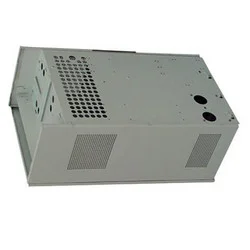
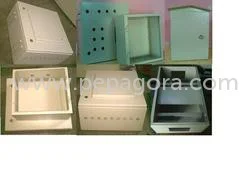
Recently Added
Cat Compumech Private Limited
Premium Online UPS Cabinet With Rotating Wheel Base For Mobility
Industrial Weighing Scale Cabinets Stainless Steel Durable
Vending Machine Cabinets Durable Metal Plastic Fiber Automated Retail
A. B. Engineering
Industrial Aluminum Casted Boxes With Spring Loaded Cams
Industrial Aluminum Die Castings Durable Lightweight Customizable
Industrial Automation Precision Aluminum Timing Pulleys For Motion Control
Assured Services
Industrial Vacuum Circuit Breakers With Sheet Metal Enclosures
Industrial LT HT TOD Meters for Energy Monitoring and Load Management
Premium LT Cables For Reliable Low Voltage Power Transmission
BNS Enterprises Private Limited
Medical Industrial Office Durable Sheet Metal Cabinets Secure Storage
Medical Steel Cabinets Secure Storage Durable Equipment Protection
Hospital Metal Trolleys For Medical Transport And Sterile Equipment
Bhagyashri Enterprises
Industrial Automation Electric Control Panels For Process Control
Outdoor Panels: Durable, Weather Resistant, High Performance
Industrial Commercial Power Distribution Feeder Pillars Reliable Durable
Anukampa Thermo Plast
Industrial Commercial RO Float Valves For Water Purification Systems
Industrial T Connectors For Electrical And Mechanical Systems
Industrial Textile Separators For Fiber Separation And Waste Removal
Bimbrah Electronics
Professional Stroboscope 2T80 Stage Lighting For Disco Clubs And Events
Professional VGA Multipliers And RF Amplifiers For AV Telecom Systems
Professional Balanced Line Distributor Amplifier 7 Stereo Outputs 220V
Adarsh Fabricators
Industrial Commercial Premium Sheet Metal Cable Trays For Cable Management
Foundry Metal Pouring Ladle with Dual Mounting Blocks for Molten Steel
Industrial Suction Gun Sand Blasting Machine For Rust Removal And Surface Preparation
BRK Enterprises
Car USB FM SD Cabinet High Power Remote Control Audio System
Portable FM Cabinet For Automotive Transport Emergency Broadcasting
Premium Portable FM Radio Cabinets For Automotive And Transport Use
Bhatia Electricals
Commercial G13 Fluorescent Lampholders For T8 T12 Lamps
Commercial Industrial T8 V Type Fluorescent Lamp Holders Durable Polycarbonate ABS
Commercial Industrial T8 Push Fit Lamp Holder 18W 40W Brass Steel
Why Businesses Trust Pepagora
Thousands of companies trust Pepagora to source smarter and sell faster
Expand Your Sales Globally
25000+Products listed.Get discovered by global buyers
Tools to boost visibility
Build your own catalog

Source Smarter,Grow Faster
4000+Active RFQs
100+ Countries served
Easy Sourcing Tools
