
 IN
INundefined
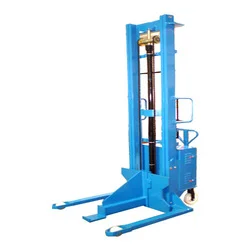
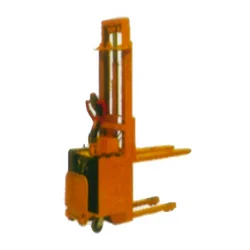
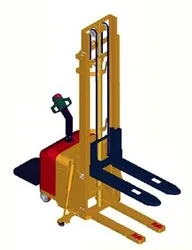
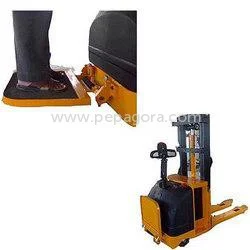
Electric Stackers
23 products available
𝗪𝗵𝗮𝘁 𝗮𝗿𝗲 𝗘𝗹𝗲𝗰𝘁𝗿𝗶𝗰 𝗦𝘁𝗮𝗰𝗸𝗲𝗿𝘀?
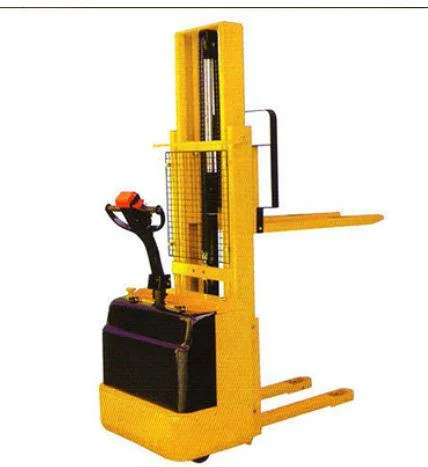
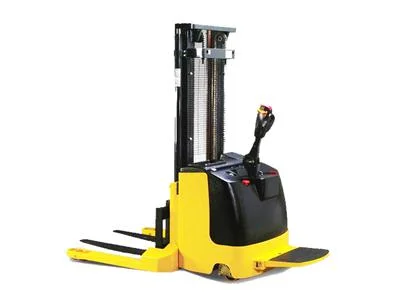
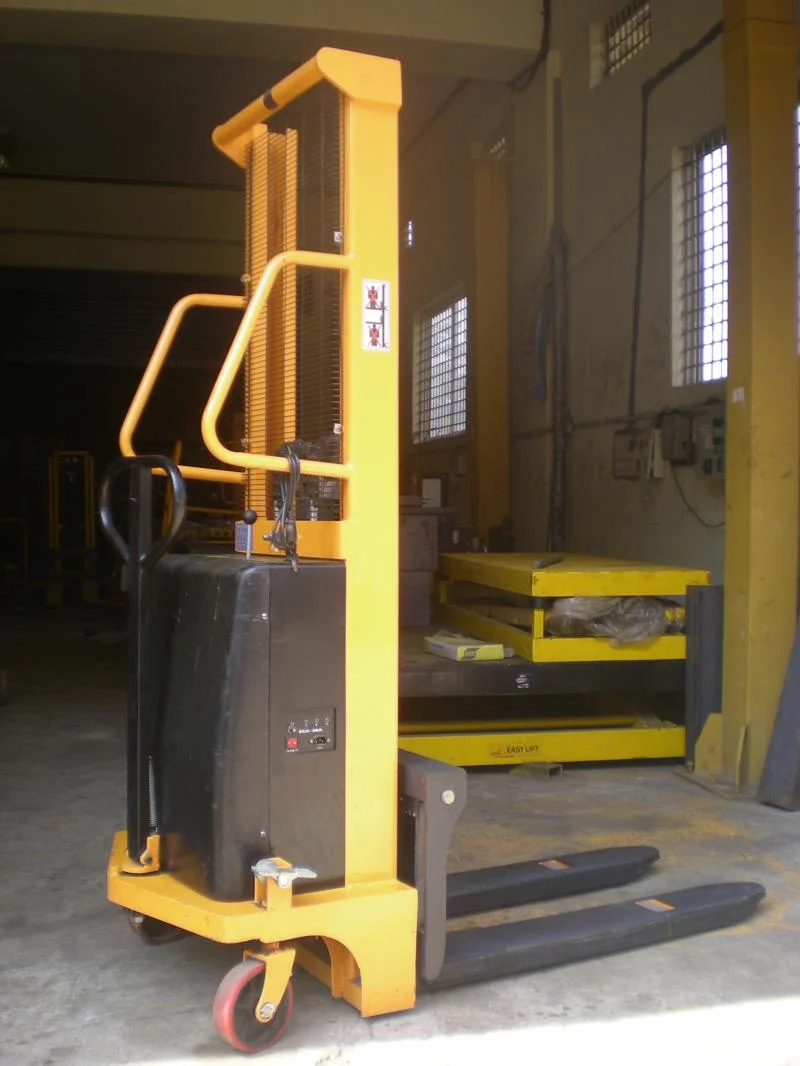
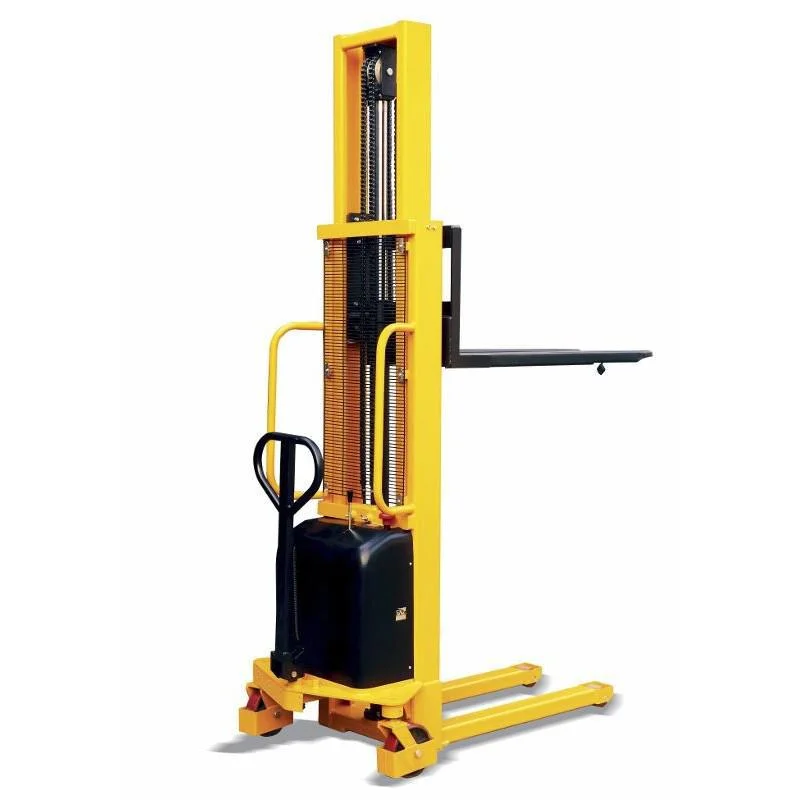
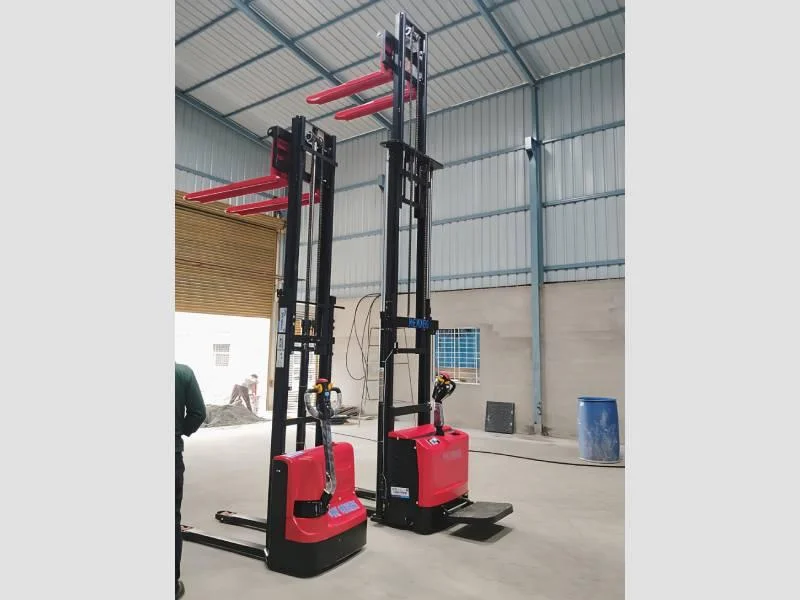
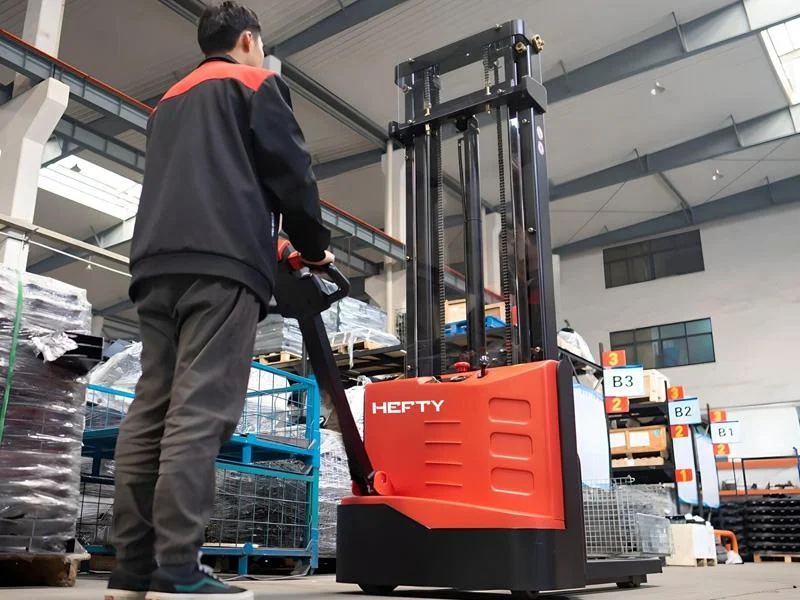
Electric stackers are material handling equipment designed to lift and transport goods within warehouses, factories, and retail environments. They operate on electric power, providing an efficient and environmentally friendly alternative to traditional gas or diesel-powered forklifts. Electric stackers are equipped with forks that can be raised and lowered to stack pallets or other loads to varying heights, making them versatile for different storage and retrieval tasks.
These machines are primarily used for moving items in tight spaces, where larger vehicles may not be able to operate effectively. Common applications include loading and unloading trucks, organizing inventory in warehouses, and facilitating order picking processes. Electric stackers are especially beneficial in environments that require frequent lifting and transporting of goods, enhancing productivity and reducing physical strain on operators.
In the current market, electric stackers are gaining traction due to the growing emphasis on automation and efficiency in logistics. Companies are increasingly adopting electric stackers to streamline operations and improve safety. As industries evolve, the demand for cost-effective and sustainable material handling solutions continues to rise, positioning electric stackers as a key player in modern industrial settings.
𝗞𝗲𝘆 𝗙𝗲𝗮𝘁𝘂𝗿𝗲𝘀 𝗮𝗻𝗱 𝗦𝗽𝗲𝗰𝗶𝗳𝗶𝗰𝗮𝘁𝗶𝗼𝗻𝘀
Electric stackers come with a range of features and specifications that enhance their usability and performance. Understanding these specifications is crucial for businesses looking to invest in this equipment.
Key specifications include:
1. Load Capacity
- Typical load capacities range from 1,000 kg to 3,000 kg, depending on the model.
- This specification determines the maximum weight the stacker can safely lift and transport.
2. Lifting Height
- Electric stackers can achieve lifting heights between 1.5 meters to 6 meters.
- Higher lifting capabilities allow for better use of vertical storage space.
3. Battery Type
- Most electric stackers use lead-acid or lithium-ion batteries.
- Battery life can vary, with some models offering up to 8 hours of operation on a single charge.
4. Travel Speed
- Typical travel speeds range from 3 km/h to 6 km/h.
- This affects how quickly goods can be moved within a facility.
5. Control Type
- Options include manual control, semi-electric, and fully electric.
- Fully electric models provide ease of use and reduce operator fatigue.
6. Dimensions
- Compact designs are available for narrow aisles.
- Typical dimensions affect maneuverability and storage capabilities.
7. Safety Features
- Common safety features include automatic shut-off, stability controls, and emergency brakes.
- Safety features are critical for protecting operators and preventing accidents.
8. Maintenance Requirements
- Maintenance needs can vary by model, with some requiring regular battery checks and others needing minimal upkeep.
- Regular maintenance extends the lifespan of the equipment.
In summary, understanding the key features and specifications of electric stackers helps businesses select the right model for their specific operational needs.
𝗖𝗼𝗺𝗺𝗼𝗻 𝗔𝗽𝗽𝗹𝗶𝗰𝗮𝘁𝗶𝗼𝗻𝘀 𝗮𝗻𝗱 𝗨𝘀𝗲 𝗖𝗮𝘀𝗲𝘀
Electric stackers are versatile machines used across a variety of industries, providing solutions for numerous material handling challenges.
1. Retail: In retail environments, electric stackers are used for organizing stock on shelves and transporting goods from storage areas to sales floors.
2. Warehousing: Electric stackers facilitate efficient storage and retrieval of pallets, optimizing space in warehouses and allowing for quick access to inventory.
3. Manufacturing: In manufacturing plants, these stackers are essential for moving raw materials and finished products between production lines and storage areas.
4. Logistics: Electric stackers play a crucial role in the logistics sector, where they are employed for loading and unloading shipments, as well as managing inventory in distribution centers.
5. Food and Beverage: In the food and beverage industry, electric stackers are used to handle pallets of products, ensuring compliance with safety and hygiene standards.
6. Pharmaceuticals: These machines assist in transporting sensitive products while minimizing contamination risks, making them ideal for pharmaceutical applications.
7. Construction: Electric stackers are increasingly used in construction sites for transporting materials, offering a safer alternative to manual handling.
𝗣𝗿𝗼𝗱𝘂𝗰𝘁 𝗩𝗮𝗿𝗶𝗮𝗻𝘁𝘀 𝗮𝗻𝗱 𝗦𝘂𝗯𝗰𝗮𝘁𝗲𝗴𝗼𝗿𝗶𝗲𝘀
Electric stackers are available in various configurations to suit different operational requirements. Each variant may offer distinct features tailored to specific applications.
Standard Electric Stackers
These stackers are designed for general use in warehouses and retail environments. They feature a basic design suitable for most lifting and transporting tasks, making them a versatile choice for many businesses.
Heavy-Duty Electric Stackers
Heavy-duty models are built for handling larger loads and are suitable for industrial applications. They often come with enhanced stability and lifting capabilities, making them ideal for manufacturing and logistics environments.
Compact Electric Stackers
Designed for narrow aisles and tight spaces, compact electric stackers offer maneuverability without sacrificing load capacity. They are particularly beneficial for operations in confined areas.
𝗕𝗲𝗻𝗲𝗳𝗶𝘁𝘀 𝗮𝗻𝗱 𝗔𝗱𝘃𝗮𝗻𝘁𝗮𝗴𝗲𝘀
Electric stackers offer numerous benefits that make them an attractive choice for businesses looking to improve their material handling processes.
1. Improved Efficiency: Electric stackers streamline operations by allowing for quick and easy movement of goods, saving time and labor costs.
2. Enhanced Safety: With built-in safety features, electric stackers reduce the risk of accidents and injuries in the workplace, promoting a safer working environment.
3. Reduced Environmental Impact: Being electric, these stackers produce no harmful emissions, making them a more sustainable option compared to traditional fuel-powered equipment.
4. Lower Operating Costs: Electric stackers can lead to lower operating costs over time due to reduced fuel expenses and lower maintenance requirements.
5. Ergonomics: Designed with operator comfort in mind, electric stackers reduce physical strain and fatigue, leading to improved productivity and employee satisfaction.
6. Versatility: Suitable for a range of applications, electric stackers can be adapted to various industries, making them a flexible choice for businesses.
𝗕𝘂𝘆𝗶𝗻𝗴 𝗚𝘂𝗶𝗱𝗲 𝗳𝗼𝗿 𝗕𝟮𝗕 𝗕𝘂𝘆𝗲𝗿𝘀
When sourcing electric stackers, it is essential for businesses to consider several key factors to ensure they make an informed decision.
1. Quality Assessment: Evaluate the quality of the stackers by reviewing manufacturer specifications, customer reviews, and performance ratings. Quality equipment is crucial for operational efficiency and safety.
2. Supplier Verification: Vet potential suppliers by checking their reputation, certifications, and customer service record. A reliable supplier will provide support and ensure timely delivery of products.
3. Pricing and MOQ: Understand the pricing structure and minimum order quantity (MOQ) requirements. This helps in budgeting and ensures that your purchase aligns with your financial constraints.
4. Delivery and Lead Times: Confirm the delivery schedules and lead times with suppliers to avoid disruptions in your operations. Timely delivery is critical for maintaining workflow efficiency.
5. Compliance Requirements: Ensure that the electric stackers meet relevant safety and industry standards. Compliance with regulations is essential for operational legitimacy and safety.
𝗖𝗼𝗺𝗽𝗹𝗶𝗮𝗻𝗰𝗲 𝗮𝗻𝗱 𝗖𝗲𝗿𝘁𝗶𝗳𝗶𝗰𝗮𝘁𝗶𝗼𝗻𝘀
Electric stackers must adhere to various compliance and certification standards, ensuring they meet safety and quality benchmarks.
Key quality standards include ISO 9001, which focuses on quality management systems, ensuring that manufacturers maintain high production quality. Compliance with HACCP and GDP standards is also crucial in industries such as food and pharmaceuticals, where safety and hygiene are paramount.
Electric stackers typically hold CE certification, indicating that they meet European safety, health, and environmental protection standards. This certification is essential for products sold in the European market, enhancing consumer trust.
Safety testing requirements vary by region, and stackers must undergo rigorous assessments to ensure they operate safely under different conditions. Businesses should also consider regional compliance requirements, as these can differ based on local regulations and industry standards.
𝗪𝗵𝘆 𝗦𝗼𝘂𝗿𝗰𝗲 𝗘𝗹𝗲𝗰𝘁𝗿𝗶𝗰 𝗦𝘁𝗮𝗰𝗸𝗲𝗿𝘀 𝗳𝗿𝗼𝗺 𝗣𝗲𝗽𝗮𝗴𝗼𝗿𝗮?
Pepagora provides a trusted platform for sourcing electric stackers, offering several key advantages for B2B buyers.
Verified Supplier Network: Pepagora connects businesses with a network of verified suppliers, ensuring that customers can find reputable manufacturers with quality products. This verification process builds trust and facilitates smooth transactions.
Streamlined RFQ Process: The Request for Quotation (RFQ) system allows buyers to submit their specifications and receive competitive quotes from multiple suppliers. This streamlined process saves time and provides options for better pricing.
Trade Assurance and Support: Pepagora offers trade assurance to protect buyers during transactions. This support provides peace of mind, knowing that there are safeguards in place should any issues arise.
Regional Coverage: With a strong presence in India, the GCC, and Southeast Asia, Pepagora supports businesses across diverse geographic regions. This wide coverage ensures that buyers can access electric stackers suited to their local market needs, enhancing operational efficiency.
Newly Added





Recently Added
Hefty Industrial Equipment
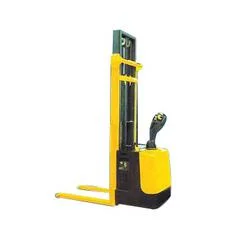
Warehouse Electric Stacker 1.5 2T Capacity 6m Lift Height 5 6H Runtime
CTL15 VNA Forklift Narrow Aisle High Density Storage 13m Lift
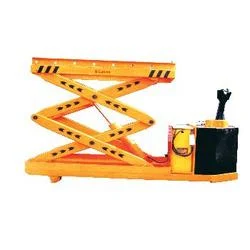
Trackless Transfer Car BWP Type Heavy Load Handling With Safety Features
Force Lift Materials Movement
Warehouse 1.5 Ton Hybrid Pallet Truck With 20Ah Lithium Battery
Warehouse Hand Pallet Truck 1500kg Walkie 24V Li Battery
High Lift Pallet Truck 1000kg Capacity 800mm Lifting Height Manual Electric
Aditiya Machines Company
Mobile Hydraulic Ramp Machine 1000 1600mm 9 16 Ton Loading
Hand Hydraulic Stacker For Warehouse Efficiency With Push Pull Mobility
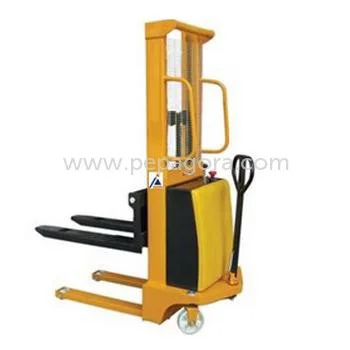
Battery Operated Electric Stacker for Efficient Material Handling
Aakash Engineers
Industrial Material Handling PU Wheels With Metal Core
Industrial Medium Duty Caster Wheels With PU UHMW Fiber Rubber
Hydraulic Pallet Truck For Warehousing Material Handling Lightweight
Annapurna Trollies Private Limited
Industrial Rotated Hydraulic Floor Crane Durable Metal Material Handling
Industrial Jib Crane Metal Standard Easy Install Durable Material Handling
Industrial Manual Hydraulic Floor Crane 500 3000 Kg Metal Durable
Bhaskara Handling Technologies
Industrial Hydraulic Hand Pallet Trucks For Material Handling
Industrial Scissor Lifting Platforms For Euro Pallet Positioning
Industrial Battery Operated Stacker For Efficient Material Handling
Marshal Hydraulics
Industrial Weighing Pallet Trucks For Warehouse Logistics
Industrial Hydraulic Beam Hand Pallet Truck For Heavy Duty Material Handling
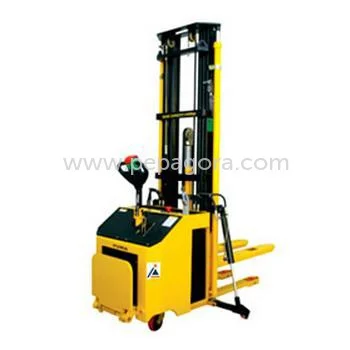
Premium Electric Stackers For Efficient Warehouse Material Handling
Besto Handling System Company
Premium Material Handling Equipment Supplier In Chennai
Material Handling Equipment Rentals For Warehouses And Logistics
Professional Garage Heavy Duty Vehicle Scissor Lift For Cars SUVs
Bamrah Brothers
Commercial Escalators With Transparent Balustrade Glass And Teflon Coating
Bamrah Brothers Dumbwaiters for Hotels Restaurants Commercial Facilities
Industrial Automation Retiring Cam Sub Assembly For Precision Motion Control
Lalesh Industries
Apparel Industry Special Purpose Trolleys For Heavy Duty Material Handling
Industrial Hydraulic Power Packs For Quiet Efficient Operation
Industrial Hydraulic Power Packs Stainless Steel Durable
Why Businesses Trust Pepagora
Thousands of companies trust Pepagora to source smarter and sell faster
Expand Your Sales Globally
25000+Products listed.Get discovered by global buyers
Tools to boost visibility
Build your own catalog

Source Smarter,Grow Faster
4000+Active RFQs
100+ Countries served
Easy Sourcing Tools
