
 IN
INundefined
Electric Ovens
2 products available
𝗪𝗵𝗮𝘁 𝗮𝗿𝗲 𝗘𝗹𝗲𝗰𝘁𝗿𝗶𝗰 𝗢𝘃𝗲𝗻𝘀?
Electric ovens are appliances that use electric heating elements to cook food. Unlike traditional gas ovens, which rely on combustion for heat, electric ovens provide consistent and controlled cooking temperatures through electrical resistance. This technology allows for a range of cooking methods, including baking, roasting, and broiling, making them versatile tools in both commercial and residential kitchens.
These ovens are primarily used in various business settings, including restaurants, bakeries, catering services, and food production facilities. Their ability to maintain precise temperatures is crucial for achieving desired cooking results and ensuring food safety. Electric ovens are particularly popular in industries requiring high efficiency and reliability, as they typically feature faster preheating times and more even cooking compared to their gas counterparts.
In the current market, electric ovens are experiencing increasing demand due to the growth of the food service industry and the trend toward energy-efficient cooking appliances. As businesses seek to improve operational efficiency and reduce energy costs, electric ovens offer an attractive solution that aligns with modern culinary practices.
𝗞𝗲𝘆 𝗙𝗲𝗮𝘁𝘂𝗿𝗲𝘀 𝗮𝗻𝗱 𝗦𝗽𝗲𝗰𝗶𝗳𝗶𝗰𝗮𝘁𝗶𝗼𝗻𝘀
Electric ovens come with a variety of features designed to enhance usability and performance. Understanding these specifications is essential for selecting the right model for specific business needs.
Key specifications include:
1. Temperature Control
- Provides precise temperature settings for accurate cooking results.
- Typically ranges from 150°F to 500°F.
2. Cooking Capacity
- Indicates the volume of food that can be cooked at one time.
- Usually measured in cubic feet, ranging from 2 to 10 cubic feet.
3. Heating Elements
- Electric ovens commonly feature both top and bottom heating elements for even cooking.
- Some models may include convection fans for enhanced air circulation.
4. Energy Efficiency
- Many electric ovens are designed to consume less energy than traditional models.
- Energy Star ratings may be available for certain units.
5. Safety Features
- Includes automatic shut-off and temperature limiting devices to prevent overheating.
- Some models may also include child safety locks.
6. Control Type
- Available in digital or manual controls for ease of use.
- Digital models may offer programmable settings for convenience.
7. Interior Material
- Interiors are often made of stainless steel or enamel for easy cleaning.
- Some models may feature non-stick surfaces.
8. Warranty and Support
- Most manufacturers provide warranties that can range from one to five years.
- Customer support availability varies by brand.
Electric ovens provide a blend of innovation and reliability, making them a preferred choice for many businesses.
𝗖𝗼𝗺𝗺𝗼𝗻 𝗔𝗽𝗽𝗹𝗶𝗰𝗮𝘁𝗶𝗼𝗻𝘀 𝗮𝗻𝗱 𝗨𝘀𝗲 𝗖𝗮𝘀𝗲𝘀
Electric ovens find applications across numerous industries, demonstrating their versatility in cooking methods.
1. Restaurant Industry: Electric ovens are widely used in restaurants for baking pastries, roasting meats, and preparing a variety of dishes. Their precise temperature control ensures consistent results.
2. Bakery Sector: Bakeries utilize electric ovens to bake bread, cakes, and pastries. The even heat distribution allows for optimal rising and browning.
3. Catering Services: Catering companies rely on electric ovens to prepare large quantities of food efficiently, ensuring that meals are cooked to perfection for events and gatherings.
4. Food Production: Electric ovens are essential in food processing plants for cooking pre-packaged meals and snacks. Their reliability supports high-volume production requirements.
5. Educational Institutions: Schools and colleges often use electric ovens in their culinary programs to teach cooking techniques and food safety.
6. Healthcare Facilities: Hospitals and nursing homes employ electric ovens to prepare nutritious meals for patients, focusing on hygiene and safety in food preparation.
7. Residential Use: Many households use electric ovens for everyday cooking, baking, and meal prep, making them a staple in modern kitchens.
𝗣𝗿𝗼𝗱𝘂𝗰𝘁 𝗩𝗮𝗿𝗶𝗮𝗻𝘁𝘀 𝗮𝗻𝗱 𝗦𝘂𝗯𝗰𝗮𝘁𝗲𝗴𝗼𝗿𝗶𝗲𝘀
Electric ovens come in various configurations to meet different cooking needs.
Conventional Electric Ovens: These are standard models that provide basic baking and roasting functions. They are ideal for general cooking and are often found in residential and commercial kitchens.
Convection Ovens: Featuring built-in fans, convection ovens circulate hot air for even cooking. They are suitable for baking and roasting, providing faster cooking times and superior results.
Commercial Electric Ovens: Designed for heavy-duty use, these ovens can handle larger capacities and are built to withstand the demands of busy kitchens. They often have advanced features for high-volume cooking.
𝗕𝗲𝗻𝗲𝗳𝗶𝘁𝘀 𝗮𝗻𝗱 𝗔𝗱𝘃𝗮𝗻𝘁𝗮𝗴𝗲𝘀
Electric ovens offer several benefits that make them appealing to businesses and consumers alike.
1. Consistent Cooking: Electric ovens provide even heat distribution, resulting in consistent cooking results across all dishes.
2. Energy Efficiency: Many models are designed to use less electricity than traditional ovens, helping to reduce energy costs over time.
3. Ease of Use: With features like digital controls and programmable settings, electric ovens are user-friendly and simplify the cooking process.
4. Versatile Cooking Methods: Electric ovens can handle a variety of cooking tasks, from baking to broiling, making them versatile for different culinary needs.
5. Safety Features: Equipped with safety mechanisms, electric ovens minimize the risk of accidents, making them suitable for commercial environments.
6. Low Maintenance: Electric ovens typically require less maintenance than gas ovens, as they do not have burners that need cleaning.
𝗕𝘂𝘆𝗶𝗻𝗴 𝗚𝘂𝗶𝗱𝗲 𝗳𝗼𝗿 𝗕𝟮𝗕 𝗕𝘂𝘆𝗲𝗿𝘀
When sourcing electric ovens, it is essential to consider several key factors to ensure a successful purchase.
1. Quality Assessment: Evaluate the build quality and materials used in the oven. Look for established brands known for durability and performance.
2. Supplier Verification: Vet potential suppliers by checking their industry reputation, customer reviews, and compliance with quality standards.
3. Pricing and MOQ: Analyze pricing structures and minimum order quantities to ensure they align with your budget and operational needs.
4. Delivery and Lead Times: Confirm delivery schedules and lead times, especially for bulk orders, to ensure timely availability of products.
5. Compliance Requirements: Ensure that the ovens meet local regulatory standards and certifications to guarantee safety and quality.
𝗖𝗼𝗺𝗽𝗹𝗶𝗮𝗻𝗰𝗲 𝗮𝗻𝗱 𝗖𝗲𝗿𝘁𝗶𝗳𝗶𝗰𝗮𝘁𝗶𝗼𝗻𝘀
Electric ovens must adhere to various quality standards and certifications to ensure safety and performance.
ISO 9001 is a key quality management standard that many manufacturers strive to meet, reflecting their commitment to continuous improvement and customer satisfaction.
HACCP (Hazard Analysis and Critical Control Points) standards apply particularly to food safety in cooking appliances, ensuring that the ovens maintain hygienic conditions during food preparation.
CE certification indicates compliance with European safety standards, reassuring buyers of product safety and reliability.
Additional safety and testing requirements may vary by region, and manufacturers must ensure their products meet these local regulations to be market-ready.
𝗪𝗵𝘆 𝗦𝗼𝘂𝗿𝗰𝗲 𝗘𝗹𝗲𝗰𝘁𝗿𝗶𝗰 𝗢𝘃𝗲𝗻𝘀 𝗳𝗿𝗼𝗺 𝗣𝗲𝗽𝗮𝗴𝗼𝗿𝗮?
Pepagora offers a trustworthy platform for sourcing electric ovens, providing numerous advantages for B2B buyers.
Verified Supplier Network: Pepagora ensures that all suppliers in its network undergo rigorous verification processes to guarantee quality and reliability. This gives buyers confidence in their purchasing decisions.
Streamlined RFQ Process: The request for quotation (RFQ) system simplifies the procurement process, allowing buyers to easily compare offers and find the best deals on electric ovens tailored to their needs.
Trade Assurance and Support: With trade assurance policies, Pepagora offers buyer protection against disputes, ensuring a smooth transaction experience. Support services are also available to assist buyers throughout the sourcing process.
Regional Coverage: Pepagora's extensive reach covers key markets, including India, the GCC, and Southeast Asia. This geographical diversity allows buyers access to a wide range of products and suppliers, enhancing their sourcing options.
Newly Added


Recently Added
Vanya Industries
Commercial Steam Corn Machine Stainless Steel 1.5 KW/HR 36" X 27" X 34"
Commercial Electric Salamander Broiler 24x18x20 4KW Steel Construction
Commercial Chinese Stove 3 Burner 11000 BTU High Volume Kitchen
BHIMBOYS
Bhimboys Softy Ice Cream Machine 10 20L/Hr Commercial Automatic
Commercial Thick Shake Machine For Cafes Restaurants Juice Bars
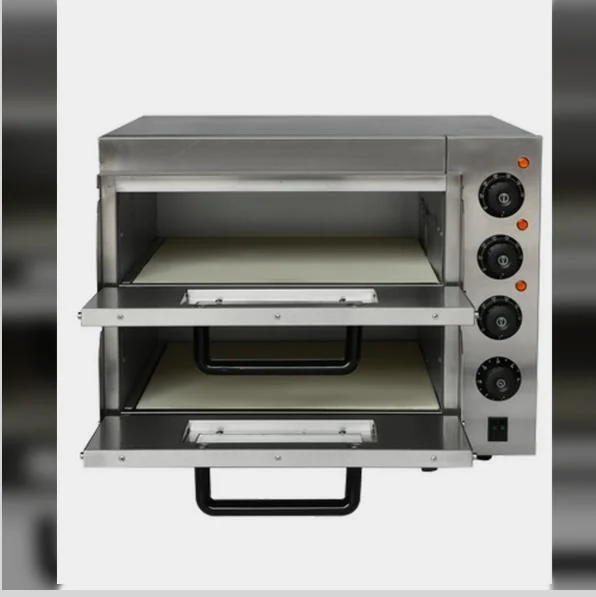
Commercial Electric Pizza Oven Stainless Steel 220V Fast Heating
KVR Industries
Commercial Soft Serve Ice Cream Machine For High Volume Dessert Production
Commercial Automatic Softy Ice Cream Machine For Cafes & Dessert Shops
Commercial Electric Softy Ice Cream Machine with Night Mode for Continuous Operation
Why Businesses Trust Pepagora
Thousands of companies trust Pepagora to source smarter and sell faster
Expand Your Sales Globally
25000+Products listed.Get discovered by global buyers
Tools to boost visibility
Build your own catalog

Source Smarter,Grow Faster
4000+Active RFQs
100+ Countries served
Easy Sourcing Tools
