
 IN
INundefined
Electric Chain Hoists
7 products available
𝗪𝗵𝗮𝘁 𝗮𝗿𝗲 𝗘𝗹𝗲𝗰𝘁𝗿𝗶𝗰 𝗖𝗵𝗮𝗶𝗻 𝗛𝗼𝗶𝘀𝘁𝘀?
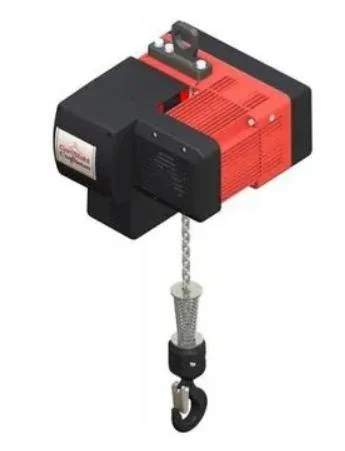
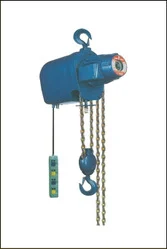
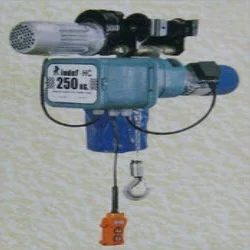
Electric chain hoists are mechanical devices that utilize electric power to lift and lower heavy loads. They consist of a motor, a lifting mechanism, and a chain, allowing for efficient and safe material handling in various industrial settings. These hoists are designed to simplify lifting operations, making them essential for any business that requires heavy lifting capabilities.
Electric chain hoists are commonly used in manufacturing, construction, logistics, and warehousing applications. They facilitate the movement of goods and materials, helping to improve productivity and safety in the workplace. Businesses rely on electric chain hoists to streamline operations, reduce labor costs, and enhance efficiency in material handling processes. Their versatility makes them suitable for a broad spectrum of industries, which further underscores their relevance in today’s market.
The electric chain hoist market has grown significantly due to advancements in technology and increasing demand for automated solutions. As industries continue to evolve, the need for reliable and high-performance equipment like electric chain hoists has become essential. The integration of safety features and compliance with industry standards ensures that these products meet the rigorous demands of modern applications.
𝗞𝗲𝘆 𝗙𝗲𝗮𝘁𝘂𝗿𝗲𝘀 𝗮𝗻𝗱 𝗦𝗽𝗲𝗰𝗶𝗳𝗶𝗰𝗮𝘁𝗶𝗼𝗻𝘀
Electric chain hoists come with a range of features that enhance their functionality and usability. These features are tailored to meet the diverse needs of various industries. The specifications can vary based on the manufacturer and model, so it's crucial to understand what to look for.
Key specifications include:
1. Load Capacity
- This specification indicates the maximum weight the hoist can lift.
- Typically ranges from 250 kg to 10,000 kg.
2. Lifting Height
- Refers to the maximum distance the hoist can lift loads.
- Common heights range from 3 meters to 30 meters.
3. Lifting Speed
- The speed at which the hoist can raise or lower loads.
- Speeds can vary from 2 m/min to 10 m/min.
4. Power Supply
- Indicates the electrical requirements for the hoist.
- Commonly operates on 220V or 380V depending on the model.
5. Control Type
- Refers to how the hoist is operated.
- Options include pendant controls, remote controls, or wireless controls.
6. Duty Cycle
- Describes the frequency and duration of operation.
- Typically ranges from light to heavy-duty cycles.
7. Safety Features
- Includes mechanisms like overload protection, emergency stop buttons, and limit switches.
8. Weight
- The overall weight of the hoist itself, which can affect installation and mobility.
In summary, understanding the key specifications of electric chain hoists is essential for selecting the right model for your specific needs. These features directly impact performance, safety, and suitability for various applications.
𝗖𝗼𝗺𝗺𝗼𝗻 𝗔𝗽𝗽𝗹𝗶𝗰𝗮𝘁𝗶𝗼𝗻𝘀 𝗮𝗻𝗱 𝗨𝘀𝗲 𝗖𝗮𝘀𝗲𝘀
Electric chain hoists are versatile tools utilized across multiple industries for various lifting tasks. Their ability to handle heavy loads safely and efficiently makes them invaluable in many settings.
1. Manufacturing: In manufacturing facilities, electric chain hoists are used to lift heavy machinery, components, and raw materials. They help streamline assembly lines and reduce manual labor.
2. Construction: Electric chain hoists assist in lifting construction materials, tools, and equipment to various heights, enhancing safety and efficiency on job sites.
3. Warehousing: In warehouses, these hoists are employed to move pallets, crates, and large items, optimizing storage and retrieval processes.
4. Shipping and Logistics: Electric chain hoists play a crucial role in loading and unloading cargo from trucks and containers, ensuring quick and safe transport of goods.
5. Automotive: In automotive manufacturing and repair, electric chain hoists are used to lift vehicles for maintenance, repairs, and assembly tasks.
6. Mining: In the mining sector, these hoists are utilized to move heavy equipment and materials, ensuring safe operations in challenging environments.
7. Energy: Electric chain hoists are used in the energy sector for lifting heavy components in power plants and renewable energy installations.
𝗣𝗿𝗼𝗱𝘂𝗰𝘁 𝗩𝗮𝗿𝗶𝗮𝗻𝘁𝘀 𝗮𝗻𝗱 𝗦𝘂𝗯𝗰𝗮𝘁𝗲𝗴𝗼𝗿𝗶𝗲𝘀
Electric chain hoists come in various types to suit different applications and environments. This diversity allows businesses to choose the right model based on their specific needs.
Standard Electric Chain Hoist
This variant is the most common and is designed for general lifting applications. It features a robust construction, reliable performance, and is suitable for various industries.
Explosion-Proof Electric Chain Hoist
Designed for hazardous environments, this variant is built to prevent explosions and withstand harsh conditions. It is ideal for industries such as oil and gas, chemicals, and mining.
Low Headroom Electric Chain Hoist
This variant is specifically designed for spaces with limited headroom. It maximizes lifting height while minimizing vertical space usage, making it suitable for warehouses with low ceilings.
Compact Electric Chain Hoist
This model is lightweight and portable, perfect for applications that require mobility. It is commonly used in maintenance and repair tasks where space is a constraint.
𝗕𝗲𝗻𝗲𝗳𝗶𝘁𝘀 𝗮𝗻𝗱 𝗔𝗱𝘃𝗮𝗻𝘁𝗮𝗴𝗲𝘀
Electric chain hoists offer numerous advantages that enhance productivity and safety in industrial applications. These benefits make them a preferred choice for many businesses.
1. Increased Efficiency: Electric chain hoists automate the lifting process, reducing the time and effort required for manual lifting.
2. Enhanced Safety: With built-in safety features, these hoists minimize the risk of accidents and injuries associated with heavy lifting.
3. Versatility: Electric chain hoists can be used in a variety of applications across different industries, making them adaptable to changing business needs.
4. Reduced Labor Costs: Automating material handling with electric chain hoists can lead to a decrease in labor costs by minimizing the need for manual labor.
5. Improved Precision: Electric chain hoists provide precise control over lifting speeds and movements, allowing for accurate positioning of loads.
6. Durability: Built with high-quality materials, electric chain hoists are designed to withstand heavy use and harsh environmental conditions, ensuring long service life.
𝗕𝘂𝘆𝗶𝗻𝗴 𝗚𝘂𝗶𝗱𝗲 𝗳𝗼𝗿 𝗕𝟮𝗕 𝗕𝘂𝘆𝗲𝗿𝘀
When considering electric chain hoists for your business, it's essential to evaluate several factors to ensure you make an informed decision.
1. Quality Assessment: Look for hoists that comply with industry standards and quality certifications. Prioritize products that have undergone rigorous testing for performance and safety.
2. Supplier Verification: Vet potential suppliers to ensure they have a solid reputation and experience in providing electric chain hoists. Check for customer reviews and testimonials.
3. Pricing and MOQ: Understand the pricing structure and minimum order quantities (MOQ) set by suppliers. Compare costs across different vendors to ensure you receive competitive pricing.
4. Delivery and Lead Times: Inquire about the expected delivery timelines and lead times. Timely delivery is crucial for maintaining project schedules and operational efficiency.
5. Compliance Requirements: Ensure that the hoists meet regional compliance and safety regulations. This may include certifications such as CE, which indicates adherence to European safety standards.
𝗖𝗼𝗺𝗽𝗹𝗶𝗮𝗻𝗰𝗲 𝗮𝗻𝗱 𝗖𝗲𝗿𝘁𝗶𝗳𝗶𝗰𝗮𝘁𝗶𝗼𝗻𝘀
Electric chain hoists must meet various compliance and certification standards to ensure they are safe and effective for industrial applications. These standards can vary by region and industry.
Key quality standards include ISO 9001, which focuses on quality management systems, ensuring that products meet customer and regulatory requirements. Compliance with HACCP and GDP standards may also be necessary, especially in industries related to food safety and pharmaceuticals.
In addition, obtaining industry certifications such as CE is essential for demonstrating compliance with European safety standards. This certification indicates that the hoist meets strict safety and performance criteria, giving buyers confidence in their purchase.
Safety and testing requirements are paramount in ensuring the reliability of electric chain hoists. Regular inspections and maintenance are necessary to keep the hoists functioning safely and effectively. Regional compliance considerations should also be taken into account, as different areas may have specific regulations that impact the operation of electric chain hoists.
𝗪𝗵𝘆 𝗦𝗼𝘂𝗿𝗰𝗲 𝗘𝗹𝗲𝗰𝘁𝗿𝗶𝗰 𝗖𝗵𝗮𝗶𝗻 𝗛𝗼𝗶𝘀𝘁𝘀 𝗳𝗿𝗼𝗺 𝗣𝗲𝗽𝗮𝗴𝗼𝗿𝗮?
Pepagora is a trusted platform for sourcing electric chain hoists, offering numerous advantages that can benefit B2B buyers.
Verified Supplier Network: Pepagora provides a network of verified suppliers, ensuring that buyers can connect with reputable manufacturers and distributors of electric chain hoists. This verification process helps to mitigate risks associated with purchasing.
Streamlined RFQ Process: The platform features an efficient request for quotation (RFQ) system, allowing buyers to easily request and compare quotes from multiple suppliers. This streamlining saves time and helps buyers make informed decisions.
Trade Assurance and Support: Buyers can benefit from trade assurance programs that protect their purchases. Pepagora offers support throughout the purchasing process, ensuring that buyers receive the necessary assistance.
Regional Coverage: Pepagora's extensive coverage includes regions such as India, the Gulf Cooperation Council (GCC), and Southeast Asia. This geographic reach ensures that buyers have access to a wide range of electric chain hoists tailored to their specific market needs.
Newly Added



Recently Added
A One Enterprise
Industrial EOT Cranes For Heavy Duty Lifting And Material Handling
Heavy Duty Wire Rope Hoist HW Model with Safety Features
ISI Marked P Series Chain Pulley Blocks 500kg 10T Capacity ISO 9001
STS Construction Equipments
Construction Diesel Automatic Concrete Mixer 480L Portable
Automatic Hopper Concrete Mixer 400L Capacity Portable MS Construction
Industrial Diesel Concrete Mixer 400L Automatic Construction Equipment
Metalweld Engineering Private Limited
Heavy Duty Spiral Seed Grader 1000 kg/hr Capacity 7 Feet Size
Farm Hand Manual Chaff Cutter with High Carbon Steel Blades
Semi Automatic Hand Wheel Hoe Manual Crank Drive 200 kg/hr Iron
Sree Balaji Engineering Works
Industrial Semi Gantry Crane For Factory Warehouse Material Handling
Industrial Double Girder Crane For Heavy Load Handling With Maximum Safety
Workshop Pillar Mounted Jib Crane 180 360 Rotation Compact Lifting
Sun Cranes And Hoist
Industrial Single Girder EOT Crane 250kg 15T 30m Span Material Handling
Sun Cranes Outdoor Gantry Crane 1T 100T Capacity For Construction & Industrial Yards
Sun Cranes & Hoists Double Girder EOT Crane 100 Ton Capacity
Why Businesses Trust Pepagora
Thousands of companies trust Pepagora to source smarter and sell faster
Expand Your Sales Globally
25000+Products listed.Get discovered by global buyers
Tools to boost visibility
Build your own catalog

Source Smarter,Grow Faster
4000+Active RFQs
100+ Countries served
Easy Sourcing Tools
