
 IN
INundefined
Electric Arc Furnaces (EAF)
224 products available
What are Electric Arc Furnaces (EAF)?
Electric Arc Furnaces (EAF) are advanced industrial equipment used primarily for melting and refining ferrous and non-ferrous metals. They operate by using electrical energy to generate heat, which is then used to melt scrap metal or other materials. The process involves creating an electric arc between the electrodes and the charge, leading to efficient heat generation and metal processing. EAFs are favored for their flexibility, energy efficiency, and reduced environmental impact compared to traditional blast furnaces.
These furnaces are commonly used in various sectors, including steelmaking, foundries, and recycling operations. Their ability to handle a wide range of materials makes them ideal for producing high-quality steel and alloy products. Additionally, EAFs are increasingly utilized in industries focused on sustainability, as they allow for the recycling of scrap metals, thus conserving natural resources. The growing demand for steel and other metals in construction, automotive, and manufacturing sectors further underscores the relevance of EAF technology in today's market.
𝗞𝗲𝘆 𝗙𝗲𝗮𝘁𝘂𝗿𝗲𝘀 𝗮𝗻𝗱 𝗦𝗽𝗲𝗰𝗶𝗳𝗶𝗰𝗮𝘁𝗶𝗼𝗻𝘀
Electric Arc Furnaces are designed with several key features that enhance their performance and efficiency. These furnaces incorporate advanced technology for optimal operation and safety. The specifications of EAFs can vary based on the manufacturer and intended application.
Key specifications include:
1. Power Consumption
- Typically ranges from 5 to 200 megawatts
- Dependent on furnace size and operational requirements
2. Melting Capacity
- Capacities can range from 5 to 400 tons per heat
- Size selection based on production needs
3. Electrode Type
- Graphite electrodes are commonly used
- Various sizes available depending on application
4. Control Systems
- Equipped with advanced automation and monitoring systems
- Real-time data tracking for efficient operations
5. Cooling Systems
- Water-cooled electrode and furnace lining
- Enhances performance and prolongs equipment life
6. Emission Controls
- Systems in place to manage air quality
- Compliance with environmental regulations
In summary, Electric Arc Furnaces are high-capacity equipment designed to meet diverse industrial needs, with specifications tailored to enhance efficiency and reduce environmental impact.
𝗖𝗼𝗺𝗺𝗼𝗻 𝗔𝗽𝗽𝗹𝗶𝗰𝗮𝘁𝗶𝗼𝗻𝘀 𝗮𝗻𝗱 𝗨𝘀𝗲 𝗖𝗮𝘀𝗲𝘀
Electric Arc Furnaces find applications across various industries due to their versatility and efficiency.
1. Steel Manufacturing: EAFs are extensively used in steel production, allowing for the recycling of scrap steel and the production of new steel alloys.
2. Foundries: These furnaces are essential in foundries for melting and casting metals into specific shapes and forms.
3. Automotive Industry: EAFs facilitate the production of high-strength steel components required in vehicle manufacturing.
4. Heavy Equipment: They are utilized in producing parts for heavy machinery, ensuring strength and durability.
5. Construction: EAFs support the production of steel rebar and structural steel used in construction projects.
6. Aerospace: The aerospace industry relies on EAFs for producing lightweight, high-performance metal components.
7. Electrical Equipment: EAFs are used to create various electrical components, ensuring reliability and quality.
𝗣𝗿𝗼𝗱𝘂𝗰𝘁 𝗩𝗮𝗿𝗶𝗮𝗻𝘁𝘀 𝗮𝗻𝗱 𝗦𝘂𝗯𝗰𝗮𝘁𝗲𝗴𝗼𝗿𝗶𝗲𝘀
Electric Arc Furnaces can vary based on design and functionality, catering to specific industrial needs.
Standard EAF
This variant is designed for general steelmaking applications. It features a robust structure and versatile melting capabilities, making it suitable for various scrap materials.
High-Power EAF
Designed for higher capacity and efficiency, this variant is ideal for large-scale operations. It incorporates advanced technology for faster melting and improved energy efficiency.
Vacuum Arc Furnace (VAF)
This specialized variant is used for melting metals in a vacuum environment. It is particularly beneficial for producing high-purity alloys and is commonly used in aerospace and electronics industries.
𝗕𝗲𝗻𝗲𝗳𝗶𝘁𝘀 𝗮𝗻𝗱 𝗔𝗱𝘃𝗮𝗻𝘁𝗮𝗴𝗲𝘀
Electric Arc Furnaces offer numerous advantages for businesses looking to enhance their metal production processes.
1. Energy Efficiency: EAFs consume less energy compared to traditional methods, leading to cost savings and reduced environmental impact.
2. Flexibility: These furnaces can process a wide range of materials, allowing manufacturers to adapt to changing market demands.
3. Environmental Compliance: EAFs are equipped with emission control systems, helping companies meet regulatory standards and reduce their carbon footprint.
4. High-Quality Output: The precise control of temperature and composition ensures the production of high-quality metals and alloys.
5. Reduced Raw Material Dependency: By utilizing scrap metal, EAFs decrease reliance on virgin materials, promoting sustainability.
6. Shorter Production Cycles: EAFs can melt and refine materials quickly, increasing overall productivity in manufacturing processes.
𝗕𝘂𝘆𝗶𝗻𝗴 𝗚𝘂𝗶𝗱𝗲 𝗳𝗼𝗿 𝗕𝟮𝗕 𝗕𝘂𝘆𝗲𝗿𝘀
When sourcing Electric Arc Furnaces (EAF), it is essential to consider various factors to ensure a successful purchase.
1. Quality Assessment: Evaluate the quality of the EAF by reviewing technical specifications, customer reviews, and industry certifications.
2. Supplier Verification: Ensure that suppliers are reputable and verified. Look for established manufacturers with a proven track record in the industry.
3. Pricing and MOQ: Consider the price range and minimum order quantity (MOQ) that fits your budget and production needs.
4. Delivery and Lead Times: Assess the supplier's ability to meet your delivery schedules and lead times to avoid disruptions in production.
5. Compliance Requirements: Check for compliance with local and international standards, including safety and environmental regulations.
𝗖𝗼𝗺𝗽𝗹𝗶𝗮𝗻𝗰𝗲 𝗮𝗻𝗱 𝗖𝗲𝗿𝘁𝗶𝗳𝗶𝗰𝗮𝘁𝗶𝗼𝗻𝘀
Electric Arc Furnaces are subject to various quality standards and certifications to ensure safety and efficiency in operation.
ISO 9001 is a widely recognized standard that focuses on quality management systems, ensuring that manufacturers maintain high-quality production processes.
The CE mark indicates compliance with European health, safety, and environmental protection standards, assuring buyers of the product's reliability in the market.
Safety and testing requirements are critical in the manufacturing and operation of EAFs. Regular inspections and adherence to safety protocols are necessary to minimize risks and ensure safe operation.
Regional compliance considerations may vary, so it is essential for manufacturers to stay updated with local regulations and industry standards to ensure their products are compliant.
Why Source Electric Arc Furnaces (EAF) from Pepagora?
Pepagora provides a trusted platform for sourcing Electric Arc Furnaces (EAF) with several key advantages.
Verified Supplier Network: Pepagora connects buyers with verified suppliers, ensuring that you have access to quality EAF products from reputable manufacturers.
Streamlined RFQ Process: The platform offers a simplified request for quotation (RFQ) process, making it easy for buyers to compare options and select the best fit for their needs.
Trade Assurance and Support: Pepagora provides trade assurance, safeguarding buyer transactions and ensuring support throughout the purchasing process.
Regional Coverage: With a broad reach across India, the GCC, and Southeast Asia, Pepagora facilitates connections with local suppliers, offering convenience and access to regional expertise.
Newly Added





Recently Added
Victory Sensors
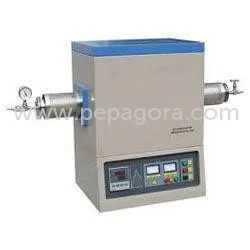
Industrial Muffle Furnace For High Temperature Heat Treatment
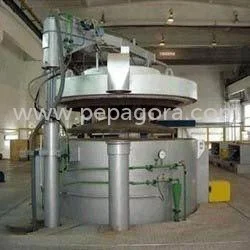
Industrial Circular Furnaces For Precise Heat Treatment
Industrial & Educational Aluminum Melting Furnace for Workshops & Labs
Vinayak Industries
Industrial Chemical Heaters For Alkaline Acid Solutions
Industrial High Watt Density Cartridge Heaters For Plastic Molding
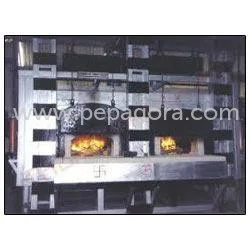
Industrial Furnace For Alloy Heat Treatment And Metal Melting
Pradeep Industries
Industrial Powder Coating Booth And Spinning Machine For Metal And Textile
Industrial Pressure Cooker Tester And Sealing Machine For Zero Leakage Quality Control
Industrial Ovens And Sauna Heater Tanks With SS MS Materials
Vibrant Thermal Engineering
Industrial Oil Fired Bogie Hearth Furnace for Forging and Heat Treatment
Industrial Electrically Heated Bogie Hearth Furnace for Heat Treatment
Industrial Car Bottom Furnace for Heat Treatment Annealing Normalizing
Pooja Scientific Instruments
Industrial High Temperature Muffle Furnace 1400C Digital Control
Digital Bomb Calorimeter for Coal Biofuels Chemicals Testing
Industrial Digital Colony Counter for Microbial Counting OEM Supply
Mammon Furnace & Fabricatiors Co
Industrial Cupola Furnace For Foundries Melting Iron Alloys Efficient Durable
Ladle Furnace For Precise Temperature Control In Molten Steel Processing
Industrial Paper Board Mill Machine For High Volume Production
Pees Induction Equipments P Ltd
Industrial High Temperature Induction Furnace For Metal Melting
Industrial Double Track Metal Melting Furnace For Alloys High Efficiency
Industrial Single Track Induction Melting Furnace For Metal Processing
Neat Wind Industries
Industrial Pit Type Ovens for Heat Treatment Annealing and Curing
Industrial Electrical Ovens For Precise Heating Drying And Curing
Industrial Rotary Curing Oven For Varnish Baking And Drying
Patel Enterprises
Premium Den Conveyor Heavy Duty Material Handling For Industrial Sectors
Industrial Belt Conveyor Systems For Efficient Material Handling
Industrial Heat Exchangers High Performance Thermal Efficiency Reliability
Powercon Superheat Pvt Ltd
Industrial Bar And Billet Induction Heaters For Forging, Extrusion, Rolling
Industrial HFT Induction Coils For Heating Hardening Annealing Brazing
Premium Induction Melting Furnaces For Foundries And Steel Plants
Why Businesses Trust Pepagora
Thousands of companies trust Pepagora to source smarter and sell faster
Expand Your Sales Globally
25000+Products listed.Get discovered by global buyers
Tools to boost visibility
Build your own catalog

Source Smarter,Grow Faster
4000+Active RFQs
100+ Countries served
Easy Sourcing Tools
