
 IN
INundefined
Egg Grading Machines
4 products available
𝗪𝗵𝗮𝘁 𝗮𝗿𝗲 𝗘𝗴𝗴 𝗚𝗿𝗮𝗱𝗶𝗻𝗴 𝗠𝗮𝗰𝗵𝗶𝗻𝗲𝘀?
Egg grading machines are specialized equipment designed to sort and classify eggs based on size, weight, and quality. These machines automate the grading process, which traditionally required manual labor, thus increasing efficiency and accuracy in egg production facilities. Egg grading machines can handle various types of eggs, including chicken, duck, and quail eggs, making them essential for both small-scale and large-scale egg producers.
These machines are primarily used in commercial poultry farms, egg processing plants, and packing facilities. They help ensure that eggs meet specific market standards before they reach consumers. By grading eggs, producers can enhance their product quality, improve customer satisfaction, and maximize profits. In a competitive marketplace, the use of egg grading machines is crucial for maintaining a high level of operational efficiency and product consistency.
As the global demand for eggs continues to rise, the egg grading machine industry has become increasingly relevant. With advancements in technology, these machines are becoming more sophisticated, incorporating features such as automated sorting, data monitoring, and enhanced safety measures. The market for egg grading machines is expected to grow as producers seek to optimize their operations and adhere to quality standards.
𝗞𝗲𝘆 𝗙𝗲𝗮𝘁𝘂𝗿𝗲𝘀 𝗮𝗻𝗱 𝗦𝗽𝗲𝗰𝗶𝗳𝗶𝗰𝗮𝘁𝗶𝗼𝗻𝘀
Egg grading machines come with a variety of features designed to enhance their functionality and efficiency. The key specifications help buyers understand what to expect in terms of performance and capabilities.
Key specifications include:
1. Capacity
- Refers to the number of eggs the machine can process per hour.
- Common ranges are from 1,000 to 30,000 eggs per hour.
2. Grading Accuracy
- Indicates the precision of the grading process.
- Typically, accuracy rates are above 98%.
3. Weight Range
- Specifies the weight categories that the machine can sort.
- Ranges can vary from 40 grams to over 70 grams for standard eggs.
4. Size Classification
- Describes how the machine categorizes eggs by size.
- Common size categories include small, medium, large, and extra-large.
5. Automation Level
- Refers to the extent of automation in the grading process.
- Machines can be fully automated or semi-automated.
6. Material Quality
- Indicates the quality and durability of materials used in construction.
- Stainless steel is commonly used for its corrosion resistance.
7. Power Requirements
- Specifies the electrical power needed for operation.
- Typically ranges between 220V and 440V.
8. Compliance Standards
- Indicates adherence to relevant industry standards and certifications.
- Many machines comply with CE certification for safety.
In summary, understanding these key features and specifications can guide buyers in selecting the right egg grading machine to meet their operational needs.
𝗖𝗼𝗺𝗺𝗼𝗻 𝗔𝗽𝗽𝗹𝗶𝗰𝗮𝘁𝗶𝗼𝗻𝘀 𝗮𝗻𝗱 𝗨𝘀𝗲 𝗖𝗮𝘀𝗲𝘀
Egg grading machines find applications across various industries, enhancing productivity and quality control.
1. Poultry Farms: These machines are crucial for grading eggs on-site, allowing farms to efficiently sort and package their products for sale.
2. Egg Processing Plants: High-capacity grading machines are used to prepare eggs for further processing, such as pasteurization and packaging.
3. Food Retailers: Supermarkets and grocery stores utilize egg grading machines to ensure that eggs sold to consumers are accurately categorized and of consistent quality.
4. Export Companies: Businesses that export eggs rely on grading machines to meet international quality standards and certifications.
5. Organic and Free-Range Producers: Specialized grading machines help these producers maintain the integrity and quality of their niche products.
6. Egg Distribution Centers: These facilities use grading machines to streamline operations and ensure accurate stock management.
7. Research and Development: Institutions focusing on poultry science utilize grading machines for studies related to egg production and quality.
𝗣𝗿𝗼𝗱𝘂𝗰𝘁 𝗩𝗮𝗿𝗶𝗮𝗻𝘁𝘀 𝗮𝗻𝗱 𝗦𝘂𝗯𝗰𝗮𝘁𝗲𝗴𝗼𝗿𝗶𝗲𝘀
Egg grading machines come in various models and configurations to meet different operational needs.
Automatic Egg Grading Machine
This variant is designed for high-volume processing and features advanced automation. It can sort eggs based on multiple criteria, including weight and size, minimizing human intervention.
Semi-Automatic Egg Grading Machine
Ideal for smaller operations, this variant allows for some manual input while still providing efficiency. It combines automation with hands-on control, making it suitable for farms looking to balance cost and productivity.
Portable Egg Grading Machine
This compact model is designed for smaller farms or mobile operations. Its lightweight design makes it easy to transport while still offering essential grading functions.
𝗕𝗲𝗻𝗲𝗳𝗶𝘁𝘀 𝗮𝗻𝗱 𝗔𝗱𝘃𝗮𝗻𝘁𝗮𝗴𝗲𝘀
Investing in egg grading machines offers numerous advantages to poultry producers and processors.
1. Increased Efficiency: Automating the grading process significantly reduces the time and labor required, allowing producers to focus on other critical tasks.
2. Enhanced Quality Control: Grading machines ensure that only high-quality eggs reach the market, improving customer satisfaction and brand reputation.
3. Cost Savings: By minimizing labor costs and reducing errors, these machines can lead to substantial savings over time.
4. Consistency in Product Quality: Automated grading allows for uniformity in egg size and weight, meeting market standards and consumer expectations.
5. Compliance with Standards: Utilizing egg grading machines helps producers adhere to industry regulations and quality certifications, facilitating smoother operations.
6. Data Collection and Monitoring: Many modern machines offer features that allow for tracking production data, aiding in decision-making and operational improvements.
𝗕𝘂𝘆𝗶𝗻𝗴 𝗚𝘂𝗶𝗱𝗲 𝗳𝗼𝗿 𝗕𝟮𝗕 𝗕𝘂𝘆𝗲𝗿𝘀
When sourcing egg grading machines, buyers should consider several critical factors to make informed decisions.
1. Quality Assessment: Assess the machine's build quality, including materials used and durability. Look for reviews and testimonials from other users to gauge performance.
2. Supplier Verification: Vet suppliers to ensure they have a track record of reliability and customer service. It's essential to choose manufacturers known for their quality and support.
3. Pricing and MOQ: Understand the price range for machines that fit your needs. Consider the minimum order quantity (MOQ) and how it aligns with your budget and operational scale.
4. Delivery and Lead Times: Check the estimated delivery times and logistics involved in shipping the machine to your location. Timely delivery is crucial for maintaining production schedules.
5. Compliance Requirements: Ensure that the machine meets relevant regulatory standards in your region, such as CE certification, to avoid compliance issues.
𝗖𝗼𝗺𝗽𝗹𝗶𝗮𝗻𝗰𝗲 𝗮𝗻𝗱 𝗖𝗲𝗿𝘁𝗶𝗳𝗶𝗰𝗮𝘁𝗶𝗼𝗻𝘀
Egg grading machines must adhere to various quality standards and certifications to ensure safety and reliability.
ISO 9001 is a crucial quality management standard that many manufacturers follow to demonstrate their commitment to quality processes. Compliance with HACCP (Hazard Analysis and Critical Control Points) ensures that food safety is maintained throughout the grading process.
CE certification is essential for machinery sold in European markets, indicating that the equipment meets health, safety, and environmental protection standards.
Safety and testing requirements are vital to the operation of egg grading machines. Regular inspections and testing ensure that the machines function correctly and do not pose hazards to operators.
Regional compliance considerations may vary, so it's important for buyers to be aware of local regulations and standards that apply to egg grading equipment in their area.
𝗪𝗵𝘆 𝗦𝗼𝘂𝗿𝗰𝗲 𝗘𝗴𝗴 𝗚𝗿𝗮𝗱𝗶𝗻𝗴 𝗠𝗮𝗰𝗵𝗶𝗻𝗲𝘀 𝗳𝗿𝗼𝗺 𝗣𝗲𝗽𝗮𝗴𝗼𝗿𝗮?
Pepagora provides a trusted platform for sourcing egg grading machines with several key advantages.
Verified Supplier Network: Pepagora connects buyers with a network of verified suppliers, ensuring that manufacturers meet quality standards and are reputable in the industry.
Streamlined RFQ Process: The platform simplifies the request for quotation (RFQ) process, allowing buyers to easily obtain quotes from multiple suppliers. This efficiency helps in making informed purchasing decisions.
Trade Assurance and Support: Pepagora offers trade assurance to protect buyers, providing support throughout the purchasing process. This reassurance helps mitigate risks associated with sourcing machinery.
Regional Coverage: With a strong presence in India, the GCC, and Southeast Asia, Pepagora caters to a wide geographical area. This coverage allows buyers from various regions to access quality egg grading machines and reliable suppliers.
Newly Added
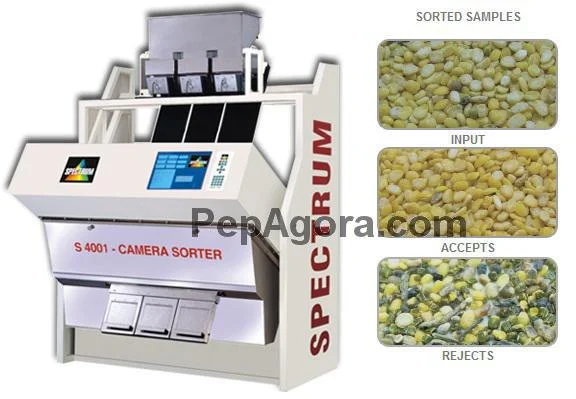


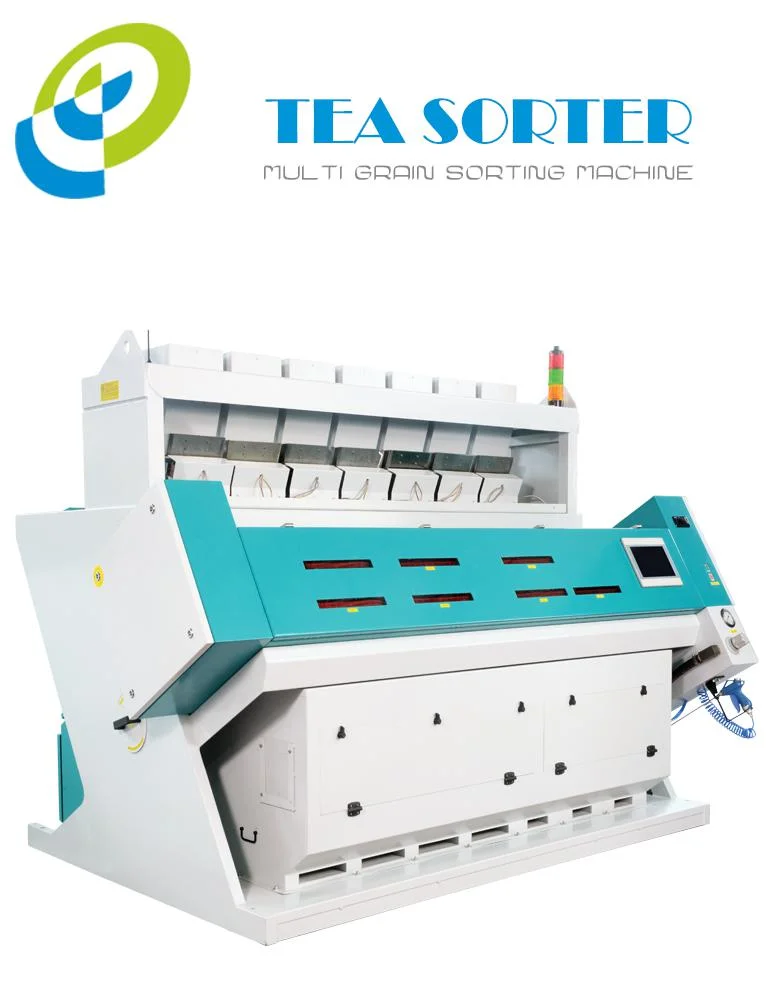

Recently Added
FOWLER WESTRUP (INDIA) PVT LIMITED
High Performance MC C72 Vegetable Color Sorter For Whole Carrots
Food Processing High Performance Biscuit Color Sorter Machine
Agricultural Bulk Grain Storage Galvanized Silo Systems
Perfect Equipments
Rice Mill Paddy Pre Cleaner High Capacity 10 12 TPH Impurity Removal
Rice Mill Paddy Pre Cleaner Double Deck 10 12 TPH Impurity Removal
Rice Mill Paddy Cleaner Machine Efficient Dust Free De Stoning
Orange Sorting Machines (India) Pvt Ltd
Tea Processing Machinery Fully Automatic Sortex Machine 380V 8kW
Fully Automatic Sortex Machine For Food Processing 380V 8kW
Bajra Sortex Machine Self Cleaning High Efficiency Stainless Steel
Spectrum Industries
Fully Automatic Gravity Separator For Food Grains 0.75 1 TPH Capacity
Seed Processing Vibro Cleaner Fully Automatic 1.5 Ton/Hour Capacity
Vibro Grader For Dry Nuts And Grains Fully Automatic High Capacity
Why Businesses Trust Pepagora
Thousands of companies trust Pepagora to source smarter and sell faster
Expand Your Sales Globally
25000+Products listed.Get discovered by global buyers
Tools to boost visibility
Build your own catalog

Source Smarter,Grow Faster
4000+Active RFQs
100+ Countries served
Easy Sourcing Tools
