
 IN
INundefined
Dust Collection Systems
1 products available
𝗪𝗵𝗮𝘁 𝗮𝗿𝗲 𝗗𝘂𝘀𝘁 𝗖𝗼𝗹𝗹𝗲𝗰𝘁𝗶𝗼𝗻 𝗦𝘆𝘀𝘁𝗲𝗺𝘀?
Dust Collection Systems are engineered solutions designed to remove airborne particles and contaminants from industrial environments. These systems play a crucial role in maintaining air quality, ensuring compliance with health and safety regulations, and protecting equipment from dust accumulation. By utilizing various filtration methods and airflow technologies, dust collection systems capture dust particles before they can settle on surfaces or enter the respiratory systems of workers.
These systems are utilized across a wide range of industries, including manufacturing, woodworking, metalworking, and pharmaceuticals. In manufacturing settings, dust collection systems help reduce the risk of fire hazards caused by combustible dust. In woodworking, they effectively manage wood shavings and sawdust, keeping workspaces clean and safe. The importance of dust collection systems is underscored by increasing regulations aimed at improving workplace health standards and minimizing environmental impact, making them a significant investment for businesses.
𝗞𝗲𝘆 𝗙𝗲𝗮𝘁𝘂𝗿𝗲𝘀 𝗮𝗻𝗱 𝗦𝗽𝗲𝗰𝗶𝗳𝗶𝗰𝗮𝘁𝗶𝗼𝗻𝘀
Dust Collection Systems come equipped with various features designed to enhance their efficiency and adaptability in different industrial applications. Understanding these specifications is essential for selecting the right system for your needs.
Key specifications include:
1. Filtration Efficiency
- This specification indicates the system's ability to capture dust particles of varying sizes.
- Typical efficiency ratings range from 80% to 99.9%, depending on the filter type.
2. Airflow Capacity
- Refers to the volume of air the system can handle, usually measured in cubic feet per minute (CFM).
- Systems may range from 500 CFM to over 10,000 CFM based on application requirements.
3. Noise Level
- Indicates the sound produced by the system during operation, measured in decibels (dB).
- Noise levels can vary from 60 dB to 85 dB, influencing workplace comfort.
4. Power Consumption
- Represents the electrical energy required for operation, measured in kilowatts (kW).
- Systems typically consume between 1 kW to 10 kW depending on size and design.
5. Dust Storage Capacity
- Refers to the volume of dust the system can hold before requiring emptying.
- Storage capacities can vary from 10 gallons to over 100 gallons.
6. Filter Type
- Systems may use bag filters, cartridge filters, or cyclonic separators to capture dust.
- Each type has its benefits and is suitable for specific applications.
7. Size and Portability
- Dust collection systems come in various sizes, from portable units for small workshops to large stationary systems for industrial plants.
- Consideration of space and mobility is key when selecting a system.
8. Maintenance Requirements
- This includes how often filters need to be cleaned or replaced and the ease of access for maintenance tasks.
- Some systems feature automatic cleaning mechanisms to reduce downtime.
In summary, understanding the key features and specifications of dust collection systems helps businesses choose the right solution tailored to their operational needs.
𝗖𝗼𝗺𝗺𝗼𝗻 𝗔𝗽𝗽𝗹𝗶𝗰𝗮𝘁𝗶𝗼𝗻𝘀 𝗮𝗻𝗱 𝗨𝘀𝗲 𝗖𝗮𝘀𝗲𝘀
Dust Collection Systems are versatile and can be applied in many industries, each with specific needs.
1. Manufacturing: These systems are essential for capturing dust generated during the production of goods, ensuring a safer and cleaner environment.
2. Woodworking: In woodworking shops, dust collection systems manage wood shavings and sawdust, improving visibility and reducing fire hazards.
3. Metalworking: Metal fabrication processes generate fine particles that can be hazardous; dust collectors help maintain air quality and protect workers.
4. Pharmaceuticals: Cleanroom environments require strict air quality standards, and dust collection systems play a critical role in meeting these requirements.
5. Food Processing: In food production, managing flour, sugar, and other particulates is vital for hygiene and safety, making dust collectors crucial in these settings.
6. Construction: Dust collection systems on construction sites help control silica dust, protecting workers' health and complying with safety regulations.
7. Textile Manufacturing: These systems capture fibers and lint, preventing respiratory issues and maintaining cleanliness in production areas.
𝗣𝗿𝗼𝗱𝘂𝗰𝘁 𝗩𝗮𝗿𝗶𝗮𝗻𝘁𝘀 𝗮𝗻𝗱 𝗦𝘂𝗯𝗰𝗮𝘁𝗲𝗴𝗼𝗿𝗶𝗲𝘀
Dust Collection Systems come in various forms to meet specific needs in multiple industries.
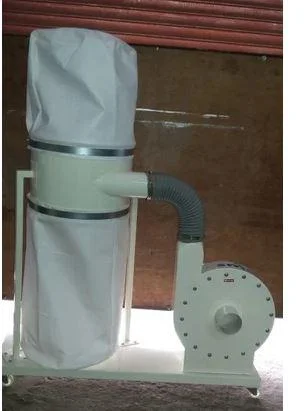
Portable Dust Collectors: These units are designed for mobility, allowing operators to move them easily around a workshop or construction site. They are ideal for small-scale operations or temporary setups.
Stationary Dust Collectors: These systems are fixed in one location and typically handle larger volumes of dust. They are suited for manufacturing plants with continuous production processes.
Central Dust Collection Systems: These are integrated into the facility's infrastructure, providing dust collection from multiple machines simultaneously. They are often used in larger industrial operations.
𝗕𝗲𝗻𝗲𝗳𝗶𝘁𝘀 𝗮𝗻𝗱 𝗔𝗱𝘃𝗮𝗻𝘁𝗮𝗴𝗲𝘀
Implementing Dust Collection Systems offers numerous advantages for businesses looking to ensure a safe and efficient work environment.
1. Improved Air Quality: These systems significantly reduce airborne dust, leading to healthier working conditions and minimizing respiratory issues among employees.
2. Enhanced Safety: By controlling flammable dust, dust collection systems help reduce fire hazards, safeguarding both personnel and property.
3. Increased Equipment Longevity: Dust accumulation can damage machinery; effective dust collection helps in maintaining equipment and prolonging its lifespan.
4. Compliance with Regulations: Dust collection systems assist businesses in meeting occupational health and safety standards, avoiding potential fines and legal issues.
5. Cost Efficiency: Maintaining a clean environment can lead to reduced cleaning costs and increased productivity, making dust collectors a wise investment.
6. Customization Options: Many dust collection systems can be tailored to fit specific operational requirements, ensuring optimal performance.
𝗕𝘂𝘆𝗶𝗻𝗴 𝗚𝘂𝗶𝗱𝗲 𝗳𝗼𝗿 𝗕𝟮𝗕 𝗕𝘂𝘆𝗲𝗿𝘀
When considering the purchase of Dust Collection Systems, several factors are crucial for B2B buyers to evaluate.
1. Quality Assessment: Ensure that the systems meet industry standards for performance and reliability. Look for certifications and customer reviews to gauge quality.
2. Supplier Verification: Vet potential suppliers by checking their track record, customer service reputation, and reliability in delivering products on time.
3. Pricing and MOQ: Understand the pricing structure and minimum order quantities. Compare quotes from multiple suppliers to find the best value while considering budget constraints.
4. Delivery and Lead Times: Inquire about expected delivery times. Timely delivery is essential for maintaining production schedules.
5. Compliance Requirements: Verify that the systems comply with relevant safety and environmental regulations. This includes understanding local compliance standards and certifications like CE.
𝗖𝗼𝗺𝗽𝗹𝗶𝗮𝗻𝗰𝗲 𝗮𝗻𝗱 𝗖𝗲𝗿𝘁𝗶𝗳𝗶𝗰𝗮𝘁𝗶𝗼𝗻𝘀
Dust Collection Systems are subject to various quality and safety standards that ensure their effectiveness and reliability. Compliance with ISO 9001 standards indicates a commitment to quality management in manufacturing processes.
Additionally, certifications such as CE demonstrate that the products meet European health, safety, and environmental protection requirements.
Safety and testing requirements encompass assessments for operational safety, including noise levels and fire hazards associated with dust accumulation.
Regional compliance considerations may also include specific local regulations that govern workplace air quality and dust control measures. Understanding these standards is crucial for businesses to ensure their operations remain compliant and safe.
𝗪𝗵𝘆 𝗦𝗼𝘂𝗿𝗰𝗲 𝗗𝘂𝘀𝘁 𝗖𝗼𝗹𝗹𝗲𝗰𝘁𝗶𝗼𝗻 𝗦𝘆𝘀𝘁𝗲𝗺𝘀 𝗳𝗿𝗼𝗺 𝗣𝗲𝗽𝗮𝗴𝗼𝗿𝗮?
Pepagora offers a trusted platform for sourcing Dust Collection Systems, providing several key advantages to B2B buyers.
Verified Supplier Network: Pepagora connects buyers with a network of verified suppliers, ensuring that businesses can find reputable manufacturers and distributors.
Streamlined RFQ Process: The request for quotation (RFQ) process is simplified, allowing buyers to receive competitive quotes efficiently, saving time and effort.
Trade Assurance and Support: Pepagora ensures buyer protection through trade assurance programs, giving businesses peace of mind during transactions.
Regional Coverage: With a strong presence in India, the GCC, and Southeast Asia, Pepagora caters to a broad geographic area, making it easier for businesses to find local suppliers and services.
By choosing Pepagora, businesses can confidently source reliable Dust Collection Systems that meet their specific operational needs.


Recently Added
VND engineering and spares
Industrial Backward Curved Blower High Pressure Electric 0.5Hp To 10Hp
Industrial 3 Phase 440V High Pressure Electric Exhaust Centrifugal Blower
Industrial High Pressure Centrifugal Electric Blower 440V
Why Businesses Trust Pepagora
Thousands of companies trust Pepagora to source smarter and sell faster
Expand Your Sales Globally
25000+Products listed.Get discovered by global buyers
Tools to boost visibility
Build your own catalog

Source Smarter,Grow Faster
4000+Active RFQs
100+ Countries served
Easy Sourcing Tools
