
 IN
INundefined
Drum Handling Pumps
4 products available
𝗪𝗵𝗮𝘁 𝗮𝗿𝗲 𝗗𝗿𝘂𝗺 𝗛𝗮𝗻𝗱𝗹𝗶𝗻𝗴 𝗣𝘂𝗺𝗽𝘀?
Drum handling pumps are specialized devices designed to transfer liquids from drums or barrels efficiently and safely. They are typically used in various industrial applications where bulk liquids need to be moved, dispensed, or measured accurately. These pumps can handle a wide range of fluids, including chemicals, oils, and food-grade liquids, making them essential tools in many manufacturing processes.
The primary uses of drum handling pumps include transferring liquids during production, filling containers, and providing precise dispensing in laboratory settings. Businesses that require regular movement of liquids, such as chemical manufacturers, food and beverage companies, and oil refineries, find these pumps particularly valuable. Their ability to streamline operations and reduce manual labor contributes significantly to overall productivity in industrial environments.
In the current market context, the demand for drum handling pumps is rising due to the increasing need for automation and efficient fluid handling solutions in various industries. With advancements in technology, these pumps have become more reliable and user-friendly, further cementing their role in modern manufacturing and logistics.
𝗞𝗲𝘆 𝗙𝗲𝗮𝘁𝘂𝗿𝗲𝘀 𝗮𝗻𝗱 𝗦𝗽𝗲𝗰𝗶𝗳𝗶𝗰𝗮𝘁𝗶𝗼𝗻𝘀
Drum handling pumps come equipped with several essential features that enhance their functionality and ease of use. These features cater to the specific needs of industries that require reliable fluid transfer solutions.
Key specifications include:
1. Pump Type
- Common types include electric, manual, and pneumatic pumps
- Each type offers unique advantages based on the application
2. Flow Rate
- Typical flow rates can range from 5 to 100 liters per minute
- This parameter is crucial for determining transfer efficiency
3. Material Construction
- Pumps are often made from stainless steel, polyethylene, or PVC
- Material choice impacts compatibility with various liquids
4. Suction Length
- Standard suction lengths typically range from 1 to 2 meters
- Longer suction lengths may be available for specific applications
5. Dispensing Mechanism
- Options include gravity feed, suction, or pressure-assisted dispensing
- The mechanism chosen affects the ease of use and accuracy
6. Compatibility
- Pumps are designed to handle various liquid types, including corrosive and viscous substances
- Proper compatibility ensures longevity and performance
7. Safety Features
- Many pumps include automatic shut-off mechanisms and leak-proof designs
- These features are essential for safe operation and fluid containment
8. Certification
- Common certifications include CE, ensuring compliance with safety standards
- Certification guarantees that the product meets industry regulations
In summary, selecting the right drum handling pump involves understanding these key features and specifications to ensure optimal performance in your specific application.
𝗖𝗼𝗺𝗺𝗼𝗻 𝗔𝗽𝗽𝗹𝗶𝗰𝗮𝘁𝗶𝗼𝗻𝘀 𝗮𝗻𝗱 𝗨𝘀𝗲 𝗖𝗮𝘀𝗲𝘀
Drum handling pumps are versatile tools used across multiple industries to facilitate fluid transfer.
This product serves various industries:
1. Chemical Manufacturing: Drum handling pumps are essential for moving solvents, acids, and other chemicals safely within production facilities.
2. Food and Beverage: These pumps ensure hygienic transfer of oils, syrups, and other liquids while adhering to strict safety standards.
3. Oil and Gas: Used for transferring petroleum products, these pumps are crucial in refineries and distribution centers.
4. Pharmaceuticals: In this industry, precision and cleanliness are paramount, making drum handling pumps ideal for transporting active ingredients.
5. Agriculture: These pumps are utilized for transferring fertilizers and pesticides, ensuring efficiency in agricultural operations.
6. Automotive: Drum pumps help in dispensing oils and lubricants used in manufacturing and maintenance processes.
7. Water Treatment: Used to transfer chemicals for water purification, drum handling pumps play a vital role in maintaining water quality.
𝗣𝗿𝗼𝗱𝘂𝗰𝘁 𝗩𝗮𝗿𝗶𝗮𝗻𝘁𝘀 𝗮𝗻𝗱 𝗦𝘂𝗯𝗰𝗮𝘁𝗲𝗴𝗼𝗿𝗶𝗲𝘀
Drum handling pumps come in various types designed to meet different operational needs.
Electric Pumps: These are powered by electricity and offer high efficiency with adjustable flow rates. Ideal for large-scale operations, they automate the transfer process significantly.
Manual Pumps: Designed for smaller tasks, these pumps require physical effort to operate. They are often used in settings where power sources are unavailable.
Pneumatic Pumps: Utilizing compressed air, pneumatic pumps are suitable for transferring hazardous materials safely. They are commonly used in environments where electrical equipment poses risks.
𝗕𝗲𝗻𝗲𝗳𝗶𝘁𝘀 𝗮𝗻𝗱 𝗔𝗱𝘃𝗮𝗻𝘁𝗮𝗴𝗲𝘀
Drum handling pumps offer numerous advantages that enhance operational efficiency.
Key benefits include:
1. Increased Efficiency: Automating the transfer process reduces manual labor and speeds up operations.
2. Enhanced Safety: Safety features minimize the risk of spills and accidents, protecting workers and the environment.
3. Versatility: These pumps can handle a wide range of liquids, making them suitable for various applications.
4. Cost-Effective: By improving fluid transfer efficiency, businesses can lower operational costs.
5. Easy Maintenance: Drum handling pumps are designed for easy cleaning and maintenance, ensuring consistent performance.
6. Compliance Support: Many pumps come with certifications that help businesses meet industry regulations.
𝗕𝘂𝘆𝗶𝗻𝗴 𝗚𝘂𝗶𝗱𝗲 𝗳𝗼𝗿 𝗕𝟮𝗕 𝗕𝘂𝘆𝗲𝗿𝘀
When sourcing drum handling pumps, it is essential to consider several key factors to ensure you make an informed decision.
1. Quality Assessment: Evaluate the materials and construction quality. Look for pumps that meet industry standards for durability and reliability.
2. Supplier Verification: Vet suppliers based on their reputation and history. Check for customer reviews and industry certifications.
3. Pricing and MOQ: Understand the pricing structure and minimum order quantities. Compare quotes from multiple suppliers to find the best deal.
4. Delivery and Lead Times: Inquire about logistics, including shipping times and costs. Ensure that the supplier can meet your delivery requirements.
5. Compliance Requirements: Familiarize yourself with any regulatory compliance needed for the liquids you will be handling. This includes safety certifications and quality standards.
𝗖𝗼𝗺𝗽𝗹𝗶𝗮𝗻𝗰𝗲 𝗮𝗻𝗱 𝗖𝗲𝗿𝘁𝗶𝗳𝗶𝗰𝗮𝘁𝗶𝗼𝗻𝘀
Compliance and certifications are critical aspects of drum handling pumps.
Relevant quality standards include ISO 9001, which ensures that products meet quality management principles. Adherence to these standards is essential for maintaining product reliability and safety.
Industry certifications like CE indicate that the pumps meet European safety standards. This certification confirms that the equipment has been tested and complies with necessary regulations.
Safety and testing requirements are crucial for ensuring that pumps operate safely, especially in industries handling hazardous materials. Regular testing can prevent leaks and other safety issues.
Regional compliance considerations may vary, so it is important to understand local regulations that apply to the operation and use of drum handling pumps in different geographic areas.
𝗪𝗵𝘆 𝗦𝗼𝘂𝗿𝗰𝗲 𝗗𝗿𝘂𝗺 𝗛𝗮𝗻𝗱𝗹𝗶𝗻𝗴 𝗣𝘂𝗺𝗽𝘀 𝗳𝗿𝗼𝗺 𝗣𝗲𝗽𝗮𝗴𝗼𝗿𝗮?
Pepagora provides a trusted platform for sourcing drum handling pumps with several key advantages.
Verified Supplier Network: Pepagora works with a network of verified suppliers, ensuring that buyers have access to high-quality products. Each supplier undergoes a rigorous vetting process to guarantee reliability.
Streamlined RFQ Process: The request for quotation process on Pepagora is designed to be efficient, allowing buyers to receive multiple quotes quickly. This simplifies the purchasing decision and saves valuable time.
Trade Assurance and Support: Pepagora offers trade assurance, protecting buyers during transactions. This includes support services to address any concerns throughout the purchasing process.
Regional Coverage: With a strong presence in India, the GCC, and Southeast Asia, Pepagora is well-positioned to meet the needs of businesses across various regions. This geographic coverage ensures timely delivery and support tailored to local markets.
Newly Added


Recently Added
Panchal Pumps & Systems
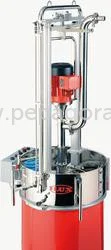
Industrial Barrel Mixing And Emptying Pump For Paints And Chemicals
PPI Series Progressive Cavity Eccentric Screw Pumps For Viscous Fluids
PRM Series Coal Mining Pumps For Dewatering And Abrasive Slurry Transfer
Heliflow Pumps
Industrial Hygienic Pumps Stainless Steel High Viscosity 100 m3/hr
Progressive Cavity Pumps For Viscous Abrasive Fluid Transfer
Heliflow Hygienic Screw Pump For Food Pharmaceutical Chemical Industries
Hacop Pumps Pvt Ltd
Industrial Digital Flow Meter For Water Oil Fuel Chemical Measurement
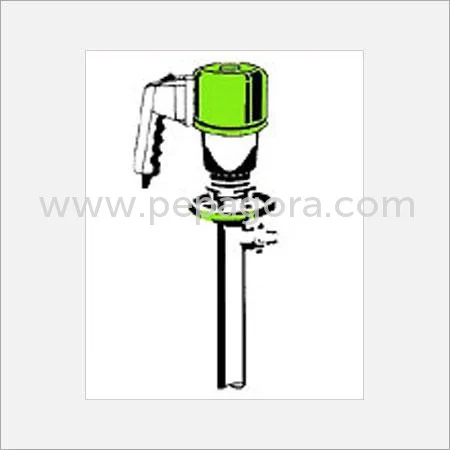
Industrial Pneumatic Barrel Pump PH 560 For Liquids Up To 560 Cp
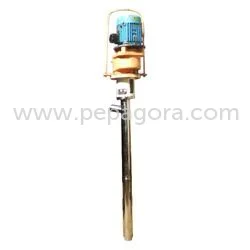
Industrial Electric Barrel Pump For Chemicals Oils Fluids 560W
Harsh Industrial Services
Industrial CD Series Vacuum Pump Water Cooled Continuous Operation
Industrial HHV Oil Sealed Rotary Vane Vacuum Pumps For High Medium Vacuum
Industrial PP Magnetic Drive Pumps For Chemical Transfer Leak Free
Why Businesses Trust Pepagora
Thousands of companies trust Pepagora to source smarter and sell faster
Expand Your Sales Globally
25000+Products listed.Get discovered by global buyers
Tools to boost visibility
Build your own catalog

Source Smarter,Grow Faster
4000+Active RFQs
100+ Countries served
Easy Sourcing Tools
