
 IN
INundefined
Dock Levelers
17 products available
𝗪𝗵𝗮𝘁 𝗮𝗿𝗲 𝗗𝗼𝗰𝗸 𝗟𝗲𝘃𝗲𝗹𝗲𝗿𝘀?
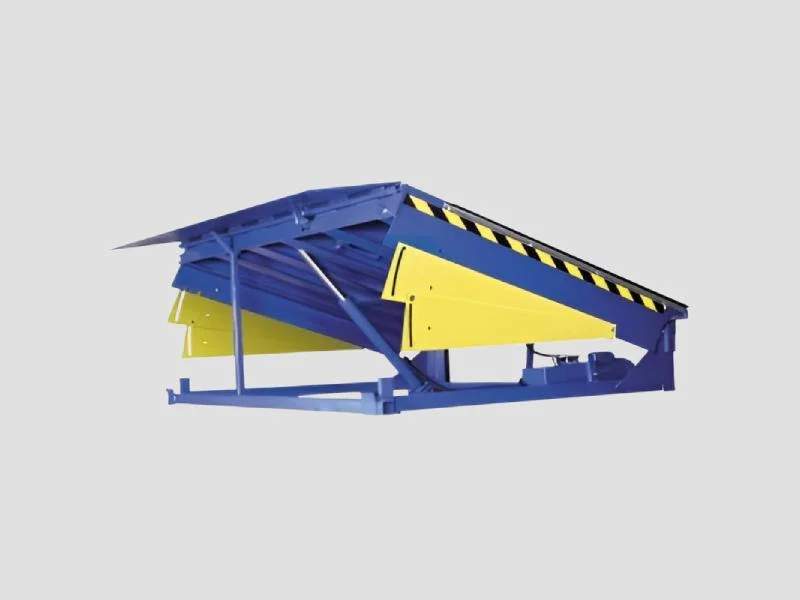
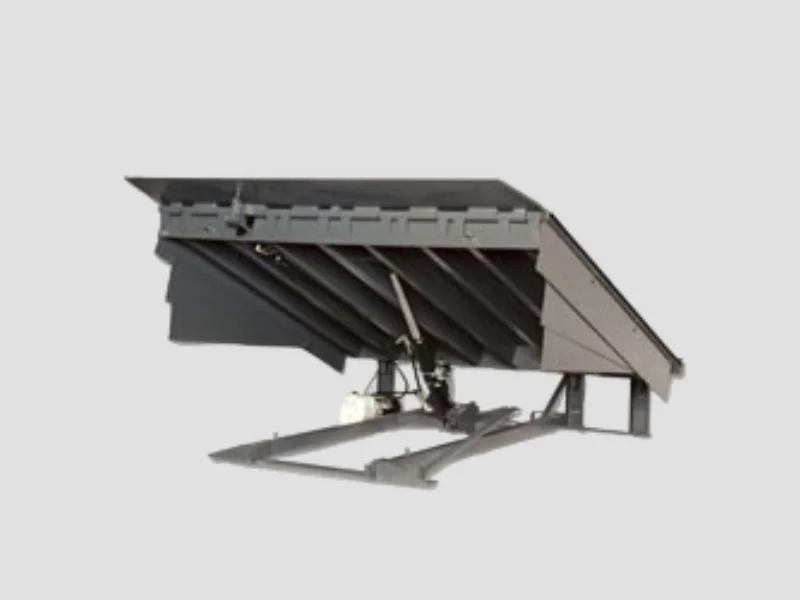
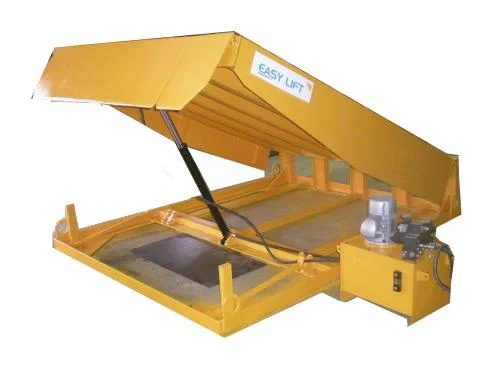
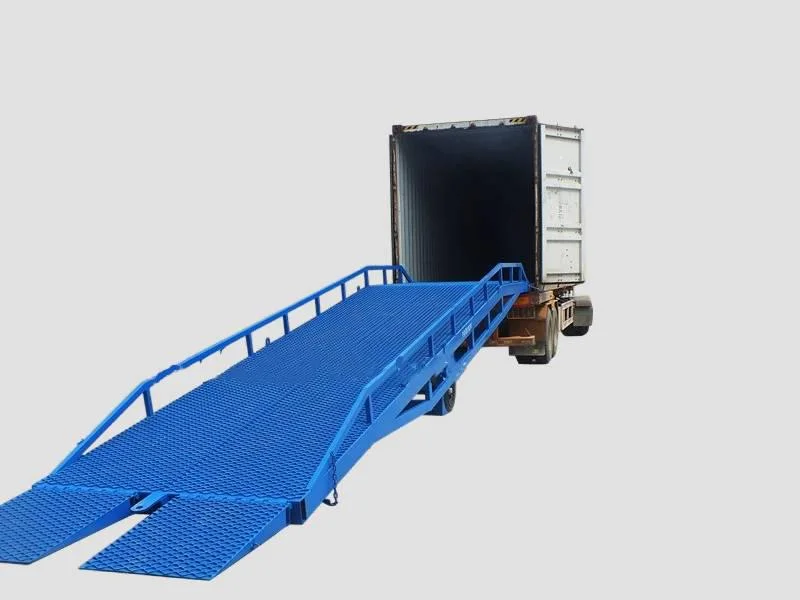
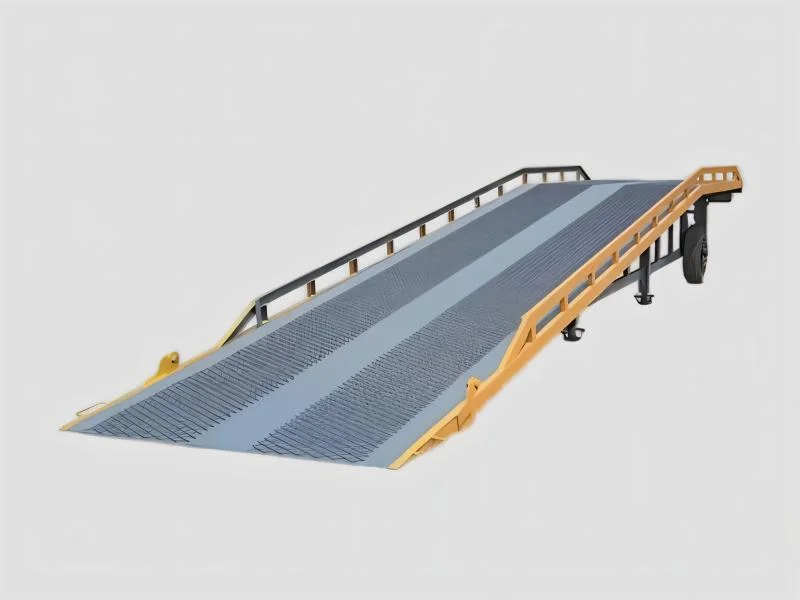
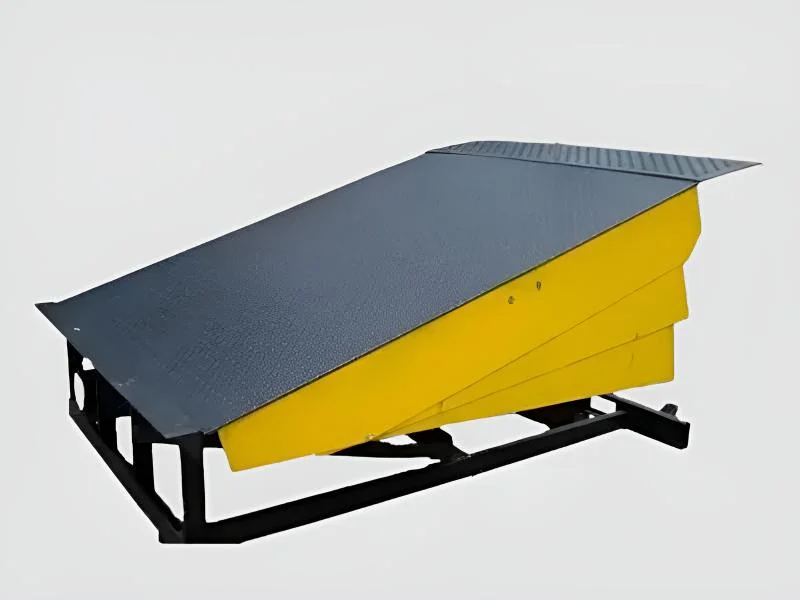
Dock levelers are essential equipment used to bridge the gap between a loading dock and a truck or trailer. They facilitate the smooth movement of goods and materials by adjusting the height difference during loading and unloading processes. Dock levelers come in various designs, including hydraulic, mechanical, and air-powered options, catering to different operational needs and environments. Their primary function is to ensure safe and efficient access for forklifts and other material handling equipment.
These devices are commonly utilized in warehouses, distribution centers, and manufacturing facilities where frequent loading and unloading of goods occur. Businesses rely on dock levelers to enhance productivity by reducing the time spent on loading operations. Additionally, they help improve safety by minimizing the risk of accidents caused by height discrepancies. In the current market, dock levelers are crucial for industries focusing on logistics and supply chain efficiency, as they support the growing demands of rapid delivery and inventory management.
𝗞𝗲𝘆 𝗙𝗲𝗮𝘁𝘂𝗿𝗲𝘀 𝗮𝗻𝗱 𝗦𝗽𝗲𝗰𝗶𝗳𝗶𝗰𝗮𝘁𝗶𝗼𝗻𝘀
Dock levelers are equipped with a range of features that enhance their functionality and performance. Understanding these specifications is essential for selecting the right dock leveler for specific business needs.
Key specifications include:
1. Weight Capacity
- This specification indicates the maximum load a dock leveler can support.
- Typical ranges are from 30,000 lbs to 60,000 lbs.
2. Platform Size
- The dimensions of the leveler platform determine its compatibility with different truck sizes.
- Common sizes range from 6 feet by 8 feet to 7 feet by 10 feet.
3. Operating Mechanism
- Dock levelers can be hydraulic, mechanical, or air-powered.
- Each mechanism offers varying levels of ease of use and maintenance requirements.
4. Adjustment Range
- This refers to the vertical height adjustment capabilities of the leveler.
- Most dock levelers offer a range of 5 to 12 inches.
5. Safety Features
- Essential safety features include toe guards, lip extensions, and automatic return systems.
- These features enhance operator safety during loading and unloading.
6. Installation Type
- Dock levelers can be either pit-mounted or surface-mounted.
- The choice depends on the facility's design and requirements.
7. Material Construction
- Common materials include steel and aluminum, providing durability and resistance to wear.
- The choice of material affects the leveler's longevity and maintenance needs.
8. Compliance Standards
- Compliance with industry standards, such as CE certification, ensures safety and reliability.
- This is critical for meeting regulatory requirements in various industries.
In summary, dock levelers come with a variety of specifications that cater to different operational needs. Understanding these specifications is crucial for businesses to select the right equipment for their loading dock operations.
𝗖𝗼𝗺𝗺𝗼𝗻 𝗔𝗽𝗽𝗹𝗶𝗰𝗮𝘁𝗶𝗼𝗻𝘀 𝗮𝗻𝗱 𝗨𝘀𝗲 𝗖𝗮𝘀𝗲𝘀
Dock levelers serve several industries, each with specific applications that enhance productivity and efficiency.
1. Warehousing: In warehousing operations, dock levelers facilitate the quick loading and unloading of pallets and goods, ensuring minimal downtime.
2. Manufacturing: Manufacturing facilities use dock levelers to streamline the transfer of raw materials and finished products between vehicles and the production line.
3. Retail Distribution: Retail distribution centers rely on dock levelers to manage the high volume of goods movement, improving inventory turnover rates.
4. Food Processing: In the food industry, dock levelers support the safe loading of temperature-sensitive products, ensuring compliance with safety standards.
5. Transportation and Logistics: Logistics companies utilize dock levelers to enhance the efficiency of their supply chain operations, reducing transit times.
6. Automotive: In automotive manufacturing and distribution, dock levelers help manage the movement of parts and finished vehicles effectively.
7. Pharmaceutical: Pharmaceutical companies employ dock levelers to maintain compliance with stringent regulatory requirements while moving sensitive products.
𝗣𝗿𝗼𝗱𝘂𝗰𝘁 𝗩𝗮𝗿𝗶𝗮𝗻𝘁𝘀 𝗮𝗻𝗱 𝗦𝘂𝗯𝗰𝗮𝘁𝗲𝗴𝗼𝗿𝗶𝗲𝘀
Dock levelers come in various types to cater to different operational needs and environments. Each variant offers unique features that enhance their functionality.
Hydraulic Dock Levelers
These dock levelers use hydraulic systems for smooth and effortless height adjustments. They are ideal for high-traffic areas, providing quick loading and unloading capabilities.
Mechanical Dock Levelers
Mechanical dock levelers operate through a manual lifting mechanism, making them a cost-effective option for businesses with lower volume operations. They require less maintenance and are durable.
Air-Powered Dock Levelers
Air-powered dock levelers utilize pneumatic systems for operation. They offer ease of use and are suitable for environments where electrical systems may not be feasible.
𝗕𝗲𝗻𝗲𝗳𝗶𝘁𝘀 𝗮𝗻𝗱 𝗔𝗱𝘃𝗮𝗻𝘁𝗮𝗴𝗲𝘀
Choosing dock levelers brings several benefits that enhance operational efficiency and safety.
1. Improved Efficiency: Dock levelers enable quick and seamless loading and unloading, significantly reducing turnaround times.
2. Enhanced Safety: With features designed to minimize hazards, dock levelers contribute to a safer working environment for operators.
3. Versatility: Dock levelers can accommodate various truck heights and loading scenarios, making them versatile for different industries.
4. Cost-Effectiveness: Investing in dock levelers can lead to long-term savings by reducing labor costs associated with loading and unloading.
5. Durability: Designed with robust materials, dock levelers offer longevity and reliability, minimizing the need for frequent replacements.
6. Compliance Support: Many dock levelers meet industry regulations, ensuring businesses remain compliant with safety and operational standards.
𝗕𝘂𝘆𝗶𝗻𝗴 𝗚𝘂𝗶𝗱𝗲 𝗳𝗼𝗿 𝗕𝟮𝗕 𝗕𝘂𝘆𝗲𝗿𝘀
When sourcing dock levelers, businesses should consider several key factors to ensure they select the right equipment for their needs.
1. Quality Assessment: It is crucial to evaluate the build quality and materials used in dock levelers. Checking for certifications and durability can help ensure long-term reliability.
2. Supplier Verification: Vetting suppliers is essential to ensure they have a proven track record of providing quality equipment and reliable service.
3. Pricing and MOQ: Understanding the pricing structure and minimum order quantities (MOQ) can help businesses plan their budgets effectively.
4. Delivery and Lead Times: Assessing logistics and delivery timelines is important to avoid disruptions in operations.
5. Compliance Requirements: Ensure that the dock levelers meet necessary regulatory standards, as this can impact operational safety and efficiency.
𝗖𝗼𝗺𝗽𝗹𝗶𝗮𝗻𝗰𝗲 𝗮𝗻𝗱 𝗖𝗲𝗿𝘁𝗶𝗳𝗶𝗰𝗮𝘁𝗶𝗼𝗻𝘀
Dock levelers must adhere to various quality standards and certifications to ensure safety and reliability in operation. Compliance with ISO 9001 demonstrates a commitment to quality management systems. In addition, meeting standards such as HACCP and GDP is crucial for industries where product safety is paramount.
Dock levelers are often required to have CE certification, which indicates compliance with European safety and health standards. This certification is particularly important for businesses operating in or exporting to European markets.
Safety and testing requirements for dock levelers include regular inspections and maintenance to ensure they operate within established safety parameters. Regional compliance considerations may vary, so it is vital for businesses to be aware of local regulations affecting dock leveler operation.
𝗪𝗵𝘆 𝗦𝗼𝘂𝗿𝗰𝗲 𝗗𝗼𝗰𝗸 𝗟𝗲𝘃𝗲𝗹𝗲𝗿𝘀 𝗳𝗿𝗼𝗺 𝗣𝗲𝗽𝗮𝗴𝗼𝗿𝗮?
Pepagora offers a reliable platform for sourcing dock levelers, providing several advantages that benefit B2B buyers.
Verified Supplier Network: Pepagora connects buyers with a network of verified suppliers, ensuring that only reputable manufacturers and distributors are available for selection. This adds a layer of confidence when making purchasing decisions.
Streamlined RFQ Process: The request for quotation (RFQ) process on Pepagora’s platform is designed for efficiency. Buyers can easily submit their requirements and receive competitive quotes from multiple suppliers, simplifying the sourcing process.
Trade Assurance and Support: Pepagora provides trade assurance, protecting buyers from potential risks associated with their purchases. This support includes assistance with dispute resolution and ensuring product quality.
Regional Coverage: With a strong presence in markets like India, the GCC, and Southeast Asia, Pepagora offers extensive geographic coverage. This regional focus allows businesses to find dock levelers that meet their specific operational needs and comply with local regulations.
Newly Added






Recently Added
Innovative Engineers
Warehouse Hydraulic Hand Pallet Truck 2500 kg Capacity 1150 mm Fork
EASYLIFT Hydraulic Manual Stacker 1000kg Capacity Adjustable Forks
Hydraulic Scissor Lift With Rollers For Apparel Material Handling
NEW THAI PACK TECHNOLOGIES
Semi Automatic Strapping Machine For Carton Boxes Packaging
Warehouse Semi Automatic Strapping Machine For Carton Boxes Packaging
Fully Automatic Strapping Machine For Carton Box Packaging In Logistics Manufacturing
E. Gates Technologies India Private Limited
Commercial Industrial Sliding Gate System Dual Speed Motor Safety
Residential Apartment Premium Swing Gates Automated Security
Industrial Sectional Doors With Insulated Panels And Weatherproof Seals
Lift And Reach Equipments
Industrial Hydraulic Scissor Lift 500 5000 kg 12 m Manual Electric
Self Propelled Scissor Lift 400kg Capacity 10m Height Hydraulic
Truck Mounted Scissor Lift 1500kg 7.5m Height Hydraulic Control
Force Lift Materials Movement
Warehouse 1.5 Ton Hybrid Pallet Truck With 20Ah Lithium Battery
Warehouse Hand Pallet Truck 1500kg Walkie 24V Li Battery
High Lift Pallet Truck 1000kg Capacity 800mm Lifting Height Manual Electric
Bhaskara Handling Technologies
Industrial Hydraulic Hand Pallet Trucks For Material Handling
Industrial Scissor Lifting Platforms For Euro Pallet Positioning
Industrial Battery Operated Stacker For Efficient Material Handling
Besto Handling System Company
Premium Material Handling Equipment Supplier In Chennai
Material Handling Equipment Rentals For Warehouses And Logistics
Professional Garage Heavy Duty Vehicle Scissor Lift For Cars SUVs
Desol Associated Engineers
Commercial Vehicle Dock Leveler Hydraulic Electric Motor +450MM Lift
Commercial Vehicle Dock Levelers Electric Hydraulic Lift 300mm To +450mm
Mobile Dock Leveler 4 12T Manual Articulated Lift Durable Reliable
Moksha Industries
Industrial Hydraulic Lift 2000kg Capacity Heavy Duty Machinery
Industrial Scissor Lift Table 8000 kg Capacity Heavy Duty
Warehouse Heavy Duty Battery Stacker 1500kg Capacity 6000mm Lift
MHE Movers
Warehouse Battery Operated Hydraulic Stacker 1.5 Ton CE Certified
Battery Operated Counter Balance Stacker 1.5 Ton CE Certified
Electric Pallet Stacker 1.5 Ton CE Certified 2.5 Meter Lift
Why Businesses Trust Pepagora
Thousands of companies trust Pepagora to source smarter and sell faster
Expand Your Sales Globally
25000+Products listed.Get discovered by global buyers
Tools to boost visibility
Build your own catalog

Source Smarter,Grow Faster
4000+Active RFQs
100+ Countries served
Easy Sourcing Tools
