
 IN
INundefined
Distributed Control Systems (DCS)
27 products available
What are Distributed Control Systems (DCS)?
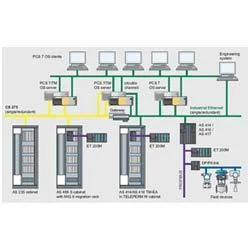
Distributed Control Systems (DCS) are advanced control systems commonly used in industrial applications to manage complex processes. Unlike traditional control systems that centralize control functions, DCS distribute control elements across various subsystems. This architecture allows for enhanced reliability, improved performance, and increased flexibility. DCS integrates hardware and software components to monitor and control production processes in real time, providing operators with critical information to make informed decisions.
The primary uses of DCS span a range of industries, including manufacturing, oil and gas, chemical processing, and power generation. These systems enable organizations to optimize production, maintain safety standards, and ensure compliance with regulatory requirements. By utilizing DCS, businesses can effectively manage large-scale operations and respond swiftly to changes in production demands. The relevance of DCS in today's market is underscored by the increasing complexity of industrial processes and the need for systems that can support real-time data analytics and automation.
𝗞𝗲𝘆 𝗙𝗲𝗮𝘁𝘂𝗿𝗲𝘀 𝗮𝗻𝗱 𝗦𝗽𝗲𝗰𝗶𝗳𝗶𝗰𝗮𝘁𝗶𝗼𝗻𝘀
Distributed Control Systems come equipped with various features and specifications that enhance their functionality. These systems are designed to support diverse industrial applications, ensuring seamless integration with existing processes and technologies.
Key specifications include:
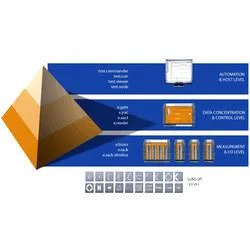
1. Network Architecture
- Utilizes a hierarchical structure for communication between control nodes
- Supports redundancy to ensure reliability
2. Control Algorithms
- Employs advanced algorithms for process control
- Capable of managing non-linear and complex control tasks
3. User Interface
- Features intuitive graphical user interfaces for ease of operation
- Provides real-time monitoring and data visualization tools
4. Scalability
- Designed to accommodate system expansion as operational needs grow
- Supports additional control modules and field devices
5. Communication Protocols
- Compatible with various industrial communication protocols
- Ensures interoperability with third-party devices
6. Data Logging and Reporting
- Capable of logging process data for analysis and compliance
- Generates reports for performance evaluation
7. Security Features
- Incorporates cybersecurity measures to protect against unauthorized access
- Regular updates to maintain system integrity
8. Compliance with Industry Standards
- Meets established quality and safety standards
- Certified for use in critical environments
In summary, DCS offers a comprehensive set of features that cater to the diverse needs of industrial operations, making them essential for modern automation processes.
𝗖𝗼𝗺𝗺𝗼𝗻 𝗔𝗽𝗽𝗹𝗶𝗰𝗮𝘁𝗶𝗼𝗻𝘀 𝗮𝗻𝗱 𝗨𝘀𝗲 𝗖𝗮𝘀𝗲𝘀
Distributed Control Systems are versatile and find applications across multiple industries.
1. Manufacturing: DCS is used to manage production lines, ensuring efficient operation and quality control in sectors such as automotive and consumer goods.
2. Oil and Gas: In this industry, DCS monitors and controls drilling operations, refining processes, and pipeline management, enhancing safety and efficiency.
3. Chemical Processing: DCS plays a crucial role in controlling chemical reactions and ensuring product consistency, helping manufacturers meet stringent regulatory standards.
4. Power Generation: DCS is essential for managing power plants, optimizing energy production, and maintaining grid stability.
5. Water and Wastewater Treatment: DCS is utilized to manage treatment processes, ensuring compliance with environmental regulations and efficient resource use.
6. Pharmaceuticals: In pharmaceutical manufacturing, DCS ensures precise control over production conditions to meet quality assurance standards.
7. Food and Beverage: DCS systems monitor and control the production process, helping to maintain product safety and quality.
𝗣𝗿𝗼𝗱𝘂𝗰𝘁 𝗩𝗮𝗿𝗶𝗮𝗻𝘁𝘀 𝗮𝗻𝗱 𝗦𝘂𝗯𝗰𝗮𝘁𝗲𝗴𝗼𝗿𝗶𝗲𝘀
Distributed Control Systems come in various forms to meet the specific needs of different industries.
Variant 1: Modular DCS
Modular DCS systems allow for customizable configurations to suit various applications. They enable easy upgrades and can be expanded by adding modules as production needs evolve.
Variant 2: Integrated DCS
Integrated DCS combines control and safety systems into a single architecture, providing a comprehensive solution for complex industrial processes. This variant enhances operational efficiency and reduces the need for separate systems.
Variant 3: Redundant DCS
Redundant DCS systems are designed with backup components to ensure continuous operation. This variant is crucial in industries where uptime is critical, such as oil and gas and power generation.
𝗕𝗲𝗻𝗲𝗳𝗶𝘁𝘀 𝗮𝗻𝗱 𝗔𝗱𝘃𝗮𝗻𝘁𝗮𝗴𝗲𝘀
Investing in Distributed Control Systems offers numerous benefits to businesses.
1. Increased Efficiency: DCS optimizes production processes, leading to reduced downtime and improved output.
2. Enhanced Flexibility: The modular nature of DCS allows businesses to adapt quickly to changing operational requirements.
3. Improved Data Management: DCS provides real-time data analytics, facilitating better decision-making and process optimization.
4. Enhanced Safety: By integrating advanced monitoring and control features, DCS enhances operational safety and compliance with regulatory standards.
5. Cost Savings: DCS minimizes operational costs through efficient resource management and reduced labor requirements.
6. Scalability: DCS can grow with the business, allowing for seamless integration of new technologies and processes as needed.
𝗕𝘂𝘆𝗶𝗻𝗴 𝗚𝘂𝗶𝗱𝗲 𝗳𝗼𝗿 𝗕𝟮𝗕 𝗕𝘂𝘆𝗲𝗿𝘀
When sourcing Distributed Control Systems, B2B buyers should consider several key factors to ensure they select the right system for their needs.
1. Quality Assessment: Evaluate the quality of the DCS by reviewing manufacturer certifications and industry standards compliance. Look for systems that meet ISO 9001 and CE certifications.
2. Supplier Verification: Vet suppliers by checking their reputation and reliability in the market. This can include assessing customer reviews and case studies.
3. Pricing and MOQ: Understand the pricing structure and minimum order quantities associated with DCS to align with budget constraints and production needs.
4. Delivery and Lead Times: Consider the logistics involved in the supply chain, including lead times for delivery, to ensure timely implementation of the DCS.
5. Compliance Requirements: Ensure that the DCS meets all relevant regulatory and safety standards specific to your industry to avoid compliance issues.
𝗖𝗼𝗺𝗽𝗹𝗶𝗮𝗻𝗰𝗲 𝗮𝗻𝗱 𝗖𝗲𝗿𝘁𝗶𝗳𝗶𝗰𝗮𝘁𝗶𝗼𝗻𝘀
Compliance and certifications are critical for Distributed Control Systems to assure quality and safety in industrial applications. DCS often adheres to quality standards such as ISO 9001, ensuring that manufacturers follow effective quality management systems.
Industry certifications, including CE marking, indicate that the products meet European safety and health protection requirements. Safety and testing requirements are essential, particularly in high-stakes environments like oil and gas or pharmaceuticals, where failure can have serious consequences.
Regional compliance considerations must also be taken into account, as different regions may have specific regulations regarding the use of DCS. Buyers should be aware of local standards and ensure that the systems they choose comply with these regulations.
Why Source Distributed Control Systems (DCS) from Pepagora?
Pepagora provides a trusted platform for sourcing Distributed Control Systems with several key advantages.
Verified Supplier Network: Pepagora connects buyers with a network of verified suppliers, ensuring that all listed manufacturers adhere to industry standards and quality assurance practices.
Streamlined RFQ Process: The platform offers a simplified Request for Quotation (RFQ) process, allowing buyers to easily compare options and select the best system for their needs.
Trade Assurance and Support: Pepagora prioritizes buyer protection by offering trade assurance, ensuring that purchases are secure and supported throughout the transaction.
Regional Coverage: With a strong presence in regions such as India, the GCC, and Southeast Asia, Pepagora facilitates access to a wide variety of DCS options, catering to diverse industrial needs.
Newly Added






Recently Added
Darien Electric Madras
Professional 1MHz 3MHz Function Generator LED Display Waveform Output
Hydraulic Single Cell RCPT Apparatus for Concrete Permeability Testing
Industrial Regulated Power Supply 301 400W Single Output DC
Sri Guru Engineering
Industrial Water Chiller 5.0TR Remote Control Reliable Durable
Industrial Fire Retardant Tube Freezer For Food Processing
Industrial PLC Panel Remote Control Boxes OEM New Reliable Durable
Automation Systems & Solution
Industrial Automation PS 7 Photoelectric Sensor 10 30V DC EZ BEAM
Industrial Safety Rope Pull Switches 6 100m Range 1M Operations
Industrial Safety Four Channel Fiber Optic Controller For Machine Guarding
Poushali Electronics
Industrial HVAC RH Transmitter 0 100% 4 20mA Output Wall Mount
Industrial Loop Power Pressure Transmitters For Reliable Measurement
Industrial DPTX24 2 Wire Loop Power Differential Pressure Transmitter
Avenue Auto Appliances Industries
Vibratory Soil Compactor Wire Harness Premium Durable Construction
Pick And Carry Crane Premium Wiring Harness For Reliable Electrical Connectivity
Plastic Connector Components Protective Covers Electronics
Power Control Technology
Industrial Automatic Drilling Systems With PLC Control And HMI
Premium Driller Consoles For Oil Gas Mining SCR System Control
Industrial AC Control Modules With Vibration Resistance And Factory Calibration
Hi Power Generators India
Industrial Diesel Generator Sets For Uninterrupted Backup Power
Silent DG Sets For Hospitals Schools Offices Backup Power
Industrial Backup Power DG Sets For Hospitals And Commercial Use
Mahavir Interface Pvt Ltd
Industrial Automation Modular Terminals For Reliable Electrical Connections
Industrial Connection Elements IEC Compliant Copper Fiber Optic Harsh Environment
Premium PCB Plug In Connectors For Data Signal Power Transmission
Ladder Automation Solutions Pvt Ltd
Console Systems For Control Rooms And Industrial Applications
Industrial Automation Systems For Manufacturing And Process Control
Industrial Automation Electronic HMI Systems For Machine Control And SCADA
Bhumi Enterprises
Industrial Electrical Fuses Premium Brands Weatherproof Dustproof Protection
Industrial Measuring Meters For Precision Electrical Testing And Temperature Monitoring
Industrial Power Supplies 5V 12V 15V 24V Up To 600W Siemens ABB Omron
Why Businesses Trust Pepagora
Thousands of companies trust Pepagora to source smarter and sell faster
Expand Your Sales Globally
25000+Products listed.Get discovered by global buyers
Tools to boost visibility
Build your own catalog

Source Smarter,Grow Faster
4000+Active RFQs
100+ Countries served
Easy Sourcing Tools
