
 IN
INundefined
Disinfectant Sprayers
1 products available
𝗪𝗵𝗮𝘁 𝗮𝗿𝗲 𝗗𝗶𝘀𝗶𝗻𝗳𝗲𝗰𝘁𝗮𝗻𝘁 𝗦𝗽𝗿𝗮𝘆𝗲𝗿𝘀?
Disinfectant sprayers are specialized devices designed to apply disinfectant solutions efficiently and uniformly across various surfaces. These sprayers utilize advanced technology to atomize disinfectant liquids into fine droplets, ensuring thorough coverage and effective sanitization. The use of disinfectant sprayers has gained prominence in recent years, particularly in response to increased hygiene standards and the need for effective infection control in both public and private spaces.
The primary uses of disinfectant sprayers include sanitizing large areas quickly, such as hospitals, schools, offices, and manufacturing facilities. Businesses rely on these devices to maintain a clean and safe environment, especially in high-traffic areas where the risk of contamination is higher. The growing awareness of health and safety has made disinfectant sprayers an essential tool in various industries, driving market demand and innovation.
As the global market for disinfectant sprayers continues to expand, many manufacturers are developing new models that enhance user experience and efficiency. The integration of smart technology, such as automated dosing and real-time monitoring, is becoming increasingly relevant. This evolution reflects the commitment of industries to uphold stringent sanitation protocols and adapt to changing health regulations.
𝗞𝗲𝘆 𝗙𝗲𝗮𝘁𝘂𝗿𝗲𝘀 𝗮𝗻𝗱 𝗦𝗽𝗲𝗰𝗶𝗳𝗶𝗰𝗮𝘁𝗶𝗼𝗻𝘀
Disinfectant sprayers come with a range of features designed to enhance performance and usability. These features cater to different application needs and environments, ensuring that users have the right equipment for effective disinfecting.
Key specifications include:
1. Capacity
- Refers to the volume of disinfectant the sprayer can hold.
- Typical ranges include 1 to 5 liters for handheld models and larger tanks for commercial use.
2. Spray Distance
- Indicates how far the sprayer can effectively project disinfectant.
- Most sprayers achieve distances of 2 to 10 meters, depending on the model.
3. Battery Life
- The duration the sprayer can operate on a single charge.
- Average battery life ranges from 2 to 8 hours.
4. Weight
- Affects the portability and ease of use.
- Weights can vary significantly, ranging from 1 kg for handheld units to over 10 kg for professional-grade sprayers.
5. Nozzle Types
- Different nozzles can produce varying droplet sizes and spray patterns.
- Options typically include adjustable, fixed, and fine mist nozzles for versatility.
6. Build Material
- The materials used in construction impact durability and chemical resistance.
- Common materials include plastic, stainless steel, and aluminum.
7. Safety Features
- Include mechanisms to prevent leaks and spills.
- Additional safety features may involve automatic shut-off and pressure relief valves.
8. Warranty
- Assurance provided by manufacturers regarding product reliability.
- Warranties can range from 1 year to several years, depending on the brand and model.
In summary, disinfectant sprayers are designed with various specifications to meet diverse business needs, ensuring effective sanitation across different environments.
𝗖𝗼𝗺𝗺𝗼𝗻 𝗔𝗽𝗽𝗹𝗶𝗰𝗮𝘁𝗶𝗼𝗻𝘀 𝗮𝗻𝗱 𝗨𝘀𝗲 𝗖𝗮𝘀𝗲𝘀
Disinfectant sprayers have become integral tools in numerous industries, enhancing hygiene practices and safety measures.
1. Healthcare: In hospitals and clinics, disinfectant sprayers are crucial for sanitizing patient rooms, operating theatres, and waiting areas to prevent hospital-acquired infections.
2. Education: Schools and universities utilize these sprayers to regularly disinfect classrooms, cafeterias, and common areas to protect students and staff.
3. Hospitality: Hotels and restaurants employ disinfectant sprayers to maintain cleanliness in guest rooms, dining areas, and kitchens, ensuring a safe environment for patrons.
4. Manufacturing: Factories and production facilities use sprayers to disinfect equipment, surfaces, and workspaces, reducing the risk of contamination in the production process.
5. Transportation: Public transport systems, including buses and trains, adopt disinfectant sprayers for regular sanitation of vehicles, ensuring passenger safety.
6. Retail: Stores and shopping centers use these devices to disinfect high-touch surfaces like shopping carts, checkout counters, and restrooms.
7. Agriculture: In farming, disinfectant sprayers help sanitize equipment and facilities, contributing to biosecurity measures and preventing disease spread among livestock.
𝗣𝗿𝗼𝗱𝘂𝗰𝘁 𝗩𝗮𝗿𝗶𝗮𝗻𝘁𝘀 𝗮𝗻𝗱 𝗦𝘂𝗯𝗰𝗮𝘁𝗲𝗴𝗼𝗿𝗶𝗲𝘀
Disinfectant sprayers come in various models and configurations to suit different operational needs. Each variant offers unique features and capabilities that cater to specific applications.
Handheld Disinfectant Sprayers: These portable models are designed for easy maneuverability and are ideal for small to medium-sized areas. They are lightweight and often battery-operated, making them suitable for quick disinfection tasks.
Backpack Disinfectant Sprayers: These sprayers feature a backpack design for extended use, allowing operators to cover larger areas without fatigue. They are commonly used in outdoor settings, such as parks and sports facilities.
Stationary Disinfectant Sprayers: Designed for fixed installations, these sprayers are often found in commercial settings. They can be integrated into existing cleaning systems for continuous disinfection in high-traffic zones.
𝗕𝗲𝗻𝗲𝗳𝗶𝘁𝘀 𝗮𝗻𝗱 𝗔𝗱𝘃𝗮𝗻𝘁𝗮𝗴𝗲𝘀
Investing in disinfectant sprayers offers numerous advantages for businesses looking to enhance their sanitation processes.
1. Efficiency: Disinfectant sprayers allow for rapid application over large areas, saving time compared to manual methods.
2. Consistency: The atomization process ensures uniform coverage of disinfectant, minimizing the risk of missed spots.
3. Versatility: These sprayers can be used with various disinfectant solutions, making them adaptable to different cleaning protocols.
4. Reduced Labor Costs: Automating the disinfection process can lower labor costs by requiring fewer personnel to achieve effective results.
5. Enhanced Safety: By improving sanitation practices, businesses can create a safer environment for employees and customers, reducing the risk of illness.
6. Compliance with Regulations: Utilizing disinfectant sprayers helps organizations meet health and safety regulations, demonstrating a commitment to hygiene standards.
𝗕𝘂𝘆𝗶𝗻𝗴 𝗚𝘂𝗶𝗱𝗲 𝗳𝗼𝗿 𝗕𝟮𝗕 𝗕𝘂𝘆𝗲𝗿𝘀
When sourcing disinfectant sprayers for your business, several factors should be considered to ensure you make an informed decision.
1. Quality Assessment: Evaluate the build quality and materials used in the sprayer. Look for products that meet industry standards for durability and performance.
2. Supplier Verification: Research and verify suppliers to ensure they provide reliable products and services. Check for reviews and industry reputation.
3. Pricing and MOQ: Understand the pricing structure and minimum order quantities. Compare offers from multiple suppliers to find the best value for your investment.
4. Delivery and Lead Times: Consider the logistical aspects of your order, including delivery times and shipping options. Ensure the supplier can meet your timeline.
5. Compliance Requirements: Be aware of any regulatory compliance needed for disinfectant sprayers in your region. Ensure that the products meet the necessary safety and quality certifications.
𝗖𝗼𝗺𝗽𝗹𝗶𝗮𝗻𝗰𝗲 𝗮𝗻𝗱 𝗖𝗲𝗿𝘁𝗶𝗳𝗶𝗰𝗮𝘁𝗶𝗼𝗻𝘀
Disinfectant sprayers must adhere to various quality standards and regulatory requirements to ensure safety and effectiveness.
ISO 9001 certification is an important standard that ensures manufacturers maintain quality management systems. This certification helps guarantee that products meet customer and regulatory requirements consistently.
CE marking indicates compliance with European health, safety, and environmental protection standards. This certification is crucial for products sold within the European Union, ensuring they meet safety requirements for consumer use.
Safety and testing requirements are also essential to ensure that disinfectant sprayers operate effectively and do not pose hazards to users. Manufacturers should conduct rigorous testing to confirm the reliability and safety of their products.
Regional compliance considerations vary by location and may include specific regulations regarding chemical handling and environmental impact. It is important for businesses to understand these regulations to ensure compliance and avoid potential penalties.
𝗪𝗵𝘆 𝗦𝗼𝘂𝗿𝗰𝗲 𝗗𝗶𝘀𝗶𝗻𝗳𝗲𝗰𝘁𝗮𝗻𝘁 𝗦𝗽𝗿𝗮𝘆𝗲𝗿𝘀 𝗳𝗿𝗼𝗺 𝗣𝗲𝗽𝗮𝗴𝗼𝗿𝗮?
Pepagora offers a reliable platform for sourcing disinfectant sprayers, providing several advantages that facilitate a seamless purchasing experience.
Verified Supplier Network: Pepagora ensures that all suppliers are thoroughly vetted for quality and reliability. This verification process helps buyers trust that they are sourcing from reputable manufacturers.
Streamlined RFQ Process: The request for quotation process is designed to be user-friendly, enabling buyers to quickly obtain competitive quotes from multiple suppliers. This efficiency saves time and helps in making informed decisions.
Trade Assurance and Support: Pepagora provides trade assurance, which protects buyers in their transactions. This support includes assistance with order tracking and resolution of issues, ensuring a smooth purchasing experience.
Regional Coverage: With a strong presence in India, the GCC, and Southeast Asia, Pepagora connects buyers with suppliers across these regions, enhancing accessibility and convenience for businesses seeking disinfectant sprayers.
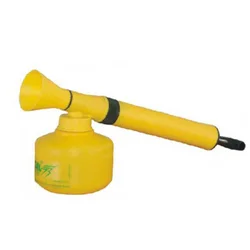


Recently Added
Blue Stallion Equipments Private Limited
Professional Turbo 16 Knapsack Sprayer For Agriculture And Sanitation
Fighter Knapsack Sprayer For Agriculture And Pest Control
Professional Knapsack Sprayer High Pressure Brass Piston Chemical Resistant
Why Businesses Trust Pepagora
Thousands of companies trust Pepagora to source smarter and sell faster
Expand Your Sales Globally
25000+Products listed.Get discovered by global buyers
Tools to boost visibility
Build your own catalog

Source Smarter,Grow Faster
4000+Active RFQs
100+ Countries served
Easy Sourcing Tools
