
 IN
INundefined
Direct Seeders
7 products available
𝗪𝗵𝗮𝘁 𝗮𝗿𝗲 𝗗𝗶𝗿𝗲𝗰𝘁 𝗦𝗲𝗲𝗱𝗲𝗿𝘀?
Direct Seeders are specialized agricultural machines designed to sow seeds directly into the soil without prior tillage. This method of planting is known as direct seeding or zero tillage, which helps conserve soil structure and moisture while reducing erosion. Direct Seeders can vary in design and functionality, allowing farmers to efficiently plant a variety of crops with minimal soil disturbance. By incorporating advanced technology, these machines ensure precise seed placement, optimizing germination and crop yield.
The primary uses of Direct Seeders encompass a wide range of agricultural practices, including row cropping, cover cropping, and intercropping. They are suitable for various crops such as grains, legumes, and vegetables. Businesses in the agricultural sector, including large-scale farms and cooperatives, benefit from using Direct Seeders to enhance productivity and reduce labor costs. As sustainability becomes increasingly critical in agriculture, Direct Seeders play a vital role in promoting eco-friendly farming practices.
In the current market, Direct Seeders are gaining traction as farmers seek to adopt more sustainable agricultural methods. Demand for these machines is growing as they align with modern practices aimed at improving soil health and maximizing resource efficiency. Industry stakeholders recognize the importance of Direct Seeders in meeting global food production needs while minimizing environmental impact.
𝗞𝗲𝘆 𝗙𝗲𝗮𝘁𝘂𝗿𝗲𝘀 𝗮𝗻𝗱 𝗦𝗽𝗲𝗰𝗶𝗳𝗶𝗰𝗮𝘁𝗶𝗼𝗻𝘀
Direct Seeders are equipped with several features that enhance their efficiency and effectiveness in the field. Understanding these key specifications is crucial for buyers to select the right equipment for their needs.
Key specifications include:
1. Seed Placement Accuracy
- Ensures seeds are placed at optimal depths and spacing
- Typically ranges from 1 to 4 inches deep depending on crop type
2. Hopper Capacity
- Determines the volume of seeds that can be planted in one load
- Capacities can range from 30 to 100 liters or more
3. Row Spacing
- Configurable to accommodate different crop requirements
- Common row spacings vary from 6 to 12 inches
4. Power Source
- Can be equipped with mechanical or hydraulic systems
- Options include tractor-mounted or self-propelled models
5. Frame Design
- Heavy-duty frames provide stability and durability
- Materials often include steel or reinforced composites
6. Adjustability Features
- Allows for modifications based on soil and crop conditions
- Includes adjustable seed depth and row width settings
7. Maintenance Requirements
- Designed for easy access to components for routine checks
- Maintenance intervals can vary based on usage intensity
8. Weight
- Heavier models provide better stability in uneven terrain
- Weight typically ranges from 300 to 1,500 kg depending on design
Direct Seeders are engineered for performance, making them an essential tool for modern agriculture. Buyers should consider these specifications to ensure their investment meets operational needs.
𝗖𝗼𝗺𝗺𝗼𝗻 𝗔𝗽𝗽𝗹𝗶𝗰𝗮𝘁𝗶𝗼𝗻𝘀 𝗮𝗻𝗱 𝗨𝘀𝗲 𝗖𝗮𝘀𝗲𝘀
Direct Seeders are utilized across various agricultural sectors, showcasing their versatility and effectiveness.
1. Grain Farming: Direct Seeders are commonly used for planting cereal crops such as wheat and barley. This method improves soil health and enhances yields by reducing soil erosion.
2. Vegetable Production: For vegetable growers, Direct Seeders allow for precise planting of seeds like carrots and lettuce. This precision minimizes waste and maximizes growing efficiency.
3. Legume Cultivation: Farmers growing legumes, such as soybeans and chickpeas, benefit from Direct Seeders' ability to optimize seed placement, which is critical for crop success.
4. Cover Cropping: Direct Seeders facilitate the planting of cover crops, which improve soil fertility and prevent erosion during off-seasons.
5. Organic Farming: Many organic farmers prefer Direct Seeders as they align with no-till practices, supporting sustainable agriculture and soil preservation.
6. Research and Development: Agricultural research institutions use Direct Seeders to study crop performance and soil health under various planting conditions.
7. Agroforestry: In agroforestry systems, Direct Seeders enable the integration of crops with trees, promoting biodiversity and improving land productivity.
𝗣𝗿𝗼𝗱𝘂𝗰𝘁 𝗩𝗮𝗿𝗶𝗮𝗻𝘁𝘀 𝗮𝗻𝗱 𝗦𝘂𝗯𝗰𝗮𝘁𝗲𝗴𝗼𝗿𝗶𝗲𝘀
Direct Seeders come in diverse designs to cater to the varying needs of farmers and agricultural businesses. This diversity ensures that users can find a model that suits their specific requirements.
Tractor-Mounted Direct Seeders are popular for their compatibility with existing farming equipment. They offer high efficiency and can cover large areas quickly, making them suitable for extensive farming operations.
Self-Propelled Direct Seeders provide greater maneuverability and are ideal for smaller farms or fields with irregular shapes. Their design allows for enhanced control and precision during planting.
Manual Direct Seeders are designed for small-scale farming and community gardens. They are lightweight and easy to operate, making them accessible for users with limited resources.
𝗕𝗲𝗻𝗲𝗳𝗶𝘁𝘀 𝗮𝗻𝗱 𝗔𝗱𝘃𝗮𝗻𝘁𝗮𝗴𝗲𝘀
Investing in Direct Seeders presents numerous advantages for agricultural operations.
1. Improved Soil Health: Direct Seeders promote minimal soil disturbance, preserving soil structure and enhancing moisture retention.
2. Increased Efficiency: These machines reduce planting time and labor costs, allowing farmers to focus on other critical tasks.
3. Precision Planting: Direct Seeders ensure accurate seed placement, optimizing germination rates and maximizing crop yields.
4. Reduced Erosion: By minimizing tillage, Direct Seeders help prevent soil erosion and promote sustainable land use.
5. Versatile Applications: Direct Seeders can be adapted for various crops and farming practices, making them suitable for diverse agricultural needs.
6. Environmental Sustainability: These machines support eco-friendly practices by reducing the carbon footprint associated with traditional tillage methods.
𝗕𝘂𝘆𝗶𝗻𝗴 𝗚𝘂𝗶𝗱𝗲 𝗳𝗼𝗿 𝗕𝟮𝗕 𝗕𝘂𝘆𝗲𝗿𝘀
When sourcing Direct Seeders, buyers should consider several critical factors to ensure a successful purchase.
1. Quality Assessment: Evaluate the build quality and performance of Direct Seeders. Look for reputable brands known for durability and reliability in the field.
2. Supplier Verification: Conduct thorough research to verify suppliers. Check for industry certifications and customer reviews to ensure credibility.
3. Pricing and MOQ: Compare pricing among different suppliers, keeping in mind the minimum order quantity requirements that may apply.
4. Delivery and Lead Times: Discuss logistics with potential suppliers to understand delivery timelines and any associated costs.
5. Compliance Requirements: Familiarize yourself with local regulations and industry standards to ensure the Direct Seeders meet necessary compliance criteria.
𝗖𝗼𝗺𝗽𝗹𝗶𝗮𝗻𝗰𝗲 𝗮𝗻𝗱 𝗖𝗲𝗿𝘁𝗶𝗳𝗶𝗰𝗮𝘁𝗶𝗼𝗻𝘀
Direct Seeders are subject to various industry standards and certifications that ensure their quality and safety. Compliance with quality standards such as ISO 9001 guarantees that manufacturers adhere to effective quality management systems.
In addition, many Direct Seeders carry the CE certification, indicating compliance with European safety and environmental standards. This certification reassures buyers of the product's safety and reliability.
It is essential to consider safety and testing requirements, as these can vary by region. Buyers should also be aware of specific compliance considerations relevant to their geographic area, ensuring that the equipment meets local agricultural regulations.
𝗪𝗵𝘆 𝗦𝗼𝘂𝗿𝗰𝗲 𝗗𝗶𝗿𝗲𝗰𝘁 𝗦𝗲𝗲𝗱𝗲𝗿𝘀 𝗳𝗿𝗼𝗺 𝗣𝗲𝗽𝗮𝗴𝗼𝗿𝗮?
Pepagora provides a trusted platform for sourcing Direct Seeders with several key advantages.
The Verified Supplier Network ensures that buyers have access to a wide range of reputable manufacturers. Each supplier is vetted for quality, reliability, and compliance with industry standards, giving buyers confidence in their choices.
Pepagora's Streamlined RFQ Process simplifies the quotation process, enabling buyers to receive competitive offers from multiple suppliers efficiently. This system enhances transparency and helps buyers make informed decisions.
Trade Assurance and Support is a cornerstone of Pepagora's service, offering buyer protection throughout the sourcing process. This support ensures that transactions are secure, and buyers can address any concerns with confidence.
Lastly, Pepagora's Regional Coverage spans key markets such as India, the GCC, and Southeast Asia, providing access to a diverse range of suppliers and products tailored to local agricultural needs. This geographic reach enhances the potential for successful sourcing and collaboration in the agricultural sector.
Newly Added


Recently Added
Bajaj Steel Industries Limited
Industrial Cotton Seed Cleaner 5 TPH Durable Steel Sieve Technology
Cotton Ginning Machinery Double Roller High Efficiency CNC Precision
Cotton Ginning Auto Feeder For Productivity Boost & Energy Efficiency
National Agro Industries
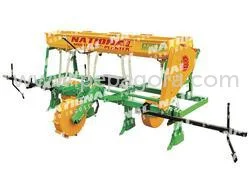
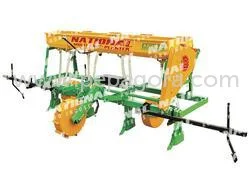
Agricultural Business Direct Rice Grain Planter For Precision Planting
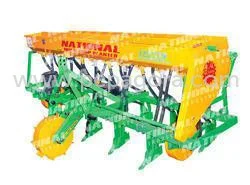
Heavy Duty Rotavator Rotary Tiller For Efficient Soil Preparation
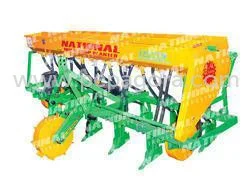
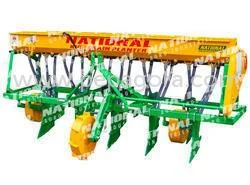
National Seed Drill for Wheat Barley Maize Peas Pulses Sowing
Why Businesses Trust Pepagora
Thousands of companies trust Pepagora to source smarter and sell faster
Expand Your Sales Globally
25000+Products listed.Get discovered by global buyers
Tools to boost visibility
Build your own catalog

Source Smarter,Grow Faster
4000+Active RFQs
100+ Countries served
Easy Sourcing Tools
