
 IN
INundefined
Diodes & Rectifiers
33 products available
𝗪𝗵𝗮𝘁 𝗮𝗿𝗲 𝗗𝗶𝗼𝗱𝗲𝘀 & 𝗥𝗲𝗰𝘁𝗶𝗳𝗶𝗲𝗿𝘀?
Diodes and rectifiers are essential electronic components that control the flow of electricity in circuits. A diode allows current to flow in one direction while blocking it in the opposite direction. Rectifiers, which are often composed of diodes, convert alternating current (AC) to direct current (DC), ensuring a stable and usable power supply for various applications.
These components are widely used in numerous industries, including telecommunications, consumer electronics, automotive, and renewable energy. They play a crucial role in power regulation, signal demodulation, and voltage stabilization, making them indispensable in modern electronics. As technology advances, the demand for more efficient and reliable diodes and rectifiers continues to grow, highlighting their importance in the manufacturing and design of electronic devices.
𝗞𝗲𝘆 𝗙𝗲𝗮𝘁𝘂𝗿𝗲𝘀 𝗮𝗻𝗱 𝗦𝗽𝗲𝗰𝗶𝗳𝗶𝗰𝗮𝘁𝗶𝗼𝗻𝘀
Diodes and rectifiers come with various features and specifications that are essential for their performance and suitability in different applications. Understanding these specifications is crucial for selecting the right components for specific needs.
Key specifications include:
1. Forward Current Rating
- Indicates the maximum continuous current the diode can handle.
- Typical ranges are from a few milliamps to several hundred amps.
2. Reverse Voltage Rating
- Specifies the maximum voltage the diode can withstand in the reverse direction.
- Common values can range from 20V to several kilovolts.
3. Surge Current Rating
- Describes the maximum current the diode can tolerate for a short duration without damage.
- This can vary widely based on the diode type, often from 50A to 200A.
4. Recovery Time
- Refers to the time it takes for the diode to switch from conducting to blocking state.
- Fast recovery times are critical for high-frequency applications.
5. Power Dissipation
- The maximum power the diode can dissipate without overheating.
- Typical values can range from 0.5W to over 200W.
6. Temperature Range
- The operational temperature range within which the diode can function effectively.
- Common ranges are from -55°C to +150°C.
7. Package Type
- The physical configuration of the diode, which can affect cooling and mounting.
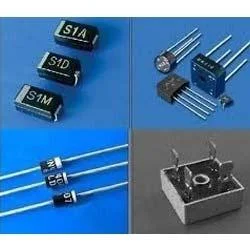
- Common package types include DO-41, SOD-123, and TO-220.
8. Certification
- Compliance with industry standards such as CE ensures safety and reliability.
Proper selection of these specifications ensures optimal performance and longevity of the diodes and rectifiers in their intended applications.
𝗖𝗼𝗺𝗺𝗼𝗻 𝗔𝗽𝗽𝗹𝗶𝗰𝗮𝘁𝗶𝗼𝗻𝘀 𝗮𝗻𝗱 𝗨𝘀𝗲 𝗖𝗮𝘀𝗲𝘀
Diodes and rectifiers serve a wide array of industries, each with specific applications that leverage their unique properties.
1. Telecommunications: Diodes are used in signal demodulation and as protection devices in communication equipment to prevent voltage spikes.
2. Consumer Electronics: Rectifiers convert AC power from wall outlets to DC power for devices like smartphones, televisions, and computers.
3. Automotive: Diodes are essential in vehicle lighting and ignition systems, providing reliable current regulation and protection against reverse polarity.
4. Renewable Energy: In solar inverters, rectifiers play a crucial role in converting the DC output from solar panels to AC for grid compatibility.
5. Industrial Equipment: Diodes are used in various industrial machines for power supply regulation and signal processing, ensuring efficient operation.
6. Medical Devices: Diodes are found in diagnostic equipment and therapeutic devices, where reliable power supply and signal integrity are critical.
7. Power Supplies: Rectifiers are foundational in uninterruptible power supplies (UPS) and other electrical systems that require stable DC output.
𝗣𝗿𝗼𝗱𝘂𝗰𝘁 𝗩𝗮𝗿𝗶𝗮𝗻𝘁𝘀 𝗮𝗻𝗱 𝗦𝘂𝗯𝗰𝗮𝘁𝗲𝗴𝗼𝗿𝗶𝗲𝘀
Diodes and rectifiers come in various forms to meet diverse application needs.
Silicon Diodes: These are the most common type, known for their reliability and efficiency in rectification applications. They are widely used in power supplies and signal processing.
Schottky Diodes: Featuring fast switching speeds and low forward voltage drop, Schottky diodes are ideal for high-frequency and low-voltage applications, such as power converters.
Zener Diodes: Used primarily for voltage regulation, Zener diodes stabilize voltage in circuits, making them essential in power supply designs and over-voltage protection.
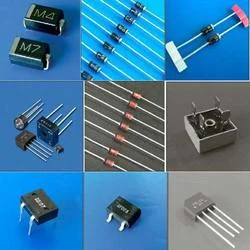
Rectifier Modules: These integrated packages combine multiple diodes into a single unit, simplifying design and improving performance in high-power applications like industrial drives.
𝗕𝗲𝗻𝗲𝗳𝗶𝘁𝘀 𝗮𝗻𝗱 𝗔𝗱𝘃𝗮𝗻𝘁𝗮𝗴𝗲𝘀
Diodes and rectifiers offer numerous benefits that make them vital components in electronic systems.
1. Efficiency: Diodes provide low forward voltage drop, resulting in minimal power loss during operation.
2. Reliability: These components are designed to withstand various electrical and thermal conditions, ensuring long-lasting performance.
3. Versatility: Available in numerous variants, diodes and rectifiers can be tailored to meet specific application requirements.
4. Protection: Diodes protect circuits from voltage spikes and reverse polarity, enhancing the safety and longevity of electronic devices.
5. Cost-Effectiveness: The widespread availability and simplicity of these components contribute to reduced manufacturing costs.
6. Compact Design: Many diodes and rectifiers are available in small packages, enabling more efficient use of space in electronic designs.
𝗕𝘂𝘆𝗶𝗻𝗴 𝗚𝘂𝗶𝗱𝗲 𝗳𝗼𝗿 𝗕𝟮𝗕 𝗕𝘂𝘆𝗲𝗿𝘀
When sourcing diodes and rectifiers, buyers should consider several key factors to ensure they select the right components.
1. Quality Assessment: Evaluate the quality of components by reviewing certifications and testing standards. Ensure the products meet industry benchmarks for reliability.
2. Supplier Verification: Conduct thorough research on potential suppliers to verify their reputation, product quality, and compliance with industry standards. Look for established manufacturers with positive customer feedback.
3. Pricing and MOQ: Understand the pricing structure and minimum order quantities (MOQ) required by suppliers. Compare costs across different suppliers to ensure competitive pricing.
4. Delivery and Lead Times: Assess the delivery schedules and lead times offered by suppliers. Timely delivery is crucial for maintaining production schedules.
5. Compliance Requirements: Be aware of any regulatory standards that apply to your industry. Ensure the components meet compliance requirements for safety and performance.
𝗖𝗼𝗺𝗽𝗹𝗶𝗮𝗻𝗰𝗲 𝗮𝗻𝗱 𝗖𝗲𝗿𝘁𝗶𝗳𝗶𝗰𝗮𝘁𝗶𝗼𝗻𝘀
Diodes and rectifiers must adhere to several quality standards and certifications to ensure their safety and effectiveness in applications.
ISO 9001 certification is a common quality management standard that indicates a manufacturer’s commitment to consistent quality and customer satisfaction.
CE marking is essential for products sold in the European market, demonstrating compliance with health, safety, and environmental protection standards.
Safety and testing requirements are critical, as these components must withstand electrical stress and environmental conditions without failure. Manufacturers should provide documentation of testing results.
Regional compliance considerations can vary, so it is important for buyers to understand the specific regulations applicable in their market, ensuring that products meet local standards.
𝗪𝗵𝘆 𝗦𝗼𝘂𝗿𝗰𝗲 𝗗𝗶𝗼𝗱𝗲𝘀 & 𝗥𝗲𝗰𝘁𝗶𝗳𝗶𝗲𝗿𝘀 𝗳𝗿𝗼𝗺 𝗣𝗲𝗽𝗮𝗴𝗼𝗿𝗮?
Pepagora provides a trusted platform for sourcing diodes and rectifiers, offering several key advantages to B2B buyers.
Verified Supplier Network: Pepagora features a network of verified suppliers, ensuring that buyers can access high-quality products from reputable manufacturers. This verification process enhances trust and reduces risks associated with sourcing.
Streamlined RFQ Process: The platform simplifies the request for quotation (RFQ) process, allowing buyers to easily compare offers from multiple suppliers. This efficiency saves time and helps buyers secure the best deals.
Trade Assurance and Support: Pepagora offers trade assurance, providing buyers with protection against potential disputes and ensuring that they receive the products as promised. Additionally, the support team is available to assist with any inquiries.
Regional Coverage: With a strong presence in India, the GCC, and Southeast Asia, Pepagora provides extensive geographic reach, enabling buyers to source diodes and rectifiers from a diverse range of suppliers across these regions. This broad coverage enhances access to products and promotes competitive pricing.
Newly Added
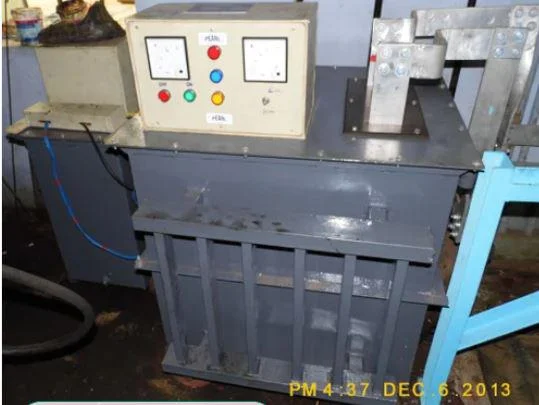
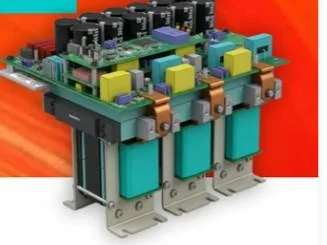
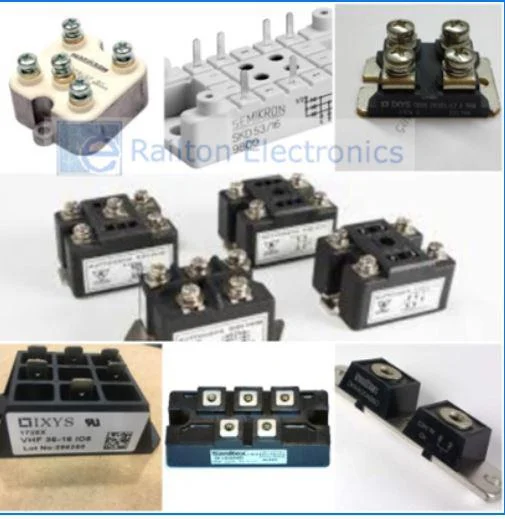
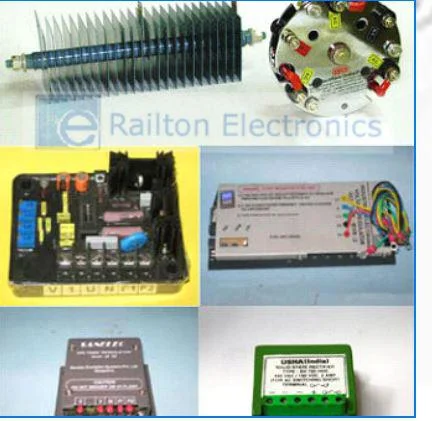
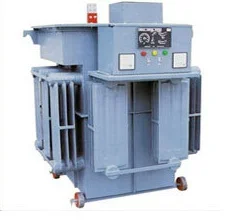
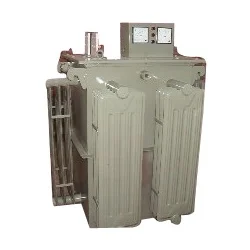
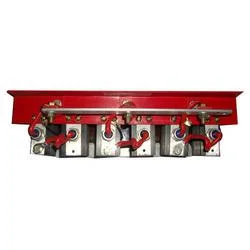
Industrial Rectifiers For Cranes And Gensets AC To DC Power Conversion
In Stock

Railton Electronics
 IN
IN6
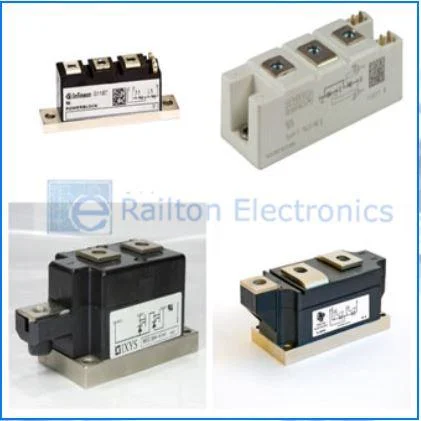
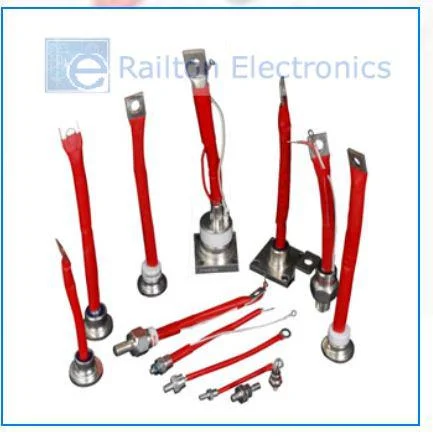
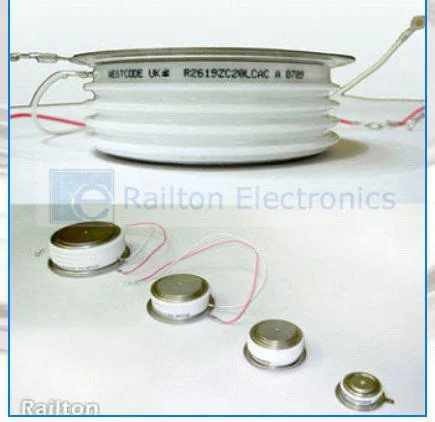

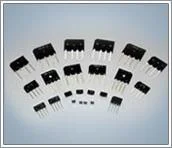
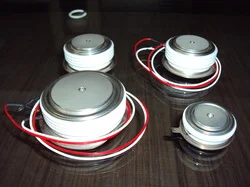
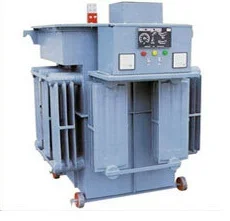
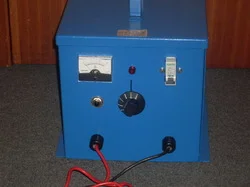
Industrial Rectifiers For AC To DC Power Conversion
In Stock
Min. order :1 units
Bharti Electricals
IN14



Recently Added
Alfinstro
Industrial Conveyorised Powder Coating Plant For Durable Finishes
Industrial Powder Coating Gun With Spray Booth And Power Pack
Industrial Material Handling Powder Coated Profile Trolleys
Asmi Electricals
Industrial Servo Voltage Stabilizers For Equipment Protection
Industrial Commercial Low Power AC Voltage Stabilizer For Sensitive Electronics
Low Power Voltage Stabilizers For Sensitive Equipment Protection
Authentic Engineers
OEM AC Voltage Stabilizer For Home Office Industrial Energy Saving
OEM Light Stabilizers For Homes Offices Industrial Voltage Regulation
Single Phase AC Voltage Regulator With Double Digital Display
Amar Industries
Industrial Chemical Filtration Unit With Acid Alkaline Resistant Pump
Industrial Electroplating Machine Filters Premium High Grade Materials
Industrial Oil Free Air Agitation Unit For Electroplating And Chemical Mixing
Balaji Enterprises Krishna & Co
Industrial Oil Fired Furnace For Metal Melting 500kg Durable
Industrial Bread Gas Furnace For Bakeries With Precise Temperature Control
Industrial Electro Plating Plants For Metal Finishing In Automotive Aerospace Electronics
Aparajita Electronics
Industrial AC Power Control Triacs For Motor Systems And Electro Optics
Industrial Automation Electronic Switches For Reliable Control Systems
Industrial Premium Silicon Transistors High Reliability Thermal Stability
Hind Asia Industries
Industrial Resin Cast Current Transformers For Energy Metering
Industrial DC Shunt Wound Motor Field Failure Relay Fast Protection
Industrial Pneumatic Timers Time Delay Relays IS 5838 Part I Compliant
Powertech Corporation
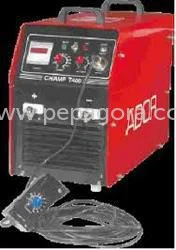
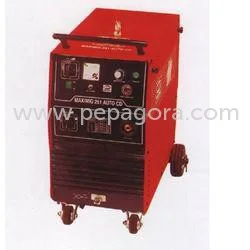
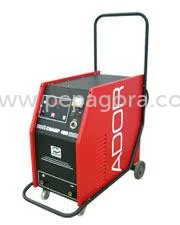
Industrial Welding Champ 200 DC Rectifier With IGBT Inverter Technology
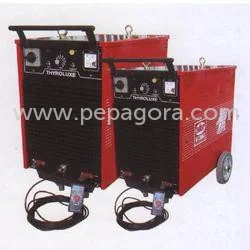
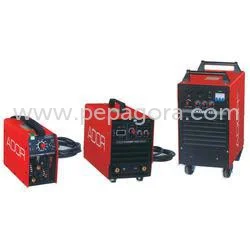
Industrial DC Welding Rectifiers 150 1000 AMPS MMAW Thyristor Inverter
Industrial Welding Machine Champ 250 DC Rectifier IGBT Inverter
Shruti Mechatronics
Industrial Bridge Rectifiers For AC To DC Power Conversion
Premium Fixed And Variable Capacitors For Industrial And Commercial Use
Industrial DC DC Converters 20V 110V High Reliability Power Management
Orbit Electronics
Industrial Surge Protection Varistors For Electronics Voltage Spikes
Industrial NTC Thermistor 10K Ohm 1mm Bead With Teflon Wire
Industrial PTC Thermistors For Temperature Sensing And Overcurrent Protection
Why Businesses Trust Pepagora
Thousands of companies trust Pepagora to source smarter and sell faster
Expand Your Sales Globally
25000+Products listed.Get discovered by global buyers
Tools to boost visibility
Build your own catalog

Source Smarter,Grow Faster
4000+Active RFQs
100+ Countries served
Easy Sourcing Tools
