
 IN
INundefined
Digital Pressure Transmitters
53 products available
𝗪𝗵𝗮𝘁 𝗮𝗿𝗲 𝗗𝗶𝗴𝗶𝘁𝗮𝗹 𝗣𝗿𝗲𝘀𝘀𝘂𝗿𝗲 𝗧𝗿𝗮𝗻𝘀𝗺𝗶𝘁𝘁𝗲𝗿𝘀?
Digital pressure transmitters are advanced instruments used to measure and transmit the pressure of gases and liquids. They convert the physical pressure into an electrical signal that can be easily read and interpreted. These devices utilize various sensing technologies, including piezoresistive and capacitive methods, to ensure high accuracy and reliability.
These transmitters find applications across numerous industries, including oil and gas, pharmaceuticals, manufacturing, and water management. They are essential for monitoring and controlling processes that require precise pressure measurements. As industries continue to evolve towards automation and smart technology, the demand for digital pressure transmitters has grown significantly, making them a vital component in modern industrial systems.
In the current market context, digital pressure transmitters are recognized for their robustness, accuracy, and ability to operate in harsh environments. With advancements in technology, these devices have become more versatile, leading to increased adoption in both established and emerging markets.
𝗞𝗲𝘆 𝗙𝗲𝗮𝘁𝘂𝗿𝗲𝘀 𝗮𝗻𝗱 𝗦𝗽𝗲𝗰𝗶𝗳𝗶𝗰𝗮𝘁𝗶𝗼𝗻𝘀
Digital pressure transmitters come with a range of features that enhance their performance and usability. These include high accuracy, wide measurement ranges, and compatibility with different fluids. Their digital output allows for seamless integration with control systems.
Key specifications include:
1. Measurement Range
- Typically ranges from a few millibars to several thousand psi.
- Allows for versatility in various applications.
2. Accuracy
- Standard accuracy levels are around ±0.5% to ±1% of full scale.
- Ensures reliable performance in critical processes.
3. Output Signal
- Common output options include 4-20 mA and digital communication protocols like HART or Modbus.
- Facilitates easy integration with existing systems.
4. Operating Temperature
- Generally designed to operate within a temperature range of -40°C to 85°C.
- Suitable for diverse environmental conditions.
5. Power Supply
- Typically powered by DC voltage, with most models requiring 12-36 V.
- Ensures flexibility in installation.
6. Enclosure Rating
- Often rated IP65 or higher, ensuring protection against dust and water.
- Ideal for outdoor and industrial settings.
7. Calibration
- Many models offer easy recalibration options.
- Helps maintain accuracy over time.
8. Communication Protocols
- Equipped with various protocols for compatibility with different systems.
- Enhances data acquisition and monitoring capabilities.
Digital pressure transmitters are designed to meet the evolving needs of various industries while ensuring high performance and reliability.
𝗖𝗼𝗺𝗺𝗼𝗻 𝗔𝗽𝗽𝗹𝗶𝗰𝗮𝘁𝗶𝗼𝗻𝘀 𝗮𝗻𝗱 𝗨𝘀𝗲 𝗖𝗮𝘀𝗲𝘀
Digital pressure transmitters are utilized in a wide range of applications across different industries. Their precision and reliability make them indispensable in many settings.
1. Oil and Gas: Used for monitoring pipeline pressure and ensuring safety in extraction and distribution processes.
2. Pharmaceuticals: Employed in processes where accurate pressure control is crucial for product quality and compliance with regulations.
3. Water Management: Utilized in water treatment facilities to monitor pressure levels and ensure efficient operation.
4. Manufacturing: Applied in various manufacturing processes to maintain optimal pressure conditions for quality control.
5. HVAC Systems: Used to measure and control pressure in heating, ventilation, and air conditioning systems.
6. Food and Beverage: Important for monitoring pressure in processes such as bottling and packaging.
7. Chemical Processing: Essential for maintaining pressure levels in reactors and storage tanks.
Digital pressure transmitters enhance efficiency and safety in these applications by providing accurate and reliable pressure measurements.
𝗣𝗿𝗼𝗱𝘂𝗰𝘁 𝗩𝗮𝗿𝗶𝗮𝗻𝘁𝘀 𝗮𝗻𝗱 𝗦𝘂𝗯𝗰𝗮𝘁𝗲𝗴𝗼𝗿𝗶𝗲𝘀
Digital pressure transmitters are available in various models to cater to specific industry needs. Each variant comes with unique features and applications.
Standard Digital Pressure Transmitter
This basic model is designed for general-purpose applications, offering reliable performance and essential features suitable for a broad range of industries.
High-Temperature Digital Pressure Transmitter
This variant is engineered to withstand high-temperature environments, making it ideal for applications in the oil and gas sector or industrial processes that generate significant heat.
Intrinsically Safe Digital Pressure Transmitter
Designed for use in hazardous environments, this model complies with safety standards to prevent ignition risks, making it suitable for the chemical and petrochemical industries.
Wireless Digital Pressure Transmitter
This advanced variant offers wireless data transmission, allowing for remote monitoring and easy integration into existing control systems, thus enhancing operational flexibility.
𝗕𝗲𝗻𝗲𝗳𝗶𝘁𝘀 𝗮𝗻𝗱 𝗔𝗱𝘃𝗮𝗻𝘁𝗮𝗴𝗲𝘀
Digital pressure transmitters offer numerous advantages that make them preferable in industrial applications.
1. High Accuracy: They provide exact pressure readings, which is critical for process control and safety.
2. Real-Time Monitoring: With digital output, these transmitters enable continuous monitoring of pressure levels, facilitating timely interventions.
3. Easy Integration: Their compatibility with various communication protocols allows for seamless connection with existing automation systems.
4. Durability: Designed to withstand harsh conditions, digital pressure transmitters offer long service life, reducing maintenance costs.
5. Versatility: They can be used in diverse environments and applications, making them suitable for numerous industries.
6. Reduced Downtime: With reliable performance, these devices minimize the risk of process failures, ensuring consistent operation.
𝗕𝘂𝘆𝗶𝗻𝗴 𝗚𝘂𝗶𝗱𝗲 𝗳𝗼𝗿 𝗕𝟮𝗕 𝗕𝘂𝘆𝗲𝗿𝘀
When sourcing digital pressure transmitters, businesses should consider several key factors to ensure they select the right product for their needs.
1. Quality Assessment: Evaluate the quality standards of the products, ensuring they meet industry requirements. Look for certifications and compliance with recognized standards.
2. Supplier Verification: Conduct thorough vetting of suppliers to ensure they have a solid reputation and provide reliable products. A verified supplier network can enhance trust.
3. Pricing and MOQ: Understand the pricing structure and minimum order quantities required by suppliers. This helps in budgeting and planning for inventory.
4. Delivery and Lead Times: Assess the logistics of delivery, including lead times. Timely delivery is crucial for maintaining operational efficiency.
5. Compliance Requirements: Ensure that the products meet relevant regulatory and safety standards applicable to your industry. This is essential for compliance and risk management.
𝗖𝗼𝗺𝗽𝗹𝗶𝗮𝗻𝗰𝗲 𝗮𝗻𝗱 𝗖𝗲𝗿𝘁𝗶𝗳𝗶𝗰𝗮𝘁𝗶𝗼𝗻𝘀
Digital pressure transmitters must adhere to various quality standards and certifications to ensure reliability and safety in industrial applications. Commonly recognized standards include ISO 9001, which ensures a consistent quality management system, and HACCP, which is vital for food safety compliance.
Industry certifications such as CE indicate that the product meets European safety and environmental requirements. This certification is crucial for businesses operating in regions with strict regulatory frameworks.
Additionally, safety and testing requirements must be met to ensure the devices can operate safely in their intended environments. Manufacturers should also consider regional compliance, especially when exporting products to different markets, as regulations may vary significantly.
𝗪𝗵𝘆 𝗦𝗼𝘂𝗿𝗰𝗲 𝗗𝗶𝗴𝗶𝘁𝗮𝗹 𝗣𝗿𝗲𝘀𝘀𝘂𝗿𝗲 𝗧𝗿𝗮𝗻𝘀𝗺𝗶𝘁𝘁𝗲𝗿𝘀 𝗳𝗿𝗼𝗺 𝗣𝗲𝗽𝗮𝗴𝗼𝗿𝗮?
Pepagora provides a trusted platform for sourcing digital pressure transmitters, offering numerous advantages for B2B buyers.
Verified Supplier Network: Pepagora connects buyers with a network of verified suppliers, ensuring that the products meet high-quality standards and industry requirements. This reduces the risk of procurement issues.
Streamlined RFQ Process: The request for quotation (RFQ) process on Pepagora is designed to be user-friendly, allowing buyers to receive competitive quotes quickly and efficiently. This helps in making informed purchasing decisions.
Trade Assurance and Support: Pepagora offers trade assurance, providing buyers with protection against potential issues and ensuring a secure transaction process. Customer support is also available to assist with any inquiries.
Regional Coverage: With a strong presence in India, the GCC, and Southeast Asia, Pepagora ensures that buyers can access a wide range of products and suppliers tailored to their regional needs. This geographic reach enhances sourcing opportunities for businesses across different markets.
Newly Added


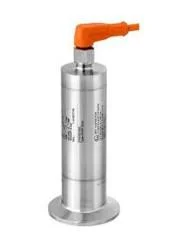
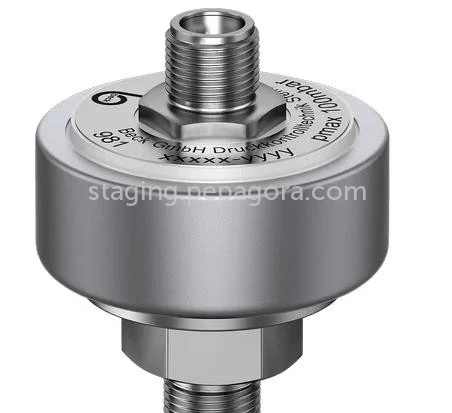

Recently Added
Sansel Instruments And Controls
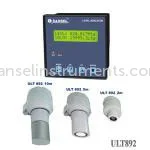
Industrial Ultrasonic Level Transmitter GSM Modem 4 20mA IP65
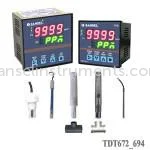
Industrial TDS Transmitter 0 9999 PPM 4 20mA Output Automatic Calibration
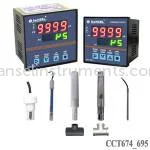
Industrial Conductivity Transmitter with 4 20mA Output and Temperature Compensation
Shabis Enterprises
Industrial Manometer Acrylic Single Limb 100 300 mm H2O Range
Industrial Pressure Switch Phosphor Bronze Bellows 1/4 BSP IP33
Industrial Pressure Transmitter 0.25% Accuracy 0 1000 Bar Range
Automation Tekniks
Industrial Motorized Butterfly Valves For Automated Flow Control
Industrial Single Phase Motorized Butterfly Valve For Flow Control
Industrial Single Phase Motorized Valve For HVAC Water Treatment Flow Control
Poushali Electronics
Industrial HVAC RH Transmitter 0 100% 4 20mA Output Wall Mount
Industrial Loop Power Pressure Transmitters For Reliable Measurement
Industrial DPTX24 2 Wire Loop Power Differential Pressure Transmitter
Cirrus Engineering & Services Private Limited
Industrial Cable Float Level Switch For Liquid Control In Tanks
Industrial Orifice Flow Meters For Oil Gas Chemical Water Applications
Industrial PD Flow Meters For Accurate Liquid Measurement
Aykay Electronics
Industrial Automation High Accuracy Pressure Transmitter With 4 20mA Output
Industrial Temperature Transmitters High Accuracy Reliability HVAC Manufacturing
Industrial Automation Digital Thyristor Power Controller CD3000E 3PH
Vatturkar Industrial
Industrial Paddle Wheel Flow Meters For Water Chemicals Fuels
Industrial Electromagnetic Flow Meters High Precision Fluid Measurement
Industrial Flow Rate Indicator Digital Display M3/Hr LPH LPM VATS A110
Load Master
Industrial Digital Strain Indicator for Precise Measurement and Reliability
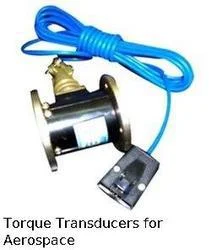
Aerospace Torque Transducers For Precision Force Measurement In Aviation
Industrial Tension Load Cells For Weighing And Force Measurement
Ztech Instruments
Industrial Precision Pressure Transmitters For Liquid Gas Steam Flow Level Density
Industrial Float Level Switches For Water Sewage Chemical Control
Industrial Electromagnetic Flow Meter ZT803 PTFE Lining Accurate Conductive Liquid
Dynamic Ortho Industries
Medical Industrial Guide Wire 4 Precision Durable Flexible
Industrial Compression Devices For Manufacturing And Packaging
Orthopedic Surgical Instrument Set For Austin Moore Thompson Hip Replacement
Why Businesses Trust Pepagora
Thousands of companies trust Pepagora to source smarter and sell faster
Expand Your Sales Globally
25000+Products listed.Get discovered by global buyers
Tools to boost visibility
Build your own catalog

Source Smarter,Grow Faster
4000+Active RFQs
100+ Countries served
Easy Sourcing Tools
