
 IN
INundefined
Die Casting Molds
2 products available
𝗪𝗵𝗮𝘁 𝗮𝗿𝗲 𝗗𝗶𝗲 𝗖𝗮𝘀𝘁𝗶𝗻𝗴 𝗠𝗼𝗹𝗱𝘀?
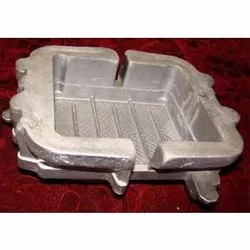
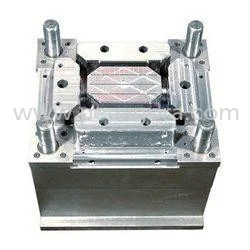
Die casting molds are tools used in the die casting process, a manufacturing technique employed to produce metal parts with high precision and surface finish. These molds are typically made from steel or other durable materials to withstand high pressures and temperatures during the casting process. The die casting method involves forcing molten metal into these molds, which solidify to create specific shapes and dimensions.
Die casting molds are essential in various industries, including automotive, aerospace, and electronics. They enable manufacturers to produce complex components efficiently, ensuring consistency and reducing material waste. The molds are designed to meet exact specifications, allowing for high-volume production while maintaining quality standards. With the growing demand for lightweight and durable parts, the relevance of die casting molds in modern manufacturing continues to increase, making them a vital component in the supply chain.
𝗞𝗲𝘆 𝗙𝗲𝗮𝘁𝘂𝗿𝗲𝘀 𝗮𝗻𝗱 𝗦𝗽𝗲𝗰𝗶𝗳𝗶𝗰𝗮𝘁𝗶𝗼𝗻𝘀
Die casting molds come with several key features that enhance their performance and longevity. Understanding these specifications is crucial for businesses looking to invest in high-quality molds.
Key specifications include:
1. Material Composition
- Typically made from high-grade steel or aluminum alloys.
- Selected for their strength and durability under high pressure.
2. Mold Design Complexity
- Ability to create intricate shapes and designs.
- Enables production of detailed components with minimal finishing.
3. Temperature Resistance
- Designed to withstand high temperatures during the casting process.
- Essential for maintaining mold integrity and part quality.
4. Surface Finish
- Molds can achieve various surface finishes such as smooth or textured.
- Important for the aesthetic and functional properties of the final product.
5. Cooling System
- Integrated cooling channels to regulate temperature during casting.
- Helps in reducing cycle times and improving efficiency.
6. Ejector System
- Mechanism to release the cast part from the mold after solidification.
- Critical for maintaining mold life and part quality.
7. Tolerance Levels
- Precision machining to achieve tight tolerances.
- Ensures the final products meet specific dimensional requirements.
8. Maintenance Requirements
- Designed for easy maintenance and repair.
- Prolongs the lifespan of the molds and reduces downtime.
In summary, die casting molds are characterized by their high-quality materials, intricate designs, and specialized features that cater to the demands of various industries.
𝗖𝗼𝗺𝗺𝗼𝗻 𝗔𝗽𝗽𝗹𝗶𝗰𝗮𝘁𝗶𝗼𝗻𝘀 𝗮𝗻𝗱 𝗨𝘀𝗲 𝗖𝗮𝘀𝗲𝘀
Die casting molds serve a wide range of industries, each with specific applications that benefit from their unique properties.
1. Automotive: Used to produce engine components, housings, and brackets that require high precision and durability.
2. Aerospace: Essential for manufacturing lightweight and complex parts such as brackets, frames, and housings that need to meet strict regulations.
3. Electronics: Frequently used for creating enclosures and components that require excellent thermal conductivity and precise dimensions.
4. Consumer Goods: Ideal for producing household items and appliances where aesthetics and functionality are critical.
5. Medical Devices: Employed in the production of components that must meet stringent safety and performance standards.
6. Industrial Equipment: Used to create parts for machinery that require high strength and resistance to wear.
7. Telecommunications: Useful for manufacturing components that need to withstand harsh environmental conditions.
𝗣𝗿𝗼𝗱𝘂𝗰𝘁 𝗩𝗮𝗿𝗶𝗮𝗻𝘁𝘀 𝗮𝗻𝗱 𝗦𝘂𝗯𝗰𝗮𝘁𝗲𝗴𝗼𝗿𝗶𝗲𝘀
Die casting molds come in various types, catering to the diverse needs of different industries.
Standard Die Casting Molds
These molds are designed for typical applications and can produce a wide range of components. They are versatile and suitable for high-volume production runs.
Specialized Die Casting Molds
These molds are tailored for specific applications, offering features that enhance performance in niche markets. They are often used for complex geometries and critical applications.
𝗕𝗲𝗻𝗲𝗳𝗶𝘁𝘀 𝗮𝗻𝗱 𝗔𝗱𝘃𝗮𝗻𝘁𝗮𝗴𝗲𝘀
Investing in die casting molds offers numerous benefits for manufacturers.
1. High Precision: Enables the production of complex parts with tight tolerances, reducing the need for additional machining.
2. Cost Efficiency: High-volume production lowers per-unit costs, making it an economical choice for large-scale manufacturing.
3. Material Versatility: Compatible with various metals, including aluminum, zinc, and magnesium, allowing for flexibility in material selection.
4. Improved Surface Finish: Produces components with superior surface quality, reducing finishing costs and time.
5. Shorter Lead Times: Faster production cycles due to efficient cooling and solidification processes.
6. Reduced Waste: The precise nature of die casting minimizes scrap material, contributing to more sustainable manufacturing practices.
𝗕𝘂𝘆𝗶𝗻𝗴 𝗚𝘂𝗶𝗱𝗲 𝗳𝗼𝗿 𝗕𝟮𝗕 𝗕𝘂𝘆𝗲𝗿𝘀
When sourcing die casting molds, several factors should be considered to ensure a successful purchase.
1. Quality Assessment: Look for molds made from high-quality materials with proven track records for durability and performance. Inspect for certifications that indicate adherence to industry standards.
2. Supplier Verification: Vet suppliers thoroughly by checking their reputation, previous projects, and customer feedback. A reliable supplier will ensure consistent quality and timely deliveries.
3. Pricing and MOQ: Understand the pricing structure and minimum order quantities. Compare quotes from multiple suppliers to get the best value while considering quality.
4. Delivery and Lead Times: Confirm delivery schedules and lead times. Timely delivery is crucial for maintaining production schedules and meeting market demands.
5. Compliance Requirements: Ensure that the molds meet relevant industry regulations and safety standards. This may include certifications such as CE and adherence to ISO quality standards.
𝗖𝗼𝗺𝗽𝗹𝗶𝗮𝗻𝗰𝗲 𝗮𝗻𝗱 𝗖𝗲𝗿𝘁𝗶𝗳𝗶𝗰𝗮𝘁𝗶𝗼𝗻𝘀
Die casting molds must adhere to various quality standards and certifications to ensure safety and reliability in production.
ISO 9001 is a widely recognized quality management standard that outlines criteria for effective quality management systems. Compliance with this standard demonstrates a commitment to quality assurance in manufacturing processes.
CE certification indicates that the molds meet European safety and environmental protection standards. This certification is crucial for businesses operating in or exporting to the European market.
Safety and testing requirements are essential to ensure that die casting molds can operate safely under high pressures and temperatures. Regular testing and maintenance are necessary to uphold safety standards.
Regional compliance considerations may vary. Manufacturers should be aware of local regulations that govern the use of die casting molds in their respective markets.
𝗪𝗵𝘆 𝗦𝗼𝘂𝗿𝗰𝗲 𝗗𝗶𝗲 𝗖𝗮𝘀𝘁𝗶𝗻𝗴 𝗠𝗼𝗹𝗱𝘀 𝗳𝗿𝗼𝗺 𝗣𝗲𝗽𝗮𝗴𝗼𝗿𝗮?
Pepagora offers a reliable platform for sourcing die casting molds, providing several key advantages for B2B buyers.
Verified Supplier Network: Pepagora connects buyers with a network of verified suppliers, ensuring that all partners meet stringent quality and reliability standards. This reduces the risk associated with sourcing and enhances trust in the procurement process.
Streamlined RFQ Process: The platform features an efficient request for quotation process, allowing buyers to receive competitive quotes from multiple suppliers quickly. This simplifies the sourcing process and saves valuable time.
Trade Assurance and Support: Pepagora provides trade assurance, protecting buyers throughout the purchasing process. This support includes assistance with disputes and ensuring that suppliers adhere to agreed-upon terms.
Regional Coverage: With a focus on India, the GCC, and Southeast Asia, Pepagora offers extensive regional coverage. This enables buyers to access local suppliers and tap into emerging markets, enhancing their supply chain capabilities.
Newly Added


Recently Added
Global Reach Engineers
Industrial Fixtures For Precision Clamping And Secure Holding
Industrial Manufacturing Jigs And Fixtures For Precision Durability
Precision Dies And Moulds For Automotive Packaging Manufacturing
Asian Automation
Industrial Aluminum Frame 220x150x50mm For Prototyping Machinery
Industrial PDC Inserts Base C45/EN8 Steel 1300x1000x300mm
PDC Inserts Base For 1000 Tonne PDC Dies C45 EN8 Casted Material
Axis Enterprises
Bulk Rainbow Zippers Vibrant Durable Fastening Solutions
Premium Coat Zippers For Durable Smooth Bulk Orders
Nylon Two Way Zippers Durable Bidirectional Locking
Cad Career
Professional 2D Architectural Drafting Services For Construction Projects
Professional 2D CAD Drafting Services For Technical Drawings And Plans
2D Mechanical Drafting Services For Construction And Manufacturing
Why Businesses Trust Pepagora
Thousands of companies trust Pepagora to source smarter and sell faster
Expand Your Sales Globally
25000+Products listed.Get discovered by global buyers
Tools to boost visibility
Build your own catalog

Source Smarter,Grow Faster
4000+Active RFQs
100+ Countries served
Easy Sourcing Tools
